

 Podgląd w skali
 Wyślij jako kartkę
 Udostępnij
 Szczegóły dzieła

 Pobierz
 Podobne obiekty
 RTG
RTG Pokaz slajdów
Landscape


 Rozwiń treść
Giclée / Wydruk artystyczny
Druk giclée lub płótno o jakości muzealnej, szybka realizacja i szeroki wybór opcji wykończenia. ( Zamów ręcznie malowaną reprodukcję Kup obraz wysokiej rozdzielczości)




P118B $10

P118H $10

P118W $10

P438Z $10

P508JH $12

P508YH $12

P805H $10

P805Z $10

P919BZ $10

P919G $10

P919XJ $10

P959ZH $10

P968JZ $12

W106C $8

W218G $10

W218JH $8

W218Y $10

W307PJ $10

W316G $10

W316PJ $8

W316Y $10

W398PJ $8

W4111J $10

W500HY $15

W500JH $15

W692G $12

W849H $8

W940BG $15

W953PJ $8




Wybierz spośród naszych standardowych rozmiarów, które zachowują oryginalne proporcje dzieła sztuki.

Możesz wprowadzić własne wymiary, aby dopasować dzieło do konkretnej ramy lub przestrzeni. Jeśli wybrany rozmiar nie będzie odpowiadał proporcjom oryginalnego obrazu, przytniecie dzieło lub rozszerzymy obraz za pomocą odbicia lustrzanego lub jednolitego wypełnienia krawędzi. Przed rozpoczęciem produkcji prześlemy cyfrową wizualizację do Twojej akceptacji.
Prosimy pamiętać, że podgląd na ekranie nie odzwierciedla faktycznego przycinania ani rozszerzania. Tylko wizualizacja dokładnie pokaże końcową kompozycję.
Mimo dostępności niestandardowych rozmiarów, zalecamy wybór wymiaru z listy zdefiniowanej, aby zachować oryginalne proporcje.
Dostawa na cały świat () w ciągu 2 tygodni zamiast standardowych 4/5 tygodni. (23 Sierpień)

Bezpłatna ekspresowa wysyłka na cały świat

Wysokiej jakości płótno lniane

Pełne ubezpieczenie przesyłki

Gwarancja zwrotu należności celnych i podatków importowych

Gwarancja wiernego odwzorowania kolorów

Polityka 60-dniowego zwrotu (tylko w przypadku wad)

Gwarancja 100% zwrotu kosztów

Zniżka przy zamówieniu wielu produktów
 Opcja ze szkłem jest dostępna wyłącznie w rozmiarach poniżej 110 cm

Landscape
Giclée / Wydruk artystyczny
Wymiary reprodukcji
-


Cena całkowita
$ 80
O artyście
The Grandeur of a Visionary: The Life and Legacy of Henryk Siemiradzki
In the golden age of Academicism, few names commanded as much reverence or evoked as much awe as Henryk Siemiradzki. A titan of the late nineteenth century, his canvases served as magnificent portals, transporting viewers from the industrializing reality of their era into the sun-drenched splendor of antiquity and the profound spiritual depths of biblical narratives. Born in 1843 in Belgorod, within the Russian Empire, Siemiradzki was a man of dual heritage—a Polish artist whose creative soul flourished amidst the vibrant cultural landscapes of Saint Petersburg, Munich, and ultimately, Rome. His early life, steeped in the traditions of a noble family, provided him with an intellectual foundation that would later allow him to weave complex historical and mythological tapestries with unparalleled sophistication.
The trajectory of his genius was mapped through rigorous discipline and an insatiable thirst for mastery. After initial training under the local schoolteacher D.I. Besperchy, Siemiradzki entered the prestigious Imperial Academy of Arts in Saint Petersburg. It was here that his technical prowess began to crystallize, culminating in a coveted gold medal upon his graduation. However, it was his subsequent journey to Munich to study under the legendary Karl von Piloty that truly ignited his stylistic evolution. Under Piloty’s influence, Siemiradzki embraced the dramatic potential of historical painting, learning to manipulate light and shadow to create theatrical compositions that felt both monumental and intimately human. This period of intense academic refinement prepared him for his most defining chapter: his relocation to Rome in 1872.
A Master of Light, Drama, and Antiquity
Rome was not merely a residence for Siemiradzki; it was his muse. Settling amidst the eternal city's ruins and classical beauty, he developed a signature style characterized by an extraordinary ability to capture the ephemeral quality of light. His works often feature sunlit pastoral scenes that seem to breathe with the warmth of a Mediterranean afternoon, contrasted sharply by the heavy, dramatic tension of his historical tragedies. He possessed a rare gift for "theatrical realism," where every brushstroke contributed to a sense of unfolding drama, as if the viewer had stumbled upon a frozen moment of a grand opera.
His repertoire was as vast as it was profound, spanning several key thematic pillars:
- The Greco-Roman World: He breathed life into the legends of antiquity, depicting the splendor and the cruelty of ancient civilizations with meticulous archaeological detail.
- Biblical Narratives: With a sensitive hand, he approached the New Testament, creating works like Christ in the House of Martha and Mary that offered spiritual depth through human emotion.
- Historical Spectacle: His ability to render large-scale events allowed him to create monumental pieces that captured the essence of historical turning points.
- Theatrical Artistry: Beyond the canvas, his talent extended to the grandest stages, including the design of magnificent curtains for the Lwów Theatre of Opera and the Juliusz Słowacki Theatre in Kraków.
Technically, Siemiradzki was a virtuoso of the academic method. His use of color was both vibrant and controlled, capable of conveying the shimmering heat of a Roman noon or the somber, flickering glow of torches in a dark corridor. In works such as Nero's Torches, one can witness his mastery over light as it dances across surfaces, creating a sensory experience that transcends mere representation.
Historical Significance and Eternal Resonance
The significance of Henryk Siemiradzki extends far beyond the borders of Poland or the halls of the academies. He was a bridge between the classical traditions of the past and the burgeoning emotional intensity of the late nineteenth century. While some later movements would rebel against the perceived rigidity of Academicism, Siemiradzki’s work remained beloved for its ability to evoke wonder and empathy. His paintings became part of the permanent heritage of Europe, finding homes in the most prestigious national galleries across the continent.
Even today, his legacy endures through the sheer emotional impact of his compositions. He did not merely paint history; he resurrected it. Through his eyes, the ancient world was never truly lost—it remained vibrant, breathing, and eternally beautiful. As a master of Academic realism, Siemiradzki left behind a body of work that continues to invite modern viewers to contemplate the grandeur of human history and the timeless beauty of the classical spirit.
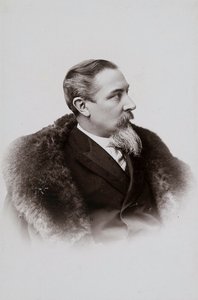
Henryk Siemiradzki
1843 - 1902 , Russia
Krótka nota
- Artistic Movement Or Style: Academic Art
- Artists Or Movements Influenced By This Artist: ['Romanticism']
- Artists Who Influenced This Artist: ['Karl von Piloty']
- Date Of Birth: October 24, 1843
- Date Of Death: August 23, 1902
- Full Name: Henryk Hector Siemiradzki
- Nationality: Polish
- Notable Artworks:
- Phryne At The Festival Of Poseidon
- Landscape
- Orpheus
- Place Of Birth: Belgorod, Russia
Powiązane artykuły

Evocations of Place: A Historical Journey Through Landscape Art
Explore the rich history of landscape art with OriginalUniqueArt. Discover renowned artists, movements like Impressionism & Romanticism, and expert guidance for collecting timeless pieces. Find your perfect serene escape today!

Romantyczny Krajobraz w Malarstwie: 10 Arcydzieł, Które Zdefiniowały Epokę | OriginalUniqueArt.com
Odkryj 10 arcydzieł romantyzmu w malarstwie! Poznaj historie Caspara Davida Friedricha, Turnera i innych mistrzów. Inspiracje wnętrzarskie & reprodukcje obrazów najwyższej jakości na OriginalUniqueArt.com. Eksploruj kolekcję online!

John Constable: 25 Najlepszych Obrazów Mistrza Angielskiego Krajobrazu | OriginalUniqueArt
Odkryj 25 arcydzieł Johna Constable'a – mistrza angielskiego krajobrazu! Poznaj romantyczne pejzaże, technikę malarską i inspiracje z Dedham Vale. Reprodukcje obrazów najwyższej jakości na OriginalUniqueArt.com. Eksploruj pełną kolekcję online!

Echa Miejsca: Historyczna Podróż przez Sztukę Krajobrazu
Odkryj historię sztuki krajobrazu – od romantycznych wizji Friedricha po surrealistyczne pejzaże Dalego. Analizy, inspiracje i reprodukcje obrazów najwyższej jakości na OriginalUniqueArt.com.

Evoking Nature's Sublime: A Comprehensive Exploration of 19th-Century Landscape Painting
Explore the captivating world of 19th-century landscape painting! Discover renowned artists like Friedrich & Monet, key movements, and find the perfect artwork to bring nature's serenity into your home. Expert insights at OriginalUniqueArt.

