() ·
Obraz stworzony dla Ciebie, własnoręcznie
Ręcznie malowana reprodukcja olejowa
Ręcznie malowany obraz olejny na płótnie, wykonany na zamówienie przez naszych artystów w wybranym przez Ciebie wymiarze i oprawie. ( Przełącz na wydania drukowane Przejdź do wersji cyfrowej)
Biografia artysty
Explore the captivating biblical & spiritual scenes of Henry Williams (1787-1830). Discover his legacy through evocative portraits & artistic vision.
 Rozwiń treść
od ·
Rozdział 1
Jak duży powinien być ten format?
Przesuń suwak, aby zmienić rozmiar; obraz po lewej stronie przedstawia ramę w jej rzeczywistej szerokości. Zachowano proporcje oryginału.
Wybierz spośród naszych standardowych rozmiarów, które zachowują oryginalne proporcje dzieła sztuki.

Wpisz wymaganą szerokość i wysokość, aby obraz pasował do Twojej ramy lub ściany. Ponieważ jest to dzieło malowane ręcznie, w przypadku rozmiaru o innych proporcjach artysta może domalować nieco więcej wokół obrazu lub przyciąć jego fragmenty — wybór należy do Ciebie. Przed rozpoczęciem pracy prześlemy Ci cyfrową wizualizację do zatwierdzenia. Obraz widoczny na tej stronie nie przedstawia rzeczywistego efektu — jedynie wizualizacja oddaje realny rezultat.
Rozdział 2
W jaki sposób ma zostać dostarczone?
Wybierz krawędzie płótna naciągniętego na ramę
Wybierz ramę

Białe krawędzie zł1

rozmyte krawędzie zł1

Przedłużony zł1

P118B zł10

P118H zł10

P118W zł10

P438Z zł10

P508JH zł12

P508YH zł12

P805H zł10

P805Z zł10

P919BZ zł10

P919G zł10

P919XJ zł10

P959ZH zł10

P968JZ zł12

W106C zł8

W218G zł10

W218JH zł8

W218Y zł10

W307PJ zł10

W316G zł10

W316PJ zł8

W316Y zł10

W398PJ zł8

W4111J zł10

W500HY zł15

W500JH zł15

W692G zł12

W849H zł8

W940BG zł15

W953PJ zł8

H24-GOLD zł30

H24-SILVER zł30

H36-GOLD zł45

H36-SILVER zł45
W oprawie
Profil: . Wymiar całkowity w ramie: .
Rozdział 3
Kto go maluje i czy coś powinno ulec zmianie?
Po złożeniu zamówienia zespół OriginalUniqueArt.com skontaktuje się z klientem drogą mailową w celu uzyskania instrukcji i prześle podgląd projektu
Dostawa na całym świecie () w ciągu 3–4 tygodni zamiast standardowych 5 tygodni. (4 Listopad). Bez kompromisów w kwestii jakości.
Rozdział 4
Ostatnie szlify
Tabliczka informacyjna, jak w muzeum?
Szczegóły grawerowanej brązowej tabliczki
This elegant plaque features the artist's name and the title of the artwork, finely engraved for a timeless presentation.
It is made from bronze with a refined, elegant finish. The text is precisely laser-engraved for a sharp and permanent result. Measuring 9x2 cm, the plaque is compact yet easy to read. It's built to be durable and scratch-resistant, offering a professional, museum-quality look. Mounting is simple thanks to the included adhesive backing.
Szczegóły przezroczystej tabliczki akrylowej
The plaque includes essential engraved details such as the artist's name, the title of the artwork, the date it was created, the type of media used-like oil on canvas or watercolor-a brief description of the piece, and a QR code that links to the complete artwork information.
It is crafted from clear acrylic, offering a sleek, modern appearance. The text is UV-engraved in black to ensure strong visual contrast. With a size of 10x15 cm, it ensures optimal readability. It comes equipped with two metal hooks for secure wall mounting. The plaque is designed to be weather-resistant, making it suitable for various environments, and it includes interactive features that work seamlessly with smartphone scanning.
Szczegóły czarnej tabliczki akrylowej
This elegant plaque includes engraved information such as the artist's name, the title of the artwork, the date it was created, the type of media used (like oil on canvas or watercolor), a short description of the artwork, and a QR code for quick access to more information.
The plaque itself is made from refined black acrylic with a premium finish. The text is laser-engraved in white for high contrast and readability. Its size is 10x15 cm, designed to be easy to read. It comes with two metal hooks for professional mounting. The design is sleek and fits any interior style. It is also weather-resistant and durable, with built-in digital integration for mobile compatibility.
Werniks ochronny?
Kiedy potrzebujesz dostawy?
Rozdział 5
Twoje dzieło, dokładnie tak, jak zamówiłeś

John Cox
Technika reprodukcji
Wymiary reprodukcji
-

Wybitny mistrz artystyczny
Większa szczegółowość, finezja i dodatkowy czas na realizację
-

Opcje oprawy reprodukcji
-
-
W przypadku dzieł sztuki lub reprodukcji, których którykolwiek z boków przekracza 105 cm (około 41 cali), rama zostanie wysłana w formie zestawu do samodzielnego montażu. Metoda ta zapewnia bezpieczną dostawę i zapobiega uszkodzeniom podczas transportu.
Wymagany profesjonalny montaż – nie jest to produkt typu DIY.
Zestaw musi zostać złożony, a płótno naciągnięte przez doświadczonego profesjonalnego ramiarza, przy użyciu kleju do drewna (brak w zestawie), kleszczy do naciągania płótna oraz ścisków, które utrzymają krosna w równej pozycji podczas schnięcia kleju. Nieprawidłowy montaż lub nierównomierne napięcie płótna może trwale uszkodzić dzieło sztuki i nie podlega naszej gwarancji.
 W przypadku dzieł sztuki lub reprodukcji, których którykolwiek z boków przekracza 105 cm (około 41 cali), rama zostanie wysłana w formie zestawu do samodzielnego montażu. Metoda ta zapewnia bezpieczną dostawę i zapobiega uszkodzeniom podczas transportu.
W zestawie znajdują się wszystkie listwy z litego drewna, precyzyjnie docięte do wymiarów.
Montaż odbywa się przy użyciu dołączonych wkrętów oraz kleju do drewna do łączenia narożników, którego zestaw nie zawiera i który musi zostać dostarczony przez ramiarza.
Wymagane są profesjonalne narzędzia, których nie ma w zestawie: kleszcze do naciągania płótna (napinacz) oraz zaciski, które pozwolą utrzymać listwy w równej pozycji podczas schnięcia kleju.
Ważne:
Do połączenia narożników niezbędny jest klej do drewna, listwy należy unieruchomić za pomocą ścisków do momentu całkowitego wyschnięcia kleju, a naciągnięcie płótna na złożoną ramę wymaga użycia kleszczy do naciągania płótna. Żaden z tych elementów nie jest dołączony do zestawu. Przed zamówieniem tego rozmiaru zalecamy konsultację z doświadczonym ramiarzem.

Etykieta obiektu
-
-

Lakier ochronny
Lakier z połyskiem (pogłębia kolory, chroni przed światłem i wilgocią)
-

Personalizacja dzieła
Przykłady możliwości personalizacji: zastąp twarz zdjęciem klienta; dodaj zwierzę domowe (np. zamień kota na psa); umieść ukrytą wiadomość w tle; zmień krajobraz lub elementy tła.
-

Ekspresowa
Dostawa na cały świat () w ciągu 3–4 tygodni zamiast standardowych 5 tygodni. (4 Listopad). Bez kompromisów w kwestii jakości.
-
Przesyłka ekspresowa
Dostawa na cały świat () w ciągu 5 tygodni. (11 Listopad).
W cenie
Cena całkowita
zł 1173
Opcja ze szkłem jest dostępna wyłącznie w rozmiarach poniżej 110 cm
W każdym zamówieniu
- Bezpłatna ekspresowa wysyłka na cały świat
- Wysokiej jakości płótno lniane
- Pełne ubezpieczenie przesyłki
- Gwarancja zwrotu należności celnych i podatków importowych
- Gwarancja wiernego odwzorowania kolorów
- 100-dniowa polityka zwrotów (tylko w przypadku wad)
- Gwarancja 100% zwrotu pieniędzy
- Zniżka przy zakupie wielu sztuk


 Podgląd w skali 1:1
 Wyślij jako kartkę
 Udostępnij
 Szczegóły dzieła
 Przewodnik

 Pobierz obraz
 Podobne obiekty
 RTG
RTG Pokaz slajdów
 Pytania i odpowiedzi
 Statystyki
W liczbach
- 1810rok powstania dzieła
- 29dostępne ramy do wyboru
- standardowe formaty, w ich własnych proporcjach
- 5tygodni na namalowanie i dostarczenie dzieła
O oryginale

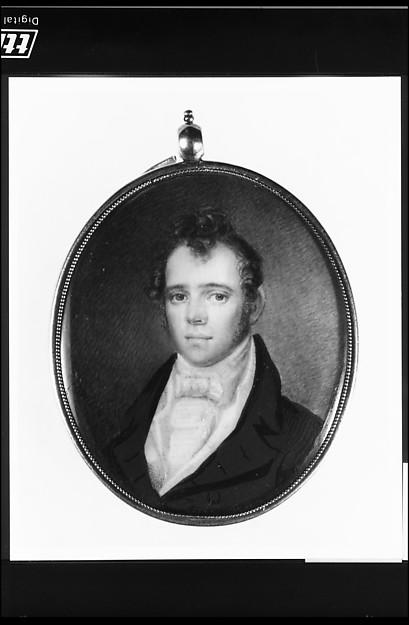
- 6.0 x 5.0 cm


Henry Williams
1787 - 1830
Krótkie informacje o Henry Williams
- Artistic Movement Or Style: Biblical & Spiritual
- Artists Or Movements Influenced By This Artist: ['Evan Williams']
- Artists Who Influenced This Artist: ['Samuel Henry Llewellyn']
- Date Of Birth: 1787
- Date Of Death: 1830
- Full Name: Henry Williams
- Nationality: British
- Notable Artworks:
- Gorham L. Freeman
- Various biblical scenes
- Place Of Birth: WahooArt, USA
Biografia artysty
Henry Williams: A Visionary of Spiritual Portraiture (1787-1830)
Henry Williams, a British artist working primarily in the late 18th and early 19th centuries, remains a captivating figure within the history of English portraiture and religious art. Born in Boston, Massachusetts, in 1787, his life was marked by both artistic brilliance and personal tragedy, culminating in a legacy of evocative biblical scenes and deeply spiritual portraits. While often overshadowed by more prominent contemporaries, Williams’s work possesses a unique sensitivity and emotional depth that continues to resonate with viewers today.
Williams's early life offers little documented detail, though it is known he received some artistic training before relocating to England. He established himself as an artist in London, quickly gaining recognition for his ability to capture the essence of his subjects – particularly those of a religious or moral nature. His style was characterized by a restrained elegance and a subtle use of light and shadow, creating a sense of quiet contemplation within each portrait. Unlike the flamboyant styles prevalent at the time, Williams favored a more understated approach, focusing on conveying inner character rather than mere physical likeness.
A pivotal moment in Williams’s career was his appointment as a missionary to New Zealand in 1823. This journey profoundly impacted his artistic vision and subject matter. He spent several years among the Māori people, documenting their customs, beliefs, and spiritual practices. These experiences led him to create a series of powerful paintings depicting biblical scenes interpreted through a Māori lens – a fascinating fusion of Western religious iconography and indigenous culture. These works, such as “The Last Supper” (1824), are particularly noteworthy for their nuanced portrayal of the Māori community and their deep connection to the land and spirituality. The influence of this period is evident in his later work, where he frequently incorporated elements of nature and a sense of profound reverence.
Beyond New Zealand, Williams continued to produce portraits of prominent figures within the British establishment – politicians, military officers, and members of the aristocracy. These works demonstrate his technical skill and his ability to capture the dignity and gravitas of his subjects. However, it is arguably in his religious scenes that he truly excelled. His paintings often feature a contemplative atmosphere, inviting viewers to reflect on themes of faith, morality, and redemption. His use of color was particularly effective in conveying mood – muted tones for solemn moments, brighter hues for expressions of hope or joy.
Despite his artistic success, Williams’s life was shadowed by personal tragedy. His father, a renowned baseball player, died unexpectedly in 1802, and his mother later succumbed to illness. Furthermore, the death of his wife, Dolores Wettach, in 1830, deeply affected him, contributing to a period of melancholy that is reflected in some of his later works. He was also embroiled in controversy surrounding his father’s wishes for cryonic preservation, which led to legal battles and public scrutiny.
Henry Williams's legacy extends beyond his individual paintings. His work represents a unique synthesis of artistic skill, religious conviction, and cultural sensitivity. His depictions of Māori spirituality offer a valuable window into the beliefs and practices of a vibrant indigenous culture, while his portraits of British society provide insights into the social and political landscape of early 19th-century England. Today, Williams’s paintings are held in prestigious collections worldwide, testament to their enduring artistic merit and historical significance. His ability to infuse religious themes with profound emotional resonance ensures that Henry Williams remains a compelling figure in the history of British art.
Key Works
- The Last Supper (1824): A seminal work depicting a Māori interpretation of the biblical Last Supper, showcasing his unique artistic vision.
- Portraits of Samuel Henry Llewellyn: Demonstrates his skill in capturing character and conveying inner qualities.
- Various Biblical Scenes (1820s-1830s): A series of paintings exploring themes of faith, morality, and redemption through a spiritual lens.
Influences
Williams’s artistic style was influenced by several key figures and movements: the restrained elegance of Thomas Gainsborough, the emotional depth of William Hogarth, and the Romantic sensibility that emphasized nature and individual experience. The encounter with Māori culture in New Zealand profoundly shaped his perspective, leading him to incorporate elements of indigenous spirituality into his work.
Historical Context
Williams’s career unfolded during a period of significant social and political change in Britain. The Napoleonic Wars had recently ended, and the country was grappling with issues of industrialization, urbanization, and social inequality. Religious revivalism was also on the rise, leading to increased interest in biblical themes and moral instruction. Williams's work reflects these broader cultural trends, offering a nuanced portrayal of both the spiritual and secular aspects of early 19th-century England.