

 Zobacz w skali 1:1
 Wyślij
 Udostępnij
 Szczegóły
 Przewodnik

 Pobierz plik obrazu
 Podobne obiekty
 RTG
RTG Pokaz slajdów
 Statystyki
The Bird Trap
 Oil On Canvas
- WallArt
- Contemporary Realism
 1851
1851- 19th Century
 56.0 x 45.0 cm
 Towner
 Czytaj więcej
Giclée / Wydruk artystyczny
Wydruki giclée lub płótna o jakości muzealnej, szybka realizacja i szeroki wybór opcji wykończenia. ( Kup ręcznie malowany obraz Przełącz na wersję cyfrową)




P118B zł10

P118H zł10

P118W zł10

P438Z zł10

P508JH zł12

P508YH zł12

P805H zł10

P805Z zł10

P919BZ zł10

P919G zł10

P919XJ zł10

P959ZH zł10

P968JZ zł12

W106C zł8

W218G zł10

W218JH zł8

W218Y zł10

W307PJ zł10

W316G zł10

W316PJ zł8

W316Y zł10

W398PJ zł8

W4111J zł10

W500HY zł15

W500JH zł15

W692G zł12

W849H zł8

W940BG zł15

W953PJ zł8




Wybierz spośród naszych standardowych rozmiarów, które zachowują oryginalne proporcje dzieła sztuki.

Wpisz wymaganą szerokość i wysokość, aby dopasować grafikę do ramy lub ściany. Wydruk można jedynie przyciąć, nigdy nie powiększając go poza oryginalny obraz, dlatego format o innym proporcji spowoduje utratę części kompozycji. Przed rozpoczęciem druku prześlemy Ci cyfrowy podgląd do zatwierdzenia. Obraz wyświetlany na tej stronie nie pokazuje rzeczywistego przycięcia — jedynie podgląd oddaje ten efekt.
Dostawa na cały świat () w ciągu 2 tygodni zamiast standardowych 4/5 tygodni. (21 Październik)

Bezpłatna ekspresowa wysyłka na cały świat

Wysokiej jakości płótno lniane

Pełne ubezpieczenie transportowe

Gwarancja zwrotu należności celnych i podatków importowych

Gwarancja idealnego odwzorowania barw

100-dniowy okres na zwrot dzieła w przypadku wykrycia wad produkcyjnych

Gwarancja 100% zwrotu pieniędzy

Oferta przy zakupie wielu sztuk
 Opcja ze szkłem jest dostępna wyłącznie w rozmiarach poniżej 110 cm

The Bird Trap
Giclée / Wydruk artystyczny
Rozmiar reprodukcji
-


Suma do zapłaty
zł 304
A Pastoral Symphony of Innocence
In the quietude of 1851, Henry Thomas Dawson captured a moment of profound simplicity in his evocative masterpiece, The Bird Trap. This tender work invites the viewer into a sun-drenched pastoral realm, where the frantic pace of the modern world dissolves into the gentle rhythms of rural life. The composition centers on a group of four children, their youthful forms arranged with a balanced grace that guides the eye through a landscape of quiet discovery. A kneeling child, perhaps lost in the focused task of the hunt, serves as the emotional anchor of the piece, surrounded by companions whose interactions suggest a shared secret or a communal game. Behind them, a modest cottage and the soft silhouettes of trees emerge from the hazy background, grounding this fleeting moment of play within the enduring stability of the countryside.
The painting is a quintessential example of 19th-century Realism, infused with the soulful, atmospheric qualities that would later define Dawson’s broader body of work. Rather than relying on dramatic spectacle, the artist employs a delicate, linear precision to define the figures and the architecture, while allowing organic, rounded shapes to dominate the natural elements. The technique is one of masterful layering; through careful brushstrokes, Dawson builds a tactile surface where the rough texture of the earth meets the soft, diffused light of a summer afternoon. This interplay of light and shadow creates a sense of depth that, while somewhat flattened in the tradition of earlier romantic styles, possesses a luminous quality that makes the scene feel as though it is breathing.
Symbolism and the Nostalgic Gaze
Beyond its surface beauty, The Bird Trap serves as a poignant meditation on the fleeting nature of childhood. The act of trapping a bird—a delicate, winged creature—can be read as a subtle metaphor for the capture of ephemeral moments in time. There is an inherent vulnerability in the kneeling child, a mirroring of the fragility of innocence itself. For the contemporary collector or interior designer, this work offers more than mere decoration; it provides a window into a vanished era of tranquility. The emotional resonance of the piece lies in its ability to evoke nostalgia, transporting the observer to a state of serene contemplation where the only concerns are the movement of the clouds and the success of a childhood endeavor.
For those seeking to integrate fine art into a curated space, this reproduction offers an unparalleled opportunity to introduce warmth and historical depth. The muted palette and soft illumination make it a versatile centerpiece for a variety of sophisticated interiors, from classical studies to modern living rooms that crave a touch of organic soul. To possess such a work is to hold a fragment of the Victorian spirit—a reminder of the beauty found in the most humble of human interactions and the enduring allure of the natural world.
Pytania i odpowiedzi
Jaki klimat wnosi „The Bird Trap” autorstwa Henry Thomas Dawson do wnętrza?
Dzięki swojemu Nostalgic nastrojowi, "The Bird Trap" idealnie sprawdzi się w Children's Room.
Jakie nasycenie kolorów ma „The Bird Trap” autorstwa Henry Thomas Dawson?
Kolory dzieła „The Bird Trap” autorstwa Henry Thomas Dawson charakteryzują się Clear Color Presence nasyceniem. Nasycenie określa, jak żywe lub stonowane są barwy.
W jaki sposób technika i ruch łączą się w "The Bird Trap"?
"The Bird Trap" powstało przy użyciu Oil On Canvas, w stylu Contemporary Realism.
Biografia artysty
Atmosferyczna wizja Henry'ego Thomasa Dawsona
W złotym wieku brytyjskiego malarstwa pejzażowego niewielu artystów potrafiło uchwycić ulotny taniec światła i wody z tak głęboką, duszną rezonansowością jak Henry Thomas Dawson. Urodzony w Hull w 1844 roku, Dawson, wywodzący się ze środowiska samouków, stał się mistrzem nastroju, umiejętnym splatającym surowe tekstury wybrzeża z miękkim, zamglonym światłem epoki wiktoriańskiej. Jego życie, choć tragicznie krótkie, zostało zdefiniowane przez niezłomne oddanie naturze, a w szczególności morskim środowiskom, które kształtowały jego wczesne otoczenie w Zjednoczonym Królestwie. Dzięki jego pędzlowi morze nigdy nie było jedynie tematem geograficznym, lecz żywą, oddychającą istotą zdolną do wywoływania głębokich emocji.
Istota kunsztu Dawsona tkwi w jego zdolności do przekładania przelotnych chwil pogody i przypływów na trwałą poezję wizualną. Jego twórczość często służy jako pomost między skrupulatnym detalem tradycyjnego realizmu a rozległą, emocjonalną siłą romantyzmu. W jego kompozycjach można wyczuć obecność ducha J.M.W. (Josepha Mallorda Williama Turnera); podczas gdy Turner poszukiwał wzniosłego chaosu natury, Dawson odnajdywał piękno w jej najcichszych przejściach – w sposobie, w jaki poranna mgła otula nadmorskie klify lub jak słońce przebija się przez ciężkie, londyńskie niebo. Jego technika opierała się na wyrafinowanym rozumieniu światła, wykorzystując warstwowe tony do tworzenia głębi oraz wrażenia wilgotności samego powietrza otaczającego jego tematy.
Dziedzictwo krajobrazów morskich i miejskich
Repertuar Dawsona był niezwykle różnorodny, rozciągając się od spryskanych solą krawędzi Wysp Brytyjskich po tętniące życiem, osmolone sadzą ulice Londynu. Jego biegłość w przedstawianiu różnych środowisk pozwoliła mu na eksplorację szerokiego spektrum nastrojów:
- Sceny morskie: Te dzieła stanowią jego najbardziej cenione dokonania, charakteryzujące się intymną wiedzą o ruchu fal i właściwościach refleksyjnych morskiej wody.
- Widoki wybrzeża: W tych pejzażach Dawson uchwycił surową trwałość klifów i brzegów, często zestawiając stabilność lądu z niespokojnym ruchem oceanu.
- Pejzaże Londynu: Jego prace miejskie oferują nostalgiczne okno na życie w XIX wieku, oddając atmosferyczną mgłę i architektoniczną wielkość miasta znajdującego się w procesie przemian.
Historyczne znaczenie Henry'ego Thomasa Dawsona polega na jego roli kronikarza brytyjskiego krajobrazu w okresie ogromnych zmian przemysłowych i społecznych. Podczas gdy duża część świata sztuki zwracała się ku bardziej radykalnym nurtom, Dawson pozostał zakotwiczony w ewokatywnej mocy samego krajobrazu. Jego zdolność do przywoływania nostalgii i poczucia miejsca sprawia, że jego twórczość jest ponadczasowa, pozwalając współczesnym widzom na ponowne nawiązanie kontaktu z romantyzowanymi pejzażami epoki wiktoriańskiej. Dziś jego obrazy pozostają cenione przez kolekcjonerów, którzy szukają nie tylko przedstawienia natury, ale emocjonalnego spotkania ze światłem i duchem minionej epoki.

Henry Thomas Dawson
1844 - 1878 , Zjednoczone Królestwo
Najważniejsze informacje
- Artistic Movement Or Style: Sztuka morska i pejzażowa
- Artists Or Movements Influenced By This Artist: ['']
- Artists Who Influenced This Artist: ['Turner']
- Date Of Birth: 1844
- Date Of Death: 1878
- Full Name: Henry Thomas Dawson
- Nationality: Brytyjska
- Notable Artworks:
- Port, wieczór
- Londyn o wschodzie słońca
- Place Of Birth: Hull, Zjednoczone Królestwo
Zobacz także powiązane artykuły

Idylliczne Wizje: Pastoralna Scena w Sztuce – Od Arkadii do Współczesności
Odkryj fascynującą historię sztuki pastoralnej – od arkadyjskich wizji po współczesne interpretacje. Analiza symboliki, wpływ na malarstwo i rysunek. Ekspercka wiedza o renesansie, baroku i rokoko.

Arcydzieła XIX Wieku: 10 Obrazów Opowiadających Epokę | OriginalUniqueArt
Odkryj 10 arcydzieł XIX wieku! Poznaj historię Monet, Van Gogha i Courbeta. Imesjonizm, realizm, romantyzm – obrazy pełne emocji i piękna czekają na OriginalUniqueArt.com. Znajdź idealny obraz do swojego wnętrza!
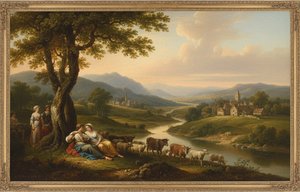
Idyllic Visions: Exploring the Pastoral Tradition in Western Art – Themes, Techniques & Enduring Appeal
Explore the rich history of pastoral art from classical Arcadia to contemporary interpretations. Discover key artists, themes & collecting tips at OriginalUniqueArt.
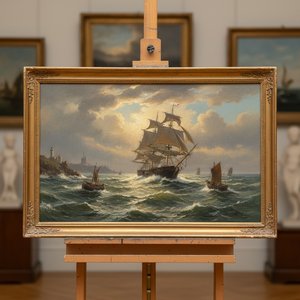
Henry Thomas Dawson: Navigating Light, Sea & Sentiment in Victorian Marine Painting
Explore the captivating world of Henry Thomas Dawson (1811-1878), a master of Victorian marine painting. Discover his evocative coastal scenes, landscapes & lasting artistic legacy. Learn about collecting Dawson's work and find reproductions at OriginalUniqueArt.
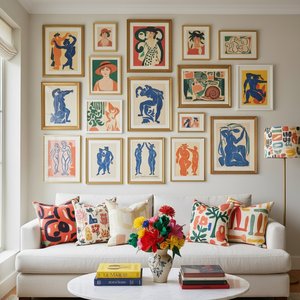
Henri Matisse: 25 Arcydzieł Koloru i Inspiracji | OriginalUniqueArt.com
Odkryj 25 arcydzieł Henri Matisse’a – od żywych kolorów fauwizmu po ikoniczne kompozycje. Poznaj historię, technikę i inspiracje malarstwa francuskiego. Reprodukcje obrazów najwyższej jakości na OriginalUniqueArt.com! Eksploruj kolekcję online.