

 Zobacz w skali 1:1
 Wyślij
 Udostępnij
 Szczegóły
 Przewodnik

 Pobierz plik obrazu
 Podobne obiekty
 RTG
RTG Pokaz slajdów
 Statystyki
The Lemon Tree


 Czytaj więcej
Ręcznie malowana reprodukcja olejowa
Ręcznie malowany obraz olejny na płótnie, wykonany na zamówienie przez naszych artystów w wybranym przez Ciebie wymiarze i oprawie. ( Przełącz na wersję drukowaną Przełącz na wersję cyfrową)




P118B zł10

P118H zł10

P118W zł10

P438Z zł10

P508JH zł12

P508YH zł12

P805H zł10

P805Z zł10

P919BZ zł10

P919G zł10

P919XJ zł10

P959ZH zł10

P968JZ zł12

W106C zł8

W218G zł10

W218JH zł8

W218Y zł10

W307PJ zł10

W316G zł10

W316PJ zł8

W316Y zł10

W398PJ zł8

W4111J zł10

W500HY zł15

W500JH zł15

W692G zł12

W849H zł8

W940BG zł15

W953PJ zł8




Wybierz spośród naszych standardowych rozmiarów, które zachowują oryginalne proporcje dzieła sztuki.

Wpisz wymaganą szerokość i wysokość, aby obraz pasował do Twojej ramy lub ściany. Ponieważ jest to dzieło malowane ręcznie, w przypadku rozmiaru o innym proporcji artysta może domalować nieco więcej wokół obrazu lub przyciąć fragmenty — wybór należy do Ciebie. Przed rozpoczęciem pracy prześlemy Ci cyfrową wizualizację do zatwierdzenia. Obraz widoczny na tej stronie nie przedstawia rzeczywistego efektu — jedynie wizualizacja oddaje realny rezultat.
Po złożeniu zamówienia zespół OriginalUniqueArt.com skontaktuje się z klientem drogą mailową w celu uzyskania instrukcji i prześle wizualizację projektu
Dostawa na całym świecie () w ciągu 3–4 tygodni zamiast standardowych 5 tygodni. (23 Październik). Bez kompromisów w kwestii jakości.

Bezpłatna ekspresowa wysyłka na cały świat

Wysokiej jakości płótno lniane

Pełne ubezpieczenie transportowe

Gwarancja zwrotu należności celnych i podatków importowych

Gwarancja idealnego odwzorowania barw

100-dniowy okres na zwrot dzieła w przypadku wykrycia wad produkcyjnych

Gwarancja 100% zwrotu pieniędzy

Oferta przy zakupie wielu sztuk
 Opcja ze szkłem jest dostępna wyłącznie w rozmiarach poniżej 110 cm

The Lemon Tree
Technika wykonania
Rozmiar reprodukcji
-


Suma do zapłaty
zł 1155
A Sun-Drenched Symphony of Color and Light
In the luminous realm of Henry Scott Tuke’s The Lemon Tree, the viewer is immediately transported to a Mediterranean-inspired sanctuary where the boundaries between nature and tranquility dissolve. This exquisite oil on canvas serves as a breathtaking testament to the artist's mastery of light, presenting a central lemon tree that acts as a vibrant anchor for the entire composition. The fruit itself—heavy, ripe, and bursting with a brilliant yellow hue—seems to glow from within, casting a warm radiance across the scene. Tuke’s ability to capture the tactile essence of the citrus, from the textured rind to the delicate weight of the branches, creates an immersive sensory experience that invites the observer to step directly into this sun-soaked grove.
Beyond the mere depiction of flora, the painting weaves a complex tapestry of texture and depth. The artist employs a technique where bold yet delicate brushstrokes dance across the canvas, defining the intricate network of leaves and branches with an almost rhythmic precision. This interplay of light and shadow creates a profound sense of dimensionality; one can almost feel the warmth of the sun filtering through the canopy. Scattered amongst the lemons, hints of oranges add unexpected pops of color, enriching the palette and contributing to a lush, bountiful atmosphere that celebrates the fecundity of the natural world.
The Human Element and the Impressionist Spirit
While the lemon tree commands the spotlight, Tuke subtly integrates human presence to breathe life and narrative into the landscape. Two figures are positioned within the scene—one standing near the left periphery and another nestled further back on the right—acting as quiet observers of this natural splendor. These figures do not dominate the work; rather, they serve as a bridge between humanity and the wild beauty of the earth, suggesting a moment of peaceful coexistence and quiet contemplation. Their presence adds a layer of storytelling, transforming a botanical study into a lived experience, where the scale of nature is both celebrated and respected.
As a prominent figure associated with the Newlyn School, Tuke brought an en plein air sensibility to his work, a technique heavily influenced by his time in Paris. This influence is palpable in The Lemon Tree through its vibrant, impressionistic use of color and its focus on capturing the fleeting effects of natural light. For collectors and interior designers alike, this piece offers more than just visual beauty; it provides an emotional anchor for any space. The painting’s ability to evoke feelings of serenity, warmth, and vitality makes it a timeless choice for those seeking to infuse their environments with the restorative power of classical Impressionism.
Whether viewed as a study of botanical brilliance or a poetic meditation on summer afternoons, this masterpiece remains an enduring jewel of British art. It stands as a perfect acquisition for the discerning enthusiast who appreciates the delicate balance of technical rigor and emotional resonance, offering a window into a world where nature remains eternally bright and unblemished.
Pytania i odpowiedzi
Jakie emocje wywołuje „The Lemon Tree” autorstwa Henry Scott Tuke?
„The Lemon Tree” budzi Calm uczucia. Ton emocjonalny opisuje wrażenie, jakie wywołuje to dzieło.
W jakim układzie znajduje się „The Lemon Tree” autorstwa Henry Scott Tuke?
Format dzieła „The Lemon Tree” to Landscape. Jest to pomocna informacja podczas planowania miejsca, w którym zostanie umieszczona reprodukcja.
Czy Henry Scott Tuke, twórca "The Lemon Tree", jest znany pod innymi nazwiskami?
Henry Scott Tuke jest znany/a również jako H.S. Tuke.
Biografia artysty
Wczesne lata i edukacja
Henry Scott Tuke, wybitny angielski artysta wizualny, urodził się 12 czerwca 1858 roku w Lawrence Street w Yorku, w rodzinie kwakrów. Jego ojciec, Daniel Hack Tuke, był cenionym lekarzem specjalizującym się w psychiatrii. Wczesne lata życia Tuke'a były naznaczone silnym skłonieniem ku sztuce, co było nieustannie wspierane przez jego bliskich.Kariera artystyczna
Artystyczna podróż Tuke'a rozpoczęła się od przyjęcia do Slade School of Art pod okiem Alphonse'a Legrosa i Sir Edwarda Poynera w 1875 roku. Później zdobył stypendium, które pozwoliło mu kontynuować naukę w Slade oraz we Włoszech w 1880 roku. Jego pobyt w Paryżu w latach 1881–1883, podczas którego nawiązał znajomość z Julesem Bastien-Lepage'em, wpłynął na jego decyzję o malowaniu w plenerze.- Najbardziej znaczące dzieła Henry'ego Scotta Tuke'a utrzymane były w stylu impresjonistycznym.
- Najbardziej znany jest ze swoich obrazów przedstawiających nagich chłopców i młodych mężczyzn – tematyki, która miała dla niego znaczenie zarówno osobiste, jak i zawodowe.
- Prężna kariera Tuke'a zaowocowała ponad 1300 dziełami, w tym obrazami olejnymi przedstawiającymi młodych mężczyzn, sceny morskie oraz portrety żaglowców.
Najważniejsze dzieła i dziedzictwo
Do najbardziej znaczących prac Tuke'a należą:- The Boy’s Dream, przejmujący przykład jego impresjonistycznego stylu.
- August, Blue, ukazujący jego niezwykłą umiejętność chwytania esencji młodości i natury.
- Sailing Ships at Newlyn, podkreślający jego kunszt marynistyczny.
Późniejsze lata i śmierć
Tuke doznał zawału serca w 1928 roku i zmarł 13 marca 1929 roku. Mimo świadomości, że pod koniec życia jego twórczość nie była już uznawana za modną, hojność Tuke'a wobec swoich modeli – wielu z których było młodymi mężczyznami – mówi wiele o jego szlachetnym charakterze.- Zobacz więcej dzieł Henry'ego Scotta Tuke'a na https://OriginalUniqueArt.com/@/henryscotttuke
- Poznaj ruch impresjonistyczny i jego wybitnych artystów pod adresem /en/art/list/
- Dowiedz się więcej o życiu i sztuce Tuke'a na Wikipedia

Henry Scott Tuke
1858 - 1929 , Wielka Brytania
Najważniejsze informacje
- Artistic Movement Or Style: Impressionizm
- Artists Or Movements Influenced By This Artist: ['Newlyn School']
- Artists Who Influenced This Artist:
- Alphonse Legros
- Sir Edward Poynter
- Date Of Birth: 1858
- Date Of Death: 1929
- Full Name: Henry Scott Tuke
- Nationality: Brytyjski
- Notable Artworks:
- The Boy’s Dream
- August
- Sailing Ships at Newlyn
- Place Of Birth: York, Wielka Brytania
Zobacz także powiązane artykuły
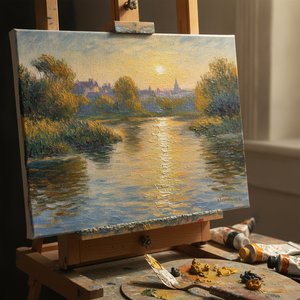
The Soul of Impressionism: Why Oil on Canvas Captures Eternal Light and Timeless Emotion
Discover the enchanting alchemy of Impressionism. Explore how the mastery of oil on canvas, through glazing and impasto, captures eternal light and emotion. Perfect for lovers of Monet and Van Gogh seeking the profound depth of hand-painted fine art.

Paul Cézanne: 25 Arcydzieł, które Zrewolucjonizowały Świat Sztuki | OriginalUniqueArt
Odkryj 25 arcydzieł Paula Cézanne'a – od impresjonizmu po postimpresjonizm. Poznaj historie, techniki i inspiracje malarza, który zrewolucjonizował sztukę. Reprodukcje obrazów najwyższej jakości na OriginalUniqueArt.com!
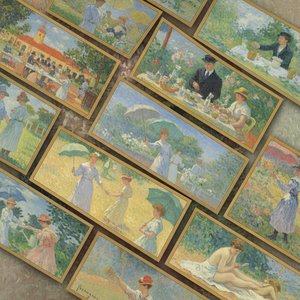
Pierre-Auguste Renoir: 25 Arcydzieł Pełnych Światła i Uroków | OriginalUniqueArt.com
Odkryj 25 najpiękniejszych obrazów Pierre’a-Auguste Renoir! Poznaj historię impresjonizmu, światło w jego malarstwie i arcydzieła takie jak 'Taniec w Le Moulin de la Galette'. Reprodukcje najwyższej jakości na OriginalUniqueArt.com – inspiracje dla Twojego wnętrza.
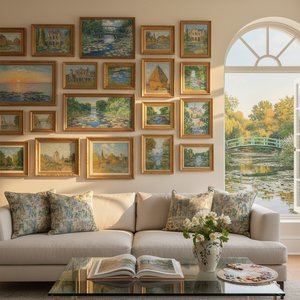
Claude Monet: 25 Najlepszych Arcydzieł Impresjonizmu | Reprodukcje Obrazów Online
Odkryj 25 najpiękniejszych arcydzieł Claude Moneta – impresjonistycznych pejzaży, nymfeii i słonecznych krajobrazów. Poznaj historię sztuki i zainspiruj się do dekoracji wnętrz z OriginalUniqueArt.com! Eksploruj pełną kolekcję online.
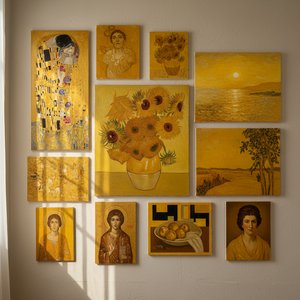
Top 10 Sławnych Obrazów w Odcieniach Ochry Żółtej – Sztuka i Dekoracja Domu
Odkryj 10 najsłynniejszych obrazów w odcieniach ochry żółtej! Van Gogh, Monet i inni mistrzowie. Poznaj historię sztuki, inspiracje kolorystyczne i techniki malarskie. Reprodukcje najwyższej jakości na OriginalUniqueArt.com – udekoruj swój dom arcydziełami!