

 Zobacz w skali 1:1
 Wyślij
 Udostępnij
 Szczegóły
 Przewodnik

 Pobierz plik obrazu
 Podobne obiekty
 RTG
RTG Pokaz slajdów
 Statystyki
Mrs Florence Humphris


 Czytaj więcej
Giclée / Wydruk artystyczny
Wydruki giclée lub płótna o jakości muzealnej, szybka realizacja i szeroki wybór opcji wykończenia. ( Kup ręcznie malowany obraz Przełącz na wersję cyfrową)




P118B zł10

P118H zł10

P118W zł10

P438Z zł10

P508JH zł12

P508YH zł12

P805H zł10

P805Z zł10

P919BZ zł10

P919G zł10

P919XJ zł10

P959ZH zł10

P968JZ zł12

W106C zł8

W218G zł10

W218JH zł8

W218Y zł10

W307PJ zł10

W316G zł10

W316PJ zł8

W316Y zł10

W398PJ zł8

W4111J zł10

W500HY zł15

W500JH zł15

W692G zł12

W849H zł8

W940BG zł15

W953PJ zł8




Wybierz spośród naszych standardowych rozmiarów, które zachowują oryginalne proporcje dzieła sztuki.

Wpisz wymaganą szerokość i wysokość, aby dopasować grafikę do ramy lub ściany. Wydruk można jedynie przyciąć, nigdy nie powiększając go poza oryginalny obraz, dlatego format o innym proporcji spowoduje utratę części kompozycji. Przed rozpoczęciem druku prześlemy Ci cyfrowy podgląd do zatwierdzenia. Obraz wyświetlany na tej stronie nie pokazuje rzeczywistego przycięcia — jedynie podgląd oddaje ten efekt.
Dostawa na cały świat () w ciągu 2 tygodni zamiast standardowych 4/5 tygodni. (23 Październik)

Bezpłatna ekspresowa wysyłka na cały świat

Wysokiej jakości płótno lniane

Pełne ubezpieczenie transportowe

Gwarancja zwrotu należności celnych i podatków importowych

Gwarancja idealnego odwzorowania barw

100-dniowy okres na zwrot dzieła w przypadku wykrycia wad produkcyjnych

Gwarancja 100% zwrotu pieniędzy

Oferta przy zakupie wielu sztuk
 Opcja ze szkłem jest dostępna wyłącznie w rozmiarach poniżej 110 cm

Mrs Florence Humphris
Giclée / Wydruk artystyczny
Rozmiar reprodukcji
-


Suma do zapłaty
zł 308
A Portrait of Quiet Grace: Exploring ‘Mrs Florence Humphris’
Henry Scott Tuke's “Mrs Florence Humphris,” painted in 1892, is more than just a portrait; it’s a carefully constructed tableau of Victorian sensibility and subtle emotional depth. The artwork immediately draws the viewer into a scene of contemplative serenity, anchored by the dignified presence of Mrs. Humphris herself. Tuke, a key figure within the Newlyn School movement, masterfully employs impressionistic techniques to capture not just her likeness but also an atmosphere—a sense of quiet contemplation and understated beauty that speaks volumes about the era.
The composition is remarkably balanced, centering Mrs. Humphris within a dark, almost velvety background. This strategic use of darkness serves to heighten the luminosity of her figure, directing our attention entirely to her face – a study in delicate features and a hint of melancholy. The loose brushstrokes, characteristic of Tuke’s style, create a sense of movement and vibrancy, particularly evident in the folds of her dress and the suggestion of light playing across her skin. The palette is restrained, dominated by muted greens, browns, and creams, lending the painting an air of timelessness and sophistication.
An Artist's Family Legacy
Understanding Tuke’s artistic journey requires acknowledging his deeply rooted family history. Born into a prominent Quaker lineage – a family renowned for its commitment to social reform and humane treatment – Henry Scott Tuke inherited not only an appreciation for art but also a strong sense of ethical responsibility. His father, Daniel Hack Tuke, was a pioneering psychiatrist who established the Retreat at York, one of the first modern asylums dedicated to providing compassionate care for individuals with mental illness. This familial legacy undoubtedly influenced Tuke’s artistic sensibilities, imbuing his work with a quiet dignity and an empathetic gaze.
The portrait itself is believed to be a tribute to Mrs. Humphris, a woman of considerable social standing within her community. The pearl necklace she wears – a subtle yet significant detail – speaks to her wealth and status, while the gentle expression on her face suggests a quiet strength and inner peace. It’s a testament to Tuke's ability to capture not just physical appearance but also the essence of his subject’s character.
Impressionistic Techniques & Symbolism
Tuke’s masterful use of light is central to the painting’s impact. The directional lighting, originating from the left, sculpts Mrs. Humphris's face and upper body, creating a dramatic interplay of shadows and highlights. This technique not only adds depth and realism but also evokes a sense of mood—a subtle melancholy that permeates the scene. The loose brushwork, a hallmark of impressionism, contributes to this effect, suggesting movement and capturing the fleeting quality of light.
Beyond its technical brilliance, “Mrs Florence Humphris” is rich in symbolism. The muted color palette, reminiscent of a late afternoon sun, evokes feelings of nostalgia and tranquility. The dark background serves as a visual anchor, emphasizing Mrs. Humphris’s presence and drawing the viewer into her world. Even the simple act of sitting quietly, absorbed in thought, carries symbolic weight—a representation of Victorian ideals of domesticity and refined sensibility.
A Timeless Masterpiece
“Mrs Florence Humphris” remains a captivating work of art, offering a glimpse into the social and artistic landscape of late 19th-century England. Tuke’s ability to capture both physical likeness and emotional depth is truly remarkable, resulting in a portrait that transcends mere representation and becomes a poignant meditation on beauty, grace, and the quiet dignity of human experience. It's a piece that continues to resonate with viewers today, inviting us to contemplate its subtle complexities and appreciate the enduring power of art.
Pytania i odpowiedzi
Gdzie można obecnie zobaczyć dzieło „Mrs Florence Humphris” autorstwa Henry Scott Tuke?
Oryginał dzieła „Mrs Florence Humphris” autorstwa Henry Scott Tuke znajduje się w Tate Britain, Londyn, Wielka Brytania. Reprodukcja pozwala na eksponowanie pracy w domu.
W jaki sposób mogę uzyskać plik cyfrowy dzieła „Mrs Florence Humphris” autorstwa Henry Scott Tuke?
„Mrs Florence Humphris” jest dostępny jako wysokiej rozdzielczości cyfrowe zdjęcie do pobrania, można go nabyć bezpośrednio na stronie Obraz cyfrowy.
Kto sprzedaje ręcznie malowane reprodukcje dzieła „Mrs Florence Humphris” autorstwa Henry Scott Tuke?
"Mrs Florence Humphris" jest dostępny jako ręcznie malowana reprodukcja olejowa na płótnie lnianym. Zamówienie można złożyć na stronie Ręcznie malowana reprodukcja, wybierając preferowany rozmiar.
Biografia artysty
Wczesne lata i edukacja
Henry Scott Tuke, wybitny angielski artysta wizualny, urodził się 12 czerwca 1858 roku w Lawrence Street w Yorku, w rodzinie kwakrów. Jego ojciec, Daniel Hack Tuke, był cenionym lekarzem specjalizującym się w psychiatrii. Wczesne lata życia Tuke'a były naznaczone silnym skłonieniem ku sztuce, co było nieustannie wspierane przez jego bliskich.Kariera artystyczna
Artystyczna podróż Tuke'a rozpoczęła się od przyjęcia do Slade School of Art pod okiem Alphonse'a Legrosa i Sir Edwarda Poynera w 1875 roku. Później zdobył stypendium, które pozwoliło mu kontynuować naukę w Slade oraz we Włoszech w 1880 roku. Jego pobyt w Paryżu w latach 1881–1883, podczas którego nawiązał znajomość z Julesem Bastien-Lepage'em, wpłynął na jego decyzję o malowaniu w plenerze.- Najbardziej znaczące dzieła Henry'ego Scotta Tuke'a utrzymane były w stylu impresjonistycznym.
- Najbardziej znany jest ze swoich obrazów przedstawiających nagich chłopców i młodych mężczyzn – tematyki, która miała dla niego znaczenie zarówno osobiste, jak i zawodowe.
- Prężna kariera Tuke'a zaowocowała ponad 1300 dziełami, w tym obrazami olejnymi przedstawiającymi młodych mężczyzn, sceny morskie oraz portrety żaglowców.
Najważniejsze dzieła i dziedzictwo
Do najbardziej znaczących prac Tuke'a należą:- The Boy’s Dream, przejmujący przykład jego impresjonistycznego stylu.
- August, Blue, ukazujący jego niezwykłą umiejętność chwytania esencji młodości i natury.
- Sailing Ships at Newlyn, podkreślający jego kunszt marynistyczny.
Późniejsze lata i śmierć
Tuke doznał zawału serca w 1928 roku i zmarł 13 marca 1929 roku. Mimo świadomości, że pod koniec życia jego twórczość nie była już uznawana za modną, hojność Tuke'a wobec swoich modeli – wielu z których było młodymi mężczyznami – mówi wiele o jego szlachetnym charakterze.- Zobacz więcej dzieł Henry'ego Scotta Tuke'a na https://OriginalUniqueArt.com/@/henryscotttuke
- Poznaj ruch impresjonistyczny i jego wybitnych artystów pod adresem /en/art/list/
- Dowiedz się więcej o życiu i sztuce Tuke'a na Wikipedia

Henry Scott Tuke
1858 - 1929 , Wielka Brytania
Najważniejsze informacje
- Artistic Movement Or Style: Impressionizm
- Artists Or Movements Influenced By This Artist: ['Newlyn School']
- Artists Who Influenced This Artist:
- Alphonse Legros
- Sir Edward Poynter
- Date Of Birth: 1858
- Date Of Death: 1929
- Full Name: Henry Scott Tuke
- Nationality: Brytyjski
- Notable Artworks:
- The Boy’s Dream
- August
- Sailing Ships at Newlyn
- Place Of Birth: York, Wielka Brytania
Zobacz także powiązane artykuły

Olej na płótnie: Historia, techniki i ponadczasowy urok malarskiego medium
Poznaj historię i techniki malarstwa olejowego! Od renesansowych mistrzów po współczesne zastosowania – wszystko o oleju na płótnie. Poradniki, konserwacja i inspiracje dla pasjonatów sztuki.

The Enduring Power of Painting: A Historical & Contemporary Exploration of Form and Emotion
Explore the rich history & enduring techniques of oil painting with OriginalUniqueArt. Discover masterpieces, learn about art collecting, and find authentic handmade reproductions crafted by skilled artists.

Henri Matisse: 25 Arcydzieł Koloru i Inspiracji | OriginalUniqueArt.com
Odkryj 25 arcydzieł Henri Matisse’a – od żywych kolorów fauwizmu po ikoniczne kompozycje. Poznaj historię, technikę i inspiracje malarstwa francuskiego. Reprodukcje obrazów najwyższej jakości na OriginalUniqueArt.com! Eksploruj kolekcję online.

Trwała Spuścizna Malarstwa Olejnego: Technika, Historia i Estetyczny Wpływ
Poznaj historię i technikę malarstwa olejnego! Eksperckie artykuły o konserwacji, renowacji oraz współczesnych zastosowaniach. Dowiedz się więcej o mistrzach i trwałości obrazów olejnych.
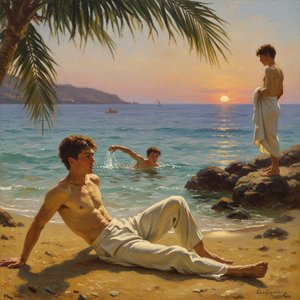
Henry Scott Tuke: Sunlit Masculinity & the Pastoral Ideal in Victorian Painting
Explore the captivating world of Henry Scott Tuke's paintings – a master of British Impressionism renowned for his intimate depictions of youth and sunlit maritime scenes. Discover his legacy & aesthetic influence.