

 Zobacz w skali 1:1
 Wyślij
 Udostępnij
 Szczegóły
 Przewodnik

 Pobierz plik obrazu
 Podobne obiekty
 RTG
RTG Pokaz slajdów
 Statystyki
Mrs H.W. Lauzun


 Czytaj więcej
Giclée / Wydruk artystyczny
Wydruki giclée lub płótna o jakości muzealnej, szybka realizacja i szeroki wybór opcji wykończenia. ( Kup ręcznie malowany obraz Przełącz na wersję cyfrową)




P118B $10

P118H $10

P118W $10

P438Z $10

P508JH $12

P508YH $12

P805H $10

P805Z $10

P919BZ $10

P919G $10

P919XJ $10

P959ZH $10

P968JZ $12

W106C $8

W218G $10

W218JH $8

W218Y $10

W307PJ $10

W316G $10

W316PJ $8

W316Y $10

W398PJ $8

W4111J $10

W500HY $15

W500JH $15

W692G $12

W849H $8

W940BG $15

W953PJ $8




Wybierz spośród naszych standardowych rozmiarów, które zachowują oryginalne proporcje dzieła sztuki.

Możesz wprowadzić własne wymiary, aby dopasować dzieło do konkretnej ramy lub przestrzeni. Jeśli wybrany rozmiar nie będzie odpowiadał proporcjom oryginalnego obrazu, przytniecie dzieło lub rozszerzymy obraz za pomocą odbicia lustrzanego lub jednolitego wypełnienia krawędzi. Przed rozpoczęciem produkcji prześlemy cyfrową wizualizację do Twojej akceptacji.
Prosimy pamiętać, że podgląd na ekranie nie odzwierciedla faktycznego przycinania ani rozszerzania. Tylko wizualizacja dokładnie pokaże końcową kompozycję.
Mimo dostępności niestandardowych rozmiarów, zalecamy wybór wymiaru z listy zdefiniowanej, aby zachować oryginalne proporcje.
Dostawa na cały świat () w ciągu 2 tygodni zamiast standardowych 4/5 tygodni. (27 Wrzesień)

Bezpłatna ekspresowa wysyłka na cały świat

Wysokiej jakości płótno lniane

Pełne ubezpieczenie transportowe

Gwarancja zwrotu należności celnych i podatków importowych

Gwarancja idealnego odwzorowania barw

100-dniowy okres na zwrot dzieła w przypadku wykrycia wad produkcyjnych

Gwarancja 100% zwrotu pieniędzy

Oferta przy zakupie wielu sztuk
 Opcja ze szkłem jest dostępna wyłącznie w rozmiarach poniżej 110 cm

Mrs H.W. Lauzun
Giclée / Wydruk artystyczny
Rozmiar reprodukcji
-


Suma do zapłaty
$ 80
A Portrait Steeped in Elegance: Exploring Henry Raeburn’s ‘Mrs H.W. Lauzun’
The Tate Gallery holds within its walls a treasure trove of artistic achievement, and amongst its celebrated canvases stands ‘Mrs H.W. Lauzun,’ painted by Sir Henry Raeburn in 1796. More than just a depiction of a woman—Lady Lauzun herself—the portrait embodies the spirit of Georgian Britain, reflecting an era defined by aristocratic grandeur and a profound appreciation for refined aesthetics. It’s a painting that invites contemplation, prompting us to consider not merely what we see but also what it communicates about its subject and the cultural milieu from which it emerged. Raeburn's mastery lies in his ability to convey character through meticulous observation and skillful technique. He employed oil paint on canvas—a favored medium for portraiture at the time—allowing him to achieve a luminous surface texture that captures subtle nuances of light and shadow. The artist’s palette was restrained, dominated by muted golds and creams, colors deliberately chosen to illuminate Lady Lauzun's face and gown with an ethereal glow. This careful consideration of color contributes significantly to the painting’s overall mood—one of serenity and dignified composure. The composition itself is thoughtfully balanced, adhering to classical principles of symmetry. Lady Lauzun occupies the central space, positioned squarely before a stylized tree – a motif frequently utilized in portraiture during this period to symbolize strength, resilience, and connection to nature. Her gaze directs firmly toward the viewer, establishing an intimate dialogue between subject and observer—a hallmark of Raeburn’s artistic style. The artist skillfully rendered her drapery, capturing the folds and textures with remarkable precision, demonstrating a dedication to realism that distinguishes his work from more decorative styles prevalent elsewhere. Beyond its technical brilliance, ‘Mrs H.W. Lauzun’ resonates deeply with symbolic meaning. The tree represents Lady Lauzun's unwavering fortitude amidst societal pressures—a woman of considerable influence who navigated the complexities of aristocratic life with grace and determination. Furthermore, the white gown symbolizes purity and virtue – qualities highly valued within Georgian society. These subtle emblems elevate the portrait beyond mere likeness, transforming it into a statement about moral character and social standing. Ultimately, ‘Mrs H.W. Lauzun’ succeeds in capturing not only Lady Lauzun's physical appearance but also her inner essence—a woman radiating confidence and dignity. It remains an enduring testament to Henry Raeburn’s artistic vision and his profound understanding of the human condition. Its quiet beauty continues to inspire art lovers today, reminding us that true artistry resides in conveying emotion and intellect with understated elegance.- Artist: Sir Henry Raeburn
- Year Painted: 1796
- Medium: Oil on Canvas
- Location: Tate Gallery, London
Biografia artysty
A Scottish Master of Realism: The Life and Art of Sir Henry Raeburn
Sir Henry Raeburn, a name synonymous with the vibrant spirit of 18th-century Scotland, was more than just a portrait painter; he was a cultural observer, a psychological explorer, and a revolutionary in his approach to capturing the essence of his subjects. Born into a modest background amidst the burgeoning Enlightenment, Raeburn’s journey from an orphaned boy to one of Britain's most celebrated artists is a testament to his innate talent, relentless dedication, and a profound understanding of human character. His story unfolds not just as a chronicle of artistic development but also as a reflection of a nation forging its own identity.Early Life and Artistic Beginnings
Henry Raeburn’s early life was marked by both hardship and opportunity. Born in Stockbridge, a district of Edinburgh in 1756, he experienced the profound loss of his parents at just six years old, an event that profoundly shaped his outlook on life. Raised by his elder brother, William, who secured him an education at Heriot’s Hospital – a prestigious institution renowned for its classical training – Raeburn initially pursued a path in goldsmithing, a skill he honed with meticulous precision. However, it was during this apprenticeship that his artistic inclinations began to blossom, particularly through miniature painting. He found himself drawn to the intricate detail and delicate craftsmanship of creating tiny portraits on ivory, revealing an innate talent for capturing likenesses with remarkable accuracy and sensitivity. This early work demonstrated not only technical skill but also a keen eye for observation – a quality that would become central to his later artistic practice.From Edinburgh’s Shadows to Roman Inspiration
Raeburn's artistic trajectory took a decisive turn when he married Ann Edgar in 1778, a union that provided him with the financial stability necessary to dedicate himself fully to painting. He began studying the works of David Martin, a respected portraitist in Edinburgh, but it was his brief sojourn to Italy in 1784-86 that truly ignited his artistic vision. During this time, he immersed himself in the art and culture of Rome, encountering masters like Gavin Hamilton and Pompeo Batoni – artists whose bold use of light, dramatic compositions, and psychological insight profoundly influenced his own style. He meticulously copied works by these Italian masters, absorbing their techniques and developing a deeper understanding of how to convey emotion and character through paint. This Roman experience served as a crucial catalyst, transforming Raeburn from a promising craftsman into a confident and innovative artist.The Development of a Distinctive Style
Returning to Edinburgh in 1786, Raeburn quickly established himself as the leading portrait painter of his time. Unlike many of his contemporaries who adhered to the formal conventions of aristocratic portraiture, Raeburn embraced a more direct and uninhibited approach. He eschewed elaborate backgrounds and idealized poses, instead focusing on capturing the individual’s personality, status, and even their mood with remarkable immediacy. His technique was characterized by bold brushstrokes, dramatic lighting effects – often utilizing *chiaroscuro* to create depth and intensity – and a willingness to experiment with unconventional compositions. He famously painted directly onto the canvas without preliminary sketches, relying on his intuition and observational skills to guide his hand. This spontaneous style, coupled with his deep understanding of human psychology, resulted in portraits that were both strikingly realistic and profoundly engaging. Works like *The Young Polo Player* exemplify this approach, capturing not just a likeness but also the energy and exuberance of youth.Recognition and Legacy
Raeburn’s artistic success was quickly recognized by Edinburgh society, and he became a sought-after portraitist for prominent figures from all walks of life – including Adam Smith, David Hume, and numerous members of the Scottish aristocracy. In 1815, he was elected to the Royal Academy in London, a momentous achievement that cemented his reputation as one of Britain’s leading artists. Shortly before his death in 1823, he was knighted by King George IV and appointed His Majesty's Limner for Scotland – a testament to his enduring influence on British art. Today, Raeburn’s paintings are celebrated for their realism, psychological insight, and masterful technique. They offer a unique glimpse into the lives and personalities of 18th-century Scotland, preserving a vibrant record of a nation in transition. His legacy continues to inspire artists and scholars alike, ensuring that Sir Henry Raeburn remains a pivotal figure in the history of British art.- His dedication to realism and psychological insight set him apart from many of his contemporaries.
- He helped establish a distinctly Scottish identity within British art.
- His masterful technique continues to be studied and admired by artists and scholars alike.

Henryk Raeburn
1756 - 1823 , Szkocja
Najważniejsze informacje
- Artistic Movement Or Style: Portretystyka, Realizm
- Artists Or Movements Influenced By This Artist: ['Szkocka sztuka']
- Artists Who Influenced This Artist:
- David Martin
- Joshua Reynolds
- Date Of Birth: 4 marca 1756
- Date Of Death: 8 lipca 1823
- Full Name: Henry Raeburn
- Nationality: Szkocki
- Notable Artworks:
- Młody gracz w polo
- Alexander Allan
- Sir John Hay
- Place Of Birth: Stockbridge, UK
Zobacz także powiązane artykuły

Henry Raeburn Dobson: A Scottish Colourist Bridging Tradition & Modernity
Explore the life & work of Henry Raeburn Dobson, a key figure bridging Scottish tradition & modern art. Discover his neoclassical portraits, landscapes, and connection to the Colourists. Learn about collecting his works.

Olej na płótnie: Historia, techniki i ponadczasowy urok malarskiego medium
Poznaj historię i techniki malarstwa olejowego! Od renesansowych mistrzów po współczesne zastosowania – wszystko o oleju na płótnie. Poradniki, konserwacja i inspiracje dla pasjonatów sztuki.

Trwała Spuścizna Malarstwa Olejnego: Technika, Historia i Estetyczny Wpływ
Poznaj historię i technikę malarstwa olejnego! Eksperckie artykuły o konserwacji, renowacji oraz współczesnych zastosowaniach. Dowiedz się więcej o mistrzach i trwałości obrazów olejnych.
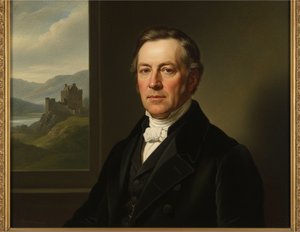
Henry Raeburn: A Scottish Portraitist's Mastery of Light, Character & National Identity
Explore the life & work of Henry Raeburn, a master Scottish portraitist. Discover his innovative techniques, captivating portraits of the Enlightenment era, and lasting legacy in art history. Learn more at OriginalUniqueArt.
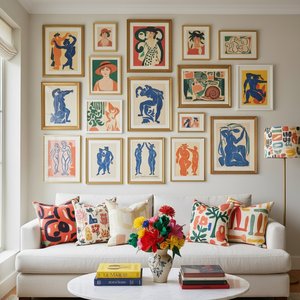
Henri Matisse: 25 Arcydzieł Koloru i Inspiracji | OriginalUniqueArt.com
Odkryj 25 arcydzieł Henri Matisse’a – od żywych kolorów fauwizmu po ikoniczne kompozycje. Poznaj historię, technikę i inspiracje malarstwa francuskiego. Reprodukcje obrazów najwyższej jakości na OriginalUniqueArt.com! Eksploruj kolekcję online.