

 Zobacz w skali 1:1
 Wyślij
 Udostępnij
 Szczegóły
 Przewodnik

 Pobierz plik obrazu
 Podobne obiekty
 RTG
RTG Pokaz slajdów
 Statystyki
Mrs Downey


 Czytaj więcej
Giclée / Wydruk artystyczny
Wydruki giclée lub płótna o jakości muzealnej, szybka realizacja i szeroki wybór opcji wykończenia. ( Kup ręcznie malowany obraz Przełącz na wersję cyfrową)




P118B zł10

P118H zł10

P118W zł10

P438Z zł10

P508JH zł12

P508YH zł12

P805H zł10

P805Z zł10

P919BZ zł10

P919G zł10

P919XJ zł10

P959ZH zł10

P968JZ zł12

W106C zł8

W218G zł10

W218JH zł8

W218Y zł10

W307PJ zł10

W316G zł10

W316PJ zł8

W316Y zł10

W398PJ zł8

W4111J zł10

W500HY zł15

W500JH zł15

W692G zł12

W849H zł8

W940BG zł15

W953PJ zł8




Wybierz spośród naszych standardowych rozmiarów, które zachowują oryginalne proporcje dzieła sztuki.

Wpisz wymaganą szerokość i wysokość, aby dopasować grafikę do ramy lub ściany. Wydruk można jedynie przyciąć, nigdy nie powiększając go poza oryginalny obraz, dlatego format o innym proporcji spowoduje utratę części kompozycji. Przed rozpoczęciem druku prześlemy Ci cyfrowy podgląd do zatwierdzenia. Obraz wyświetlany na tej stronie nie pokazuje rzeczywistego przycięcia — jedynie podgląd oddaje ten efekt.
Dostawa na cały świat () w ciągu 2 tygodni zamiast standardowych 4/5 tygodni. (24 Październik)

Bezpłatna ekspresowa wysyłka na cały świat

Wysokiej jakości płótno lniane

Pełne ubezpieczenie transportowe

Gwarancja zwrotu należności celnych i podatków importowych

Gwarancja idealnego odwzorowania barw

100-dniowy okres na zwrot dzieła w przypadku wykrycia wad produkcyjnych

Gwarancja 100% zwrotu pieniędzy

Oferta przy zakupie wielu sztuk
 Opcja ze szkłem jest dostępna wyłącznie w rozmiarach poniżej 110 cm

Mrs Downey
Giclée / Wydruk artystyczny
Rozmiar reprodukcji
-


Suma do zapłaty
zł 307
A Window into Georgian Elegance – Henry Raeburn’s Mrs Downey
Henry Raeburn's “Mrs Downey,” completed around 1787-90, stands as a cornerstone of Scottish portraiture and exemplifies the refined sensibilities of the late Enlightenment. Held proudly within the Tate Gallery’s collection—easily accessible at Tate Britain—this oil on canvas masterpiece transcends mere likeness, offering a glimpse into the social and artistic currents of its time.
Composition & Style: Raeburn’s genius lies in his masterful portrayal of Mrs Downey against a subtly textured backdrop of trees. The subject herself is positioned with poise and confidence—her hands resting gently on her hips—a gesture that speaks volumes about composure and self-assurance. This deliberate framing emphasizes her centrality within the scene, inviting contemplation of her inner life alongside an appreciation for external beauty.
- Chiaroscuro Mastery: Raeburn’s signature technique – chiaroscuro – imbues the painting with dramatic depth and luminosity. Light sculpts Mrs Downey's face and upper torso, highlighting contours and creating a palpable sense of volume that elevates the portrait beyond a simple depiction of appearance.
- Attention to Detail: Like many of Raeburn’s works—including Lady Dalrymple and Henry Mackenzie—this painting showcases an unwavering dedication to meticulous observation. Every element, from Mrs Downey's elegant white hat to the delicate folds of her dress, contributes to a richly textured visual experience.
- Symbolic Significance: The choice of trees as a backdrop isn’t merely decorative; it symbolizes stability and connection to nature—values highly regarded during the Enlightenment period. It subtly reinforces Mrs Downey's status as a woman of virtue and refinement.
Raeburn’s Legacy – A Tradition of Dignified Portraiture
Henry Raeburn’s influence extends far beyond his own canvases. He established himself as the first native Scottish painter to achieve widespread acclaim and royal patronage, marking a pivotal moment in British art history. His approach—characterized by realism combined with an understanding of psychological nuance—became a model for subsequent generations of portrait artists.
Exploring Further: To delve deeper into Raeburn’s artistic vision and his contribution to Scottish culture, visit OriginalUniqueArt to discover exquisite handmade oil painting reproductions of his celebrated works. Alternatively, explore the Tate Gallery website (Tate Britain) and Wikipedia (Wikipedia) for comprehensive biographical information.
Reproductions Available – Bringing Raeburn’s Beauty Home
At OriginalUniqueArt, you can acquire a stunning replica of “Mrs Downey,” allowing yourself to experience the artistry and elegance of Henry Raeburn's oeuvre in your own living space. Each reproduction is crafted with meticulous care by skilled artisans, ensuring exceptional quality and preserving the painting’s original character.
Resources for Art Enthusiasts
Pytania i odpowiedzi
Czy "Mrs Downey" to jedno z najpopularniejszych dzieł Henryk Raeburn?
"Mrs Downey" jest klasyfikowane jako Iconic.
Czy mogę obejrzeć podgląd „Mrs Downey” autorstwa Henryk Raeburn przed złożeniem zamówienia?
Strona podglądu Podgląd dla dzieła „Mrs Downey” umożliwia obejrzenie obrazu przed złożeniem zamówienia.
Czy „Mrs Downey” autorstwa Henryk Raeburn to dzieło o jasnej czy ciemnej kolorystyce?
Zarejestrowane wartości dla „Mrs Downey” autorstwa Henryk Raeburn to: jasność deep_shadow, luminancja Dark.
Biografia artysty
A Scottish Master of Realism: The Life and Art of Sir Henry Raeburn
Sir Henry Raeburn, a name synonymous with the vibrant spirit of 18th-century Scotland, was more than just a portrait painter; he was a cultural observer, a psychological explorer, and a revolutionary in his approach to capturing the essence of his subjects. Born into a modest background amidst the burgeoning Enlightenment, Raeburn’s journey from an orphaned boy to one of Britain's most celebrated artists is a testament to his innate talent, relentless dedication, and a profound understanding of human character. His story unfolds not just as a chronicle of artistic development but also as a reflection of a nation forging its own identity.Early Life and Artistic Beginnings
Henry Raeburn’s early life was marked by both hardship and opportunity. Born in Stockbridge, a district of Edinburgh in 1756, he experienced the profound loss of his parents at just six years old, an event that profoundly shaped his outlook on life. Raised by his elder brother, William, who secured him an education at Heriot’s Hospital – a prestigious institution renowned for its classical training – Raeburn initially pursued a path in goldsmithing, a skill he honed with meticulous precision. However, it was during this apprenticeship that his artistic inclinations began to blossom, particularly through miniature painting. He found himself drawn to the intricate detail and delicate craftsmanship of creating tiny portraits on ivory, revealing an innate talent for capturing likenesses with remarkable accuracy and sensitivity. This early work demonstrated not only technical skill but also a keen eye for observation – a quality that would become central to his later artistic practice.From Edinburgh’s Shadows to Roman Inspiration
Raeburn's artistic trajectory took a decisive turn when he married Ann Edgar in 1778, a union that provided him with the financial stability necessary to dedicate himself fully to painting. He began studying the works of David Martin, a respected portraitist in Edinburgh, but it was his brief sojourn to Italy in 1784-86 that truly ignited his artistic vision. During this time, he immersed himself in the art and culture of Rome, encountering masters like Gavin Hamilton and Pompeo Batoni – artists whose bold use of light, dramatic compositions, and psychological insight profoundly influenced his own style. He meticulously copied works by these Italian masters, absorbing their techniques and developing a deeper understanding of how to convey emotion and character through paint. This Roman experience served as a crucial catalyst, transforming Raeburn from a promising craftsman into a confident and innovative artist.The Development of a Distinctive Style
Returning to Edinburgh in 1786, Raeburn quickly established himself as the leading portrait painter of his time. Unlike many of his contemporaries who adhered to the formal conventions of aristocratic portraiture, Raeburn embraced a more direct and uninhibited approach. He eschewed elaborate backgrounds and idealized poses, instead focusing on capturing the individual’s personality, status, and even their mood with remarkable immediacy. His technique was characterized by bold brushstrokes, dramatic lighting effects – often utilizing *chiaroscuro* to create depth and intensity – and a willingness to experiment with unconventional compositions. He famously painted directly onto the canvas without preliminary sketches, relying on his intuition and observational skills to guide his hand. This spontaneous style, coupled with his deep understanding of human psychology, resulted in portraits that were both strikingly realistic and profoundly engaging. Works like *The Young Polo Player* exemplify this approach, capturing not just a likeness but also the energy and exuberance of youth.Recognition and Legacy
Raeburn’s artistic success was quickly recognized by Edinburgh society, and he became a sought-after portraitist for prominent figures from all walks of life – including Adam Smith, David Hume, and numerous members of the Scottish aristocracy. In 1815, he was elected to the Royal Academy in London, a momentous achievement that cemented his reputation as one of Britain’s leading artists. Shortly before his death in 1823, he was knighted by King George IV and appointed His Majesty's Limner for Scotland – a testament to his enduring influence on British art. Today, Raeburn’s paintings are celebrated for their realism, psychological insight, and masterful technique. They offer a unique glimpse into the lives and personalities of 18th-century Scotland, preserving a vibrant record of a nation in transition. His legacy continues to inspire artists and scholars alike, ensuring that Sir Henry Raeburn remains a pivotal figure in the history of British art.- His dedication to realism and psychological insight set him apart from many of his contemporaries.
- He helped establish a distinctly Scottish identity within British art.
- His masterful technique continues to be studied and admired by artists and scholars alike.

Henryk Raeburn
1756 - 1823 , Szkocja
Najważniejsze informacje
- Artistic Movement Or Style: Portretystyka, Realizm
- Artists Or Movements Influenced By This Artist: ['Szkocka sztuka']
- Artists Who Influenced This Artist:
- David Martin
- Joshua Reynolds
- Date Of Birth: 4 marca 1756
- Date Of Death: 8 lipca 1823
- Full Name: Henry Raeburn
- Nationality: Szkocki
- Notable Artworks:
- Młody gracz w polo
- Alexander Allan
- Sir John Hay
- Place Of Birth: Stockbridge, UK
Zobacz także powiązane artykuły

Henry Raeburn Dobson: A Scottish Colourist Bridging Tradition & Modernity
Explore the life & work of Henry Raeburn Dobson, a key figure bridging Scottish tradition & modern art. Discover his neoclassical portraits, landscapes, and connection to the Colourists. Learn about collecting his works.

Henri Matisse: 25 Arcydzieł Koloru i Inspiracji | OriginalUniqueArt.com
Odkryj 25 arcydzieł Henri Matisse’a – od żywych kolorów fauwizmu po ikoniczne kompozycje. Poznaj historię, technikę i inspiracje malarstwa francuskiego. Reprodukcje obrazów najwyższej jakości na OriginalUniqueArt.com! Eksploruj kolekcję online.
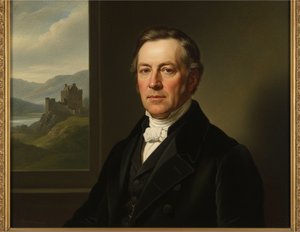
Henry Raeburn: A Scottish Portraitist's Mastery of Light, Character & National Identity
Explore the life & work of Henry Raeburn, a master Scottish portraitist. Discover his innovative techniques, captivating portraits of the Enlightenment era, and lasting legacy in art history. Learn more at OriginalUniqueArt.

The Enduring Legacy of Fine Art Prints: Technique, History & Aesthetic Impact
Explore the rich history & techniques of fine art prints. Discover investment potential, assess authenticity, and learn how to preserve your collection with expert guidance. Trusted insights for discerning collectors.

Odbitki Giclée: Jakość Archiwalna i Estetyczne Niuanse dla Wymagającego Kolekcjonera
Poznaj sekrety druku giclée – technologii zapewniającej najwyższą jakość reprodukcji sztuki i trwałość archiwalaną. Poradnik dla wymagających kolekcjonerów o wyborze papieru, tuszy i profilach kolorystycznych.