Modernism
Sculptural Objects (Cramer 47) (Henry Moore)
Henry Moore (1898–1986) stworzył Sculptural Objects (Cramer 47). Należy do nurtu Modernism. Wykonano w technice Painting.
- Painting

 Podgląd w skali 1:1

 Ręcznie malowany obraz olejny
 Wyślij jako kartkę
 Udostępnij
 Karta informacyjna


 Pobierz obraz
 Podobne obiekty
 RTG
 Pokaz slajdów
 Pytania i odpowiedzi

 Statystyki
Sculptural Objects (Cramer 47) w skrócie
- Tytuł
- Sculptural Objects (Cramer 47)
- Artysta
- Henry Moore (1898–1986)
- Miejsce urodzenia artysty
- Castleford, Wielka Brytania
- Technika wykonania
- Painting
- Ruch
- Modernism
- Epoka
- Modern
- Temat
- blue ball, red shoe, red ball, people, sculptures, abstract shapes
Co przedstawia Sculptural Objects (Cramer 47)?
A Symphony of Form: The Modernist Vision of Henry Moore
In the vast landscape of twentieth-century modernism, few names resonate with as much tactile power and organic grace as Henry Moore. While the world often recognizes him through his monumental bronze figures that command public squares across the globe, his foray into the two-dimensional realm offers a uniquely intimate window into his creative psyche. Sculptural Objects (Cramer 47) stands as a breathtaking testament to this versatility, a painting that does not merely depict shapes but breathes life into them. In this work, Moore transcends the boundaries of his usual medium, using the canvas to explore the very essence of volume, weight, and spatial relationship that defined his sculptural career.
The composition is a masterful dance of geometry and humanity. At first glance, the viewer is greeted by an array of striking shapes—a large, commanding blue sphere, a vibrant red shoe, and smaller crimson accents that punctuate the scene like rhythmic beats in a visual melody. Yet, these are not isolated relics; they exist within a living ecosystem. Moore populates this abstract landscape with figures who interact with these objects, creating a profound dialogue between the inanimate and the animate. This interplay suggests that art is not a distant, untouchable entity, but something woven into the fabric of human experience, inviting us to touch, move, and inhabit the space alongside the subjects.
Technique, Perspective, and the Modernist Spirit
What makes Sculptural Objects (Cramer 47) so captivating for the discerning collector or interior designer is its sophisticated use of perspective and depth. Moore employs a technique that allows for multiple viewpoints to coexist within a single frame, a hallmark of modernist innovation. This creates a sense of kinetic energy, as if the painting is shifting beneath our gaze. The way light and shadow play across the blue ball and the red forms gives them a palpable three-dimensionality, tricking the eye into perceiving weight where there is only pigment. It is this illusion of mass that makes the piece feel remarkably "sculptural" despite being a flat surface.
The emotional impact of the work lies in its balance of abstraction and familiarity. While the shapes are undeniably modern and abstract, the presence of the human figures anchors the piece in a recognizable reality. There is a sense of wonderment, a childlike curiosity as the people navigate this world of colorful totems. For those looking to adorn a sophisticated interior, this painting offers more than just decoration; it provides a focal point of intellectual depth and aesthetic joy. It brings with it the legacy of the English master—a legacy of finding the eternal in the organic and the monumental in the small.
Owning a high-quality reproduction of such a masterpiece allows one to bring the revolutionary spirit of Moore into the home. Whether placed in a minimalist contemporary gallery or a richly textured traditional study, Sculptural Objects (Cramer 47) serves as a conversation starter, an invitation to contemplate the beautiful tension between the shapes we create and the lives we lead.
Zdjęcia w wysokiej rozdzielczości dzieła Sculptural Objects (Cramer 47)

Chronione prawem autorskim: pliki te służą wyłącznie do osobistego wglądu i nie stanowią licencji na ich powielanie.
Henry Moore, Sculptural Objects (Cramer 47).
Odpowiedzi na pytania dotyczące Sculptural Objects (Cramer 47)
W jakiej technice wykonano „Sculptural Objects (Cramer 47)” – Henry Moore?
Technika wykonania dzieła „Sculptural Objects (Cramer 47)” – Henry Moore to Painting. Reprodukcje mają na celu wierne oddanie wyglądu tej techniki.
Co przedstawia "Sculptural Objects (Cramer 47)"?
Tematyka dzieła "Sculptural Objects (Cramer 47)" to blue ball, red shoe, red ball, people, sculptures, abstract shapes.
Czy dzieło "Sculptural Objects (Cramer 47)" znajduje się w domenie publicznej?
Jeśli chodzi o prawa autorskie, "Sculptural Objects (Cramer 47)" znajduje się w nadal objęte ochroną prawa autorskiego.
Któremu artyście przypisuje się "Sculptural Objects (Cramer 47)"?
Autorstwo dzieła "Sculptural Objects (Cramer 47)" przypisuje się Henry Moore.
Do jakiego nurtu w sztuce należy „Sculptural Objects (Cramer 47)” – Henry Moore?
„Sculptural Objects (Cramer 47)” – Henry Moore należy do nurtu Modernism. Nurt ten stanowi stylistyczny kontekst dzieła.
Do którego okresu twórczości Henry Moore należy dzieło „Sculptural Objects (Cramer 47)”?
„Sculptural Objects (Cramer 47)” pochodzi z okresu Modern Period w twórczości Henry Moore. Klasyfikacja ta wiąże dzieło z rozwojem artysty.
Czy dzieło „Sculptural Objects (Cramer 47)” autorstwa Henry Moore znajduje się w domenie publicznej i dlaczego?
Status praw autorskich do dzieła „Sculptural Objects (Cramer 47)” – nadal objęte ochroną prawa autorskiego – wynika z faktu, że artysta zmarł w 1986.
Co łączy "Sculptural Objects (Cramer 47)" z resztą twórczości Henry Moore?
"Sculptural Objects (Cramer 47)" dzieli z innymi dziełami Henry Moore styl właściwy dla Modernism oraz powracające motywy: modernist abstraction, nature and human form, human experience interaction, versatile artistic approach, evolution of sculpture.
W jaki sposób tematyka dzieła "Sculptural Objects (Cramer 47)" odnosi się do typowych motywów twórczości Henry Moore?
„Sculptural Objects (Cramer 47)” przedstawia blue ball, red shoe, red ball, people, sculptures, abstract shapes, podczas gdy powracające motywy u Henry Moore to modernist abstraction, nature and human form, human experience interaction, versatile artistic approach, evolution of sculpture. Porównanie tych dwóch elementów ukazuje, jak dzieło nawiązuje do typowej dla tego artysty tematyki.
O artyście: Henry Moore

1898–1986, Wielka Brytania
Henry Moore
A Life Sculpted in Form: The World of Henry Moore Henry Spencer Moore, urodzony w 1898 roku w kaszubska osadzie Castleford, stał się jednym z najważniejszych i najbardziej rozpoznawalnych rzeźbiarzy XX wieku. Jego życie, od skromnych początków po światową sławę, to dowód niezachwianej pasji do artystycznej eksploracji i głęboka więź z ludzką formą oraz naturą. Ojciec Henry’ego, samouczek o zamiłowaniu do nauki, zainspirował go do odrzucenia życia górnika na rzecz edukacji, prowadząc go ku formalnym szkoleniom. Już jako dziecko Moore wykazywał naturalny talent do modelowania gliny i rzeźbienia w drewnie – zapowiedzią drogi, którą miał podjąć.
Inne prace Henry Moore
 Reclining Figure
 Falling Warrior1957
 Sheep 1
 A Miner at Work1942
Eseje o Sculptural Objects (Cramer 47)
 Unveiling the Dreamer: The 25 Most Iconic Masterpieces by Gustave MoreauStep into the dreamlike world of Gustave Moreau. Explore 25 iconic Symbolist masterpieces, from mythic legends to opulent textures. Find in…
 The Power of One: Exploring Depth and Emotion in Monochromatic ArtistryExplore the profound depth of monochromatic mastery from Malevich to Klein. Discover the power of single-hue art today.
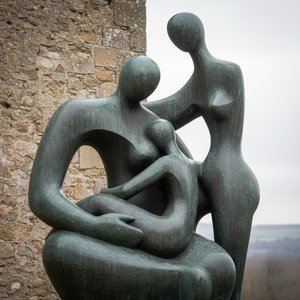 Henry Moore: Sculpting Modernity – Form, Emotion & the Human ConditionExplore the revolutionary sculptures of Henry Moore – abstract forms, reclining figures & powerful expressions of the human condition. Disc…