Rozmiar tekstu

() ·

Obraz stworzony dla Ciebie, własnoręcznie

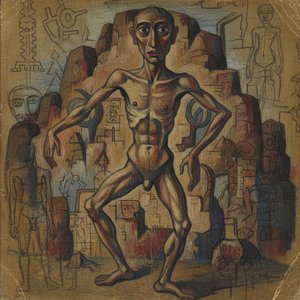
The Overhaul

Ręcznie malowana reprodukcja olejowa

Ręcznie malowany obraz olejny na płótnie, wykonany na zamówienie przez naszych artystów w wybranym przez Ciebie wymiarze i oprawie. ( Przełącz na wydania drukowane Przejdź do wersji cyfrowej)

Opis obiektu

Henry Lamb’s ‘The Overhaul’ (1941) captures wartime industry – a realistic oil painting of mechanics at work. Industrial, dynamic & evocative, showcasing American ingenuity.

Biografia artysty

Henry Lamb (1883-1960) – brytyjski malarz znany z ekspresyjnych portretów, poruszających obrazów wojennych i postimpresjonistycznych krajobrazów. Odkryj jego unikalny styl i ikoniczne dzieła.

od ·

Rozdział 1

Jak duży powinien być ten format?

Przesuń suwak, aby zmienić rozmiar; obraz po lewej stronie przedstawia ramę w jej rzeczywistej szerokości. Zachowano proporcje oryginału.

Standardowy format
personalizowane
CM
INCH

Wybierz spośród naszych standardowych rozmiarów, które zachowują oryginalne proporcje dzieła sztuki.

szerokość
wysokość

Wpisz wymaganą szerokość i wysokość, aby obraz pasował do Twojej ramy lub ściany. Ponieważ jest to dzieło malowane ręcznie, w przypadku rozmiaru o innych proporcjach artysta może domalować nieco więcej wokół obrazu lub przyciąć jego fragmenty — wybór należy do Ciebie. Przed rozpoczęciem pracy prześlemy Ci cyfrową wizualizację do zatwierdzenia. Obraz widoczny na tej stronie nie przedstawia rzeczywistego efektu — jedynie wizualizacja oddaje realny rezultat.

Rozdział 2

W jaki sposób ma zostać dostarczone?

Wybierz krawędzie płótna naciągniętego na ramę

Wybierz ramę

Corner sample of the WhiteWrap canvas edge finish, stretched on lite drewno bars
Białe krawędzie zł1
Corner sample of the BlurSideWrap canvas edge finish, stretched on lite drewno bars
rozmyte krawędzie zł1
Corner sample of the ExtendedWrap canvas edge finish, stretched on lite drewno bars
Przedłużony zł1
Corner sample of the P118B picture frame: polistyren formowany, 5 cm wide and 3 cm thick
P118B zł10
Corner sample of the P118H picture frame: polistyren formowany, 5 cm wide and 3 cm thick
P118H zł10
Corner sample of the P118W picture frame: polistyren formowany, 5 cm wide and 3 cm thick
P118W zł10
Corner sample of the P438Z picture frame: polistyren formowany, 5.5 cm wide and 3.5 cm thick
P438Z zł10
Corner sample of the P508JH picture frame: polistyren formowany, 7 cm wide and 3.5 cm thick
P508JH zł12
Corner sample of the P508YH picture frame: polistyren formowany, 7 cm wide and 3.5 cm thick
P508YH zł12
Corner sample of the P805H picture frame: polistyren formowany, 5 cm wide and 3.5 cm thick
P805H zł10
Corner sample of the P805Z picture frame: polistyren formowany, 5 cm wide and 3.5 cm thick
P805Z zł10
Corner sample of the P919BZ picture frame: polistyren formowany, 7 cm wide and 3.5 cm thick
P919BZ zł10
Corner sample of the P919G picture frame: polistyren formowany, 7 cm wide and 3.5 cm thick
P919G zł10
Corner sample of the P919XJ picture frame: polistyren formowany, 7 cm wide and 3.5 cm thick
P919XJ zł10
Corner sample of the P959ZH picture frame: polistyren formowany, 5 cm wide and 3 cm thick
P959ZH zł10
Corner sample of the P968JZ picture frame: polistyren formowany, 6 cm wide and 4 cm thick
P968JZ zł12
Corner sample of the W106C picture frame: lite drewno, 5 cm wide and 3 cm thick
W106C zł8
Corner sample of the W218G picture frame: lite drewno, 5 cm wide and 3 cm thick
W218G zł10
Corner sample of the W218JH picture frame: lite drewno, 5 cm wide and 3 cm thick
W218JH zł8
Corner sample of the W218Y picture frame: lite drewno, 5 cm wide and 3 cm thick
W218Y zł10
Corner sample of the W307PJ picture frame: lite drewno, 6 cm wide and 3 cm thick
W307PJ zł10
Corner sample of the W316G picture frame: lite drewno, 6 cm wide and 3 cm thick
W316G zł10
Corner sample of the W316PJ picture frame: lite drewno, 6 cm wide and 3 cm thick
W316PJ zł8
Corner sample of the W316Y picture frame: lite drewno, 6 cm wide and 3 cm thick
W316Y zł10
Corner sample of the W398PJ picture frame: lite drewno, 5 cm wide and 3 cm thick
W398PJ zł8
Corner sample of the W4111J picture frame: lite drewno, 6.5 cm wide and 3.5 cm thick
W4111J zł10
Corner sample of the W500HY picture frame: lite drewno, 7 cm wide and 5 cm thick
W500HY zł15
Corner sample of the W500JH picture frame: lite drewno, 7 cm wide and 5 cm thick
W500JH zł15
Corner sample of the W692G picture frame: lite drewno, 8 cm wide and 4 cm thick
W692G zł12
Corner sample of the W849H picture frame: lite drewno, 5 cm wide and 3 cm thick
W849H zł8
Corner sample of the W940BG picture frame: lite drewno, 7.5 cm wide and 4.5 cm thick
W940BG zł15
Corner sample of the W953PJ picture frame: lite drewno, 6 cm wide and 3.5 cm thick
W953PJ zł8
Corner sample of the H24-GOLD picture frame: rzeźbione drewno pokryte gipsem, 10 cm wide and 6 cm thick
H24-GOLD zł30
Corner sample of the H24-SILVER picture frame: rzeźbione drewno pokryte gipsem, 10 cm wide and 6 cm thick
H24-SILVER zł30
Corner sample of the H36-GOLD picture frame: rzeźbione drewno pokryte gipsem, 15 cm wide and 6.5 cm thick
H36-GOLD zł45
Corner sample of the H36-SILVER picture frame: rzeźbione drewno pokryte gipsem, 15 cm wide and 6.5 cm thick
H36-SILVER zł45

Profil: . Wymiar całkowity w ramie: .

Rozdział 3

Kto go maluje i czy coś powinno ulec zmianie?

Przykłady możliwych zmian: Zastąpienie twarzy zdjęciem klienta; Dodanie zwierzęcia (np. zamiana kota na psa); Ukrycie wiadomości w tle; Zmiana krajobrazu lub elementów tła.
Po złożeniu zamówienia zespół OriginalUniqueArt.com skontaktuje się z klientem drogą mailową w celu uzyskania instrukcji i prześle podgląd projektu

Dostawa na całym świecie () w ciągu 3–4 tygodni zamiast standardowych 5 tygodni. (5 Listopad). Bez kompromisów w kwestii jakości.

Rozdział 4

Ostatnie szlify

Tabliczka informacyjna, jak w muzeum?

Szczegóły grawerowanej brązowej tabliczki

This elegant plaque features the artist's name and the title of the artwork, finely engraved for a timeless presentation.

It is made from bronze with a refined, elegant finish. The text is precisely laser-engraved for a sharp and permanent result. Measuring 9x2 cm, the plaque is compact yet easy to read. It's built to be durable and scratch-resistant, offering a professional, museum-quality look. Mounting is simple thanks to the included adhesive backing.

Szczegóły przezroczystej tabliczki akrylowej

The plaque includes essential engraved details such as the artist's name, the title of the artwork, the date it was created, the type of media used-like oil on canvas or watercolor-a brief description of the piece, and a QR code that links to the complete artwork information.

It is crafted from clear acrylic, offering a sleek, modern appearance. The text is UV-engraved in black to ensure strong visual contrast. With a size of 10x15 cm, it ensures optimal readability. It comes equipped with two metal hooks for secure wall mounting. The plaque is designed to be weather-resistant, making it suitable for various environments, and it includes interactive features that work seamlessly with smartphone scanning.

Szczegóły czarnej tabliczki akrylowej

This elegant plaque includes engraved information such as the artist's name, the title of the artwork, the date it was created, the type of media used (like oil on canvas or watercolor), a short description of the artwork, and a QR code for quick access to more information.

The plaque itself is made from refined black acrylic with a premium finish. The text is laser-engraved in white for high contrast and readability. Its size is 10x15 cm, designed to be easy to read. It comes with two metal hooks for professional mounting. The design is sleek and fits any interior style. It is also weather-resistant and durable, with built-in digital integration for mobile compatibility.

Werniks ochronny?

Kiedy potrzebujesz dostawy?

Rozdział 5

Twoje dzieło, dokładnie tak, jak zamówiłeś

The Overhaul

Technika reprodukcji

Wymiary reprodukcji

-

Wybitny mistrz artystyczny

Większa szczegółowość, finezja i dodatkowy czas na realizację

-

Opcje oprawy reprodukcji

-

-

W przypadku dzieł sztuki lub reprodukcji, których którykolwiek z boków przekracza 105 cm (około 41 cali), rama zostanie wysłana w formie zestawu do samodzielnego montażu. Metoda ta zapewnia bezpieczną dostawę i zapobiega uszkodzeniom podczas transportu.

Wymagany profesjonalny montaż – nie jest to produkt typu DIY.
Zestaw musi zostać złożony, a płótno naciągnięte przez doświadczonego profesjonalnego ramiarza, przy użyciu kleju do drewna (brak w zestawie), kleszczy do naciągania płótna oraz ścisków, które utrzymają krosna w równej pozycji podczas schnięcia kleju. Nieprawidłowy montaż lub nierównomierne napięcie płótna może trwale uszkodzić dzieło sztuki i nie podlega naszej gwarancji.

  • W zestawie znajdują się wszystkie listwy z litego drewna, precyzyjnie docięte do wymiarów.

  • Montaż odbywa się przy użyciu dołączonych wkrętów oraz kleju do drewna do łączenia narożników, którego zestaw nie zawiera i który musi zostać dostarczony przez ramiarza.

  • Wymagane są profesjonalne narzędzia, których nie ma w zestawie: kleszcze do naciągania płótna (napinacz) oraz zaciski, które pozwolą utrzymać listwy w równej pozycji podczas schnięcia kleju.

Ważne:
Do połączenia narożników niezbędny jest klej do drewna, listwy należy unieruchomić za pomocą ścisków do momentu całkowitego wyschnięcia kleju, a naciągnięcie płótna na złożoną ramę wymaga użycia kleszczy do naciągania płótna. Żaden z tych elementów nie jest dołączony do zestawu. Przed zamówieniem tego rozmiaru zalecamy konsultację z doświadczonym ramiarzem.

Etykieta obiektu

-

-

Lakier ochronny

Lakier z połyskiem (pogłębia kolory, chroni przed światłem i wilgocią)

-

Personalizacja dzieła

Przykłady możliwości personalizacji: zastąp twarz zdjęciem klienta; dodaj zwierzę domowe (np. zamień kota na psa); umieść ukrytą wiadomość w tle; zmień krajobraz lub elementy tła.

-

Ekspresowa

Dostawa na cały świat () w ciągu 3–4 tygodni zamiast standardowych 5 tygodni. (5 Listopad). Bez kompromisów w kwestii jakości.

-

Przesyłka ekspresowa

Dostawa na cały świat () w ciągu 5 tygodni. (12 Listopad).

W cenie

Cena całkowita

zł 1565

Suma całkowita zł 1565

Opcja ze szkłem jest dostępna wyłącznie w rozmiarach poniżej 110 cm

W każdym zamówieniu

  • Bezpłatna ekspresowa wysyłka na cały świat
  • Wysokiej jakości płótno lniane
  • Pełne ubezpieczenie przesyłki
  • Gwarancja zwrotu należności celnych i podatków importowych
  • Gwarancja wiernego odwzorowania kolorów
  • 100-dniowa polityka zwrotów (tylko w przypadku wad)
  • Gwarancja 100% zwrotu pieniędzy
  • Zniżka przy zakupie wielu sztuk

A Symphony of Industry and Human Effort

In the evocative oil painting The Overhaul, created in 1941 by the versatile Henry Lamb, we are transported into the heart of a bustling hangar, where the raw energy of wartime industry meets the meticulous precision of human skill. The scene captures a group of mechanics deeply immersed in the complex task of tending to the engine and fuselage of an early aircraft. There is a profound sense of movement within this static frame; the composition is masterfully dynamic, drawing the viewer’s eye through the overlapping figures and the receding planes of the workshop. As we look down upon the scene from a slightly elevated perspective, we feel less like distant observers and more like silent witnesses to a pivotal moment of technological maintenance and preparation.

Lamb utilizes a sophisticated interplay of light and shadow to breathe life into this industrial landscape. A dramatic light source, positioned unseen above and to the left, casts long, purposeful shadows that define the muscularity of the men and the heavy, geometric forms of the machinery. The color palette is a soulful arrangement of earthy tones—deep browns, warm ochres, and muted greens—interspersed with subtle grays and yellows. This choice of color not only anchors the painting in its historical reality but also lends a tactile, weathered quality to the surfaces of metal and fabric, making the atmosphere feel thick with the scent of oil and the weight of heavy labor.

The Artistry of Detail and Texture

Technically, The Overhaul is a triumph of realistic rendering and expressive brushwork. Lamb does not merely paint shapes; he builds textures. Through the careful layering of paint, he achieves a palpable sense of materiality, from the cold, hard surfaces of the propeller and engine components to the softer, more organic textures of the mechanics' clothing. The use of linear perspective is particularly striking in the depiction of the aircraft’s supports and the hangar walls, creating a deep, immersive space that pulls the viewer into the cluttered, fascinating environment of the workshop.

The artist’s hand is visible in every stroke, providing a rhythmic quality to the work that mirrors the industriousness of the subject matter. The geometric precision of the circular propeller and rectangular fuselage contrasts beautifully with the more fluid, organic forms of the human figures, creating a visual tension between man and machine. This technical mastery ensures that the painting remains captivating upon close inspection, revealing new layers of detail and light with every glance.

A Legacy of Progress and Resilience

Beyond its aesthetic brilliance, The Overhaul serves as a poignant historical document. Painted during the height of the Second World War, it captures the spirit of an era defined by rapid technological advancement and the monumental effort required to sustain it. Symbolically, the painting transcends its specific subject matter to represent the broader themes of progress, industrialization, and the indomitable nature of human ingenuity. The focused activity of the mechanics becomes a metaphor for the collective resilience of a society working toward a common goal.

For the discerning collector or interior designer, this piece offers more than just visual beauty; it provides an emotional anchor. It is a work that commands attention through its gravity and scale, making it an ideal centerpiece for spaces that value historical depth and a sense of strength. Whether displayed in a contemporary gallery setting or a classic study, The Overhaul invites contemplation on the intersection of human labor and the machines that define our modern age, leaving an indelible impression of focused, purposeful energy.

Pytania i odpowiedzi

Co przedstawia i jaką atmosferę oddaje „The Overhaul” – Henry Lamb?

"The Overhaul" przedstawia wartime industry, aircraft mechanics, industrial labor, engineering progress, vintage aviation, workshop scene, american history, a jego nastrojowy charakter można określić jako Industrial.

Co przedstawia „The Overhaul” – Henry Lamb?

„The Overhaul” – Henry Lamb przedstawia: wartime industry, aircraft mechanics, industrial labor, engineering progress, vintage aviation, workshop scene, american history.

Jaki poziom kontrastu prezentuje „The Overhaul” – Henry Lamb?

Kontrast jasności w dziele "The Overhaul" wynosi Gentle. Kontrast określa stopień zróżnicowania między obszarami jasnymi a ciemnymi.

Więcej o tym obrazie

Podgląd w skali 1:1 Podgląd AR Przełącz na wydania drukowane Przejdź do wersji cyfrowej Wyślij jako kartkę
Szczegóły dzieła Przewodnik Dodaj do ulubionych Pobierz obraz Podobne obiekty RTG Pokaz slajdów Pytania i odpowiedzi Statystyki

W liczbach

  • 1941rok powstania dzieła
  • 29dostępne ramy do wyboru
  • standardowe formaty, w ich własnych proporcjach
  • 5tygodni na namalowanie i dostarczenie dzieła

O oryginale

Wymiary
51.0 x 61.0 cm
Henry Lamb

Henry Lamb

1883 - 1960, Australia

Krótkie informacje o Henry Lamb

  • Artistic Movement Or Style: Postimpresjonizm
  • Artists Or Movements Influenced By This Artist: ['Camden Town Group']
  • Artists Who Influenced This Artist:
    • August John
    • William Orpen
  • Date Of Birth: 21 czerwca 1883
  • Date Of Death: 8 października 1960
  • Full Name: Henry Taylor Lamb
  • Nationality: Brytyjczyk
  • Notable Artworks:
    • Portret Lyttona Stracheya
    • Irzycy w Judejskich Dolinach
  • Place Of Birth: Adelaide, Australia

Biografia artysty

A Life Bridging Continents and Eras

Henry Lamb, born in Adelaide, Australia, in 1883, was an artist whose life unfolded as a fascinating intersection of cultures and historical upheaval. The son of Sir Horace Lamb, a renowned mathematician, young Henry’s early years were steeped in intellectual stimulation – his father's academic pursuits created an environment rich with learning and discussion. However, his path diverged significantly from the purely scholarly when the family relocated to Manchester, England, in 1885; this move proved pivotal, exposing him to a burgeoning artistic scene that would ultimately shape his destiny. Initially pursuing medical studies at both Manchester University and Guy’s Hospital, Lamb found himself increasingly drawn to the world of art – an irresistible pull he could no longer deny. By 1906, he decisively abandoned medicine, enrolling at Chelsea School of Art under the tutelage of Augustus John and William Orpen; a decision that would define his creative trajectory. Subsequent studies at the Académie de la Palette in Paris further honed his skills, immersing him in the avant-garde currents of early 20th-century European art and introducing him to influential figures like Jean Metzinger and Henri Le Fauconnier.

Formative Influences and Artistic Awakening

The profound influence of Augustus John on Lamb’s artistic development is undeniable. John's unwavering commitment to drawing from life – a direct lineage from the Slade School tradition – instilled in Lamb a fundamental respect for observation and a mastery of expressive line work. This foundational approach became central to his unique style, one that prioritized capturing the essence of a subject rather than merely rendering a photographic representation. Lamb’s early years were also deeply intertwined with the vibrant bohemian circles of London, where he encountered and befriended prominent figures like Lytton Strachey, whose penetrating portrait would become one of Lamb's most celebrated achievements. His relationship with Nina Forrest, affectionately known as “Euphemia,” proved equally significant; she became his muse, model, and a constant source of inspiration – a figure who embodied the spirit of artistic freedom and unconventional beauty that permeated the era. Lamb’s involvement in the Camden Town Group in 1911 and later the London Group in 1913 solidified his position within the progressive art movement, challenging conventional artistic norms and fostering a spirit of experimentation and collaboration that shaped his evolving aesthetic.

War, Witness, and Remembrance

The outbreak of World War I dramatically altered the course of Lamb’s life. Returning to his medical training, he served as a battalion medical officer with the 5th Battalion, Royal Inniskilling Fusiliers, witnessing firsthand the horrific realities of conflict. This experience was not merely one of service; it profoundly impacted his artistic vision, transforming him from a medical professional into an observant chronicler of war’s devastating effects. Awarded the Military Cross for his bravery and dedication, Lamb was also appointed an official war artist – a role that demanded both compassion and unflinching honesty. His wartime paintings, such as “Irish Troops in the Judaean Hills Surprised by a Turkish Bombardment,” are not simply depictions of battle; they are poignant reflections on the psychological toll of war, capturing moments of vulnerability, fear, and unexpected beauty amidst chaos. These works stand as powerful testaments to the human cost of conflict – stark reminders of its senselessness and brutality. The experience imbued his work with a newfound depth and emotional resonance, forever shaping his artistic perspective and influencing his later portraits.

A Legacy in Portraiture and Beyond

While Lamb’s wartime experiences left an indelible mark on his oeuvre, he is perhaps best known for his evocative and psychologically astute portraits. He possessed a remarkable ability to capture not just the physical likeness of his subjects but also their inner character – their thoughts, emotions, and very souls. His portrait of Lytton Strachey (1914), housed in the Tate Gallery, remains a masterpiece of 20th-century British portraiture; Lamb’s rendering captures Strachey's gaunt figure and air of intellectual superiority with remarkable sensitivity. Throughout his career, Lamb continued to paint portraits, extending his practice to include high-ranking military commanders during World War II, demonstrating an adaptability and commitment to his craft. His later years saw him appointed a Trustee of both the National Portrait Gallery and the Tate Gallery – a testament to his respected position within the art world. Elected an Associate of the Royal Academy in 1940 and a full member in 1949, Lamb continued to paint until arthritis curtailed his ability to work, leaving behind a rich artistic legacy that continues to resonate with audiences today. His contribution lies not only in his technical skill but also in his profound sensitivity to the human condition and his ability to translate complex emotions onto canvas – a reminder of the power of observation, empathy, and the enduring relevance of portraiture.

Key Characteristics & Artistic Style

  • Expressive Line Work: Lamb’s work is characterized by a dynamic and expressive use of line, heavily influenced by Augustus John, creating a sense of movement and energy.
  • Psychological Depth: His portraits are renowned for their ability to capture the inner lives of his subjects, revealing their personalities and emotions with remarkable sensitivity.
  • Post-Impressionist Influences: While rooted in traditional techniques, Lamb’s work exhibits elements of Post-Impressionism, particularly in his use of color and form.
  • War Art as Testimony: His wartime paintings are not merely depictions of conflict but powerful statements about the human cost of war, imbued with a sense of empathy and realism.
  • Bohemian Spirit: Lamb’s association with the Camden Town Group and his personal life reflect a bohemian spirit – a rejection of conventional norms and an embrace of artistic freedom.

Najważniejsze informacje

  • Title: The Overhaul
  • Artistic style: Realism
  • Medium: Oil painting
  • Notable elements or techniques: Visible brushstrokes, dramatic lighting
Odkryj dzieła sztuki uporządkowane według tematów, stylów i cech charakterystycznych.