Impressionism · 1946
Manon (Henry Lamb, 1946)
Henry Lamb (1883–1960) stworzył Manon. Dzieło pochodzi z 1946. Należy do nurtu Impressionism. Wykonano w technice Oil On Canvas. Przechowywane jest w Arts Council Collection w Londyn, Zjednoczone Królestwo. Wymiary to 40 × 30 cm.
- 1946
- Oil On Canvas
- 40 × 30 cm
- Arts Council Collection, Londyn

 Podgląd w skali 1:1

 Ręcznie malowany obraz olejny
 Wyślij jako kartkę
 Udostępnij
 Karta informacyjna


 Pobierz obraz
 Podobne obiekty
 RTG
 Pokaz slajdów
 Pytania i odpowiedzi

 Statystyki
Manon w skrócie
- Tytuł
- Manon
- Artysta
- Henry Lamb (1883–1960)
- Miejsce urodzenia artysty
- Adelaide, Australia
- Data powstania
- 1946
- Technika wykonania
- Oil On Canvas
- Wymiary
- 40 × 30 cm
- Gdzie można je zobaczyć
- Arts Council Collection, Londyn, Zjednoczone Królestwo
- Ruch
- Impressionism
- Epoka
- Modern
- Temat
- portrait, woman, reddress, hairbun, yellowhue, eveninglight
Co przedstawia Manon?
A Glimpse into the Belle Époque: The Soul of Manon
In the quiet intimacy of Henry Lamb’s 1946 portrait, Manon, we encounter more than just a painted figure; we step into a poignant echo of the Belle Époque. Though painted decades after the era's peak, the work serves as a profound meditation on that intoxicating period of Parisian flourishing and societal optimism that preceded the shadows of World War I. The subject, inspired by the fictional Manon Lescaut from Abbé Prévost’s classic novel, embodies a delicate tension between youthful beauty and an underlying vulnerability. As she gazes into the distance, her eyes carry a weight of unspoken longing and perhaps a touch of retrospective regret, inviting the viewer to contemplate the fleeting nature of innocence and the inevitable complexities of human desire.
Lamb’s mastery lies in his ability to weave psychological depth with a refined, impressionistic sensibility. While one can detect the vibrant color palettes of Matisse or the structural influences of Gauguin within his work, Lamb avoids the trap of mere decoration. Instead, he prioritizes a harmonious tonal balance that captures the ephemeral quality of light. The technique is nothing short of meticulous; through the careful layering of thin oil glazes, Lamb achieves a luminous surface finish that seems to glow from within. This brilliance is most evident in the rendering of Manon's hair, which appears sculpted and bathed in soft light, contrasting beautifully against the warm, yellowish hue of the textured background.
Symbolism and Emotional Resonance
Beyond its aesthetic splendor, Manon functions as a window into the anxieties simmering beneath the veneer of Parisian elegance. The artist utilizes a muted, sophisticated palette to convey a sense of melancholy, mirroring the emotional core of Prévost's narrative. Every element—from the way the red of her dress pulls the eye toward her contemplative form to the subtle gradations of color in the backdrop—contributes to an atmosphere of introspection. It is a painting that speaks to the awareness of societal constraints and the disillusionment that often follows romantic idealism.
For the discerning collector or interior designer, this piece offers a rare opportunity to introduce a sense of historical gravity and emotional intelligence into a space. Whether placed in a curated gallery setting or as a focal point in a sophisticated living area, the portrait commands attention through its quiet strength. It is not merely an image to be looked at, but an experience to be felt—a testament to Henry Lamb’s extraordinary ability to distill complex human emotions and historical memory onto a single, breathtaking canvas.
W którym muzeum znajduje się Manon?
Arts Council Collection
Londyn, Zjednoczone Królestwo
Żywe dziedzictwo: Puls brytyjskiej kreatywności Spotkanie z Arts Council Collection to wejście w żywą, oddychającą narrację o ewolucji brytyjskiej sztuki. W przeciwieństwie do tradycyjnych instytucji, które więżą arcydzieła w cichych, statycznych salach muzeów przypominających fortece, ta kolekcja funkcjonuje jako „muzeum bez ścian”. Założona w 194mu46 roku, w transformujących cieniach powojennej surowości, nie została powołana jedynie jako repozytorium do estetycznej kontemplacji, lecz jako aktywny przekaźnik kulturowej witalności.


Zdjęcia w wysokiej rozdzielczości dzieła Manon
Chronione prawem autorskim: pliki te służą wyłącznie do osobistego wglądu i nie stanowią licencji na ich powielanie.
Henry Lamb, Manon (1946), Arts Council Collection.
Odpowiedzi na pytania dotyczące Manon
Gdzie można obecnie zobaczyć dzieło „Manon” – Henry Lamb?
Oryginał dzieła „Manon” – Henry Lamb znajduje się w Arts Council Collection, Londyn, Zjednoczone Królestwo. Reprodukcja pozwala na eksponowanie pracy w domu.
W którym roku powstało dzieło „Manon” – Henry Lamb?
„Manon” – Henry Lamb powstało w 1946.
W jakiej technice wykonano „Manon” – Henry Lamb?
„Manon” wykonano w technice Oil On Canvas.
Jakie są wymiary oryginału "Manon"?
Oryginalne wymiary dzieła „Manon” to 40 x 30 cm. Znajomość pierwotnej skali może być pomocna przy wyborze odpowiedniego rozmiaru reprodukcji.
Co przedstawia „Manon” – Henry Lamb?
„Manon” – Henry Lamb przedstawia: portrait, woman, reddress, hairbun, yellowhue, eveninglight, pensiveexpression.
Czy obraz „Manon” – Henry Lamb można swobodnie reprodukować?
Status praw autorskich dla „Manon” – Henry Lamb: dzieło znajduje się w nadal objęte ochroną prawa autorskiego. Określa to, czy reprodukcje obrazu mogą być sporządzane swobodnie.
Kto jest autorem dzieła "Manon"?
Autorstwo dzieła "Manon" przypisuje się Henry Lamb.
Do jakiego nurtu należy "Manon"?
„Manon” – Henry Lamb należy do nurtu Impressionism. Nurt ten stanowi stylistyczny kontekst dzieła.
Do którego okresu twórczości Henry Lamb należy dzieło „Manon”?
"Manon" reprezentuje Mature Period twórczości Henry Lamb.
O artyście: Henry Lamb

1883–1960, Australia
Henry Lamb
A Life Bridging Continents and Eras Henry Lamb, born in Adelaide, Australia, in 1883, was an artist whose life unfolded as a fascinating intersection of cultures and historical upheaval. The son of Sir Horace Lamb, a renowned mathematician, young Henry’s early years were steeped in intellectual stimulation – his father's academic pursuits created an environment rich with learning and discussion. However, his path diverged significantly from the purely scholarly when the family relocated to Manchester, England, in 1885; this move proved pivotal, exposing him to a burgeoning artistic scene that would ultimately shape his destiny. Initially pursuing medical studies at both Manchester University and Guy’s Hospital, Lamb found himself increasingly drawn to the world of art – an irresistible pull he could no longer deny.
Inne prace Henry Lamb
 William Loudon Mollison (1851–1929), Master (1915–1929)1926
 Henry Lamb1950
 Major Mahomed Akbar Khan, Commanding Officer, 29 Mule Coy, Royal Indian Army Service Corps1941
 Ernest George Hardy (1852–1925)1925
Eseje o Manon
 Emocjonalna Transmutacja w Sztuce Wizualnej: Studium Reprezentacji Afektywnych Poprzez Kolor, Formę i TeksturęZgłębiaj subtelny język emocji w sztuce wizualnej! Analizujemy kolor, formę i teksturę w malarstwie barokowym i ekspresjonistycznym. Eksper…
 25 Masterpieces by Édouard Manet: The Rebel Who Redefined Modern ArtJourney through the rebellious soul of Impressionism with our curated guide to Édouard Manet's top 25 masterpieces. From iconic scandals to…
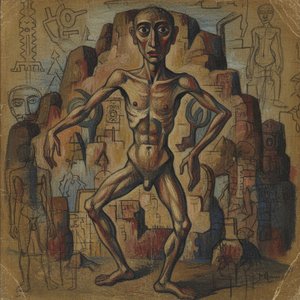 Henry Lamb: Reassessing Modern British Primitivism & the Poetics of DiscomfortExplore the compelling work of Henry Lamb, a key figure in British Primitivism. Discover his unsettling portraits, poignant war art & uniqu…