

 Zobacz w skali 1:1
 Wyślij
 Udostępnij
 Szczegóły
 Przewodnik

 Pobierz plik obrazu
 Podobne obiekty
 RTG
RTG Pokaz slajdów
 Statystyki
Packing Stocks


 Czytaj więcej
Giclée / Wydruk artystyczny
Wydruki giclée lub płótna o jakości muzealnej, szybka realizacja i szeroki wybór opcji wykończenia. ( Kup ręcznie malowany obraz Przełącz na wersję cyfrową)




P118B zł10

P118H zł10

P118W zł10

P438Z zł10

P508JH zł12

P508YH zł12

P805H zł10

P805Z zł10

P919BZ zł10

P919G zł10

P919XJ zł10

P959ZH zł10

P968JZ zł12

W106C zł8

W218G zł10

W218JH zł8

W218Y zł10

W307PJ zł10

W316G zł10

W316PJ zł8

W316Y zł10

W398PJ zł8

W4111J zł10

W500HY zł15

W500JH zł15

W692G zł12

W849H zł8

W940BG zł15

W953PJ zł8




Wybierz spośród naszych standardowych rozmiarów, które zachowują oryginalne proporcje dzieła sztuki.

Wpisz wymaganą szerokość i wysokość, aby dopasować grafikę do ramy lub ściany. Wydruk można jedynie przyciąć, nigdy nie powiększając go poza oryginalny obraz, dlatego format o innym proporcji spowoduje utratę części kompozycji. Przed rozpoczęciem druku prześlemy Ci cyfrowy podgląd do zatwierdzenia. Obraz wyświetlany na tej stronie nie pokazuje rzeczywistego przycięcia — jedynie podgląd oddaje ten efekt.
Dostawa na cały świat () w ciągu 2 tygodni zamiast standardowych 4/5 tygodni. (24 Październik)

Bezpłatna ekspresowa wysyłka na cały świat

Wysokiej jakości płótno lniane

Pełne ubezpieczenie transportowe

Gwarancja zwrotu należności celnych i podatków importowych

Gwarancja idealnego odwzorowania barw

100-dniowy okres na zwrot dzieła w przypadku wykrycia wad produkcyjnych

Gwarancja 100% zwrotu pieniędzy

Oferta przy zakupie wielu sztuk
 Opcja ze szkłem jest dostępna wyłącznie w rozmiarach poniżej 110 cm

Packing Stocks
Giclée / Wydruk artystyczny
Rozmiar reprodukcji
-


Suma do zapłaty
zł 308
A Pastoral Symphony: The Gentle Grace of Packing Stocks
In the quietude of a sun-drenched afternoon, Henry Herbert La Thangue captures a moment of profound connection between humanity and the earth in his evocative masterpiece, Packing Stocks. This exquisite oil on canvas invites the viewer into a lush, floral sanctuary where a woman, draped in the simple elegance of her attire, bends gracefully over her task. The scene is far more than a mere depiction of agricultural labor; it is a poetic meditation on the rhythms of rural life. Surrounded by a vibrant tapestry of wildflowers and carefully tended potted plants, the subject becomes an integral part of the landscape itself. As she works, the soft interplay of light and shadow dances across the petals and her form, creating a sense of warmth that feels almost tangible to the observer.
The composition is masterfully layered, offering depth that draws the eye from the intimate foreground into the gentle distance. While the woman remains our primary focus, La Thangue subtly introduces other figures in the background—shadowy presences that suggest a communal spirit or perhaps a shared seasonal event. This addition transforms the painting from a solitary portrait into a narrative of community and tradition. The presence of a nearby building provides a structural anchor to the organic chaos of the garden, grounding the ethereal beauty of the flowers within the reality of a lived-in, working landscape. It is this delicate balance between the wildness of nature and the order of human habitation that gives the work its enduring charm.
Mastery of Light and the Newlyn Influence
As a prominent figure associated with the Newlyn School, La Thangue brings a sophisticated command of plein air techniques to this work. His training in Paris under Jean-Léon Gérôme and his exposure to the Barbizon School are evident in the way he captures the fleeting atmosphere of the English countryside. The technique is characterized by a rich, textured application of oil paint that lends a tactile quality to the canvas. One can almost feel the weight of the petals and the coarse texture of the earth. His palette, though grounded in naturalistic tones, is infused with a luminous quality; the light does not merely illuminate the scene but seems to emanately from within the very fabric of the landscape.
For the discerning collector or interior designer, Packing Stocks offers an unparalleled opportunity to introduce a sense of tranquility and timelessness into a space. The painting’s ability to evoke a nostalgic, romanticized vision of the British countryside makes it a versatile centerpiece for any sophisticated interior. Whether placed in a sunlit morning room or a stately library, the work serves as a window into a more serene era. A high-quality reproduction of this piece allows one to possess not just a beautiful image, but a fragment of art history—a way to surround oneself with the warmth, light, and enduring peace that La Thangue so masterfully distilled onto his canvas.
Pytania i odpowiedzi
W którym roku powstało dzieło "Packing Stocks"?
Powstanie „Packing Stocks” autorstwa Henry Herbert La Thangue datuje się na 1920.
Gdzie mogę znaleźć statystyki dotyczące „Packing Stocks” autorstwa Henry Herbert La Thangue?
Strona Statystyki dzieła „Packing Stocks” autorstwa Henry Herbert La Thangue przedstawia statystyki odwiedzin: miesięczną liczbę wyświetleń tego dzieła, porównanie z najczęściej oglądanymi pracami artysty oraz informacje o pochodzeniu odwiedzających.
Jakie miejsce w dorobku twórczym Henry Herbert La Thangue zajmuje dzieło "Packing Stocks"?
"Packing Stocks" należy do nurtu Newlyn School w twórczości Henry Herbert La Thangue, której rozpoznawalne motywy obejmują barbizon school influence, plein air painting style, british rural realism, newlyn school movement, capturing natural light, detailed landscape scenes.
Biografia artysty
Wizjonarny realizm Henry'ego Herberta La Thangue
Henry Herbert La Thangue jawi się jako postać kluczowa w tkaninie brytyjskiego realistycznego malarstwa pejzażowego, mistrz, którego pędzel potrafił uchwycić cichą godność angielskiej prowincji oraz ulotne światło europejskiego kontynentu. Urodzony w 1859 roku w Croydon w hrabstwie Surrey, rozpoczął swoją artystyczną podróż pośród intelektualnego fermentu wiktoriańskiego Londynu. Dzięki relacjom z innymi wybitnymi postaciami, takimi jak Stanhope Forbes czy Frederick Goodall, podczas nauki w Dulwich College, La Thangue rozwinął wczesną, głęboką umiejętność skrupulatnej obserwacji. Ten formacyjny okres zaszczepił w nim oddanie detalom, które stały się znakiem rozpoznawczym jego trwałego dziedzictwa.
Jego formalna edukacja charakteryzowała się surową dyscypliną, obejmującą zarówno Lambeth School of Art, jak i prestiżową Royal Academy w Londynie. Rok 1879 okazał się momentem przełomowym, kiedy przyznano mu upragniony złoty medal – osiągnięcie, które otworzyło mu drogę do transformującego stypendium w atelier Jean-Lego Gérôme'a w Paryżu. To właśnie w tym francuskim otoczeniu La Thangue zetknął się z etosem szkoły Barbizon. Choć instruktorzy niekiedy krytykowali jego skłonność do romantyzmu, artysta zdołał z sukcesem połączyć zasady malarstwa plein air z niezachwianym oddaniem realizmowi, ucząc się chwytać natychmiastową, atmosferyczną esencję naturalnego światła.
Podróż przez światło i krajobraz
Twórczy duch La Thangue nigdy nie znał granic. Między 1881 a 1882 rokiem wyprawy do Bretanii oraz do doliny Rodanu w Donzère pozwoliły mu zanurzyć się w różnorodnych krajobrazach Francji. Podróże te poszerzyły jego artystyczne horyzonty, wprowadzając paletę miękkich barw i spokojnego piękna, co znalazło późniejsze odzwierciedlenie w dziełach takich jak "Prowansalski strumień". Obraz ten stanowi pełen spokoju dowód na jego wpływy impresjonistyczne, gdzie ruch wody i ciepło słońca zostały oddane z delikatnym, ewokatywnym dotykiem.
Po powrocie do Anglii w 1886 roku, La Thangue stał się aktywnym uczestnikiem zmieniających się prądów w brytyjskim środowisku artystycznym. Jego członkostwo w Royal Institute of Oil Painters ugruntowało jego pozycję zawodową, jednak w głębi duszy pozostał reformatorem. Jego zaangażowanie w ruch kwestionujący tradycjonalistyczną dominację Royal Academy ostatecznie przyczyniło się do powstania New English Art Club (NEAC). Poprzez to nowe forum promował bardziej demokratyczne podejście do sztuki, prezentując dzieła celebrujące szczere, nieupiększone piękno życia wiejskiego oraz trud klasy robotniczej.
Mistrzostwo wiejskiej narracji
Prawdziwa dusza twórczości La Thangue tkwi w jego zdolności do przekształcania zwyczajnych scen rolniczych w głębokie doświadczenia emocjonalne. Jego późniejsze lata, a zwłaszcza czas spędzony w South Walsham w Norfolk, przyniosły pogłębienie skupienia na rytmach ziemi. W arcydziełach takich jak "Ostatnia bruzda" (1lag 1895), uchwycił on przejmujące piękno zbiorów, stosując technikę realistyczną, która oddaje hołd surowości i wdzięku wiejskiej egzystencji. W swojej pracy często wykorzystuje bogatą, impastową teksturę, aby nadać fizyczny ciężar ziemi i niebu przedstawionym na płótnie.
Być może żadne dzieło nie oddaje jego zdolności do łączenia symbolizmu z naturalizmem lepiej niż "Zmierzch", znany również jako "Zbieraczki". W tym przejmującym olejnym obrazie z 1895 roku, La Thangue wykorzystuje ciepłe barwy i poczucie nadciągającego cienia, aby przywołać powagę sezonu żniw. W jego oczach krajobraz nie jest jedynie tłem, lecz żywym bohaterem, przesiąkniętym historią tych, którzy go uprawiają. Jego dziedzictwo pozostaje żywą częścią tradycji Newlyn School, oferując okno na minioną erę brytyjskiego życia pasterskiego przez pryzmat wykwintnego, wypełnionego światłem realizmu.

Henry Herbert La Thangue
1859 - 1929
Najważniejsze informacje
- Artistic Movement Or Style: Realistyczny pejzaż i malarstwo rodzajowe
- Artists Or Movements Influenced By This Artist: ['Szkoła Newlyn']
- Artists Who Influenced This Artist:
- Jean-Léon Gérôme
- Bastien Lepage
- Dagnan Bouveret
- Date Of Birth: 1859
- Full Name: Henry Herbert La Thangue
- Nationality: Anglik
- Notable Artworks:
- The Mulberry Tree
- Return of the Reapers
- The Man with the Scythe
- Place Of Birth: Croydon, Zjednoczone Królestwo
Zobacz także powiązane artykuły
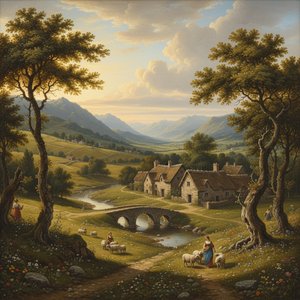
Evoking Arcadia: A Historical & Aesthetic Exploration of Rural Landscape Art
Explore the rich history of pastoral landscape art, from classical Arcadia to Impressionism & beyond. Discover key artists, movements, and how to collect serene rural scenes for your home. Expert insights at OriginalUniqueArt.

Romantyczny Krajobraz w Malarstwie: 10 Arcydzieł, Które Zdefiniowały Epokę | OriginalUniqueArt.com
Odkryj 10 arcydzieł romantyzmu w malarstwie! Poznaj historie Caspara Davida Friedricha, Turnera i innych mistrzów. Inspiracje wnętrzarskie & reprodukcje obrazów najwyższej jakości na OriginalUniqueArt.com. Eksploruj kolekcję online!

John Constable: 25 Najlepszych Obrazów Mistrza Angielskiego Krajobrazu | OriginalUniqueArt
Odkryj 25 arcydzieł Johna Constable'a – mistrza angielskiego krajobrazu! Poznaj romantyczne pejzaże, technikę malarską i inspiracje z Dedham Vale. Reprodukcje obrazów najwyższej jakości na OriginalUniqueArt.com. Eksploruj pełną kolekcję online!
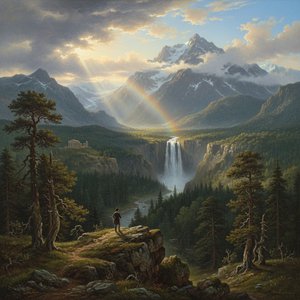
Evoking Nature's Sublime: A Comprehensive Exploration of 19th-Century Landscape Painting
Explore the captivating world of 19th-century landscape painting! Discover renowned artists like Friedrich & Monet, key movements, and find the perfect artwork to bring nature's serenity into your home. Expert insights at OriginalUniqueArt.

Wiejskie Krajobrazy w Sztuce: Studium Ikonografii, Emocji i Społecznego Kontekstu
Odkryj fascynujący świat wiejskich krajobrazów w sztuce! Studium ikonografii, emocji i społecznego kontekstu malarstwa. Ekspercka analiza, inspiracje i możliwość zakupu reprodukcji na OriginalUniqueArt.