

 Podgląd w skali
 Wyślij jako kartkę
 Udostępnij
 Szczegóły dzieła

 Pobierz
 Podobne obiekty
 RTG
RTG Pokaz slajdów
Moon’s face table clock


 Rozwiń treść
Giclée / Wydruk artystyczny
Druk giclée lub płótno o jakości muzealnej, szybka realizacja i szeroki wybór opcji wykończenia. ( Zamów ręcznie malowaną reprodukcję Kup obraz wysokiej rozdzielczości)




P118B $10

P118H $10

P118W $10

P438Z $10

P508JH $12

P508YH $12

P805H $10

P805Z $10

P919BZ $10

P919G $10

P919XJ $10

P959ZH $10

P968JZ $12

W106C $8

W218G $10

W218JH $8

W218Y $10

W307PJ $10

W316G $10

W316PJ $8

W316Y $10

W398PJ $8

W4111J $10

W500HY $15

W500JH $15

W692G $12

W849H $8

W940BG $15

W953PJ $8




Wybierz spośród naszych standardowych rozmiarów, które zachowują oryginalne proporcje dzieła sztuki.

Możesz wprowadzić własne wymiary, aby dopasować dzieło do konkretnej ramy lub przestrzeni. Jeśli wybrany rozmiar nie będzie odpowiadał proporcjom oryginalnego obrazu, przytniecie dzieło lub rozszerzymy obraz za pomocą odbicia lustrzanego lub jednolitego wypełnienia krawędzi. Przed rozpoczęciem produkcji prześlemy cyfrową wizualizację do Twojej akceptacji.
Prosimy pamiętać, że podgląd na ekranie nie odzwierciedla faktycznego przycinania ani rozszerzania. Tylko wizualizacja dokładnie pokaże końcową kompozycję.
Mimo dostępności niestandardowych rozmiarów, zalecamy wybór wymiaru z listy zdefiniowanej, aby zachować oryginalne proporcje.
Dostawa na cały świat () w ciągu 2 tygodni zamiast standardowych 4/5 tygodni. (14 Sierpień)

Bezpłatna ekspresowa wysyłka na cały świat

Wysokiej jakości płótno lniane

Pełne ubezpieczenie przesyłki

Gwarancja zwrotu należności celnych i podatków importowych

Gwarancja wiernego odwzorowania kolorów

Polityka 60-dniowego zwrotu (tylko w przypadku wad)

Gwarancja 100% zwrotu kosztów

Zniżka przy zamówieniu wielu produktów
 Opcja ze szkłem jest dostępna wyłącznie w rozmiarach poniżej 110 cm

Moon’s face table clock
Giclée / Wydruk artystyczny
Wymiary reprodukcji
-


Cena całkowita
$ 80
Opis kolekcjonerski
Moon’s Face Table Clock by Henrik Immanuel Wigström
The Moon’s Face Table Clock stands as an exquisite testament to Henrik Immanuel Wigström's mastery of Fabergé style—a fusion of meticulous craftsmanship and opulent design that captures the spirit of the Belle Époque. More than just a timepiece, it embodies a profound fascination with celestial observation and artistic embellishment, reflecting Wigström’s dedication to reviving classical traditions while embracing the innovative techniques of his era. Its creation represents a pinnacle of decorative arts, demonstrating an unparalleled understanding of Louis XVI, Empire, and neoclassical aesthetics.- Subject Matter: The clock's centerpiece is undeniably its lunar motif—a stylized depiction of the moon face rendered with remarkable detail in silver inlay. This symbolic choice speaks to themes of cyclical time, femininity, and the allure of the night sky – concepts prevalent in Art Nouveau sensibilities.
- Style & Technique: Wigström’s approach aligns seamlessly with Fabergé's signature style, prioritizing elegance and refinement above all else. The clock utilizes a combination of enamelwork—specifically champlevé—and metalworking techniques to achieve breathtaking visual impact. The enamel background is adorned with scattered white stars, meticulously applied through a decorative technique that adds depth and luminosity to the piece.
- Historical Context: Constructed during Wigström’s prolific period at Fabergé (1893-1903), this clock exemplifies the artistic fervor of Russia's imperial court—a time marked by lavish patronage and an unwavering commitment to preserving artistic heritage. It reflects a broader trend toward reviving classical forms and motifs, mirroring the revival of interest in Greco-Roman ideals that characterized European culture at the turn of the century.
- Symbolism: The moon’s enduring presence in mythology and folklore lends itself powerfully to symbolic interpretation. Representing intuition, dreams, and transformation, it underscores the clock's intention to transcend mere functionality—to inspire contemplation and evoke a sense of timeless beauty.
- Material Composition: Crafted primarily from enamel (blue), silver, gold, and potentially a base material for the clock mechanism itself (though unseen), the clock’s materials contribute significantly to its aesthetic qualities. The silver inlay highlights the intricate facial features of the moon face, while the gold frame exudes prestige and reinforces the overall grandeur of the design.
Further Research
Detailed information about the Moon’s Face Table Clock can be found on OriginalUniqueArt.com, where you can explore its artistic database entry and admire a high-resolution photograph.
Artist Information
Henrik Immanuel Wigström (1862–1923) was a leading Fabergé workmaster renowned for exquisite silver and goldsmithing in Louis XVI, Empire, and neoclassical styles. He is celebrated for his masterful execution of hardstone animals, figures & flowers—a testament to his unwavering dedication to artistic excellence.
Additional Resources
Explore Wigström’s legacy through Wikipedia, where you can delve into biographical details and scholarly assessments of his contributions to Russian goldsmithing.
O artyście
The Silent Maestro of Fabergé Elegance
Henrik Immanuel Wigström stands as a pivotal figure in the history of Russian goldsmithing and, crucially, the opulent world of Fabergé. Born in Ekenäs, Finland, in 1862, Wigström’s artistic journey began amidst the burgeoning Art Nouveau movement but swiftly cemented itself within the exacting standards of the Imperial Court, shaping the aesthetic landscape of his era. While often overshadowed by his more flamboyant colleague Michael Perchin, Wigström possessed an unparalleled dedication to craftsmanship and a profound understanding of Louis XVI, Empire, and neoclassical styles—qualities that ensured he became Fabergé’s most prolific workmaster after Perchin's untimely demise in 1903.
His formative years were defined by rigorous discipline and a deep-seated fascination for the decorative arts. Wigström received his early artistic education at the Helsingfors Konstakademi (Finnish Art Academy), where he honed his skills in silver and goldsmithing. This grounding in traditional techniques would prove invaluable as he navigated the complexities of the Fabergé workshop, allowing him to master the delicate balance between structural integrity and ornamental splendor.
A Legacy of Imperial Splendor
When Wigström joined the Fabergé atelier in 1903, he inherited a monumental responsibility: maintaining the prestige of the House of Fabergé following the loss of Perchin. He did not merely maintain this standard; he elevated it. Under his leadership, the workshop produced an astonishing array of decorative objects that embodied the grandeur of Imperial Russia. His work is characterized by a refined neoclassical aesthetic, leaning into the elegance of the Louis XVI and Empire styles to create pieces that felt both timeless and profoundly luxurious.
Wigström's artistic output was remarkably diverse, ranging from functional objects of high utility to purely ornamental treasures. His mastery is evident in several key areas:
- Exquisite Timepieces: He was renowned for creating magnificent table clocks, such as the Moon’s Face Table Clock and the breathtaking Table Clock in the Shape of a Carriage, which showcased his ability to blend mechanical precision with artistic storytelling.
- Decorative Objects: His repertoire included stunning lorgnettes, intricate ink sets, and delicate silverwork that served as the pinnacle of high-society luxury.
- Hardstone Artistry: He excelled in crafting hardstone animals, figures, and flowers with remarkable precision, utilizing his deep knowledge of mineral textures to breathe life into inanimate stone.
Technique and Historical Significance
The true genius of Wigström lay in his technical perfectionism. His work is defined by flawless enamelwork, intricate guilloche engraving, and the masterful manipulation of precious metals. Every piece he touched reflected a meticulous attention to detail that satisfied even the most discerning members of the Romanov dynasty. By blending the delicate textures of fine enamel with the structural strength of gold and silver, he created objects that were as much feats of engineering as they were works of art.
As the era of Imperial Russia drew to a close, Wigström’s contributions remained a testament to a vanished world of unparalleled opulence. His ability to interpret historical styles through a modern, refined lens ensured that his work would remain iconic long after the workshops of St. Petersburg fell silent. Today, his legacy lives on through the rare and precious artifacts that continue to captivate collectors, serving as enduring symbols of the height of Fabergé's artistic achievement.
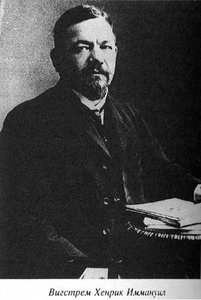
henrik immanuel wigström
1862 - 1923 , Finland
Krótka nota
- Artistic Movement Or Style: Louis XVI, Empire, Neoclassical
- Artists Who Influenced This Artist: ['Michael Evlampievich Perchin']
- Date Of Birth: October 2, 1862
- Date Of Death: March 14, 1923
- Full Name: Henrik Immanuel Wigström
- Nationality: Finnish
- Notable Artworks:
- Miniature Perfume Bottle
- Ink set
- Moon’s Face Table Clock
- Place Of Birth: Ekenäs, Finland
Powiązane artykuły
Srebrzysta Elegancja w Sztuce: 10 Najsłynniejszych Obrazów z Dominującą Złotą Leafką
Odkryj 10 najsłynniejszych obrazów, w których srebrna i złota leafka tworzy niezapomniane arcydzieła! Poznaj historię artystów renesansu, baroku i impresjonizmu. Reprodukcje najwyższej jakości na OriginalUniqueArt.com – inspiracje dla Twojego wnętrza.

Top 10 Sławnych Obrazów w Odcieniach Pewter – Sztuka dla Domu | OriginalUniqueArt.com
Odkryj 10 słynnych obrazów w odcieniach pewter – od Rembrandta po Van Gogha. Poznaj historie artystów, techniki i inspiracje! Reprodukcje najwyższej jakości na OriginalUniqueArt.com. Eksploruj kolekcję online.
Jean-Étienne Liotard: Rococo Portraiture & the Pursuit of Naturalism
Explore the exquisite Rococo portraits of Jean-Étienne Liotard, a master of pastel and enamel. Discover his innovative techniques, captivating Turkish scenes, and lasting influence on art history. Learn more at OriginalUniqueArt.

Grahame Sydney: Evoking Otago's Soul Through Light & Landscape
Explore the captivating landscapes of Sir Grahame Sydney, a leading New Zealand artist renowned for his magic realism & evocative depictions of Otago's beauty. Discover key works and delve into his artistic legacy.
Salvador Dalí: 25 Najbardziej Znanych Obrazów Mistrza Surrealizmu | OriginalUniqueArt.com
Odkryj 25 najbardziej znanych obrazów Salvadora Dalí – mistrza surrealizmu! Poznaj historie, symbolikę i techniki jego niezwykłych dzieł. Reprodukcje najwyższej jakości na OriginalUniqueArt.com. Znajdź idealny obraz do Twojego wnętrza.

