
 Podgląd w skali
 Wyślij jako kartkę
 Udostępnij
 Szczegóły dzieła

 Pobierz
 Podobne obiekty
 RTG
RTG Pokaz slajdów
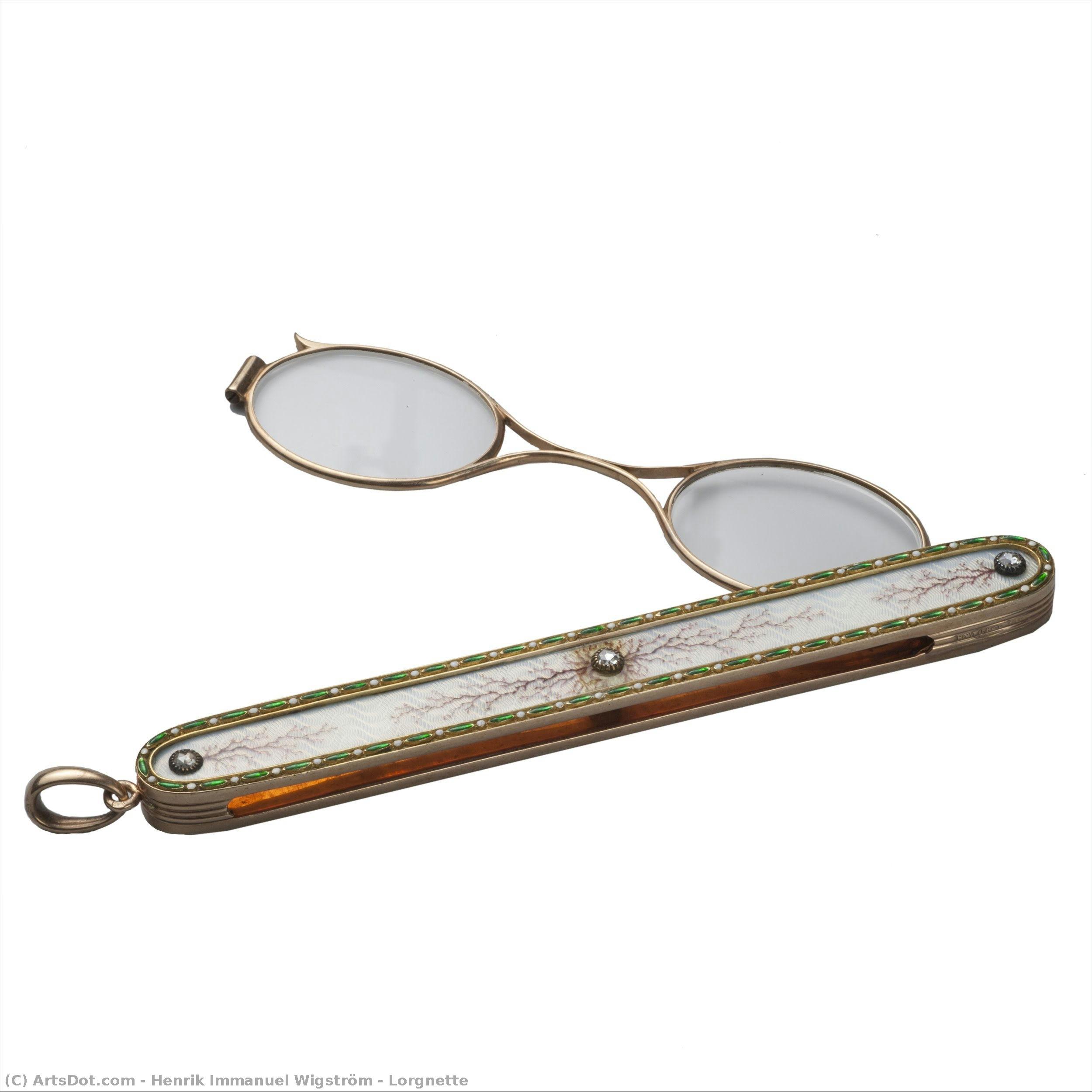
Lorgnette


 Rozwiń treść
Kup wysokiej rozdzielczości, ulepszony obraz cyfrowy o znacznie wyższej jakości niż podgląd online.
Każdy plik jest starannie przygotowywany przez naszych specjalistów przy użyciu zaawansowanych narzędzi oraz profesjonalnej, ręcznej retuszy. Dbamy o to, aby każdy obraz cechował się wyjątkową ostrością, precyzyjnym odwzorowaniem kolorów i subtelnymi detalami.
Ostateczny plik dostarczany jest drogą mailową w ciągu 72 godzin, zoptymalizowany do natychmiastowego wykorzystania w profesjonalnych zastosowaniach redakcyjnych i poligraficznych. To ta sama jakość, której ufają czołowe studia projektowe, wydawnictwa oraz galerie sztuki.
Obraz cyfrowy
Pobierz plik o wysokiej rozdzielczości do osobistego wyświetlania, druku oraz projektów kreatywnych. ( Zamów wydruk Zamów ręcznie malowaną reprodukcję)
W każdym zamówieniu na obraz cyfrowy znajduje się
Profesjonalna dostawa cyfrowa z gwarancją
Wybierając OriginalUniqueArt.com, nie otrzymujesz jedynie obrazu – otrzymujesz profesjonalnie udoskonalone cyfrowe dzieło sztuki, stworzone z najwyższą precyzją i objęte gwarancją satysfakcji. Oto wszystko, co automatycznie dołączane jest do Twojego zamówienia:

Błyskawiczna wysyłka e-mailowa
Plik z obrazem cyfrowym w wysokiej rozdzielczości zostanie przesłany na Twój adres e-mail w ciągu 72 godzin od złożenia zamówienia – gotowy do natychmiastowego użycia.

Plik cyfrowy wzbogacony przez AI
Twoja grafika została profesjonalnie zoptymalizowana przy użyciu zaawansowanych narzędzi AI oraz ręcznej edycji, co zapewnia maksymalną szczegółowość, klarowność i wierność kolorów.

Dożywotnia darmowa ponowna dostawa
Przypadkowo usunąłeś lub zgubiłeś swój plik? Bez obaw – prześlemy go Tobie ponownie w dowolnym momencie, bez żadnych opłat.

Bez opłat importowych – zawsze
Ciesz się swoją sztuką natychmiast, bez żadnych opłat celnych, należności ani kosztów dostawy – pliki cyfrowe są zawsze wolne od podatku.

Gwarancja wierności kolorów
Dzięki zastosowaniu profesjonalnych narzędzi i procesów zarządzania barwą zapewniamy, że Twoje cyfrowe zdjęcie odzwierciedla oryginalne kolory tak wiernie, jak to tylko możliwe.

60-dniowa gwarancja satysfakcji
Jeśli nie będziesz zadowolony ze swojego cyfrowego obrazu, dokonamy jego poprawki lub zwrócimy 100% kosztów w ciągu 60 dni – bez żadnych pytań.

100% Gwarancja zwrotu pieniędzy
Nie jesteś zadowolony? Otrzymaj pełny zwrot kosztów w ciągu 60 dni od otrzymania pliku cyfrowego – bez zbędnych pytań.

Rabaty przy zamówieniach hurtowych
Kup 3 obrazy, oszczędź 10% - Kup 5, oszczędź 15% - Kup 10+, oszczędź 20%. Idealne do projektów kreatywnych, galerii i agencji.
Opis kolekcjonerski
Henrik Immanuel Wigström: The Silent Maestro of Fabergé Elegance
Henrik Immanuel Wigström (1862-1923) stands as a pivotal figure in the history of Russian goldsmithing and, crucially, the opulent world of Fabergé. Born in Ekenäs, Finland, Wigström’s artistic journey began amidst the burgeoning Art Nouveau movement but swiftly cemented itself within the exacting standards of the Imperial Court, shaping the aesthetic landscape of his era. While overshadowed by his more flamboyant colleague Michael Perchin, Wigström possessed an unparalleled dedication to craftsmanship and a profound understanding of Louis XVI, Empire, and neoclassical styles—qualities that ensured he became Fabergé’s most prolific workmaster after Perchin's untimely demise in 1903. His legacy endures not merely as a skilled artisan but as the custodian of a singular vision – one that elevated Fabergé’s artistry to unparalleled heights.- Early Life & Training: Wigström received his formative artistic education at Helsingfors Konstakademi (Finnish Art Academy), honing his skills in silver and goldsmithing alongside a fascination for decorative arts. This grounding in traditional techniques would prove invaluable as he navigated the complexities of the Fabergé workshop. He mastered the intricacies of guilloche engraving, a technique perfected over decades of experience, transforming surfaces into mesmerizing textures that mirrored the grandeur of imperial Russia.
- Fabergé Partnership & Artistic Output: Wigström joined Fabergé’s atelier in 1903, inheriting Perchin's responsibilities and immediately elevating the workshop's artistic caliber. Under his leadership, Fabergé produced an astonishing array of decorative objects—including breathtaking lorgnette, exquisite ink sets, and magnificent moon’s face table clocks—each demonstrating meticulous attention to detail and embodying the splendor of the Russian monarchy. His designs were characterized by a refined neoclassical aesthetic, prioritizing symmetry and elegance while subtly referencing classical motifs.
- Fabergé Style & Technique: Wigström's artistic style mirrored Perchin’s but leaned towards a more subdued sophistication. He excelled in crafting hardstone animals, figures, and flowers with remarkable precision, utilizing techniques honed over years of experience. His meticulous attention to detail—particularly his mastery of enamelwork—transformed ordinary materials into extraordinary expressions of beauty and artistry. The vibrant hues achieved through layering translucent enamels created luminous surfaces that captivated the eye and conveyed a sense of timeless elegance.
- The Turbulent Years & Legacy: The outbreak of World War I dealt a devastating blow to Fabergé’s fortunes, forcing Wigström to confront the dismantling of his workshop and the upheaval of Russian society. Despite facing considerable hardship, Wigström persevered in his craft until 1923, retreating to his summer house in Terijoki where he succumbed to illness. Though largely unrecognized during his lifetime, Wigström's contribution to Fabergé’s artistic legacy remains undeniable—he is remembered as the silent maestro who ensured that Fabergé’s golden age continued to inspire awe and admiration for generations to come.
Biografia artysty
The Silent Maestro of Fabergé Elegance
Henrik Immanuel Wigström stands as a pivotal figure in the history of Russian goldsmithing and, crucially, the opulent world of Fabergé. Born in Ekenäs, Finland, in 1862, Wigström’s artistic journey began amidst the burgeoning Art Nouveau movement but swiftly cemented itself within the exacting standards of the Imperial Court, shaping the aesthetic landscape of his era. While often overshadowed by his more flamboyant colleague Michael Perchin, Wigström possessed an unparalleled dedication to craftsmanship and a profound understanding of Louis XVI, Empire, and neoclassical styles—qualities that ensured he became Fabergé’s most prolific workmaster after Perchin's untimely demise in 1903.
His formative years were defined by rigorous discipline and a deep-seated fascination for the decorative arts. Wigström received his early artistic education at the Helsingfors Konstakademi (Finnish Art Academy), where he honed his skills in silver and goldsmithing. This grounding in traditional techniques would prove invaluable as he navigated the complexities of the Fabergé workshop, allowing him to master the delicate balance between structural integrity and ornamental splendor.
A Legacy of Imperial Splendor
When Wigström joined the Fabergé atelier in 1903, he inherited a monumental responsibility: maintaining the prestige of the House of Fabergé following the loss of Perchin. He did not merely maintain this standard; he elevated it. Under his leadership, the workshop produced an astonishing array of decorative objects that embodied the grandeur of Imperial Russia. His work is characterized by a refined neoclassical aesthetic, leaning into the elegance of the Louis XVI and Empire styles to create pieces that felt both timeless and profoundly luxurious.
Wigström's artistic output was remarkably diverse, ranging from functional objects of high utility to purely ornamental treasures. His mastery is evident in several key areas:
- Exquisite Timepieces: He was renowned for creating magnificent table clocks, such as the Moon’s Face Table Clock and the breathtaking Table Clock in the Shape of a Carriage, which showcased his ability to blend mechanical precision with artistic storytelling.
- Decorative Objects: His repertoire included stunning lorgnettes, intricate ink sets, and delicate silverwork that served as the pinnacle of high-society luxury.
- Hardstone Artistry: He excelled in crafting hardstone animals, figures, and flowers with remarkable precision, utilizing his deep knowledge of mineral textures to breathe life into inanimate stone.
Technique and Historical Significance
The true genius of Wigström lay in his technical perfectionism. His work is defined by flawless enamelwork, intricate guilloche engraving, and the masterful manipulation of precious metals. Every piece he touched reflected a meticulous attention to detail that satisfied even the most discerning members of the Romanov dynasty. By blending the delicate textures of fine enamel with the structural strength of gold and silver, he created objects that were as much feats of engineering as they were works of art.
As the era of Imperial Russia drew to a close, Wigström’s contributions remained a testament to a vanished world of unparalleled opulence. His ability to interpret historical styles through a modern, refined lens ensured that his work would remain iconic long after the workshops of St. Petersburg fell silent. Today, his legacy lives on through the rare and precious artifacts that continue to captivate collectors, serving as enduring symbols of the height of Fabergé's artistic achievement.
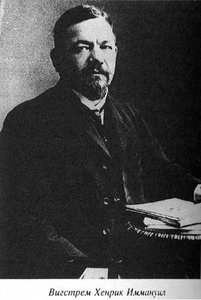
henrik immanuel wigström
1862 - 1923 , Finland
Krótka nota
- Artistic Movement Or Style: Louis XVI, Empire, Neoclassical
- Artists Who Influenced This Artist: ['Michael Evlampievich Perchin']
- Date Of Birth: October 2, 1862
- Date Of Death: March 14, 1923
- Full Name: Henrik Immanuel Wigström
- Nationality: Finnish
- Notable Artworks:
- Miniature Perfume Bottle
- Ink set
- Moon’s Face Table Clock
- Place Of Birth: Ekenäs, Finland

