

 Podgląd w skali
 Wyślij jako kartkę
 Udostępnij
 Szczegóły dzieła

 Pobierz
 Podobne obiekty
 RTG
RTG Pokaz slajdów
Nono and a guitar
 Oil On Canvas
- WallArt
- Post-Impressionism
 1910
1910- 19th Century
 65.0 x 81.0 cm
 Rozwiń treść
Giclée / Wydruk artystyczny
Druk giclée lub płótno o jakości muzealnej, szybka realizacja i szeroki wybór opcji wykończenia. ( Zamów ręcznie malowaną reprodukcję Kup obraz wysokiej rozdzielczości)




P118B $10

P118H $10

P118W $10

P438Z $10

P508JH $12

P508YH $12

P805H $10

P805Z $10

P919BZ $10

P919G $10

P919XJ $10

P959ZH $10

P968JZ $12

W106C $8

W218G $10

W218JH $8

W218Y $10

W307PJ $10

W316G $10

W316PJ $8

W316Y $10

W398PJ $8

W4111J $10

W500HY $15

W500JH $15

W692G $12

W849H $8

W940BG $15

W953PJ $8




Wybierz spośród naszych standardowych rozmiarów, które zachowują oryginalne proporcje dzieła sztuki.

Możesz wprowadzić własne wymiary, aby dopasować dzieło do konkretnej ramy lub przestrzeni. Jeśli wybrany rozmiar nie będzie odpowiadał proporcjom oryginalnego obrazu, przytniecie dzieło lub rozszerzymy obraz za pomocą odbicia lustrzanego lub jednolitego wypełnienia krawędzi. Przed rozpoczęciem produkcji prześlemy cyfrową wizualizację do Twojej akceptacji.
Prosimy pamiętać, że podgląd na ekranie nie odzwierciedla faktycznego przycinania ani rozszerzania. Tylko wizualizacja dokładnie pokaże końcową kompozycję.
Mimo dostępności niestandardowych rozmiarów, zalecamy wybór wymiaru z listy zdefiniowanej, aby zachować oryginalne proporcje.
Dostawa na cały świat () w ciągu 2 tygodni zamiast standardowych 4/5 tygodni. (29 Sierpień)

Bezpłatna ekspresowa wysyłka na cały świat

Wysokiej jakości płótno lniane

Pełne ubezpieczenie przesyłki

Gwarancja zwrotu należności celnych i podatków importowych

Gwarancja wiernego odwzorowania kolorów

Polityka 60-dniowego zwrotu (tylko w przypadku wad)

Gwarancja 100% zwrotu kosztów

Zniżka przy zamówieniu wielu produktów
 Opcja ze szkłem jest dostępna wyłącznie w rozmiarach poniżej 110 cm

Nono and a guitar
Giclée / Wydruk artystyczny
Wymiary reprodukcji
-


Cena całkowita
$ 80
A Moment Suspended in Time: Exploring Nono and a Guitar
To gaze upon Henri Lebasque's "Nono and a Guitar" is to step through the soft veil of memory and into an afternoon steeped in quiet artistry. This 1910 oil on canvas does more than merely depict a scene; it captures the very essence of leisure, intimacy, and the gentle passage of time. The composition centers around a woman seated upon a richly colored, old-fashioned couch, her focus entirely absorbed by the melody emanating from the guitar cradled in her lap. Yet, the narrative depth extends beyond this central figure. The presence of other individuals, subtly placed near the edges of the frame—one in the upper left and another in the lower right—suggests a shared moment, an audience to this private musical communion.
The Warmth of Post-Impressionist Domesticity
Lebasque, a master of capturing the quotidian beauty of Parisian life, situates us firmly within the tradition of late 19th and early 20th-century French painting. His style, while echoing the detailed observation found in artists like Paul Cezanne, possesses its own unique warmth—a palpable sense of domestic tranquility. The technique employed is masterful; Lebasque utilizes soft lighting and a palette dominated by warm hues that seem to emanate from within the canvas itself. This careful handling of light imbues the entire scene with an almost golden serenity. It speaks to a time when life, even in its most mundane moments, was considered worthy subject matter for high art.
Symbolism of Music and Connection
The guitar itself functions as the emotional anchor of the piece. Music, in art, is rarely just sound; it is emotion made visible. Here, the instrument symbolizes storytelling, connection, and perhaps a yearning for something beautiful to articulate unspoken feelings. The woman holding her cup while playing suggests a contemplative state—a moment where thought and artistry merge seamlessly. Furthermore, the inclusion of multiple figures transforms what could be a simple portrait into a tableau vivant, suggesting that even in moments of personal absorption, we are always observed, always connected to the lives around us.
Bringing History Home: Reproducing Artistry
For those who wish to invite this palpable sense of peace and historical elegance into their own living spaces, acquiring a high-quality reproduction of "Nono and a Guitar" is an act of curatorial devotion. These reproductions are crafted with meticulous care, aiming not just for visual likeness but for the very spirit that Lebasque imbued into his oils. Whether adorning a formal drawing-room or lending character to a cozy nook, owning this piece allows one to participate in the enduring conversation between art history and contemporary life. It is an investment in atmosphere, a tangible echo of Parisian grace.
O artyście
A Painter of Joy and Light: The Life and Art of Henri Lebasque
Henri Lebasque, a name perhaps less immediately recognized than some of his Post-Impressionist contemporaries, nevertheless occupies a significant place in the artistic landscape of early 20th-century France. Born in Champigné, Maine-et-Loire, in 1865, Lebasque’s journey toward becoming a celebrated painter was one marked by diligent study, evolving influences, and an unwavering commitment to capturing beauty in everyday life. His early education at the École régionale des beaux-arts d'Angers provided a foundational grounding, but it was his move to Paris in 1886 that truly ignited his artistic development. There, under the tutelage of Léon Bonnat and through assisting Ferdinand Humbert with decorative murals at the Panthéon, he honed his technical skills while immersing himself in the vibrant Parisian art scene. This period proved crucial, bringing him into contact with pivotal figures like Camille Pissarro and Auguste Renoir, whose emphasis on light and color would profoundly shape his aesthetic sensibilities.Embracing Intimacy: Influences and Artistic Development
Lebasque’s artistic trajectory wasn't solely defined by the established masters; it was equally influenced by a younger generation of artists pushing the boundaries of painting. His association with Les Nabis, particularly Édouard Vuillard and Pierre Bonnard, proved transformative. These Intimist painters prioritized domestic scenes and intimate moments, fostering in Lebasque a similar inclination toward capturing the quiet poetry of everyday existence. The Nabis’ emphasis on flattened forms, decorative patterns, and subtle color harmonies resonated deeply with his own artistic inclinations. Simultaneously, exposure to the theories of Georges Seurat and Paul Signac introduced him to the principles of Chromoluminarism – the scientific application of complementary colors to create luminous effects. This knowledge became a cornerstone of his technique, allowing him to imbue his canvases with an extraordinary vibrancy and sense of light. He wasn’t merely replicating what he saw; he was interpreting it through a lens of color and emotion, creating scenes that felt both familiar and dreamlike. His early works often reflected this influence, displaying a more somber palette before he fully embraced the bright, joyful style for which he would later become renowned.A Palette of Serenity: Themes and Techniques
The hallmark of Lebasque’s work lies in its serene atmosphere and harmonious palette. He found inspiration in the simple pleasures of life – family portraits, leisurely moments in gardens, landscapes bathed in sunlight. His paintings are not grand historical narratives or dramatic allegories; instead, they offer glimpses into intimate domesticity and the beauty of the natural world. Madame Lebasque et ses Filles, for example, exemplifies his ability to capture a tender moment with remarkable grace and sensitivity. The figures are rendered with soft brushstrokes and bathed in warm light, creating an atmosphere of peaceful contentment. He skillfully employed complementary color pairings – blues and oranges, reds and greens – to create visual excitement while maintaining an overall sense of harmony. Works like Repos sur les Quais de la Yaudet demonstrate his mastery of landscape painting, capturing the tranquility of nature with a delicate touch. His technique involved building up layers of thin, translucent paint, allowing the underlying colors to shimmer through, resulting in a luminous quality that is characteristic of his style. He paid close attention to detail, meticulously rendering fabrics and textures while maintaining an overall sense of spontaneity and freshness.The French Riviera: A Source of Inspiration
A pivotal moment in Lebasque’s artistic development occurred in 1906 when he embarked on a series of visits to the French Riviera at the suggestion of his friend and fellow Fauvist, Henri Manguin. He was immediately captivated by the brilliant color and light of the region – the azure waters of the Mediterranean, the vibrant bougainvillea, and the warm hues of the sun-drenched landscapes. This experience profoundly influenced his palette and style, leading him to adopt a brighter, more optimistic approach to painting. During these summers in Sainte-Maxime, he created some of his most beloved works, capturing the carefree spirit of the Riviera with an infectious joy. These paintings are characterized by their luminous colors, loose brushstrokes, and a sense of relaxed intimacy – often depicting family gatherings, seaside scenes, and portraits of local residents. The influence of this period is evident in many of his later works, where he continued to experiment with vibrant color combinations and dynamic compositions.Legacy and Recognition: A Lasting Impression
Throughout his career, Lebasque enjoyed considerable success, participating in prestigious exhibitions such as the Salon d’Automne – which he helped found alongside Henri Matisse – and the Salon des Indépendants. He even received commissions for decorative projects, including work at the Champs-Élysées theatre and on transatlantic liners. His paintings are now held in numerous prominent museum collections, including the Musée d'Orsay in Paris, the Petit Palais in Geneva, and museums in Lille and Nantes, attesting to his enduring artistic significance. While perhaps not as widely celebrated as some of his more avant-garde contemporaries, Henri Lebasque’s contribution to Post-Impressionism is undeniable. He offered a unique vision – one that prioritized beauty, harmony, and the quiet joys of everyday life. His paintings continue to resonate with viewers today, offering a welcome respite from the complexities of the modern world and reminding us of the enduring power of art to uplift and inspire.Exploring Lebasque’s World Today
For those seeking to delve deeper into the world of Henri Lebasque, resources abound. Online databases like OriginalUniqueArt offer a comprehensive collection of his works, alongside biographical information and insights into his artistic process. Museum websites, such as that of the Musée d'Orsay, provide access to digitized collections and scholarly articles. Furthermore, platforms dedicated to art history, like Wikipedia and Artnet, offer valuable context and analysis of his career.
Henri Lebasque
1865 - 1937 , Francja
Krótka nota
- Artistic Movement Or Style: Post-Impressionizm
- Artists Or Movements Influenced By This Artist: ['Nabis grupa']
- Artists Who Influenced This Artist:
- Camille Pissarro
- Auguste Renoir
- Date Of Birth: 25 września 1865
- Date Of Death: 7 sierpnia 1937
- Full Name: Henri Lebasque
- Nationality: Francuz
- Notable Artworks:
- La cigarette
- Una joven en el bosque
- Place Of Birth: Champigné, Francja
Powiązane artykuły

Poza Światłem i Kolorem: Impresjonizm a Postimpresjonizm dla Wymagającego Kolekcjonera
Poznaj subtelne różnice między impresjonizmem a postimpresjonizmem. Ekspercka analiza dla wymagających kolekcjonerów sztuki. Inwestycje, historia i wartość dzieł.

Impressionism vs. Post-Impressionism: A Masterclass in the Revolution of Light, Color, and Emotion
Master the nuances of Impressionism vs. Post-Impressionism with our expert guide. Explore the revolutionary shift from Monet’s fleeting light to Van Gogh’s emotional depth. Discover how these iconic movements continue to inspire fine art collectors and modern interiors today.

Trwała Spuścizna Malarstwa Olejnego: Technika, Historia i Estetyczny Wpływ
Poznaj historię i technikę malarstwa olejnego! Eksperckie artykuły o konserwacji, renowacji oraz współczesnych zastosowaniach. Dowiedz się więcej o mistrzach i trwałości obrazów olejnych.

Beyond Impressionism: How Post-Impressionism Revolutionized Modern Art through Emotion and Structure
Explore the profound evolution of art from Impressionism to Post-Impressionism. Discover how masters like Van Gogh revolutionized color and emotion, shaping modern art history through structural innovation and expressive technique.
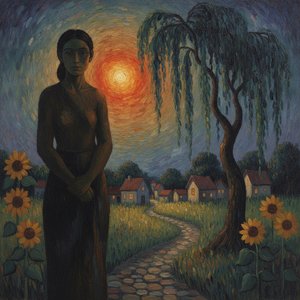
Beyond the Light: Discovering the Soul and Emotional Depth of Post-Impressionism
Embark on a cultural journey through Post-Impressionism. Discover the profound emotional depth of masters like Van Gogh and Cézanne, exploring how they moved beyond light to capture the very soul of human experience through vibrant color and symbolic form.


