
 Podgląd w skali
 Wyślij jako kartkę
 Udostępnij
 Szczegóły dzieła

 Pobierz
 Podobne obiekty
 RTG
RTG Pokaz slajdów
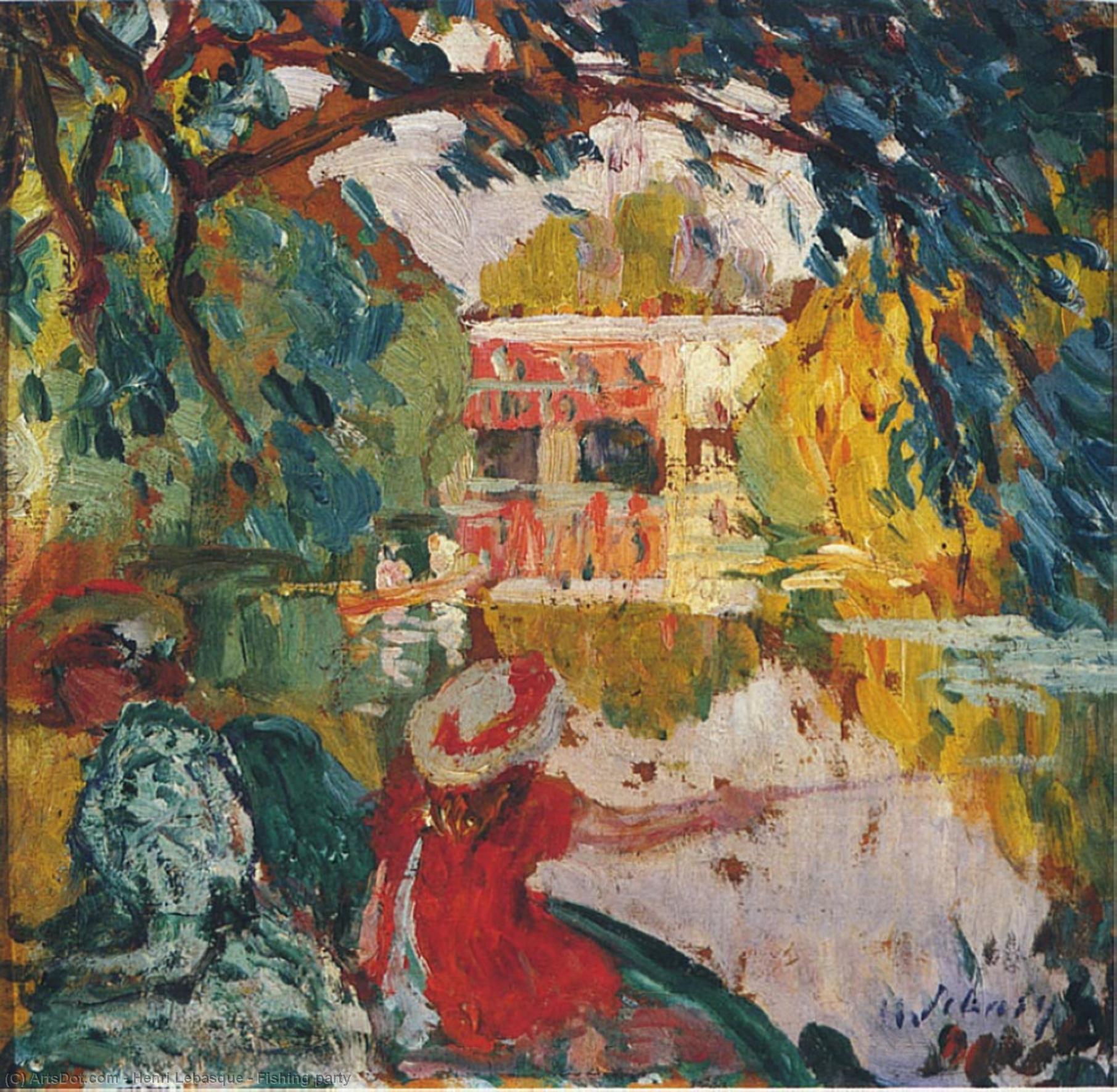
Fishing party
 Oil On Canvas
- WallArt
- Impressionist Painting
 1905
1905 16.0 x 17.0 cm
 Rozwiń treść
Giclée / Wydruk artystyczny
Druk giclée lub płótno o jakości muzealnej, szybka realizacja i szeroki wybór opcji wykończenia. ( Zamów ręcznie malowaną reprodukcję Kup obraz wysokiej rozdzielczości)




P118B $10

P118H $10

P118W $10

P438Z $10

P508JH $12

P508YH $12

P805H $10

P805Z $10

P919BZ $10

P919G $10

P919XJ $10

P959ZH $10

P968JZ $12

W106C $8

W218G $10

W218JH $8

W218Y $10

W307PJ $10

W316G $10

W316PJ $8

W316Y $10

W398PJ $8

W4111J $10

W500HY $15

W500JH $15

W692G $12

W849H $8

W940BG $15

W953PJ $8




Wybierz spośród naszych standardowych rozmiarów, które zachowują oryginalne proporcje dzieła sztuki.

Możesz wprowadzić własne wymiary, aby dopasować dzieło do konkretnej ramy lub przestrzeni. Jeśli wybrany rozmiar nie będzie odpowiadał proporcjom oryginalnego obrazu, przytniecie dzieło lub rozszerzymy obraz za pomocą odbicia lustrzanego lub jednolitego wypełnienia krawędzi. Przed rozpoczęciem produkcji prześlemy cyfrową wizualizację do Twojej akceptacji.
Prosimy pamiętać, że podgląd na ekranie nie odzwierciedla faktycznego przycinania ani rozszerzania. Tylko wizualizacja dokładnie pokaże końcową kompozycję.
Mimo dostępności niestandardowych rozmiarów, zalecamy wybór wymiaru z listy zdefiniowanej, aby zachować oryginalne proporcje.
Dostawa na cały świat () w ciągu 2 tygodni zamiast standardowych 4/5 tygodni. (18 Sierpień)

Bezpłatna ekspresowa wysyłka na cały świat

Wysokiej jakości płótno lniane

Pełne ubezpieczenie przesyłki

Gwarancja zwrotu należności celnych i podatków importowych

Gwarancja wiernego odwzorowania kolorów

Polityka 60-dniowego zwrotu (tylko w przypadku wad)

Gwarancja 100% zwrotu kosztów

Zniżka przy zamówieniu wielu produktów
 Opcja ze szkłem jest dostępna wyłącznie w rozmiarach poniżej 110 cm

Fishing party
Giclée / Wydruk artystyczny
Wymiary reprodukcji
-


Cena całkowita
$ 80
Opis kolekcjonerski
A Moment of Tranquil Leisure: Henri Lebasque's "Fishing Party"
- Subject: “Fishing Party” by Henri Lebasque captures a quintessential scene of leisure – individuals enjoying the simple pleasures of a day spent on the water. The painting depicts a group engaged in fishing, radiating an atmosphere of relaxed companionship and quiet contemplation.
- Style & Technique: Executed in the vibrant style characteristic of early 20th-century Impressionism, this oil-on-canvas work showcases Lebasque’s masterful use of color and light. The brushstrokes are loose and expressive, conveying a sense of immediacy and capturing the fleeting effects of sunlight on water and skin. The technique relies heavily on broken colour, layering hues to create depth and luminosity – a hallmark of Lebasque's approach.
Historical Context & Artistic Influences
- Impressionist Roots: Created in 1905, “Fishing Party” firmly roots itself within the Impressionist movement, a reaction against academic traditions and a focus on capturing subjective experience. Lebasque, like his contemporaries, sought to represent not just what he *saw*, but how he *felt* about it – prioritizing light, color, and atmosphere over precise detail.
- Lebasque's Parisian Circle: The painting reflects the artistic milieu of Paris at the turn of the century, a hub for innovation and experimentation. Lebasque’s training under Bonnat and Humbert exposed him to classical techniques while fostering his burgeoning interest in capturing modern life. His connection with artists like Pissarro further solidified his position within this influential circle.
Symbolism & Emotional Impact
- The Red Hat: The central figure, seated in the boat and wearing a striking red hat, immediately draws the viewer's attention. Red is often associated with passion, energy, and vitality – perhaps symbolizing the joy and exuberance of the moment.
- Atmosphere of Leisure: Beyond individual figures, the painting evokes a profound sense of tranquility and escape. The composition, with its scattered figures and shimmering water, invites the viewer to step into this idyllic scene and share in the quiet pleasure of the day. It’s a celebration of simple joys – a respite from the bustle of urban life.
Provenance & Reproduction Details
- Original Creation: This original painting, measuring 16 x 17 cm, was created in 1905 by Henri Lebasque and represents a significant piece of his oeuvre.
- Hand-Painted Reproduction: OriginalUniqueArt offers a meticulously hand-painted reproduction of “Fishing Party,” ensuring the highest level of artistic quality and detail. Each reproduction is crafted with the same care and attention to color and texture as the original, bringing Lebasque’s vision to life in a stunning new format.
O artyście
A Painter of Joy and Light: The Life and Art of Henri Lebasque
Henri Lebasque, a name perhaps less immediately recognized than some of his Post-Impressionist contemporaries, nevertheless occupies a significant place in the artistic landscape of early 20th-century France. Born in Champigné, Maine-et-Loire, in 1865, Lebasque’s journey toward becoming a celebrated painter was one marked by diligent study, evolving influences, and an unwavering commitment to capturing beauty in everyday life. His early education at the École régionale des beaux-arts d'Angers provided a foundational grounding, but it was his move to Paris in 1886 that truly ignited his artistic development. There, under the tutelage of Léon Bonnat and through assisting Ferdinand Humbert with decorative murals at the Panthéon, he honed his technical skills while immersing himself in the vibrant Parisian art scene. This period proved crucial, bringing him into contact with pivotal figures like Camille Pissarro and Auguste Renoir, whose emphasis on light and color would profoundly shape his aesthetic sensibilities.Embracing Intimacy: Influences and Artistic Development
Lebasque’s artistic trajectory wasn't solely defined by the established masters; it was equally influenced by a younger generation of artists pushing the boundaries of painting. His association with Les Nabis, particularly Édouard Vuillard and Pierre Bonnard, proved transformative. These Intimist painters prioritized domestic scenes and intimate moments, fostering in Lebasque a similar inclination toward capturing the quiet poetry of everyday existence. The Nabis’ emphasis on flattened forms, decorative patterns, and subtle color harmonies resonated deeply with his own artistic inclinations. Simultaneously, exposure to the theories of Georges Seurat and Paul Signac introduced him to the principles of Chromoluminarism – the scientific application of complementary colors to create luminous effects. This knowledge became a cornerstone of his technique, allowing him to imbue his canvases with an extraordinary vibrancy and sense of light. He wasn’t merely replicating what he saw; he was interpreting it through a lens of color and emotion, creating scenes that felt both familiar and dreamlike. His early works often reflected this influence, displaying a more somber palette before he fully embraced the bright, joyful style for which he would later become renowned.A Palette of Serenity: Themes and Techniques
The hallmark of Lebasque’s work lies in its serene atmosphere and harmonious palette. He found inspiration in the simple pleasures of life – family portraits, leisurely moments in gardens, landscapes bathed in sunlight. His paintings are not grand historical narratives or dramatic allegories; instead, they offer glimpses into intimate domesticity and the beauty of the natural world. Madame Lebasque et ses Filles, for example, exemplifies his ability to capture a tender moment with remarkable grace and sensitivity. The figures are rendered with soft brushstrokes and bathed in warm light, creating an atmosphere of peaceful contentment. He skillfully employed complementary color pairings – blues and oranges, reds and greens – to create visual excitement while maintaining an overall sense of harmony. Works like Repos sur les Quais de la Yaudet demonstrate his mastery of landscape painting, capturing the tranquility of nature with a delicate touch. His technique involved building up layers of thin, translucent paint, allowing the underlying colors to shimmer through, resulting in a luminous quality that is characteristic of his style. He paid close attention to detail, meticulously rendering fabrics and textures while maintaining an overall sense of spontaneity and freshness.The French Riviera: A Source of Inspiration
A pivotal moment in Lebasque’s artistic development occurred in 1906 when he embarked on a series of visits to the French Riviera at the suggestion of his friend and fellow Fauvist, Henri Manguin. He was immediately captivated by the brilliant color and light of the region – the azure waters of the Mediterranean, the vibrant bougainvillea, and the warm hues of the sun-drenched landscapes. This experience profoundly influenced his palette and style, leading him to adopt a brighter, more optimistic approach to painting. During these summers in Sainte-Maxime, he created some of his most beloved works, capturing the carefree spirit of the Riviera with an infectious joy. These paintings are characterized by their luminous colors, loose brushstrokes, and a sense of relaxed intimacy – often depicting family gatherings, seaside scenes, and portraits of local residents. The influence of this period is evident in many of his later works, where he continued to experiment with vibrant color combinations and dynamic compositions.Legacy and Recognition: A Lasting Impression
Throughout his career, Lebasque enjoyed considerable success, participating in prestigious exhibitions such as the Salon d’Automne – which he helped found alongside Henri Matisse – and the Salon des Indépendants. He even received commissions for decorative projects, including work at the Champs-Élysées theatre and on transatlantic liners. His paintings are now held in numerous prominent museum collections, including the Musée d'Orsay in Paris, the Petit Palais in Geneva, and museums in Lille and Nantes, attesting to his enduring artistic significance. While perhaps not as widely celebrated as some of his more avant-garde contemporaries, Henri Lebasque’s contribution to Post-Impressionism is undeniable. He offered a unique vision – one that prioritized beauty, harmony, and the quiet joys of everyday life. His paintings continue to resonate with viewers today, offering a welcome respite from the complexities of the modern world and reminding us of the enduring power of art to uplift and inspire.Exploring Lebasque’s World Today
For those seeking to delve deeper into the world of Henri Lebasque, resources abound. Online databases like OriginalUniqueArt offer a comprehensive collection of his works, alongside biographical information and insights into his artistic process. Museum websites, such as that of the Musée d'Orsay, provide access to digitized collections and scholarly articles. Furthermore, platforms dedicated to art history, like Wikipedia and Artnet, offer valuable context and analysis of his career.
Henri Lebasque
1865 - 1937 , Francja
Krótka nota
- Artistic Movement Or Style: Post-Impressionizm
- Artists Or Movements Influenced By This Artist: ['Nabis grupa']
- Artists Who Influenced This Artist:
- Camille Pissarro
- Auguste Renoir
- Date Of Birth: 25 września 1865
- Date Of Death: 7 sierpnia 1937
- Full Name: Henri Lebasque
- Nationality: Francuz
- Notable Artworks:
- La cigarette
- Una joven en el bosque
- Place Of Birth: Champigné, Francja
Powiązane artykuły
Odtwarzanie Sztuki: Przewodnik po Średnicach Reprodukcji – Olej, Płótno i Papier
Poznaj świat wysokiej jakości reprodukcji obrazów w ! Oferujemy wierne kopie arcydzieł, druki na płótnie i obrazy malowane ręcznie. Poradniki, personalizacja i gwarancja satysfakcji.

Od płótna do dziedzictwa: Sztuka ręcznego odtwarzania obrazów olejnych dla hoteli i galerii
Odkryj sztukę ręcznego odtwarzania obrazów olejnych z najwyższą precyzją i dbałością o detale. Idealne reprodukcje dla hoteli, galerii i prywatnych kolekcji. Doradztwo artystyczne i zamówienia na wymiar.
Odbitki Giclée: Jakość Archiwalna i Estetyczne Niuanse dla Wymagającego Kolekcjonera
Poznaj sekrety druku giclée – technologii zapewniającej najwyższą jakość reprodukcji sztuki i trwałość archiwalaną. Poradnik dla wymagających kolekcjonerów o wyborze papieru, tuszy i profilach kolorystycznych.
Pierre-Auguste Renoir: 25 Arcydzieł Pełnych Światła i Uroków | OriginalUniqueArt.com
Odkryj 25 najpiękniejszych obrazów Pierre’a-Auguste Renoir! Poznaj historię impresjonizmu, światło w jego malarstwie i arcydzieła takie jak 'Taniec w Le Moulin de la Galette'. Reprodukcje najwyższej jakości na OriginalUniqueArt.com – inspiracje dla Twojego wnętrza.

The Enduring Legacy of Masterpieces: A Comprehensive Exploration of Fine Art Reproduction Techniques
Discover museum-quality art reproductions & custom paintings at OriginalUniqueArt. Expert craftsmanship, personalized service, and a satisfaction guarantee. Bring timeless beauty to your home today!


