

 Podgląd w skali
 Wyślij jako kartkę
 Udostępnij
 Szczegóły dzieła

 Pobierz
 Podobne obiekty
 RTG
RTG Pokaz slajdów
The Table, Gerberoy
 Oil On Canvas
- WallArt
 1901
1901- Modern
 73.0 x 70.0 cm
 Rozwiń treść
Giclée / Wydruk artystyczny
Druk giclée lub płótno o jakości muzealnej, szybka realizacja i szeroki wybór opcji wykończenia. ( Zamów ręcznie malowaną reprodukcję Kup obraz wysokiej rozdzielczości)




P118B $10

P118H $10

P118W $10

P438Z $10

P508JH $12

P508YH $12

P805H $10

P805Z $10

P919BZ $10

P919G $10

P919XJ $10

P959ZH $10

P968JZ $12

W106C $8

W218G $10

W218JH $8

W218Y $10

W307PJ $10

W316G $10

W316PJ $8

W316Y $10

W398PJ $8

W4111J $10

W500HY $15

W500JH $15

W692G $12

W849H $8

W940BG $15

W953PJ $8




Wybierz spośród naszych standardowych rozmiarów, które zachowują oryginalne proporcje dzieła sztuki.

Możesz wprowadzić własne wymiary, aby dopasować dzieło do konkretnej ramy lub przestrzeni. Jeśli wybrany rozmiar nie będzie odpowiadał proporcjom oryginalnego obrazu, przytniecie dzieło lub rozszerzymy obraz za pomocą odbicia lustrzanego lub jednolitego wypełnienia krawędzi. Przed rozpoczęciem produkcji prześlemy cyfrową wizualizację do Twojej akceptacji.
Prosimy pamiętać, że podgląd na ekranie nie odzwierciedla faktycznego przycinania ani rozszerzania. Tylko wizualizacja dokładnie pokaże końcową kompozycję.
Mimo dostępności niestandardowych rozmiarów, zalecamy wybór wymiaru z listy zdefiniowanej, aby zachować oryginalne proporcje.
Dostawa na cały świat () w ciągu 2 tygodni zamiast standardowych 4/5 tygodni. (26 Sierpień)

Bezpłatna ekspresowa wysyłka na cały świat

Wysokiej jakości płótno lniane

Pełne ubezpieczenie przesyłki

Gwarancja zwrotu należności celnych i podatków importowych

Gwarancja wiernego odwzorowania kolorów

Polityka 60-dniowego zwrotu (tylko w przypadku wad)

Gwarancja 100% zwrotu kosztów

Zniżka przy zamówieniu wielu produktów
 Opcja ze szkłem jest dostępna wyłącznie w rozmiarach poniżej 110 cm

The Table, Gerberoy
Giclée / Wydruk artystyczny
Wymiary reprodukcji
-


Cena całkowita
$ 80
Opis kolekcjonerski
Subject and Atmosphere
The Table, Gerberoy invites the viewer into a quiet moment of domestic grace. A modest dining table, set with wine glasses, bowls, cups, and bottles, occupies the center of a softly lit room. Two chairs flank the table, one on each side, while a vase rests near its heart, adding a touch of floral elegance. The scene is punctuated by two figures: a seated person absorbed in conversation or contemplation, and another standing nearby, perhaps pausing to breathe in the scent of wine and bread. Light pours through a window with shutters, bathing the room in a gentle glow that suggests late afternoon warmth. The overall effect is one of intimacy and invitation, as if the viewer has been welcomed into a private gathering.Technique and Color
Le Sidaner’s mastery of oil on canvas shines through in this 1901 work. His brushwork balances delicate detail with broader washes that convey texture without overwhelming the eye. The palette is warm yet restrained, dominated by earthy browns, muted greens, and soft golds that echo the natural light filtering from the window. Subtle variations in hue capture the play of shadow across porcelain and wood, while a gentle glazing technique lends depth to the glassware and the translucent quality of the vase’s liquid. The artist’s careful attention to light and shadow creates a sense of three‑dimensionality, making the scene feel both tangible and serene.Historical Context and Artist
Henri Le Sidaner, born in Port Louis, Mauritius, spent his formative years in France after moving there with his family in 1872. He studied at the École nationale supérieure des beaux‑arts under Alexandre Cabanel before carving out a distinct path influenced by Manet and Monet. By 1901, when The Table, Gerberoy was painted, Le Sidaner had already established himself as an observer of everyday life, capturing quiet moments with a lyrical touch that resonated with the Belle Époque’s fascination with domesticity. This painting reflects his commitment to portraying ordinary scenes with extraordinary sensitivity, offering viewers a window into the simple pleasures of early twentieth‑century France.Symbolism and Emotional Impact
Beyond its surface beauty, The Table, Gerberoy speaks to universal themes of hospitality, community, and the quiet rituals that bind us. The table itself is a symbol of nourishment—both physical and emotional—while the wine glasses hint at celebration or shared conversation. Light becomes a metaphor for hope and clarity, illuminating the space where people gather. For collectors and interior designers alike, this work offers more than aesthetic appeal; it provides an atmosphere of warmth that can transform any setting into a haven of comfort and connection. The painting’s gentle narrative invites viewers to pause, reflect, and perhaps imagine their own stories unfolding within its frame.O artyście
Early Life and Background
Henri Eugène Augustin Le Sidaner, a name synonymous with the quiet beauty of French interiors and twilight landscapes, was born on August 7th, 1862, in the bustling port city of Port Louis, Mauritius. His origins were deeply rooted in Breton heritage – his father, Jean Marie Le Sidaner, worked as a ship inspector for Lloyd’s, a position that necessitated frequent travels and exposed young Henri to diverse cultures and landscapes. The family's life took an important turn in 1872 when they relocated to Dunkerque, France, establishing a new home amidst the northern French coast.
From a tender age, Henri displayed a remarkable sensitivity to art and a keen eye for detail. His parents, recognizing his artistic inclinations, provided him with early support and encouragement, fostering a passion that would shape his entire life’s work. He began his formal artistic training at the Collège et Lycée Notre Dame des Dunes in Dunkerque, where he honed his skills and developed a foundational understanding of art principles.
A pivotal moment arrived through a prestigious scholarship – a generous award from the city of Dunkerque that afforded him the opportunity to pursue his artistic ambitions in Paris. This move marked a significant step towards realizing his potential, allowing him access to the vibrant artistic community and renowned institutions of the capital.
Artistic Training and Influences
Paris proved to be a crucible for Le Sidaner’s artistic development. He enrolled at the École nationale supérieure des beaux-arts, one of France's most prestigious art schools, where he studied under Alexandre Cabanel, a prominent figure in Belle Époque French painting. However, their artistic philosophies ultimately diverged, leading to a respectful but firm separation – Le Sidaner sought a more personal and expressive approach than Cabanel’s academic style offered.
Despite this departure, his early years were profoundly influenced by the groundbreaking movements of the time. He was deeply captivated by the Impressionists, particularly Édouard Manet and Claude Monet, drawn to their innovative use of light, color, and brushwork. Equally significant was his engagement with the Pointillist movement, admiring its systematic approach to creating visual effects through small dots of pure color.
Seeking further artistic growth and collaboration, Le Sidaner joined the Colonie artistique d’Étaples, a collective of artists based in Étaples. This association proved invaluable, providing him with a supportive environment, shared experiences, and opportunities to refine his skills under the guidance of fellow artists.
Artistic Style and Development
Le Sidaner's artistic style is instantly recognizable for its distinctive atmosphere and evocative quality. He favored subdued colors – predominantly greys, blues, and ochres – skillfully blended with subtle opals to create a sense of depth and luminosity. His technique involved applying paint with uneven, dappled brushstrokes, a deliberate choice that resulted in a textured surface and a unique visual effect.
He is particularly celebrated for his nocturnes—paintings capturing the ethereal beauty of twilight hours. Le Sidaner possessed an extraordinary ability to translate the subtle nuances of light and shadow into compelling imagery, evoking feelings of tranquility, mystery, and introspection. His work evolved over time, moving away from purely imitative approaches and developing a more personal style that blended Impressionistic techniques with elements of Symbolism.
In 1905, Le Sidaner sought refuge in Gerberoy, a small village in the Picardy countryside, where he spent over thirty years. This period marked a significant shift in his artistic focus, as he became renowned for his captivating views of the gardens surrounding the ruins of a medieval fortress. These paintings, often featuring dappled sunlight and delicate roses, solidified his reputation as a master of atmospheric landscapes.
Major Works and Recognition
Throughout his career, Le Sidaner produced a remarkable body of work, including iconic paintings such as “Still Life and a Window, Gisors” and “A Beauvais Square by Moonlight.” His works are held in prestigious collections, notably at the Musée des Beaux-Arts Tournai in Belgium. His artistic talent was widely recognized during his lifetime, earning him accolades and exhibitions across France and internationally.
In 1913, Le Sidaner received a distinguished honor – he was named a Chevalier of the Legion of Honor, a testament to his significant contributions to French art and culture. His Venice paintings garnered considerable acclaim in 1905, attracting attention from both London and Paris.
Historical Significance
Henri Le Sidaner is often considered a pivotal figure bridging the gap between Impressionism and Post-Impressionism. While deeply influenced by the Impressionist movement, he developed a unique style characterized by a heightened sense of atmosphere, subtle color harmonies, and an exploration of emotional depth. He stands apart from his contemporaries due to his distinctive approach to capturing light, shadow, and the essence of everyday life.
His legacy continues to inspire artists today, as evidenced by ongoing exhibitions showcasing his work and its enduring appeal. Le Sidaner’s paintings offer a glimpse into intimate moments, tranquil landscapes, and the quiet beauty of the French countryside – a testament to his artistic vision and lasting contribution to the world of art.
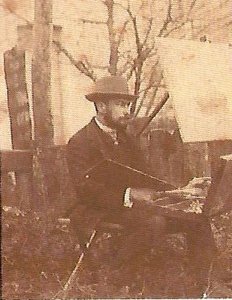
Henri Le Sidaner
1862 - 1939 , Mauritius
Krótka nota
- Artistic Movement Or Style: Impresjonizm, Intymizm
- Artists Or Movements Influenced By This Artist: ['Postimpresjonizm']
- Artists Who Influenced This Artist:
- Manet
- Monet
- Pointillistes
- Date Of Birth: 7 sierpnia 1862
- Date Of Death: 14 lipca 1939
- Full Name: Henri Eugène Augustin Le Sidaner
- Nationality: Francuz
- Notable Artworks:
- Still life i okno, Gisors
- Beauvais Square by Moonlight
- Place Of Birth: Port Louis, Mauritius
Powiązane artykuły

Trwała Spuścizna Malarstwa Olejnego: Technika, Historia i Estetyczny Wpływ
Poznaj historię i technikę malarstwa olejnego! Eksperckie artykuły o konserwacji, renowacji oraz współczesnych zastosowaniach. Dowiedz się więcej o mistrzach i trwałości obrazów olejnych.

Olej na płótnie: Historia, techniki i ponadczasowy urok malarskiego medium
Poznaj historię i techniki malarstwa olejowego! Od renesansowych mistrzów po współczesne zastosowania – wszystko o oleju na płótnie. Poradniki, konserwacja i inspiracje dla pasjonatów sztuki.

Trwała Spuścizna Malarstwa Olejnego: Technika, Historia i Współczesna Praktyka
Poznaj historię i techniki malarstwa olejnego. Poradniki dla artystów, informacje o konserwacji oraz możliwość zamówienia wysokiej jakości reprodukcji obrazów. Ekspercka wiedza i gwarancja trwałości dzieł sztuki.
10 arcydzieł malarstwa olejnego, które na zawsze zmieniły sztukę | OriginalUniqueArt.com
Poznaj 10 arcydzieł malarstwa olejowego, które zrewolucjonizowały świat sztuki! Van Gogh, Monet, Picasso i inni – odkryj historie, techniki i emocje w słynnych obrazach. Reprodukcje najwyższej jakości na OriginalUniqueArt.com. Eksploruj kolekcję online!
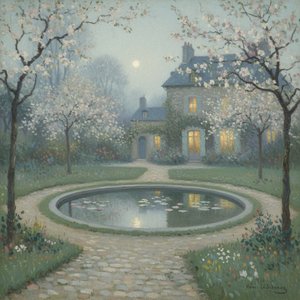
Henri Le Sidaner: Evoking Atmosphere & Intimacy in Post-Impressionist Landscapes
Discover the evocative world of Henri Le Sidaner, a master of Intimist painting. Explore his tranquil landscapes & atmospheric interiors – a celebration of light and intimacy. Learn about his life, style, and lasting legacy.

