
 Podgląd w skali 1:1
 Wyślij jako kartkę
 Udostępnij
 Szczegóły dzieła
 Przewodnik

 Pobierz obraz
 Podobne obiekty
 RTG
RTG Pokaz slajdów
 Q&A
Q&A Statystyki
Le Pavillon

- 81.0 x 100.0 cm


 Rozwiń treść
Otrzymaj plik gotowy do druku, którego jakość znacznie przewyższa podgląd internetowy. Każdy sprzedawany przez nas obraz cyfrowy pochodzi z wysokorozdzielczego pliku wzorcowego w naszej bazie — zazwyczaj o szerokości od 5 000 do 15 000 pikseli — dzięki czemu możesz drukować w dużym formacie, mocno kadrować lub z pełnym przekonaniem odwzorowywać najdrobniejsze detale.
Żaden plik nie opuszcza naszego studia bez odpowiedniej obróbki. Ekspert ds. cyfrowej edycji sprawdza zgodność kolorów z oryginałem i w razie potrzeby je koryguje, a następnie za pomocą profesjonalnych narzędzi do retuszu poprawia ostrość oraz szczegółowość — zawsze zachowując wierność pociągnięciom pędzla i stylowi artysty. Rezultatem jest obraz, który wygląda jak prawdziwe dzieło, a nie jak przefiltrowany skan.
Zatwierdzasz przed finalizacją zamówienia: nasz ekspert prześle obraz drogą mailową w ciągu 72 godzin do Twojego wglądu. Nie jesteś zadowolony? Poproś o poprawki lub korektę, bądź o zwrot kosztów, jeśli jakość nie spełnia oczekiwań.
To jakość, na której polegają wydawcy, studia projektowe, galerie oraz drukarnie.
Obraz cyfrowy
Pobierz plik o wysokiej rozdzielczości do osobistego użytku, druku oraz projektów kreatywnych. ( Przełącz na wydania drukowane Zamów ręcznie malowaną reprodukcję)
W każdym zamówieniu na obraz cyfrowy znajduje się
Profesjonalna dostawa cyfrowa z gwarancją
Wybierając OriginalUniqueArt.com, nie otrzymujesz jedynie obrazu – otrzymujesz profesjonalnie udoskonalone cyfrowe dzieło sztuki, stworzone z najwyższą precyzją i objęte gwarancją satysfakcji. Oto wszystko, co automatycznie dołączane jest do Twojego zamówienia:

Błyskawiczna wysyłka e-mailowa
Plik z obrazem cyfrowym w wysokiej rozdzielczości zostanie przesłany na Twój adres e-mail w ciągu 72 godzin od złożenia zamówienia – gotowy do natychmiastowego użycia.

Plik cyfrowy wzbogacony przez AI
Twoja grafika została profesjonalnie zoptymalizowana przy użyciu zaawansowanych narzędzi AI oraz ręcznej edycji, co zapewnia maksymalną szczegółowość, klarowność i wierność kolorów.

Darmowe ponowne przesyłki dożywotnio
Przypadkowo usunąłeś lub zgubiłeś swój plik? Bez obaw – prześlemy go Tobie ponownie w dowolnym momencie, bez żadnych opłat.

Bez opłat importowych – zawsze
Ciesz się swoją sztuką natychmiast, bez żadnych opłat celnych, należności ani kosztów dostawy – pliki cyfrowe są zawsze wolne od podatku.

Gwarancja wierności kolorów
Dzięki zastosowaniu profesjonalnych narzędzi i procesów zarządzania barwą zapewniamy, że Twoje cyfrowe zdjęcie odzwierciedla oryginalne kolory tak wiernie, jak to tylko możliwe.

Gwarancja satysfakcji przez 100 dni
Jeśli nie będziesz zadowolony ze swojego cyfrowego obrazu, dokonamy jego poprawki lub zwrócimy 100% kosztów w ciągu 100 dni – bez zbędnych pytań.

100% Gwarancja zwrotu pieniędzy
Nie jesteś zadowolony? Otrzymaj pełny zwrot kosztów w ciągu 100 dni od otrzymania pliku cyfrowego – bez zbędnych pytań.

Rabaty przy zamówieniach hurtowych
Kup 3 obrazy, oszczędź 10% - Kup 5, oszczędź 15% - Kup 10+, oszczędź 20%. Idealne do projektów kreatywnych, galerii i agencji.
Le Pavillon: A Glimpse of Tranquility by Henri Le Sidaner
Henri Le Sidaner's "Le Pavillon," painted in 1909, is an exquisite example of Intimist painting, capturing a serene garden scene with remarkable atmospheric depth. Measuring 81 x 100 cm, this oil on canvas artwork transports viewers to a world of quiet beauty and gentle contemplation. The piece exemplifies Le Sidaner's signature style – characterized by soft light, muted colors, and an almost dreamlike quality—and offers a window into the artist’s personal haven in Gerberoy.
Subject & Composition: A Garden Sanctuary
"Le Pavillon" depicts a picturesque garden setting centered around a circular fountain adorned with roses. The fountain's presence serves as a focal point, drawing the eye and establishing a sense of harmony within the composition. Lush greenery surrounds the fountain, creating a vibrant backdrop that contrasts beautifully with the soft pink hues of the flowers. A charming cottage nestled in the background adds depth and context to the scene, suggesting a secluded retreat from the bustle of everyday life. The perspective is subtly flattened, enhancing the painting's atmospheric quality and contributing to its overall sense of tranquility. The foreground features a circular bed covered with white flowers and green moss, leading the eye towards the central fountain. Behind the fountain, a small cottage with a thatched roof provides a focal point. The background consists of dense foliage and rolling hills, further blurring the lines between objects and creating a sense of atmospheric perspective.
Style & Technique: Impressionistic Nuances
Le Sidaner’s style is deeply rooted in Impressionism but transcends it with his unique Intimist approach. He masterfully employs loose brushstrokes and subtle color variations to capture the fleeting effects of light and atmosphere. Unlike some Impressionists who focused on capturing a moment's vibrancy, Le Sidaner sought to evoke a sense of quiet introspection and peaceful solitude. The painting’s palette leans towards muted greens, pinks, and browns, creating a harmonious and calming visual experience. The technique involves layering paint in short, broken strokes to build up color and form. This creates a hazy effect that enhances the dreamlike quality of the scene. Le Sidaner's use of light is particularly noteworthy; he skillfully depicts diffused sunlight filtering through the foliage, casting soft shadows and highlighting the delicate details of the flowers and fountain.
Historical Context & Symbolism: Gerberoy’s Embrace
“Le Pavillon” was created during a period when Impressionism had evolved into various artistic movements. Le Sidaner, however, remained true to his Intimist sensibilities, focusing on intimate scenes of domesticity and nature. The painting is intrinsically linked to the artist's life in Gerberoy, a village he adopted as his home in the early 20th century. He restored a medieval fortress there and cultivated enchanting gardens, which became recurring subjects in his mature works. The garden itself symbolizes tranquility, refuge, and the beauty of simple pleasures. The fountain can be interpreted as a source of life and renewal, while the cottage represents comfort and security. Symbolically, the scene evokes themes of nostalgia, peaceful solitude, and the enduring power of nature to soothe the soul.
Emotional Impact & Legacy: A Timeless Retreat
"Le Pavillon" resonates with viewers through its ability to evoke a sense of calm and serenity. The painting’s gentle colors, soft light, and harmonious composition create an atmosphere of peaceful contemplation. It offers a visual escape from the stresses of modern life, inviting viewers to immerse themselves in a world of quiet beauty. Le Sidaner's work continues to be admired for its dreamlike allure and its striking blend of impressionistic technique with contemplative themes. For those interested in purchasing handmade oil painting reproductions of this stunning garden scene, OriginalUniqueArt.com offers a wide range of options.
Pytania i odpowiedzi
Ile lat miał Henri Le Sidaner, gdy powstało dzieło „Le Pavillon”?
Henri Le Sidaner stworzył/a "Le Pavillon" w wieku 47 lat. Artysta urodził/a się w 1862, a datowanie dzieła to 1909.
Jakie kolory dominują w dziele „Le Pavillon” – Henri Le Sidaner?
„Le Pavillon” – Henri Le Sidaner wykorzystuje paletę w odcieniach Dark, w której dominuje kolor Driftwood (#898d4e).
Jaka jest technika i data powstania „Le Pavillon” – Henri Le Sidaner?
Technika wykonania dzieła „Le Pavillon” – Henri Le Sidaner to Oil On Canvas, a datowanie pracy pochodzi z 1909.
Biografia artysty
Early Life and Background
Henri Eugène Augustin Le Sidaner, a name synonymous with the quiet beauty of French interiors and twilight landscapes, was born on August 7th, 1862, in the bustling port city of Port Louis, Mauritius. His origins were deeply rooted in Breton heritage – his father, Jean Marie Le Sidaner, worked as a ship inspector for Lloyd’s, a position that necessitated frequent travels and exposed young Henri to diverse cultures and landscapes. The family's life took an important turn in 1872 when they relocated to Dunkerque, France, establishing a new home amidst the northern French coast.
From a tender age, Henri displayed a remarkable sensitivity to art and a keen eye for detail. His parents, recognizing his artistic inclinations, provided him with early support and encouragement, fostering a passion that would shape his entire life’s work. He began his formal artistic training at the Collège et Lycée Notre Dame des Dunes in Dunkerque, where he honed his skills and developed a foundational understanding of art principles.
A pivotal moment arrived through a prestigious scholarship – a generous award from the city of Dunkerque that afforded him the opportunity to pursue his artistic ambitions in Paris. This move marked a significant step towards realizing his potential, allowing him access to the vibrant artistic community and renowned institutions of the capital.
Artistic Training and Influences
Paris proved to be a crucible for Le Sidaner’s artistic development. He enrolled at the École nationale supérieure des beaux-arts, one of France's most prestigious art schools, where he studied under Alexandre Cabanel, a prominent figure in Belle Époque French painting. However, their artistic philosophies ultimately diverged, leading to a respectful but firm separation – Le Sidaner sought a more personal and expressive approach than Cabanel’s academic style offered.
Despite this departure, his early years were profoundly influenced by the groundbreaking movements of the time. He was deeply captivated by the Impressionists, particularly Édouard Manet and Claude Monet, drawn to their innovative use of light, color, and brushwork. Equally significant was his engagement with the Pointillist movement, admiring its systematic approach to creating visual effects through small dots of pure color.
Seeking further artistic growth and collaboration, Le Sidaner joined the Colonie artistique d’Étaples, a collective of artists based in Étaples. This association proved invaluable, providing him with a supportive environment, shared experiences, and opportunities to refine his skills under the guidance of fellow artists.
Artistic Style and Development
Le Sidaner's artistic style is instantly recognizable for its distinctive atmosphere and evocative quality. He favored subdued colors – predominantly greys, blues, and ochres – skillfully blended with subtle opals to create a sense of depth and luminosity. His technique involved applying paint with uneven, dappled brushstrokes, a deliberate choice that resulted in a textured surface and a unique visual effect.
He is particularly celebrated for his nocturnes—paintings capturing the ethereal beauty of twilight hours. Le Sidaner possessed an extraordinary ability to translate the subtle nuances of light and shadow into compelling imagery, evoking feelings of tranquility, mystery, and introspection. His work evolved over time, moving away from purely imitative approaches and developing a more personal style that blended Impressionistic techniques with elements of Symbolism.
In 1905, Le Sidaner sought refuge in Gerberoy, a small village in the Picardy countryside, where he spent over thirty years. This period marked a significant shift in his artistic focus, as he became renowned for his captivating views of the gardens surrounding the ruins of a medieval fortress. These paintings, often featuring dappled sunlight and delicate roses, solidified his reputation as a master of atmospheric landscapes.
Major Works and Recognition
Throughout his career, Le Sidaner produced a remarkable body of work, including iconic paintings such as “Still Life and a Window, Gisors” and “A Beauvais Square by Moonlight.” His works are held in prestigious collections, notably at the Musée des Beaux-Arts Tournai in Belgium. His artistic talent was widely recognized during his lifetime, earning him accolades and exhibitions across France and internationally.
In 1913, Le Sidaner received a distinguished honor – he was named a Chevalier of the Legion of Honor, a testament to his significant contributions to French art and culture. His Venice paintings garnered considerable acclaim in 1905, attracting attention from both London and Paris.
Historical Significance
Henri Le Sidaner is often considered a pivotal figure bridging the gap between Impressionism and Post-Impressionism. While deeply influenced by the Impressionist movement, he developed a unique style characterized by a heightened sense of atmosphere, subtle color harmonies, and an exploration of emotional depth. He stands apart from his contemporaries due to his distinctive approach to capturing light, shadow, and the essence of everyday life.
His legacy continues to inspire artists today, as evidenced by ongoing exhibitions showcasing his work and its enduring appeal. Le Sidaner’s paintings offer a glimpse into intimate moments, tranquil landscapes, and the quiet beauty of the French countryside – a testament to his artistic vision and lasting contribution to the world of art.
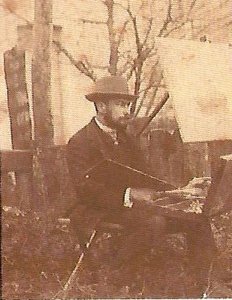
Henri Le Sidaner
1862 - 1939 , Mauritius
Krótka nota
- Artistic Movement Or Style: Impresjonizm, Intymizm
- Artists Or Movements Influenced By This Artist: ['Postimpresjonizm']
- Artists Who Influenced This Artist:
- Manet
- Monet
- Pointillistes
- Date Of Birth: 7 sierpnia 1862
- Date Of Death: 14 lipca 1939
- Full Name: Henri Eugène Augustin Le Sidaner
- Nationality: Francuz
- Notable Artworks:
- Still life i okno, Gisors
- Beauvais Square by Moonlight
- Place Of Birth: Port Louis, Mauritius