

 Zobacz w skali 1:1
 Wyślij
 Udostępnij
 Szczegóły
 Przewodnik

 Pobierz plik obrazu
 Podobne obiekty
 RTG
RTG Pokaz slajdów
 Statystyki
Crémieu
 Oil On Canvas
- WallArt
- Romanticism
 1847
1847 38.0 x 46.0 cm
 Fitzwilliam College
 Czytaj więcej
Giclée / Wydruk artystyczny
Wydruki giclée lub płótna o jakości muzealnej, szybka realizacja i szeroki wybór opcji wykończenia. ( Kup ręcznie malowany obraz Przełącz na wersję cyfrową)




P118B zł10

P118H zł10

P118W zł10

P438Z zł10

P508JH zł12

P508YH zł12

P805H zł10

P805Z zł10

P919BZ zł10

P919G zł10

P919XJ zł10

P959ZH zł10

P968JZ zł12

W106C zł8

W218G zł10

W218JH zł8

W218Y zł10

W307PJ zł10

W316G zł10

W316PJ zł8

W316Y zł10

W398PJ zł8

W4111J zł10

W500HY zł15

W500JH zł15

W692G zł12

W849H zł8

W940BG zł15

W953PJ zł8




Wybierz spośród naszych standardowych rozmiarów, które zachowują oryginalne proporcje dzieła sztuki.

Wpisz wymaganą szerokość i wysokość, aby dopasować grafikę do ramy lub ściany. Wydruk można jedynie przyciąć, nigdy nie powiększając go poza oryginalny obraz, dlatego format o innym proporcji spowoduje utratę części kompozycji. Przed rozpoczęciem druku prześlemy Ci cyfrowy podgląd do zatwierdzenia. Obraz wyświetlany na tej stronie nie pokazuje rzeczywistego przycięcia — jedynie podgląd oddaje ten efekt.
Dostawa na cały świat () w ciągu 2 tygodni zamiast standardowych 4/5 tygodni. (25 Październik)

Bezpłatna ekspresowa wysyłka na cały świat

Wysokiej jakości płótno lniane

Pełne ubezpieczenie transportowe

Gwarancja zwrotu należności celnych i podatków importowych

Gwarancja idealnego odwzorowania barw

100-dniowy okres na zwrot dzieła w przypadku wykrycia wad produkcyjnych

Gwarancja 100% zwrotu pieniędzy

Oferta przy zakupie wielu sztuk
 Opcja ze szkłem jest dostępna wyłącznie w rozmiarach poniżej 110 cm

Crémieu
Giclée / Wydruk artystyczny
Rozmiar reprodukcji
-


Suma do zapłaty
zł 307
A Dramatic Vista of the French Countryside
Henri-Joseph Harpignies’ “Crémieu” (1847) is more than just a landscape painting; it's an immersive experience, a carefully constructed tableau that invites contemplation on the relationship between humanity and the vastness of nature. The scene unfolds within the foothills of the French Alps, depicting a rugged, almost primordial terrain dominated by towering cliffs and a winding path that draws the eye relentlessly into the distance. The painting immediately establishes a sense of solitude and grandeur – an emotional resonance deeply rooted in the Romantic tradition, yet subtly informed by Harpignies’ meticulous observation of light and texture.

The composition is masterfully executed, utilizing a strong diagonal line created by the path to guide the viewer’s gaze and establish a dynamic flow through the scene. The foreground, rendered in earthy browns and ochres, features a dirt road and scattered rocks, gradually transitioning into the imposing cliffs that form the central focus of the painting. These cliffs aren't merely geological formations; they possess an almost sculptural quality, their weathered surfaces hinting at centuries of exposure to the elements. In the distance, a subtle atmospheric perspective – a softening of colors and details as depth increases – suggests the immense scale of the landscape and evokes a feeling of both awe and vulnerability.
The Barbizon School and Luminism
Harpignies’ work firmly places him within the context of the Barbizon School, a movement that championed direct observation of nature and a rejection of academic artifice. Unlike earlier landscape painters who relied heavily on idealized representations, the Barbizon artists sought to capture the essence of the French countryside as they experienced it – with its rough textures, subtle shifts in light, and inherent imperfections. “Crémieu” exemplifies this approach, eschewing smooth brushstrokes and carefully blended colors in favor of visible marks that convey a sense of immediacy and spontaneity. Furthermore, the painting’s emphasis on atmospheric effects aligns closely with Luminism, a style characterized by its soft, diffused lighting and focus on capturing the subtle nuances of light and shadow.
Born in Valenciennes in 1819, Harpignies initially pursued a business career before dedicating himself to art. His early training under Jean Achard instilled in him a solid foundation in draughtsmanship, while his subsequent journey to Italy exposed him to the principles of the Barbizon School and fostered a deep appreciation for the Italian landscape tradition. The painting’s muted palette – dominated by browns, greens, and grays – contributes significantly to its evocative atmosphere, creating a sense of quiet contemplation and timelessness.
Symbolism and Emotional Resonance
Beyond its technical merits, “Crémieu” carries a subtle symbolic weight. The solitary path winding through the landscape can be interpreted as a metaphor for the human journey – a quest for meaning and purpose amidst the vast uncertainties of life. The towering cliffs represent both strength and vulnerability, reminding us of our own smallness in the face of nature’s power. The painting's overall mood is one of serene solitude, inviting viewers to pause and reflect on their place within the natural world.
Interestingly, the village of Crémieu itself, depicted in the painting, holds a rich history. Situated near Lyon, it served as an important trading center throughout the Middle Ages, benefiting from its strategic location along trade routes. The presence of a medieval castle and monastic settlements further adds to the painting’s historical context.
A Masterpiece for Collectors
“Crémieu” is a testament to Harpignies' skill as a landscape painter and his ability to capture the beauty and drama of the French countryside. Reproductions of this captivating artwork are available through OriginalUniqueArt, offering an opportunity to bring its evocative atmosphere into your home or office. Its timeless appeal and rich symbolism make it a valuable addition to any art collection.
Pytania i odpowiedzi
Jakie emocje wywołuje „Crémieu” autorstwa Henri-Joseph Harpignies?
„Crémieu” autorstwa Henri-Joseph Harpignies przekazuje Nostalgic wydźwięk emocjonalny.
Jaki rozmiar "Crémieu" jest sugerowany do Living Room?
W przypadku Living Room zalecany rozmiatr wydruku dzieła „Crémieu” autorstwa Henri-Joseph Harpignies to Medium.
W jaki sposób mogę kupić wydruk „Crémieu” autorstwa Henri-Joseph Harpignies?
Aby zamówić wydruk dzieła „Crémieu” autorstwa Henri-Joseph Harpignies, wystarczy przejść na jego stronę Wydruk artystyczny: szlachetna odbitka na płótnie bawełnianym lub archiwalnym papierze płótnopodobnym.
Biografia artysty
Henri Harpignies – A Master of Barbizon Landscape
Henri-Joseph Harpignies (ur. 28 czerwca 1819 w Valenciennes, zm. 28 sierpnia 1916 w Saint-Privé) – francuski malarz i grafik związany ze barbizończykami. Urodził się w zamożnej rodzinie mieszczańskiej, gdy zdecydował się na karierę artystyczną został odtrącony przez bliskich i poszedł na piechotę do Paryża, by realizować swoje plany życiowe. Początkowo pracował jako nauczyciel rysunku, uczył się w paryskim atelier malarza Jeana Acharda, gdzie rozwijał swoje umiejętności rysunkowe. Po powrocie z podróży do Włoch zaprzyjaźnił się z Jeanem Corotem i zainteresował twórczością barbizończyków. Pierwszy duży sukces Harpignies odniósł późno, bo dopiero w 1861 w paryskim Salonie zauważono jego obraz Lisière de bois sur les bords de l'Allier. Od tego roku artysta systematycznie wystawiał w Paryżu, kilkakrotnie otrzymując medale. W 1878 przeniósł się na stałe do Auxerre, gdzie dożył późnej starości. W 1911 otrzymał Krzyż Wielki Legii Honorowej.- Early Life and Training: Harpignies’s upbringing instilled in him a desire for independence and artistic pursuits despite familial expectations. His formal training began in Paris with Jean Achard, focusing on mastering draughtsmanship – a foundational skill that would define his approach to landscape painting.
The Barbizon School and Italian Influence
His formative encounter with the Barbizon School’s philosophy profoundly impacted Harpignies' artistic vision. Artists like Jean-Baptiste-Camille Corot championed direct observation of nature and realistic depictions of rural life, principles that resonated deeply within Harpignies’s soul. The trip to Italy in 1848 solidified his connection with these influential painters and broadened his artistic horizons.- Collaborative Journey: Harpignies embarked on a memorable expedition with Corot to Italy in 1860, immersing himself in the landscapes and traditions of the Renaissance.
Artistic Development and Style
Harpignies’s distinctive style is characterized by serene and idyllic portrayals of the French countryside. He skillfully captured subtle nuances of light and atmosphere, creating landscapes that evoke tranquility and harmony. His technique involved meticulous observation combined with a refined understanding of composition. Harpignies developed his own artistic voice while retaining the Barbizon School's commitment to realism.- Technique: Harpignies favored oil paints and aquarelle, allowing him to convey textures and moods with remarkable precision.
Notable Works
- Soir sur les bords de la Loire (Evening on the Banks of the Loire): This iconic painting exemplifies Harpignies’s mastery of atmospheric perspective, capturing the golden hues of twilight over the Loire Valley.
- Les Corbeaux (The Ravens): Demonstrating his ability to convey emotion and detail within a natural setting, “Les Corbeaux” remains one of Harpignies' most recognizable pieces.
- Le Soir (Evening): Harpignies’s depiction of dusk is imbued with a palpable sense of stillness and beauty.
- La Loire (The Loire): Another stunning portrayal of the Loire River, showcasing Harpignies’s exceptional skill in capturing water reflections and light effects.
- Vue de Saint-Privé (View of Saint-Privé): This picturesque scene captures the charm of a French village with delicate brushstrokes and harmonious color palettes.
Legacy and Influence
Harpignies’s artistic legacy extends beyond his own paintings. He served as a dedicated teacher, nurturing talent in numerous students who would carry on his artistic traditions. His influence can be seen in the subsequent generations of landscape painters who embraced his approach to capturing nature's grandeur with honesty and sensitivity. Harpignies’s work continues to inspire admiration for its beauty and technical excellence.Historical Significance
Henri-Joseph Harpignies stands as a pivotal figure in the history of French landscape painting, representing a culmination of Barbizon ideals. His unwavering devotion to observation and artistic integrity cemented his place among the most respected artists of his era. Today, Harpignies’s paintings reside in prominent museums across Europe and America, ensuring that his enduring contribution to art history is recognized worldwide.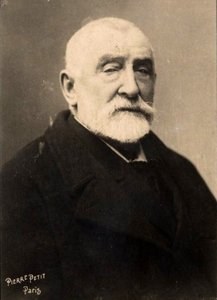
Henri-Joseph Harpignies
1819 - 1916 , Francja
Najważniejsze informacje
- Artistic Movement Or Style: Barbizonizm
- Artists Or Movements Influenced By This Artist: ['Jean Baptiste Camille Corot']
- Artists Who Influenced This Artist: ['Jean Achard']
- Date Of Birth: 28 czerwca 1819
- Date Of Death: 28 sierpnia 1916
- Full Name: Henri-Joseph Harpignies
- Nationality: Francuz
- Notable Artworks:
- Soir sur les bords de la Loire
- Les Corbeaux
- Le Soir
- Place Of Birth: Walencja, Francja
Zobacz także powiązane artykuły

Romantyczny Krajobraz w Malarstwie: 10 Arcydzieł, Które Zdefiniowały Epokę | OriginalUniqueArt.com
Odkryj 10 arcydzieł romantyzmu w malarstwie! Poznaj historie Caspara Davida Friedricha, Turnera i innych mistrzów. Inspiracje wnętrzarskie & reprodukcje obrazów najwyższej jakości na OriginalUniqueArt.com. Eksploruj kolekcję online!

Evoking Nature's Sublime: A Comprehensive Exploration of 19th-Century Landscape Painting
Explore the captivating world of 19th-century landscape painting! Discover renowned artists like Friedrich & Monet, key movements, and find the perfect artwork to bring nature's serenity into your home. Expert insights at OriginalUniqueArt.
Paul Huet: Capturing the Essence of French Romanticism Through Light and Landscape
Explore the captivating world of Paul Huet (1803-1869), a master of French Romantic landscape painting. Discover his influence on Barbizon & Impressionism, and browse high-quality reproductions at OriginalUniqueArt.
Obrazowanie Emocji i Transcendencji: Romantyczny Krajobraz Malarski XVIII i XIX Wieku
Odkryj fascynujący świat romantycznego krajobrazu malarskiego XVIII i XIX wieku! Poznaj arcydzieła Friedricha, Turnera i polskich mistrzów. Analiza emocji, historii i inspiracji w sztuce.
Henri-Joseph Harpignies: Capturing the Poetic Essence of the French Landscape
Explore the serene landscapes of Henri-Joseph Harpignies, a master of the Barbizon School. Discover his atmospheric paintings, recurring themes & enduring legacy in 19th-century French art. Learn more at OriginalUniqueArt.
