Zobacz w skali 1:1
 Wyślij
 Udostępnij
 Szczegóły
 Przewodnik

 Pobierz plik obrazu
 Podobne obiekty
 RTG
RTG Pokaz slajdów
 Statystyki
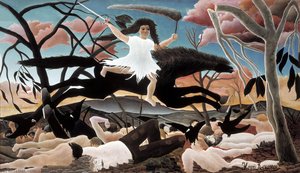
A Karnevalowy Wieczór
 Olej na płótnie
- Sztuka ścienna
- Naive Surrealism
 1885
1885- XIX wiek
 117.0 x 90.0 cm
 Philadelphia Art Museum
 Czytaj więcej
Giclée / Wydruk artystyczny
Wydruki giclée lub płótna o jakości muzealnej, szybka realizacja i szeroki wybór opcji wykończenia. ( Kup ręcznie malowany obraz Przełącz na wersję cyfrową)




P118B $10

P118H $10

P118W $10

P438Z $10

P508JH $12

P508YH $12

P805H $10

P805Z $10

P919BZ $10

P919G $10

P919XJ $10

P959ZH $10

P968JZ $12

W106C $8

W218G $10

W218JH $8

W218Y $10

W307PJ $10

W316G $10

W316PJ $8

W316Y $10

W398PJ $8

W4111J $10

W500HY $15

W500JH $15

W692G $12

W849H $8

W940BG $15

W953PJ $8




Wybierz spośród naszych standardowych rozmiarów, które zachowują oryginalne proporcje dzieła sztuki.

Możesz wprowadzić własne wymiary, aby dopasować dzieło do konkretnej ramy lub przestrzeni. Jeśli wybrany rozmiar nie będzie odpowiadał proporcjom oryginalnego obrazu, przytniecie dzieło lub rozszerzymy obraz za pomocą odbicia lustrzanego lub jednolitego wypełnienia krawędzi. Przed rozpoczęciem produkcji prześlemy cyfrową wizualizację do Twojej akceptacji.
Prosimy pamiętać, że podgląd na ekranie nie odzwierciedla faktycznego przycinania ani rozszerzania. Tylko wizualizacja dokładnie pokaże końcową kompozycję.
Mimo dostępności niestandardowych rozmiarów, zalecamy wybór wymiaru z listy zdefiniowanej, aby zachować oryginalne proporcje.
Dostawa na cały świat () w ciągu 2 tygodni zamiast standardowych 4/5 tygodni. (25 Wrzesień)

Bezpłatna ekspresowa wysyłka na cały świat

Wysokiej jakości płótno lniane

Pełne ubezpieczenie transportowe

Gwarancja zwrotu należności celnych i podatków importowych

Gwarancja idealnego odwzorowania barw

100-dniowy okres na zwrot dzieła w przypadku wykrycia wad produkcyjnych

Gwarancja 100% zwrotu pieniędzy

Oferta przy zakupie wielu sztuk
 Opcja ze szkłem jest dostępna wyłącznie w rozmiarach poniżej 110 cm

A Karnevalowy Wieczór
Giclée / Wydruk artystyczny
Rozmiar reprodukcji
-


Suma do zapłaty
$ 80
A Carnival Evening: A Dreamscape of Mystery & Naive Brilliance
Henri Rousseau’s 1885 masterpiece, “A Carnival Evening,” transcends mere visual representation; it's an invitation to step into a world where reality dissolves into the fantastical, governed by a captivating blend of observation and imagination. Currently residing in the Philadelphia Museum of Art, this painting continues to intrigue viewers with its enigmatic atmosphere and subtle unsettling beauty—a testament to Rousseau’s singular vision and his pioneering role within the Naïve art movement. More than just pigment on canvas, it's a portal into a realm where primal instincts mingle with symbolic contemplation.The Allure of Naive Art & Rousseau’s Unique Vision
Henri Rousseau defied the conventions of academic painting, rejecting formal training in favor of an intensely personal artistic approach. Instead of meticulously replicating observed details, he cultivated a visual language characterized by deliberate simplification—flattened perspective, vibrant color palettes, and an almost childlike spontaneity. This conscious departure from established norms wasn’t born of incompetence but rather a profound conviction: to capture the essence of experience through unfiltered perception. Rousseau's masterful rendering of foliage and fabric – seemingly precise against the backdrop of surreal elements – exemplifies this core principle, creating a tension that compels us to consider deeper meanings beyond surface appearances. He deliberately eschewed academic precision for an expressive style rooted in direct observation, mirroring the aesthetic sensibilities of artists like Paul Gauguin and Vincent van Gogh.Decoding the Symbolic Landscape
Upon initial viewing, “A Carnival Evening” presents a deceptively straightforward depiction: a couple strolling along a path through a dense forest under the watchful gaze of a luminous moon. However, beneath this veneer of realism lies a rich tapestry woven with potent symbolism. Dominating the composition is a hot air balloon—a soaring emblem of aspiration and escape from earthly constraints—populated by shadowy figures that hint at hidden anxieties and uncertainties. Conversely, the dark and imposing forest represents the subconscious mind, embodying the unknown and potentially symbolizing isolation – themes frequently explored in Romantic art and reflecting Rousseau’s fascination with the primal forces of nature. The moon itself serves as a timeless symbol of intuition, femininity, and mystery—illuminating the scene with an ethereal glow that amplifies its dreamlike quality.The Couple's Significance & Artistic Technique
The figures themselves are imbued with symbolic weight. Their formal attire suggests celebration and social decorum, yet their downcast gazes convey a palpable sense of melancholy and introspection. Rousseau’s technique—primarily oil paint on canvas—contributes significantly to the painting’s emotive impact. He employs thick brushstrokes to build up texture, creating a tactile surface that invites contemplation. The muted color palette—dominated by deep blues, browns, and blacks—underscores the solemn mood of the scene while highlighting the brilliance of the moonlit sky. Rousseau's meticulous attention to detail – particularly in capturing the textures of bark and foliage – distinguishes him from many Impressionists who prioritized capturing fleeting moments of light.Historical Context & Legacy
“A Carnival Evening” emerged during a pivotal moment in artistic history—the burgeoning Naïve art movement, which challenged the dominance of academic realism and championed an expressive style rooted in direct observation. Rousseau’s work aligns with broader trends toward primitivism and symbolism prevalent in late 19th-century European painting, reflecting anxieties about modernity and embracing visions of a simpler, more primal existence. Its enduring appeal lies in its ability to evoke profound emotions—wonder, melancholy, and contemplation—and continues to inspire artists and collectors alike. It stands as a cornerstone of Primitivism, demonstrating the transformative power of artistic freedom and unwavering conviction in conveying subjective experience.Biografia artysty
Henri Emile Rousseau (1875 – 1933): The Enchanted Vision of Primitive Beauty
Henri Emile Rousseau, born in Lyon, France, in 1875, defied the conventions of Impressionism and Post-Impressionism to forge a singular artistic path—one characterized by an uncompromising embrace of Naïve Art. His canvases depict fantastical landscapes populated by animals and humans rendered with childlike simplicity and vibrant color palettes, transporting viewers into dreamlike realms brimming with symbolic resonance. Rousseau’s upbringing in a working-class family instilled in him a deep appreciation for the natural world and folklore, influences that would profoundly shape his artistic vision. Despite facing considerable skepticism from critics of his time—who dismissed his style as amateurish—Rousseau persevered, establishing himself as one of France's most distinctive painters and securing a place among the pioneers of Modern Art.- Early Life & Artistic Beginnings: Rousseau’s formal artistic training was minimal; he largely self-taught, honing his skills through sketching outdoors and studying prints. He initially pursued commercial illustration work to support himself, but his passion for painting remained unwavering.
- The Influence of Primitive Art: Rousseau's fascination with African masks and tribal art—particularly those collected by Alexandre Cabanel—served as a catalyst for his stylistic evolution. These artworks captivated him with their bold colors, stylized forms, and rejection of academic realism, inspiring him to abandon traditional techniques in favor of a more direct and expressive approach.
- Key Paintings & Artistic Style: Rousseau’s oeuvre is dominated by monumental landscapes infused with mythological elements and populated by animals imbued with spiritual significance. Notable works include “The Sleeping Venus” (1890), “The Promised Land” (1893), “The Concert” (1897), and “The Shepherdess,” which exemplifies his signature style—characterized by flattened perspectives, luminous colors, and a deliberate blurring of outlines.
- Recognition & Legacy: Despite initial rejection by the Parisian avant-garde, Rousseau gained recognition in 1905 thanks to the patronage of Ambroise Vollard, who championed his work and secured exhibitions at Galerie Bernheim-Jeune. His paintings gradually attracted admirers among artists like Picasso and Matisse, cementing his reputation as a visionary artist whose uncompromising vision anticipated Surrealism.
- Death & Enduring Influence: Rousseau died in Étampes in 1933, leaving behind a legacy of approximately 800 paintings—a remarkable achievement considering his unconventional methods. His distinctive Naïve Art style continues to inspire artists today, demonstrating the enduring power of imagination and the beauty found in unfiltered observation.
Exploring Rousseau’s Palette & Technique
Rousseau's artistic technique was remarkably simple yet profoundly effective. He eschewed meticulous detail, opting instead for bold brushstrokes and vibrant hues—often achieved through layering thin glazes of color onto a toned ground. This method allowed him to capture the essence of his subjects with remarkable immediacy and luminosity, conveying emotion and atmosphere as much as visual representation. His use of complementary colors—such as reds and greens—created striking contrasts that heightened the dramatic impact of his compositions. Furthermore, Rousseau’s deliberate flattening of perspective—a technique borrowed from African art—reinforced the dreamlike quality of his landscapes and contributed to their captivating allure.
henri emilien rousseau
1875 - 1933
Najważniejsze informacje
- Artistic Movement Or Style: Naive Art
- Artists Or Movements Influenced By This Artist: ['Symbolism']
- Artists Who Influenced This Artist:
- Gustave Moreau
- Pierre Puvis de Chavannes
- Date Of Birth: 1875
- Full Name: Henri Émile Rousseau
- Nationality: French
- Notable Artworks:
- A Carnival Evening
- War or The Ride of Discord
- Fantasia de mariage
- Place Of Birth: Nancy, France
Zobacz także powiązane artykuły

Bunt Przeciw Konwencji: Odkrywanie Naiwnego Sztuki i Prymitywizmu jako Wyraz Odwrócenia Akademickich Tradycji
Odkryj fascynujący świat sztuki naiwnej i prymitywizmu! Analiza porównawcza, historia, wpływ na awangardę oraz współczesne interpretacje. Ekspercka wiedza dla kolekcjonerów i miłośników sztuki.
Henri Matisse: 25 Arcydzieł Koloru i Inspiracji | OriginalUniqueArt.com
Odkryj 25 arcydzieł Henri Matisse’a – od żywych kolorów fauwizmu po ikoniczne kompozycje. Poznaj historię, technikę i inspiracje malarstwa francuskiego. Reprodukcje obrazów najwyższej jakości na OriginalUniqueArt.com! Eksploruj kolekcję online.
Top 10 arcydzieł Fauwizmu: Kolor i ekspresja w Twoim wnętrzu | OriginalUniqueArt.com
Odkryj 10 arcydzieł Fauwizmu! Poznaj historię Matisse'a, Deraina i innych artystów tego rewolucyjnego ruchu. Ekspresjonizm kolorystyczny w Twoim wnętrzu – reprodukcje najwyższej jakości na OriginalUniqueArt.com. Eksploruj kolekcję online!

Naive Art Unveiled: The Charming Beauty of Simple Masterpieces
Discover the enchanting world of Naive Art. Explore the profound beauty of self-taught masters like Henri Rousseau through an art-history lens, uncovering how simple forms and vibrant colors create timeless, soulful masterpieces for the discerning collector.
Henri Rousseau: Primitivism, Paradox & Subversion of Academic Tradition
Explore the captivating world of Henri Rousseau, the celebrated Naïve artist who challenged academic traditions with his unique jungle scenes & dreamlike symbolism. Discover his lasting influence on modern art and collecting today.