

 Podgląd w skali 1:1
 Wyślij jako kartkę
 Udostępnij
 Szczegóły dzieła
 Przewodnik

 Pobierz obraz
 Podobne obiekty
 RTG
RTG Pokaz slajdów
 Q&A
Q&A Statystyki
Holy Trinity


 Rozwiń treść
Giclée / Wydruk artystyczny
Wydruki giclée lub płótna o jakości muzealnej, szybka realizacja i szeroki wybór opcji wykończenia. ( Zamów ręcznie malowaną reprodukcję Przejdź do wersji cyfrowej)




P118B zł10

P118H zł10

P118W zł10

P438Z zł10

P508JH zł12

P508YH zł12

P805H zł10

P805Z zł10

P919BZ zł10

P919G zł10

P919XJ zł10

P959ZH zł10

P968JZ zł12

W106C zł8

W218G zł10

W218JH zł8

W218Y zł10

W307PJ zł10

W316G zł10

W316PJ zł8

W316Y zł10

W398PJ zł8

W4111J zł10

W500HY zł15

W500JH zł15

W692G zł12

W849H zł8

W940BG zł15

W953PJ zł8




Wybierz spośród naszych standardowych rozmiarów, które zachowują oryginalne proporcje dzieła sztuki.

Wpisz wymaganą szerokość i wysokość, aby dopasować grafikę do ramy lub ściany. Wydruk można jedynie przyciąć, nigdy nie powiększając go poza oryginalny obraz, dlatego format o innych proporcjach spowoduje utratę części kompozycji. Przed rozpoczęciem druku prześlemy Ci cyfrowy podgląd do zatwierdzenia. Obraz wyświetlany na tej stronie nie pokazuje rzeczywistego przycięcia — jedynie podgląd oddaje ten efekt.
Dostawa na cały świat () w ciągu 2 tygodni zamiast standardowych 4/5 tygodni. (31 Październik)

Bezpłatna ekspresowa wysyłka na cały świat

Wysokiej jakości płótno lniane

Pełne ubezpieczenie przesyłki

Gwarancja zwrotu należności celnych i podatków importowych

Gwarancja wiernego odwzorowania kolorów

100-dniowa polityka zwrotów (tylko w przypadku wad)

Gwarancja 100% zwrotu pieniędzy

Zniżka przy zakupie wielu sztuk
 Opcja ze szkłem jest dostępna wyłącznie w rozmiarach poniżej 110 cm

Holy Trinity
Giclée / Wydruk artystyczny
Wymiary reprodukcji
-


Cena całkowita
zł 311
A Celestial Vision in Baroque Splendor
In the vast, swirling expanse of the seventeenth-century Flemish sky, few images command the soul with as much reverence as Hendrik van Balen I’s Holy Trinity. Painted around 1620, this masterpiece serves as a profound window into the spiritual heights of the Baroque era. The composition unfolds within a breathtaking celestial realm, where the boundaries between the earthly and the divine dissolve amidst billowing, luminous clouds. At the heart of this cosmic drama sits the Holy Trinity: God the Father, Jesus Christ, and the Holy Spirit, arranged in a triad of divine unity. The scene is not merely a religious depiction but a choreographed movement of light and grace, where the figures emerge from the heavens to offer a glimpse of eternal peace to the viewer below.
The artistry of van Balen I shines through his meticulous command of detail and his ability to weave complex allegorical layers into a single, cohesive vision. As a master who influenced even the great Anthony van Dyck, van Balen brings a sophisticated elegance to the piece. Surrounding the central figures is a host of celestial attendants—angels whose presence adds both movement and weight to the composition. Some angels are depicted with the solemnity of guardians, wielding swords and shields, while others drift with a weightless grace. A solitary bird soars above the assembly, acting as a subtle yet powerful symbol of the Holy Spirit’s descent, bridging the gap between the high heavens and the natural world visible in the distant, verdant trees.
Symbolism and the Mastery of Light
Every element within this painting is imbued with deep theological significance, designed to guide the observer toward contemplation. The arrangement of the Father, Son, and Spirit creates a triangular stability that reflects the concept of divine perfection. The interplay of light and shadow—a hallmark of the Baroque style—serves to sculpt the figures out of the ether, giving them a tangible, almost sculptural presence despite their heavenly nature. This technique, known as chiaroscuro, directs the eye toward the central mystery of the Trinity, ensuring that the viewer’s gaze is constantly drawn back to the source of light and life.
For the discerning collector or interior designer, this artwork offers more than just historical value; it provides a profound emotional anchor for any space. The painting’s palette, rich with the soft tones of a breaking dawn and the deep, earthy greens of the background landscape, creates an atmosphere of serene majesty. Whether placed in a grand library, a formal dining hall, or a quiet sanctuary, a high-quality reproduction of this work brings a sense of timelessness and spiritual depth. It is a piece that invites long periods of study, rewarding the viewer with new discoveries of texture, light, and meaning with every glance, making it an incomparable centerpiece for those who appreciate the intersection of fine art and profound devotion.
Pytania i odpowiedzi
Czy dostępny jest przewodnik do dzieła „Holy Trinity” – Hendrik van Balen I?
Strona Karta informacyjna dla uczniów dzieła „Holy Trinity” – Hendrik van Balen I oferuje dwustronicową kartę informacyjną w formacie do druku: samo dzieło wraz z tabelą identyfikacyjną, oś czasu umieszczającą je w latach życia artysty, inne prace tego twórcy, zmierzoną paletę kolorystyczną oraz gotowe do skopiowania cytaty w czterech stylach.
Jaki to rodzaj dzieła sztuki: „Holy Trinity” – Hendrik van Balen I?
W katalogu dzieło „Holy Trinity” – Hendrik van Balen I zostało sklasyfikowane jako WallArt. Kategoria ta ułatwia odnajdywanie podobnych prac.
Kiedy powstało dzieło "Holy Trinity" i do jakiego nurtu należy?
Dzieło "Holy Trinity" powstało w 1620 roku i reprezentuje nurt Baroque.
Biografia artysty
Hendryk van Balen I: Mistrz Mitów i Miniatur
Hendryk van Balen I, choć może nie tak natychmiast rozpoznawalny jak jego współcześnicy Rubens czy Van Dyck, zajmuje kluczową pozycję w tętniącym życiem artystycznym Antwerpii XVII wieku. Urodzony około 1575 roku w zamożnej rodzinie kupieckiej, van Balen czerpał korzyści z wychowania sprzyjającego zarówno ciekawości intelektualnej, jak i skłonnościom artystycznym. To szczęśliwe połączenie pozwoliło mu na rygorystyczne szkolenie, początkowo pod kierunkiem Adama van Noorta – malarza zanurzonego w tradycji manierystycznej – a potencjalnie także u Maertena de Vosa. Te wczesne wpływy położyły fundamenty kariery zdefiniowanej precyzyjnym detalem, elegancką kompozycją i zamiłowaniem do tematów mitologicznych i alegorycznych. Stabilna sytuacja finansowa jego rodziny zapewniła mu możliwości wykraczające poza sam warsztat; rozwijał umiejętności językowe, które okazały się cenne podczas podróży i współpracy z innymi artystami. Van Balen nie był jedynie rzemieślnikiem, lecz humanistą zanurzonym w klasycznych narracjach, które napędzały sztukę barokową.Od Ołtarzy do Intymnych Wizji
Artystyczna podróż van Balena rozpoczęła się od monumentalnych dzieł religijnych – ołtarzy odzwierciedlających potężny styl romanistyczny, odziedziczony po jego nauczycielu Adamie van Noortcie. Te wczesne prace demonstrują solidną znajomość anatomii i dramatycznej kompozycji, jednak to właśnie w dziedzinie mniejszych obrazów gabinetowych artysta znalazł swój prawdziwy głos. Około 1595 roku wyruszył w pielgrzymkę artystyczną do Włoch – podróż niepotwierdzona dokumentalnie, ale potwierdzoną późniejszym członkostwem w Gildii Romanistów po powrocie do Antwerpii. To doświadczenie wystawiło go na rodzący się styl barokowy i dzieła artystów takich jak Annibale Carracci i Palma Giovane, wpływając na przesunięcie w kierunku bardziej wyrafinowanej palety kolorów i pełnych gracji aranżacji postaci. W latach 1592-93 został mistrzem w antwerpskiej Gildii Świętego Łukasza, awansując w jej szeregach na dziekana wielokrotnie – świadectwo jego pozycji we wspólnocie artystycznej. Jego warsztat rozkwitł, stając się centrum dla aspirujących malarzy, a najbardziej znanym uczniem był Anthony van Dyck, który otrzymał pod okiem van Balena kluczowe wczesne szkolenie.Duch Współpracy i Malarstwo Girlandowe
Van Balen nie pracował w izolacji. Współpraca była centralnym elementem jego praktyki, szczególnie z Janem Brueghelem Starszym, mistrzem martwej natury. Razem zapoczątkowali gatunek malarstwa girlandowego – unikalną flamandzką innowację łączącą obrazy dewocyjne lub mitologiczne otoczone bujnymi kompozycjami kwiatowymi. Te dzieła nie były jedynie dekoracyjne; były przesycone symbolicznym znaczeniem, odzwierciedlając religijny zapał i artystyczną wyrafinowanie dworu habsburskiego. Zamówienie od kardynała Federica Borromeo na obraz girlandowy około 1607-1608 roku stanowi kamień milowy w tym gatunku – świadectwo ich połączonych umiejętności i innowacyjnego ducha. Meticzne odwzorowanie kwiatów i owoców przez Brueghela stworzyło żywą ramę dla pełnych gracji postaci van Balena, tworząc harmonijną syntezę naturalizmu i idealizmu. Oprócz Brueghela często współpracował z innymi artystami, takimi jak Joos de Momper, Abraham Govaerts i Frans Snyders, demonstrując swoją zdolność do adaptacji i otwartość na różnorodne perspektywy artystyczne.Dziedzictwo i Trwały Wpływ
Wpływ Hendryka van Balena I wykraczał daleko poza mury jego warsztatu. Jego nacisk na wyrafinowaną technikę, elegancką kompozycję i tematy mitologiczne rezonował z pokoleniem flamandzkich artystów. Anthony van Dyck, być może jego najsłynniejszy uczeń, przejął wiele od podejścia mistrza do malarstwa figuralnego i zasad kompozycyjnych. Obrazy gabinetowe van Balena – często wykonywane na podłożach miedzianych – stały się pożądane przez kolekcjonerów, cenione za ich intymną skalę i wykwintne detale. Choć nie osiągnął takiej powszechnej sławy jak Rubens czy Van Dyck, van Balen odegrał istotną rolę w odrodzeniu malarstwa flamandzkiego na początku XVII wieku. Stanął na moście między manieryzmem a barokiem, tworząc charakterystyczny styl łączący klasyczne ideały z flamandzkim realizmem. Jego dziedzictwo przetrwało dzięki zachowanym dziełom – świadectwom mistrza rzemieślnika, który ożywił mity i alegorie z niezrównaną gracją i artyzmem. Jego wkład nie polega na wielkich deklaracjach, lecz na cichej perfekcji miniaturowych światów.- Ruch artystyczny lub styl: Barok
- Artyści lub ruchy zainspirowane przez tego artystę: Anthony van Dyck, Frans Snyders
- Artyści, którzy wpłynęli na tego artystę: Adam van Noort, Maerten de Vos
- Data urodzenia: ok. 1573-1575
- Data śmierci: 1632
- Pełne imię i nazwisko: Hendryk van Balen I
- Narodowość: Flamandzka
- Znane dzieła: "Moses Striking the Rock", "A Bacchic Procession", "The Rest on the Flight…"
- Miejsce urodzenia: Antwerpia, Belgia

Hendrik van Balen I
1575 - 1632 , Belgia
Krótka nota
- Artyści Wpływający: ['Adam van Noort']
- Data Urodzenia: ok. 1573-1575
- Data Śmierci: 1632
- Miejsce Urodzenia: Antwerpia, Belgia
- Narodowość: Flamandzki
- Pełna Nazwa: Hendrik van Balen I
- Styl Artystyczny: Barok
- Wpływ Na Artystów: ['Anthony van Dyck']
- Znane Dzieła: ['Moses Striking the Rock']
Powiązane artykuły
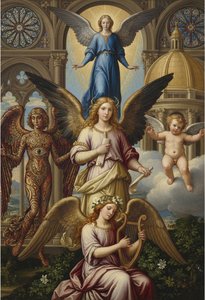
Divine Beauty: A Curated Guide to the Celestial Majesty of Angelic Figures in Art History
Explore the profound beauty of angelic figures in art history. From Renaissance masterpieces to celestial symbolism, our expert guide offers a sophisticated journey through the divine imagery of the Old Masters for discerning collectors and art enthusiasts.

Celestial Messengers: Angels in Painting – A Historical & Artistic Exploration
Explore the captivating history of angels in painting! Discover symbolism, iconic Renaissance & Byzantine masterpieces, and renowned artists. Expert insights for art lovers & collectors at OriginalUniqueArt.

Niebiańscy Posłańcy w Sztuce: Ewolucja Symboliki i Emocjonalnego Oddziaływania Anielskich Reprezentacji na Przez Wieki
Odkryj fascynującą historię aniołów w sztuce! Analizujemy ewolucję ikonografii, symbolikę i emocjonalny wpływ anielskich reprezentacji od starożytności po współczesność. Ekspercka analiza dla miłośników sztuki.

Barokowy Dramat we Wnętrzach: Sztuka Przepychu i Elegancji w Twoim Domu
Odkryj świat barokowego przepychu! Porady ekspertów jak wprowadzić elegancję i dramat do Twojego wnętrza. Inspiracje, charakterystyka stylu i praktyczne wskazówki.

Mastering Drama and Light: A Definitive Guide to the Flemish Baroque Art Movement
Explore the dramatic brilliance of the Flemish Baroque movement. Discover how masters like Peter Paul Rubens utilized chiaroscuro and dynamic composition to redefine art history through light, shadow, and unparalleled emotion.