
 Podgląd w skali 1:1
 Wyślij jako kartkę
 Udostępnij
 Szczegóły dzieła
 Przewodnik

 Pobierz obraz
 Podobne obiekty
 RTG
RTG Pokaz slajdów
 Pytania i odpowiedzi
 Statystyki
Lute Player

- 100.0 x 78.0 cm


 Rozwiń treść
Giclée / Wydruk artystyczny
Wydruki giclée lub płótna o jakości muzealnej, szybka realizacja i szeroki wybór opcji wykończenia. ( Zamów ręcznie malowaną reprodukcję Przejdź do wersji cyfrowej)




P118B zł10

P118H zł10

P118W zł10

P438Z zł10

P508JH zł12

P508YH zł12

P805H zł10

P805Z zł10

P919BZ zł10

P919G zł10

P919XJ zł10

P959ZH zł10

P968JZ zł12

W106C zł8

W218G zł10

W218JH zł8

W218Y zł10

W307PJ zł10

W316G zł10

W316PJ zł8

W316Y zł10

W398PJ zł8

W4111J zł10

W500HY zł15

W500JH zł15

W692G zł12

W849H zł8

W940BG zł15

W953PJ zł8




Wybierz spośród naszych standardowych rozmiarów, które zachowują oryginalne proporcje dzieła sztuki.

Wpisz wymaganą szerokość i wysokość, aby dopasować grafikę do ramy lub ściany. Wydruk można jedynie przyciąć, nigdy nie powiększając go poza oryginalny obraz, dlatego format o innych proporcjach spowoduje utratę części kompozycji. Przed rozpoczęciem druku prześlemy Ci cyfrowy podgląd do zatwierdzenia. Obraz wyświetlany na tej stronie nie pokazuje rzeczywistego przycięcia — jedynie podgląd oddaje ten efekt.
Dostawa na cały świat () w ciągu 2 tygodni zamiast standardowych 4/5 tygodni. (3 Listopad)

Bezpłatna ekspresowa wysyłka na cały świat

Wysokiej jakości płótno lniane

Pełne ubezpieczenie przesyłki

Gwarancja zwrotu należności celnych i podatków importowych

Gwarancja wiernego odwzorowania kolorów

100-dniowa polityka zwrotów (tylko w przypadku wad)

Gwarancja 100% zwrotu pieniędzy

Zniżka przy zakupie wielu sztuk
 Opcja ze szkłem jest dostępna wyłącznie w rozmiarach poniżej 110 cm

Lute Player
Giclée / Wydruk artystyczny
Wymiary reprodukcji
-


Cena całkowita
zł 317
A Symphony of Light and Shadow
In the quiet intimacy of a seventeenth-century interior, Hendrick Terbrugghen captures a moment that feels both fleeting and eternal. The Singing Lute Player, painted in 1624, is far more than a mere portrait of a musician; it is a profound exploration of human passion and the immersive power of art. As we gaze upon this masterpiece from the Dutch Golden Age, we are immediately drawn into the musician's intense concentration. The subject, a male performer lost in his craft, serves as a vessel for the chiaroscuro technique—that dramatic interplay of light and shadow pioneered by Caravaggio. This stark contrast does not merely illuminate the scene; it sculpts the figure from the darkness, pulling the viewer’s eye toward the expressive contours of his face and the tactile richness of his attire.
The technical mastery on display is nothing short of breathtaking. Through the delicate layering of oil paints on canvas, Terbrugghen achieves a level of realism that invites the touch. One can almost feel the heavy, luxurious texture of the fur lining his hat and the intricate, rhythmic folds of his clothing. The artist’s brushwork is both precise and fluid, capturing the smooth, polished wood of the lute and the soft, flowing strands of hair with equal finesse. This meticulous attention to detail creates a sense of three-dimensionality that breathes life into the composition, making the musician's presence feel palpable within the room.
Symbolism and the Baroque Spirit
Beyond its visual splendor, the painting is steeped in the intellectual and spiritual currents of the Baroque era. The lute itself is not merely an instrument but a potent symbol of refined intellect, eloquence, and spiritual contemplation. In the cultural landscape of the 1620s, music was often viewed as a reflection of cosmic harmony, and by depicting the player in such a state of deep absorption, Terbrugghen elevates the act of performance to a form of meditation. The warmth of the color palette—rich with earthy tones and golden highlights—further enhances this sense of energy and soulful resonance.
For the discerning collector or interior designer, this artwork offers an unparalleled opportunity to introduce a sense of historical grandeur and emotional depth into a space. Whether placed in a contemporary gallery setting or a classic study, The Singing Lute Player acts as a focal point of dramatic elegance. It possesses the rare ability to command attention through its quiet intensity, offering a window into the Utrecht Caravaggisti movement and the burgeoning humanist spirit of the Netherlands. To possess a reproduction of this work is to bring home a piece of history that celebrates the enduring beauty of musical mastery and the timeless allure of the human spirit.
Pytania i odpowiedzi
W którym roku powstało „Lute Player” – Hendrick Terbrugghen?
"Lute Player" powstało w 1624 roku. Data ta pozwala umiejscowić dzieło w kontekście twórczości Hendrick Terbrugghen oraz epoki, w której powstało.
Gdzie mogę kupić ręcznie malowaną reprodukcję dzieła „Lute Player” – Hendrick Terbrugghen?
"Lute Player" jest dostępny jako ręcznie malowana reprodukcja olejowa na płótnie lnianym. Zamówienie można złożyć na stronie Ręcznie malowana reprodukcja, wybierając preferowany rozmiar.
Czy „Lute Player” – Hendrick Terbrugghen to obraz, rysunek czy grafika?
"Lute Player" to WallArt.
Biografia artysty
Wczesne lata i inspiracje
Hendrick Jansz Terbrugghen, wybitna postać malarstwa holenderskiego Złotego Wieku, przyszedł na świat w 1588 roku w Overijssel, w Niderlandach. Jego ojciec, Jan Egbertsz Terbrugghen, pełnił funkcję sekretarza na dworze w Utrechtu u boku księcia Wilhelma Milczącego. To bliskie obcowanie z dworską kulturą prawdopodobnie ukształtowało w Hendricku wczesną pasję do sztuki.Kariera artystyczna i styl
Artystyczna wędrówka Terbrugghena rozpoczęła się od studiów pod okiem Abrahama Bloemaerta, malarza manierystycznego. Z czasem artysta stał się jednym z czołowych przedstawicieli utrechckich karawagistów – grupy holenderskich mistrzów zainspirowanych dramatyzmem Caravaggia. Jego twórczość wyróżnia się niezwykłym wykorzystaniem światłocienia, co możemy podziwiać w takich dziełach jak Zwiastowanie (Alte Pinakothek, Monachium, Niemcy) czy Biesiadnik (Alte Pinakothek, Monachium, Niemcy).Wybitne dzieła i dziedzictwo
* Grający na lutni (The Kremer Collection, Amsterdam, Holandia), będący autorską repliką obrazu znajdującego się w National Gallery w Londynie, który zachwyca bogatą kolorystyką. * Zwiastowanie, arcydzieło będące świadectwem jego mistrzostwa w operowaniu stylem Caravaggia. Wpływ na późniejszych artystów: Twórczość Terbrugghena wywarła głęboki wpływ na późniejsze pokolenia malarzy, w tym na Rembrandta van Rijna, którego słynny obraz Straż nocna (Rijksmuseum, Amsterdam, Holandia) stanowi dowód na trwałe dziedzictwo utrechckich karawagistów.Muzea i kolekcje prezentujące dzieła Terbrugghena
* Mauritshuis (Haga, Holandia), gdzie można podziwiać prace takie jak Nimfa i satyr autorstwa Sir Petera Paula Rubensa. * Kolekcja Kremera (Amsterdam, Holandia), w której znajduje się dzieło Terbrugghena Grający na lutni.- Odkryj więcej dzieł Terbrugghena na OriginalUniqueArt.com
- Poznaj malarstwo holenderskiego Złotego Wieku i jego wpływy w sekcji historii sztuki OriginalUniqueArt.com
- Dowiedz się więcej o innych artystach, takich jak Dirck van Baburen, współtowarzysz z grupy utrechckich karawagistów, na OriginalUniqueArt.com
Podsumowanie
Enigmatyczne życie Terbrugghena oraz jego znaczący wkład w malarstwo holenderskiego Złotego Wieku pozostawiły niezatarte piętno w historii sztuki. Jego dramatyczne operowanie światłem i cieniem nieustannie inspiruje artystów i miłośników piękna, czyniąc go fascynującą postacią w świecie sztuki.
Hendrick Terbrugghen
1627 - 1629 , Holandia
Krótka nota
- Artistic Movement Or Style: Malarstwo Caravaggistów
- Artists Or Movements Influenced By This Artist: Rembrandt van Rijn
- Artists Who Influenced This Artist: Abraham Bloemaert
- Date Of Birth: 1588
- Date Of Death: listopad 1629
- Full Name: Hendrick Jansz Terbrugghen
- Nationality: Holender
- Notable Artworks:
- Grający na lutni
- Zwiastowanie
- Dawid wychwalany przez Izraelitki
- Place Of Birth: Overijssel, Holandia
Powiązane artykuły

Złoty Wiek Niderlandów: Światło, Realizm i Kulturowe Innowacje w Malarstwie Barokowym
Odkryj fascynujący świat malarstwa holenderskiego Złotego Wieku! Poznaj arcydzieła Rembrandta, Vermeera i innych mistrzów. Analiza technik, gatunków i wpływu na sztukę europejską.

Golden Light & Dutch Skies: The Timeless Magic of Dutch Golden Age Landscapes
Discover the breathtaking beauty of Dutch Golden Age landscapes. Explore the mastery of light, chiaroscuro, and 17th-century realism through an expert art history lens, celebrating the enduring legacy of the Dutch Masters for discerning collectors and art lovers.

Złoty Wiek Holandii: 10 arcydzieł, które zmieniły historię sztuki | OriginalUniqueArt.com
Odkryj 10 arcydzieł Złotego Wieku Holandii! Poznaj historię Rembrandta, Vermeera i innych mistrzów. Reprodukcje obrazów najwyższej jakości do Twojego wnętrza – OriginalUniqueArt.com.

Mastering Light & Shadow: A Journey Through the Dutch Golden Age's Luminous Legacy
Embark on a cultural journey through the Dutch Golden Age. Explore the masterful interplay of light and shadow in 17th-century masterpieces, from Rembrandt to Vermeer, and discover how this era of profound realism continues to inspire fine art collectors today.
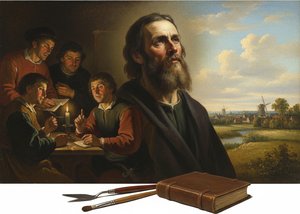
Hendrick Terbrugghen: Caravaggism, Spirituality & the Dutch Golden Age Painter's Evolving Style
Explore the captivating world of Hendrick Terbrugghen, a leading Dutch Golden Age painter influenced by Caravaggio. Discover his dramatic use of light, spiritual depth & lasting legacy. Learn more at OriginalUniqueArt.
