

 Zobacz w skali 1:1
 Wyślij
 Udostępnij
 Szczegóły
 Przewodnik

 Pobierz plik obrazu
 Podobne obiekty
 RTG
RTG Pokaz slajdów
 Statystyki
Inside St. Mark's, Venice

 Czytaj więcej
Ręcznie malowana reprodukcja olejowa
Ręcznie malowany obraz olejny na płótnie, wykonany na zamówienie przez naszych artystów w wybranym przez Ciebie wymiarze i oprawie. ( Przełącz na wersję drukowaną Przełącz na wersję cyfrową)




































Wybierz spośród naszych standardowych rozmiarów, które zachowują oryginalne proporcje dzieła sztuki.

Możesz wprowadzić własne wymiary, aby dopasować obraz do konkretnej ramy lub przestrzeni. Jeśli wybrany rozmiar nie będzie odpowiadał proporcjom oryginału, przytniecie dzieło sztuki lub rozszerzymy je o dodatkowe elementy, ręcznie domalowane przez artystę. Przed rozpoczęciem produkcji wyślemy projekt cyfrowy do Twojej akceptacji.
Należy pamiętać, że podgląd na ekranie nie odzwierciedla rzeczywistego przycinania ani rozszerzania obrazu. Tylko projekt dokładnie pokaże ostateczną kompozycję.
Choć oferujemy możliwość zamówienia niestandardowych rozmiarów, zalecamy wybór wymiaru z gotowej listy, aby zachować oryginalne proporcje dzieła.
Po złożeniu zamówienia zespół OriginalUniqueArt.com skontaktuje się z klientem drogą mailową w celu uzyskania instrukcji i prześle wizualizację projektu
Dostawa na całym świecie () w ciągu 3–4 tygodni zamiast standardowych 5 tygodni. (25 Wrzesień). Bez kompromisów w kwestii jakości.

Bezpłatna ekspresowa wysyłka na cały świat

Wysokiej jakości płótno lniane

Pełne ubezpieczenie transportowe

Gwarancja zwrotu należności celnych i podatków importowych

Gwarancja idealnego odwzorowania barw

100-dniowy okres na zwrot dzieła w przypadku wykrycia wad produkcyjnych

Gwarancja 100% zwrotu pieniędzy

Oferta przy zakupie wielu sztuk
 Opcja ze szkłem jest dostępna wyłącznie w rozmiarach poniżej 110 cm

Inside St. Mark's, Venice
Technika wykonania
Rozmiar reprodukcji
-


Suma do zapłaty
$ 300
Biografia artysty
Heinrich Hermanns (1862 – 1942): A Landscape Painter Rooted in Tradition
Heinrich Hermanns was born in Düsseldorf, Germany, on May 19, 1862, into a family with artistic inclinations. His father, Wilhelm Hermanns, was a professor of German language and literature at the University of Düsseldorf, fostering an environment that encouraged intellectual curiosity and creative pursuits. From a young age, Heinrich demonstrated a passion for drawing and painting, honing his skills through self-study and informal instruction. He enrolled in the Düsseldorf Art Academy in 1883, where he studied under Eugen Dücker, a prominent landscape painter who championed the Düsseldorf School of Painting—a movement characterized by its meticulous observation of nature and its commitment to tonal realism. This formative experience profoundly shaped Hermanns’ artistic vision and technique.- Early Influences: Hermanns' artistic sensibilities were deeply influenced by Romanticism, particularly the works of Caspar David Friedrich and Wilhelm Leibl. These artists emphasized sublime landscapes imbued with spiritual significance, inspiring Hermanns to explore similar themes in his own paintings.
- The Düsseldorf School of Painting: Hermanns joined forces with fellow students—including Karl Böcklin, Wilhelm Trübschenne, and Max Liebermann—to establish the ‘Lucas-Club’ in 1889. This collective aimed to advance landscape painting through rigorous study and experimentation, prioritizing tonal harmony and atmospheric perspective.
- Notable Works: Hermanns gained recognition for his depictions of the Hümmling landscapes—particularly “The Hümmlinger Moor” (1893)—which exemplify the Düsseldorf School’s aesthetic principles. His paintings also captured scenes from Venice, showcasing his fascination with architectural grandeur and urban vistas.
Venetian Visions: Architectural Detail and Atmospheric Depth
Among Hermanns' most celebrated canvases is “Inside St. Mark’s, Venice” (1897), a monumental oil painting that captures the splendor of Saint Mark’s Basilica with remarkable precision. Hermanns meticulously rendered the basilica’s intricate façade—the Byzantine mosaics, soaring arches, and ornate sculptures—employing a masterful use of tonal gradation to convey depth and luminosity. The artist skillfully manipulated light and shadow, creating an immersive experience for the viewer that reflects the grandeur of Venetian architecture. This work stands as a testament to Hermanns' dedication to capturing both visual accuracy and emotional resonance.Dutch Landscapes: Impressionistic Sensibility
Inspired by the Dutch landscape tradition—particularly the works of Jacob Maris and Anton Mauve—Hermanns embraced an impressionistic approach in several paintings. “Early Autumn in the Countryside” (1903) exemplifies this style, characterized by loose brushstrokes and vibrant color palettes that convey fleeting moments of beauty. Hermanns skillfully blended pigments to achieve atmospheric effects—misty mornings, dappled sunlight—creating landscapes that pulse with life and immediacy.Recognition and Legacy
Heinrich Hermanns’ artistic achievements were recognized during his lifetime through participation in major German art exhibitions. His paintings were exhibited at Munich, Berlin and Düsseldorf until the 1930s, securing him a prominent position within the Düsseldorf School of Painting and cementing his reputation as one of Germany's foremost landscape painters. Hermanns died in Düsseldorf on December 21, 1942, leaving behind a substantial body of work that continues to inspire admiration for its tonal realism, compositional elegance, and profound engagement with the natural world. His legacy resides in his contribution to German art history and his embodiment of the Düsseldorf School’s enduring aesthetic ideals.
heinrich hermanns
1862 - 1942
Najważniejsze informacje
- Artistic Movement Or Style: Düsseldorfer Malerschule
- Artists Or Movements Influenced By This Artist: ['Romanticism']
- Artists Who Influenced This Artist: ['Eugen Dücker']
- Date Of Death: 1942
- Full Name: Heinrich Hermanns
- Nationality: German
- Notable Artworks:
- A Morning Chat
- Inside St. Mark’s, Venice
- Early autumn in the countryside
- Place Of Birth: Düsseldorf, Germany
Zobacz także powiązane artykuły
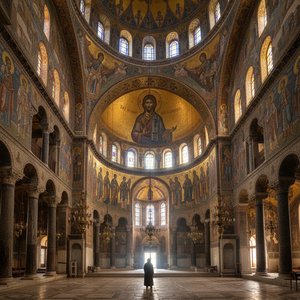
Blask Bizancjum: Dziedzictwo artystyczne imperium i jego wpływ na kulturę światową
Odkryj fascynujący świat sztuki bizantyjskiej! Poznaj historię, architekturę, ikonografię i wpływ tego imperium na kulturę. Ekspercka analiza, bogate ilustracje i unikalne spojrzenie na dziedzictwo Bizancjum.
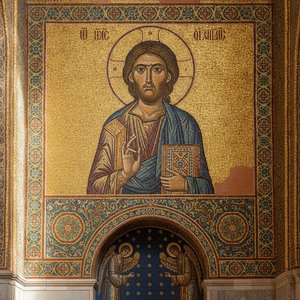
Byzantine Art Unveiled: The Divine Radiance of Golden Mosaics and Sacred Iconography
Journey through the luminous history of Byzantine art. Unveil the profound symbolism of sacred icons and the breathtaking brilliance of gold-leaf mosaics in this expert cultural retrospective. A soulful exploration for the discerning art lover.

Trwała Spuścizna Malarstwa Olejnego: Technika, Historia i Estetyczny Wpływ
Poznaj historię i technikę malarstwa olejnego! Eksperckie artykuły o konserwacji, renowacji oraz współczesnych zastosowaniach. Dowiedz się więcej o mistrzach i trwałości obrazów olejnych.

Olej na płótnie: Historia, techniki i ponadczasowy urok malarskiego medium
Poznaj historię i techniki malarstwa olejowego! Od renesansowych mistrzów po współczesne zastosowania – wszystko o oleju na płótnie. Poradniki, konserwacja i inspiracje dla pasjonatów sztuki.

The Enduring Power of Painting: A Historical & Contemporary Exploration of Form and Emotion
Explore the rich history & enduring techniques of oil painting with OriginalUniqueArt. Discover masterpieces, learn about art collecting, and find authentic handmade reproductions crafted by skilled artists.