Przełącz na wydania drukowane
 Rozwiń treść







































 W przypadku dzieł sztuki lub reprodukcji, których którykolwiek z boków przekracza 105 cm (około 41 cali), rama zostanie wysłana w formie zestawu do samodzielnego montażu. Metoda ta zapewnia bezpieczną dostawę i zapobiega uszkodzeniom podczas transportu.


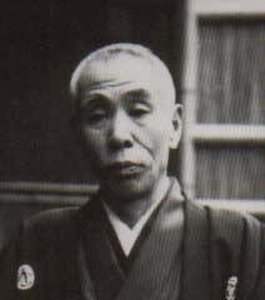
Two black monkeys, depicted in a realistic style, sit in a tree painted in light colors. The composition is a simple one, and the poses of the monkeys and the twisting branches of the tree generate a sense of space. The theme of monkeys in trees, as in this painting of two black monkeys, has a tradition that can be traced back to Chinese painting. Hashimoto Kansetsu was well versed in both classical Chinese literature and Asian painting, for he had been taught the Chinese classics by his father, a Confucian scholar of the Akashi fief, from his childhood and had studied painting under Takeuchi Seiho in Kyoto. He particularly excelled in painting animals, establishing a unique style by depicting Southern themes based on the Shijo school’s manner of sketching from life. Monkeys is a late masterpiece, which shows well the artist’s individuality. The face of the monkey in the foreground is positioned at the center of the picture, and the line from its left foot to its right hand forms a diagonal. The tree, meanwhile, is confined almost entirely to the bottom right of the picture. The monkey’s hand reaches into the air toward the upper left, as if trying to grasp something, and we realize how Hashimoto needed the full size of this picture to give meaning to this space. Through his skillful handling of a composition defined only by monkeys and tree, Hashimoto Kansetsu has achieved a spatial expression of great spiritual depth, which differs in dimension from that achieved by the Western system of perspective that was strongly influencing Japanese style painting at the time. (Writer : Masato Satsuma Source : Selected Masterpieces from The University Art Museum, Tokyo National University of Fine Arts and Music: Grand Opening Exhibition, The University Art Museum, Tokyo National University of Fine Arts and Music, 1999)
Pytania i odpowiedzi
W którym roku powstało dzieło "Monkeys"?
"Monkeys" powstało w 1933 roku. Data ta pozwala umiejscowić dzieło w kontekście twórczości Hashimoto Kansetsu oraz epoki, w której powstało.
Jaki poziom kontrastu prezentuje „Monkeys” – Hashimoto Kansetsu?
Poziom kontrastu dzieła „Monkeys” – Hashimoto Kansetsu wynosi Serene.
Kto jest autorem dzieła "Monkeys"?
Autorem dzieła „Monkeys” jest Hashimoto Kansetsu. Praca ta figuruje w katalogu pod nazwiskiem Hashimoto Kansetsu.
 Podgląd w skali 1:1
 Wyślij jako kartkę
 Udostępnij
 Szczegóły dzieła
 Przewodnik

 Pobierz obraz
 Podobne obiekty
 RTG
RTG Pokaz slajdów
 Pytania i odpowiedzi
 Statystyki