

 Podgląd w skali
 Wyślij jako kartkę
 Udostępnij
 Szczegóły dzieła

 Pobierz
 Podobne obiekty
 RTG
RTG Pokaz slajdów
The Window
 Contemporary Realism
 1936
1936 77.0 x 62.0 cm
 Rozwiń treść
Giclée / Wydruk artystyczny
Druk giclée lub płótno o jakości muzealnej, szybka realizacja i szeroki wybór opcji wykończenia. ( Zamów ręcznie malowaną reprodukcję Kup obraz wysokiej rozdzielczości)




































Wybierz spośród naszych standardowych rozmiarów, które zachowują oryginalne proporcje dzieła sztuki.

Możesz wprowadzić własne wymiary, aby dopasować dzieło do konkretnej ramy lub przestrzeni. Jeśli wybrany rozmiar nie będzie odpowiadał proporcjom oryginalnego obrazu, przytniecie dzieło lub rozszerzymy obraz za pomocą odbicia lustrzanego lub jednolitego wypełnienia krawędzi. Przed rozpoczęciem produkcji prześlemy cyfrową wizualizację do Twojej akceptacji.
Prosimy pamiętać, że podgląd na ekranie nie odzwierciedla faktycznego przycinania ani rozszerzania. Tylko wizualizacja dokładnie pokaże końcową kompozycję.
Mimo dostępności niestandardowych rozmiarów, zalecamy wybór wymiaru z listy zdefiniowanej, aby zachować oryginalne proporcje.
Dostawa na cały świat () w ciągu 2 tygodni zamiast standardowych 4/5 tygodni. (26 Sierpień)

Bezpłatna ekspresowa wysyłka na cały świat

Wysokiej jakości płótno lniane

Pełne ubezpieczenie przesyłki

Gwarancja zwrotu należności celnych i podatków importowych

Gwarancja wiernego odwzorowania kolorów

Polityka 60-dniowego zwrotu (tylko w przypadku wad)

Gwarancja 100% zwrotu kosztów

Zniżka przy zamówieniu wielu produktów
 Opcja ze szkłem jest dostępna wyłącznie w rozmiarach poniżej 110 cm

The Window
Giclée / Wydruk artystyczny
Wymiary reprodukcji
-


Cena całkowita
$ 80
O artyście
Harry Hughes Williams: A Welsh Vision of Rural Life
Born in 1892 at Clai Fawr Farm, a modest holding near Llandrygarn on the Isle of Anglesey, Harry Hughes Williams’ life was inextricably linked to the rugged beauty and timeless rhythms of rural Wales. His early years were marked by a physical challenge – a childhood accident left him with a permanent limp, restricting his mobility but not, it seems, his artistic spirit. This constraint, paradoxically, may have fueled an intense observation of the world around him, shaping a uniquely perceptive eye for detail and a profound appreciation for the landscape that defined his existence.
Williams’ artistic journey began modestly, initially exploring watercolor techniques in the early 20th century. However, it was during the interwar period – specifically from the mid-1930s onward – that he truly established himself as a significant figure in Welsh landscape painting. His work quickly gained recognition for its remarkable realism and evocative portrayal of North Wales’ distinctive scenery. He wasn't merely depicting mountains and fields; he was capturing the essence of a vanishing way of life, a world rooted in tradition and intimately connected to the land.
The Haystacks and Beyond: A Defining Series
Perhaps Williams’ most celebrated achievement is his series of paintings centered around the iconic Haystacks – specifically Ty Mawr II. These towering limestone formations, dominating the horizon near Llanbedr y Fychan, became a recurring motif in his work, representing not just geological grandeur but also a sense of timelessness and spiritual resonance. The dramatic lighting, meticulously rendered textures, and carefully considered composition within these paintings demonstrate Williams’ mastery of watercolor technique – achieving an almost photographic clarity while retaining a distinctly painterly quality.
Beyond the Haystacks, his oeuvre encompassed a wide range of subjects: rolling hills, sheep-dotted pastures, quaint farmhouses, and glimpses into rural interiors. He frequently depicted scenes of daily life – shepherds tending their flocks, farmers working the land, and villagers engaged in their routines. These paintings aren’t romanticized; they present a honest, unvarnished view of Welsh rural existence, capturing both its beauty and its hardships.
Influences and Artistic Context
While Williams remained largely independent, his work undoubtedly reflects the artistic currents of his time. The Pre-Raphaelites, with their emphasis on detailed observation and symbolic representation, exerted a subtle influence, particularly in his use of light and color. Furthermore, he shared affinities with British watercolorists like William Haselden and Frank Hopkins, both known for their meticulous depictions of the Welsh countryside. However, Williams’ work possesses a unique character—a quiet intensity and an unwavering commitment to portraying the specificities of his native landscape.
It's also important to consider the broader historical context in which he worked. The early 20th century witnessed significant social and economic changes in Wales, with traditional rural industries declining and a shift towards urbanization. Williams’ paintings serve as a poignant record of this transition—a visual testament to a disappearing world.
Legacy and Recognition
Harry Hughes Williams' work is now held in several important collections, including the Oriel Môn in Anglesey, where a dedicated collection showcases his life’s work. His paintings are valued for their technical skill, their evocative atmosphere, and their profound connection to Welsh identity. He wasn’t a household name during his lifetime, but his art continues to resonate with viewers today, offering a powerful glimpse into the heart of rural Wales and the enduring spirit of its people.
His legacy extends beyond the canvas; he is remembered as a dedicated artist who persevered despite physical challenges, capturing the essence of his homeland with remarkable skill and sensitivity. Further research can be found at sites like askART and MutualArt, providing deeper insights into his life and artistic development.

harry hughes williams
1892 - 1953
Krótka nota
- Artistic Movement Or Style: Welsh landscape art
- Artists Or Movements Influenced By This Artist: ['Pre-Raphaelites']
- Artists Who Influenced This Artist: ['Thomas Charles Williams']
- Date Of Birth: 1892
- Date Of Death: 1953
- Full Name: Harry Hughes Williams
- Nationality: British
- Notable Artworks: ['Haystacks, Ty Mawr II']
- Place Of Birth: Llandrygarn, Anglesey
Powiązane artykuły

Trwała Spuścizna Malarstwa Olejnego: Technika, Historia i Estetyczny Wpływ
Poznaj historię i technikę malarstwa olejnego! Eksperckie artykuły o konserwacji, renowacji oraz współczesnych zastosowaniach. Dowiedz się więcej o mistrzach i trwałości obrazów olejnych.

Olej na płótnie: Historia, techniki i ponadczasowy urok malarskiego medium
Poznaj historię i techniki malarstwa olejowego! Od renesansowych mistrzów po współczesne zastosowania – wszystko o oleju na płótnie. Poradniki, konserwacja i inspiracje dla pasjonatów sztuki.
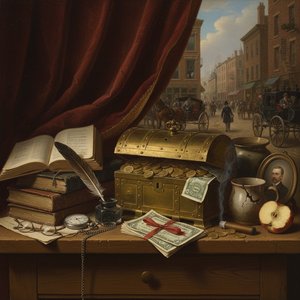
William Michael Harnett: Still Life, Realism & the American Pursuit of Materiality
Explore the captivating still lifes of William Michael Harnett, a master of American realism and trompe l'oeil painting. Discover his technique, legacy & the cultural context behind his iconic works.

Silent Narratives: Exploring the Enduring Appeal of Still Life Painting Across Centuries
Explore the rich history of still life painting with OriginalUniqueArt. Discover Dutch Masters, decode vanitas symbolism & learn about collecting timeless art. Expert insights and museum-quality reproductions.

The Enduring Power of Painting: A Historical & Contemporary Exploration of Form and Emotion
Explore the rich history & enduring techniques of oil painting with OriginalUniqueArt. Discover masterpieces, learn about art collecting, and find authentic handmade reproductions crafted by skilled artists.

