Rozmiar tekstu

() ·

Obraz stworzony dla Ciebie, własnoręcznie

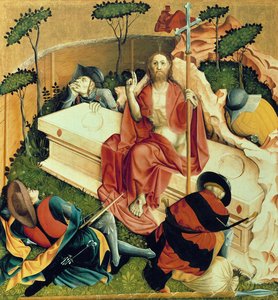
Christus before Pilate (detail)

Ręcznie malowana reprodukcja olejowa

Ręcznie malowany obraz olejny na płótnie, wykonany na zamówienie przez naszych artystów w wybranym przez Ciebie wymiarze i oprawie. ( Przełącz na wydania drukowane Przejdź do wersji cyfrowej)

Opis obiektu

Experience Northern Renaissance realism with Hans Multscher's detailed depiction of Christus before Pilate; discover this masterpiece of German faith.

Biografia artysty

"meta_description": "Hans Multscher (1400-1467) – niemiecki malarz i rzeźbiarz, pionier realizmu w sztuce. Znany z monumentalnego Ołtarza Wurzach, portretów i wpływu na rozwój sztuki renesansowej w Niemczech."

od ·

Rozdział 1

Jak duży powinien być ten format?

Przesuń suwak, aby zmienić rozmiar; obraz po lewej stronie przedstawia ramę w jej rzeczywistej szerokości. Zachowano proporcje oryginału.

Standardowy format
personalizowane
CM
INCH

Wybierz spośród naszych standardowych rozmiarów, które zachowują oryginalne proporcje dzieła sztuki.

szerokość
wysokość

Wpisz wymaganą szerokość i wysokość, aby obraz pasował do Twojej ramy lub ściany. Ponieważ jest to dzieło malowane ręcznie, w przypadku rozmiaru o innych proporcjach artysta może domalować nieco więcej wokół obrazu lub przyciąć jego fragmenty — wybór należy do Ciebie. Przed rozpoczęciem pracy prześlemy Ci cyfrową wizualizację do zatwierdzenia. Obraz widoczny na tej stronie nie przedstawia rzeczywistego efektu — jedynie wizualizacja oddaje realny rezultat.

Rozdział 2

W jaki sposób ma zostać dostarczone?

Wybierz krawędzie płótna naciągniętego na ramę

Wybierz ramę

Corner sample of the WhiteWrap canvas edge finish, stretched on lite drewno bars
Białe krawędzie zł1
Corner sample of the BlurSideWrap canvas edge finish, stretched on lite drewno bars
rozmyte krawędzie zł1
Corner sample of the ExtendedWrap canvas edge finish, stretched on lite drewno bars
Przedłużony zł1
Corner sample of the P118B picture frame: polistyren formowany, 5 cm wide and 3 cm thick
P118B zł10
Corner sample of the P118H picture frame: polistyren formowany, 5 cm wide and 3 cm thick
P118H zł10
Corner sample of the P118W picture frame: polistyren formowany, 5 cm wide and 3 cm thick
P118W zł10
Corner sample of the P438Z picture frame: polistyren formowany, 5.5 cm wide and 3.5 cm thick
P438Z zł10
Corner sample of the P508JH picture frame: polistyren formowany, 7 cm wide and 3.5 cm thick
P508JH zł12
Corner sample of the P508YH picture frame: polistyren formowany, 7 cm wide and 3.5 cm thick
P508YH zł12
Corner sample of the P805H picture frame: polistyren formowany, 5 cm wide and 3.5 cm thick
P805H zł10
Corner sample of the P805Z picture frame: polistyren formowany, 5 cm wide and 3.5 cm thick
P805Z zł10
Corner sample of the P919BZ picture frame: polistyren formowany, 7 cm wide and 3.5 cm thick
P919BZ zł10
Corner sample of the P919G picture frame: polistyren formowany, 7 cm wide and 3.5 cm thick
P919G zł10
Corner sample of the P919XJ picture frame: polistyren formowany, 7 cm wide and 3.5 cm thick
P919XJ zł10
Corner sample of the P959ZH picture frame: polistyren formowany, 5 cm wide and 3 cm thick
P959ZH zł10
Corner sample of the P968JZ picture frame: polistyren formowany, 6 cm wide and 4 cm thick
P968JZ zł12
Corner sample of the W106C picture frame: lite drewno, 5 cm wide and 3 cm thick
W106C zł8
Corner sample of the W218G picture frame: lite drewno, 5 cm wide and 3 cm thick
W218G zł10
Corner sample of the W218JH picture frame: lite drewno, 5 cm wide and 3 cm thick
W218JH zł8
Corner sample of the W218Y picture frame: lite drewno, 5 cm wide and 3 cm thick
W218Y zł10
Corner sample of the W307PJ picture frame: lite drewno, 6 cm wide and 3 cm thick
W307PJ zł10
Corner sample of the W316G picture frame: lite drewno, 6 cm wide and 3 cm thick
W316G zł10
Corner sample of the W316PJ picture frame: lite drewno, 6 cm wide and 3 cm thick
W316PJ zł8
Corner sample of the W316Y picture frame: lite drewno, 6 cm wide and 3 cm thick
W316Y zł10
Corner sample of the W398PJ picture frame: lite drewno, 5 cm wide and 3 cm thick
W398PJ zł8
Corner sample of the W4111J picture frame: lite drewno, 6.5 cm wide and 3.5 cm thick
W4111J zł10
Corner sample of the W500HY picture frame: lite drewno, 7 cm wide and 5 cm thick
W500HY zł15
Corner sample of the W500JH picture frame: lite drewno, 7 cm wide and 5 cm thick
W500JH zł15
Corner sample of the W692G picture frame: lite drewno, 8 cm wide and 4 cm thick
W692G zł12
Corner sample of the W849H picture frame: lite drewno, 5 cm wide and 3 cm thick
W849H zł8
Corner sample of the W940BG picture frame: lite drewno, 7.5 cm wide and 4.5 cm thick
W940BG zł15
Corner sample of the W953PJ picture frame: lite drewno, 6 cm wide and 3.5 cm thick
W953PJ zł8
Corner sample of the H24-GOLD picture frame: rzeźbione drewno pokryte gipsem, 10 cm wide and 6 cm thick
H24-GOLD zł30
Corner sample of the H24-SILVER picture frame: rzeźbione drewno pokryte gipsem, 10 cm wide and 6 cm thick
H24-SILVER zł30
Corner sample of the H36-GOLD picture frame: rzeźbione drewno pokryte gipsem, 15 cm wide and 6.5 cm thick
H36-GOLD zł45
Corner sample of the H36-SILVER picture frame: rzeźbione drewno pokryte gipsem, 15 cm wide and 6.5 cm thick
H36-SILVER zł45

Profil: . Wymiar całkowity w ramie: .

Rozdział 3

Kto go maluje i czy coś powinno ulec zmianie?

Przykłady możliwych zmian: Zastąpienie twarzy zdjęciem klienta; Dodanie zwierzęcia (np. zamiana kota na psa); Ukrycie wiadomości w tle; Zmiana krajobrazu lub elementów tła.
Po złożeniu zamówienia zespół OriginalUniqueArt.com skontaktuje się z klientem drogą mailową w celu uzyskania instrukcji i prześle podgląd projektu

Dostawa na całym świecie () w ciągu 3–4 tygodni zamiast standardowych 5 tygodni. (5 Listopad). Bez kompromisów w kwestii jakości.

Rozdział 4

Ostatnie szlify

Tabliczka informacyjna, jak w muzeum?

Szczegóły grawerowanej brązowej tabliczki

This elegant plaque features the artist's name and the title of the artwork, finely engraved for a timeless presentation.

It is made from bronze with a refined, elegant finish. The text is precisely laser-engraved for a sharp and permanent result. Measuring 9x2 cm, the plaque is compact yet easy to read. It's built to be durable and scratch-resistant, offering a professional, museum-quality look. Mounting is simple thanks to the included adhesive backing.

Szczegóły przezroczystej tabliczki akrylowej

The plaque includes essential engraved details such as the artist's name, the title of the artwork, the date it was created, the type of media used-like oil on canvas or watercolor-a brief description of the piece, and a QR code that links to the complete artwork information.

It is crafted from clear acrylic, offering a sleek, modern appearance. The text is UV-engraved in black to ensure strong visual contrast. With a size of 10x15 cm, it ensures optimal readability. It comes equipped with two metal hooks for secure wall mounting. The plaque is designed to be weather-resistant, making it suitable for various environments, and it includes interactive features that work seamlessly with smartphone scanning.

Szczegóły czarnej tabliczki akrylowej

This elegant plaque includes engraved information such as the artist's name, the title of the artwork, the date it was created, the type of media used (like oil on canvas or watercolor), a short description of the artwork, and a QR code for quick access to more information.

The plaque itself is made from refined black acrylic with a premium finish. The text is laser-engraved in white for high contrast and readability. Its size is 10x15 cm, designed to be easy to read. It comes with two metal hooks for professional mounting. The design is sleek and fits any interior style. It is also weather-resistant and durable, with built-in digital integration for mobile compatibility.

Werniks ochronny?

Kiedy potrzebujesz dostawy?

Rozdział 5

Twoje dzieło, dokładnie tak, jak zamówiłeś

Christus before Pilate (detail)

Technika reprodukcji

Wymiary reprodukcji

-

Wybitny mistrz artystyczny

Większa szczegółowość, finezja i dodatkowy czas na realizację

-

Opcje oprawy reprodukcji

-

-

W przypadku dzieł sztuki lub reprodukcji, których którykolwiek z boków przekracza 105 cm (około 41 cali), rama zostanie wysłana w formie zestawu do samodzielnego montażu. Metoda ta zapewnia bezpieczną dostawę i zapobiega uszkodzeniom podczas transportu.

Wymagany profesjonalny montaż – nie jest to produkt typu DIY.
Zestaw musi zostać złożony, a płótno naciągnięte przez doświadczonego profesjonalnego ramiarza, przy użyciu kleju do drewna (brak w zestawie), kleszczy do naciągania płótna oraz ścisków, które utrzymają krosna w równej pozycji podczas schnięcia kleju. Nieprawidłowy montaż lub nierównomierne napięcie płótna może trwale uszkodzić dzieło sztuki i nie podlega naszej gwarancji.

  • W zestawie znajdują się wszystkie listwy z litego drewna, precyzyjnie docięte do wymiarów.

  • Montaż odbywa się przy użyciu dołączonych wkrętów oraz kleju do drewna do łączenia narożników, którego zestaw nie zawiera i który musi zostać dostarczony przez ramiarza.

  • Wymagane są profesjonalne narzędzia, których nie ma w zestawie: kleszcze do naciągania płótna (napinacz) oraz zaciski, które pozwolą utrzymać listwy w równej pozycji podczas schnięcia kleju.

Ważne:
Do połączenia narożników niezbędny jest klej do drewna, listwy należy unieruchomić za pomocą ścisków do momentu całkowitego wyschnięcia kleju, a naciągnięcie płótna na złożoną ramę wymaga użycia kleszczy do naciągania płótna. Żaden z tych elementów nie jest dołączony do zestawu. Przed zamówieniem tego rozmiaru zalecamy konsultację z doświadczonym ramiarzem.

Etykieta obiektu

-

-

Lakier ochronny

Lakier z połyskiem (pogłębia kolory, chroni przed światłem i wilgocią)

-

Personalizacja dzieła

Przykłady możliwości personalizacji: zastąp twarz zdjęciem klienta; dodaj zwierzę domowe (np. zamień kota na psa); umieść ukrytą wiadomość w tle; zmień krajobraz lub elementy tła.

-

Ekspresowa

Dostawa na cały świat () w ciągu 3–4 tygodni zamiast standardowych 5 tygodni. (5 Listopad). Bez kompromisów w kwestii jakości.

-

Przesyłka ekspresowa

Dostawa na cały świat () w ciągu 5 tygodni. (12 Listopad).

W cenie

Cena całkowita

zł 1174

Suma całkowita zł 1174

Opcja ze szkłem jest dostępna wyłącznie w rozmiarach poniżej 110 cm

W każdym zamówieniu

  • Bezpłatna ekspresowa wysyłka na cały świat
  • Wysokiej jakości płótno lniane
  • Pełne ubezpieczenie przesyłki
  • Gwarancja zwrotu należności celnych i podatków importowych
  • Gwarancja wiernego odwzorowania kolorów
  • 100-dniowa polityka zwrotów (tylko w przypadku wad)
  • Gwarancja 100% zwrotu pieniędzy
  • Zniżka przy zakupie wielu sztuk

A Divine Encounter in the Northern Renaissance

In the quiet intensity of Hans Multscher’s 1437 masterpiece, Christus before Pilate (detail), we are invited to witness one of the most profound confrontations in human history. This exquisite detail from the Wurzach Altar does not merely depict a biblical event; it captures the very breath held between two worlds: the eternal and the temporal. As Jesus Christ stands before the Roman governor, the canvas vibrates with the tension of a trial that would alter the course of civilization. Multscher, a pioneer of German realism, moves beyond the flat, symbolic gestures of the Gothic era to present a scene where every furrowed brow and heavy fold of fabric tells a story of spiritual weight and earthly consequence.

The artistry of this piece lies in its breathtaking commitment to Northern Renaissance Realism. Utilizing the delicate medium of oil paint on fir wood, Multscher achieved a level of textural nuance that was revolutionary for his time. One can almost feel the heavy, tactile quality of the garments worn by the gathered crowd—the rougher textures of commoners contrasted against the more refined attire of those in positions of authority. This meticulous attention to detail serves a higher purpose than mere decoration; it grounds the divine narrative in a palpable, physical reality, making the miraculous feel disturbingly present and human.

Symbolism and the Language of Light

Every element within this composition is imbued with deep theological significance, designed to guide the viewer toward spiritual contemplation. The central figure of Christ is marked by a subtle yet unmistakable halo, a luminous emblem of his divine nature that pierces through the surrounding earthly chaos. Around him, the faces of the onlookers form a mosaic of human emotion—fear, doubt, skepticism, and apprehension. These expressions serve as a mirror for the viewer's own soul, reflecting the universal struggle to recognize truth amidst the noise of worldly judgment.

The interplay of light and shadow, or chiaroscuro, plays a vital role in directing the narrative flow. Light falls upon Christ with a clarity that suggests an inner radiance, while the deeper shadows enveloping the periphery represent the uncertainty and moral ambiguity of Pilate’s court. For the collector or the interior designer, this painting offers more than just visual beauty; it provides a focal point of profound intellectual and emotional depth. It is a piece that commands attention, inviting long periods of study and reflection, making it an ideal centerpiece for spaces dedicated to thought, heritage, and the appreciation of fine classical art.

A Legacy of Faith and Humanism

To look upon this work is to step into the cultural heart of 15th-century Ulm. Created during a period of intense religious fervor and the burgeoning movement of Northern Humanism, Multscher’s work embodies the era's desire to find the sacred within the natural world. His travels through France and the Netherlands clearly left an indelible mark on his technique, allowing him to bring a sophisticated, international realism to the German landscape. This painting is not just a relic of the past; it is a living testament to the moment when art began to look more closely at the human condition.

Whether displayed in a private gallery or as a sophisticated element of a curated interior, a high-quality reproduction of this detail allows the timeless drama of Multscher’s vision to inhabit modern spaces. It brings with it an atmosphere of historical gravity and artistic excellence, offering anyone who appreciates the masters a window into a period where every brushstroke was an act of devotion.

Pytania i odpowiedzi

Jak zbudowana jest kompozycja kolorystyczna „Christus before Pilate (detail)” – Hans Multscher?

Kompozycja kolorystyczna „Christus before Pilate (detail)” – Hans Multscher łączy w sobie Statement kontrast z Softly Mixed Palette harmonią.

Jaki nastrój budzi "Christus before Pilate (detail)"?

"Christus before Pilate (detail)" ma Dramatic atmosferę.

Co przedstawia "Christus before Pilate (detail)"?

„Christus before Pilate (detail)” – Hans Multscher przedstawia: religious art, medieval painting, christian iconography, pilate trial, crucifixion scene, renaissance style, german sculpture.

Więcej o tym obrazie

Podgląd w skali 1:1 Podgląd AR Przełącz na wydania drukowane Przejdź do wersji cyfrowej Wyślij jako kartkę
Szczegóły dzieła Przewodnik Dodaj do ulubionych Pobierz obraz Podobne obiekty RTG Pokaz slajdów Pytania i odpowiedzi Statystyki

W liczbach

  • 1437rok powstania dzieła
  • 29dostępne ramy do wyboru
  • standardowe formaty, w ich własnych proporcjach
  • 5tygodni na namalowanie i dostarczenie dzieła
Hans Multscher

Hans Multscher

1400 - 1467, Niemcy

Krótkie informacje o Hans Multscher

  • Artistic Movement Or Style: Realizm/Renesans
  • Artists Or Movements Influenced By This Artist: ['Renesans Włochy']
  • Artists Who Influenced This Artist:
    • Styly Francji Północnej
    • Stile Holenderskie
  • Date Of Birth: c. 1400
  • Date Of Death: 1467
  • Full Name: Hans Multscher
  • Nationality: Niemiec
  • Notable Artworks:
    • Altar Wurzach
    • Mary Magdalena
    • Mężczyzna z cierpieniem
  • Place Of Birth: Reichenbach, Niemcy

Biografia artysty

A Pioneer of German Realism: The Life and Art of Hans Multscher

Born around 1400 in the small Bavarian town of Reichenhofen, now part of Leutkirch im Allgäu, Hans Multscher emerged as a pivotal figure bridging the stylistic transition from the late Gothic period to the burgeoning Renaissance in Germany. While precise details surrounding his early life remain scarce, it’s clear that Multscher possessed an inquisitive spirit and a keen eye for artistic innovation. He didn't simply absorb prevailing trends; he actively sought out new influences, embarking on journeys that would profoundly shape his unique aesthetic vision. These travels likely took him to the artistic centers of northern France and the Netherlands, exposing him to the burgeoning realism and meticulous detail characteristic of Early Netherlandish painting – a style that would become a defining feature of his own work. In 1427, Multscher established himself as a free citizen of Ulm, a thriving commercial hub on the Danube River, marking a turning point in his career. There he married Adelheid Kitzin and, alongside his brother Heinrich, founded a workshop that quickly gained prominence for its innovative sculptures and paintings.

The Workshop and Artistic Development

The Multscher workshop was not merely a place of production; it was a crucible of artistic experimentation. Hans oversaw a substantial team – records indicate as many as sixteen assistants at times – fostering an environment where traditional Gothic forms were gradually infused with the naturalism he had absorbed during his travels. This blend is particularly evident in his sculptural work, which moved away from the elongated figures and stylized drapery typical of the late Gothic period towards more anatomically accurate representations and a greater sense of emotional depth. His paintings, though fewer in number, demonstrate an equally compelling shift. The *Wurzacher Altar*, begun in 1437, stands as a testament to this evolving style. This ambitious project, originally intended for the church of St. James in Wurzach, showcases Multscher’s mastery of oil painting – a relatively new medium at the time – and his ability to render textures, light, and shadow with remarkable precision. The altar's panels depict scenes from the life of Christ and the Virgin Mary, each imbued with a sense of palpable humanity that set it apart from earlier devotional art. It’s important to note that Multscher wasn’t solely focused on religious subjects; his commissions also included secular works, such as the group of emperors adorning the eastern window of Ulm's city hall, demonstrating his versatility and appeal to a broad clientele. The workshop became a center for artistic innovation, attracting talented apprentices who helped to disseminate Multscher’s style throughout Swabia and beyond.

Key Works and Lasting Legacy

Beyond the *Wurzacher Altar*, several other works cemented Multscher’s reputation as one of Germany’s most important artists. The sculpture of *Holy Mary Magdalen*, now housed in Frankfurt's Liebieghaus, is a particularly poignant example of his ability to convey profound emotion through sculpted form. Her sorrowful expression and the delicate rendering of her hair and clothing reveal a deep understanding of human psychology. Another notable work is the *Man of Sorrows* – copies of which can be found at Ulm Minster – a powerful depiction of Christ’s suffering that reflects the devotional fervor of the era. These pieces, along with his contributions to the Ulm city hall, demonstrate Multscher's skill in both sculpture and painting, as well as his ability to adapt his style to different contexts and patrons. His influence extended far beyond his own lifetime; the workshop he established continued to thrive after his death in 1467, disseminating his artistic principles throughout Swabia and beyond. Multscher’s work is characterized by a remarkable attention to detail, a deep understanding of human anatomy, and a masterful use of color and light – qualities that set him apart from his contemporaries and established him as a leading figure of the German Renaissance.

A Bridge Between Eras

Hans Multscher’s significance lies not only in the beauty and technical skill of his art but also in his role as a catalyst for change. He was among the first German artists to fully embrace the realism and naturalism that were transforming art in northern Europe, paving the way for subsequent generations of Renaissance masters. His work represents a crucial moment in the development of German art, marking a departure from the stylized conventions of the Gothic period towards a more humanistic and observational approach. He skillfully integrated elements of Gothic ornamentation with new techniques and aesthetic sensibilities, creating a unique artistic language that resonated deeply with his contemporaries and continues to captivate audiences today. He stands as a testament to the power of artistic exchange and the enduring legacy of those who dare to challenge convention.

Exploring Multscher’s World Today

Fortunately, numerous examples of Hans Multscher's artistry survive, allowing us to appreciate his genius firsthand. The Gemäldegalerie Alte Meister in Dresden houses an impressive collection of European paintings from the 15th to 18th centuries, offering a broader context for understanding Multscher’s place within art history. For those interested in exploring high-quality reproductions of his work, platforms like OriginalUniqueArt and OriginalUniqueArt offer meticulously hand-painted copies that capture the nuances of his original masterpieces. Furthermore, resources such as Wikipedia and the Web Gallery of Art provide valuable biographical information and detailed analyses of his artistic style. By engaging with these resources, we can continue to celebrate the life and legacy of Hans Multscher – a true pioneer of German realism whose art continues to inspire and move us centuries later.

Najważniejsze informacje

  • Influences: Early Netherlandish painting
  • Subject or theme: Religious art; Crucifixion
  • Movement: Northern Renaissance
  • Location: Staatliche Museen zu Berlin
  • Year: 1437

Quiz o sztuce

Do każdego pytania dotyczy tylko jedna poprawna odpowiedź.

Pytanie 1:
What is the title of the artwork being detailed?
Pytanie 2:
In what year was Hans Multscher's 'Christus before Pilate' completed?
Pytanie 3:
The artistic style of this work is characteristic of which movement?
Pytanie 4:
What material did Hans Multscher use for this painting, allowing for nuanced shading?
Pytanie 5:
The halo surrounding Christ's head in the painting is a traditional emblem signifying what?
Odkryj dzieła sztuki uporządkowane według tematów, stylów i cech charakterystycznych.