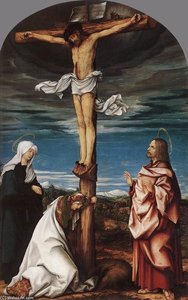
Podgląd w skali 1:1
 Wyślij jako kartkę
 Udostępnij
 Szczegóły dzieła
 Przewodnik

 Pobierz obraz
 Podobne obiekty
 RTG
RTG Pokaz slajdów
 Pytania i odpowiedzi
 Statystyki
Barbara i Hans Schellenberger

- 41.0 x 28.0 cm


 Rozwiń treść
Giclée / Wydruk artystyczny
Wydruki giclée lub płótna o jakości muzealnej, szybka realizacja i szeroki wybór opcji wykończenia. ( Zamów ręcznie malowaną reprodukcję Przejdź do wersji cyfrowej)




P118B zł10

P118H zł10

P118W zł10

P438Z zł10

P508JH zł12

P508YH zł12

P805H zł10

P805Z zł10

P919BZ zł10

P919G zł10

P919XJ zł10

P959ZH zł10

P968JZ zł12

W106C zł8

W218G zł10

W218JH zł8

W218Y zł10

W307PJ zł10

W316G zł10

W316PJ zł8

W316Y zł10

W398PJ zł8

W4111J zł10

W500HY zł15

W500JH zł15

W692G zł12

W849H zł8

W940BG zł15

W953PJ zł8




Wybierz spośród naszych standardowych rozmiarów, które zachowują oryginalne proporcje dzieła sztuki.

Wpisz wymaganą szerokość i wysokość, aby dopasować grafikę do ramy lub ściany. Wydruk można jedynie przyciąć, nigdy nie powiększając go poza oryginalny obraz, dlatego format o innych proporcjach spowoduje utratę części kompozycji. Przed rozpoczęciem druku prześlemy Ci cyfrowy podgląd do zatwierdzenia. Obraz wyświetlany na tej stronie nie pokazuje rzeczywistego przycięcia — jedynie podgląd oddaje ten efekt.
Dostawa na cały świat () w ciągu 2 tygodni zamiast standardowych 4/5 tygodni. (9 Listopad)

Bezpłatna ekspresowa wysyłka na cały świat

Wysokiej jakości płótno lniane

Pełne ubezpieczenie przesyłki

Gwarancja zwrotu należności celnych i podatków importowych

Gwarancja wiernego odwzorowania kolorów

100-dniowa polityka zwrotów (tylko w przypadku wad)

Gwarancja 100% zwrotu pieniędzy

Zniżka przy zakupie wielu sztuk
 Opcja ze szkłem jest dostępna wyłącznie w rozmiarach poniżej 110 cm

Barbara i Hans Schellenberger
Giclée / Wydruk artystyczny
Wymiary reprodukcji
-


Cena całkowita
zł 317
Barbara i Hans Schellenberger – Klasyka Renesansu z Augsburgi
Obraz „Barbara i Hans Schellenberger” autorstwa Hansa Burgkmaira Seniora stanowi wyjątkowy przykład sztuki renesansowej, powstały około roku 1505. Znajduje się w zbiorach Muzeum Wallraf-Richartz w Augsburgu i prezentuje niezwykle szczegółową reprezentację pary młodych ludzi pochodzących z rodziny szlachty augsburskiej.
Hans Burgkmair Senior, urodzony około 1473 roku w Augsburgu, był jednym z najważniejszych twórców okresu przejściowego między późnym gotyką a początkowym Renesansemiem. Jego życie przypadło na czas intensywnego wymiany kulturowej pomiędzy Europą Północną a Italią, co wpłynęło na jego twórczość i umiejętność absorpcji nowych idei włoskiego ruchu humanistycznego. Burgkmair nie podróżował do Italii w celu formalnego szkolenia akademickiego; jego wpływ pochodził z głębokiego zaangażowania w książki drukowane i obrazy – istotny czynnik rozpowszechniania nowych trendów artystycznych przez cały kontynent. Jego twórczość wykazuje wyraźną świadomość wpływu włoskiego stylu, jednocześnie zachowując charakterystyczną dla niemieckiej szkoły sztuki tradycję.
Obraz przedstawia dwóch ludzi stojących obok siebie – Hansa Schellenbergera i jego żonę Barbarę Ehem. Para ubrana jest w eleganckie stroje okresu Renesansu, co świadczy o bogactwie i pozycji rodziny Schellenbergerów. Szczególną uwagę przyciągają dwie kolumny znajdujące się po obu stronach postaci, które dodają obrazowi głębokości i struktury oraz wprowadzają elementy dekoracyjne charakterystyczne dla sztuki tego czasu.
Barbara Schellenberger trzyma w ręku kwiat eyebrighta – roślinę kojarzącą się z radością i szczęściem. Jest ona symbolem przyszłego małżeństwa i stanowi istotną część całej kompozycji obrazu. Hans Schellenberger natomiast nosi kapelusz, który podkreśla jego męską elegancję oraz dodaje obrazowi atmosfery poważnego wydarzenia.
Technika obrazu jest niezwykle wysoka – Burgkmair wykorzystał technikę chiaroscuro, czyli kontrastowego oświetlenia, która była jednym z najważniejszych narzędzi twórczych włoskich mistrzów Renesansu. Szczegółowe odwzorowanie faktur skóry i tkanin oraz umiejętne użycie kolorystyki świadczą o ogromnym poziomie wiedzy artystycznej autora i jego zdolności do przekazywania emocji oraz atmosfery obrazu.
„Barbara i Hans Schellenberger” jest doskonałym przykładem sztuki dekoracyjnej, która wpisuje się w kontekst kultury humanistycznej i intelektualnego rozwoju XVI wieku. Jego piękna kompozycja oraz umiejętne wykorzystanie środków wyrazu czynią go atrakcyjnym obiektem zainteresowania zarówno kolekcjonerów sztuki klasycznej, jak i projektantów wnętrz.
Pytania i odpowiedzi
Czy "Barbara i Hans Schellenberger" charakteryzuje się silnym kontrastem światłocienia?
Poziom kontrastu dzieła „Barbara i Hans Schellenberger” – Hans Burgkmair wynosi Wyrazisty.
Jak opisany jest nastrój dzieła „Barbara i Hans Schellenberger” – Hans Burgkmair?
"Barbara i Hans Schellenberger" ma Elegancki styl atmosferę.
Jaki jest format i wymiary dzieła "Barbara i Hans Schellenberger"?
Format dzieła "Barbara i Hans Schellenberger" to Orientacja pozioma, a wymiary oryginału wynoszą 41 x 28 cm. Obie te informacje są przydatne przy planowaniu reprodukcji.
Biografia artysty
Hans Burgkmair the Elder: Bridging Renaissance Italy and German Tradition
Born in Augsburg, Germany, around 1473, Hans Burgkmair the Elder emerged as a pivotal figure in the transition between late Gothic and early Renaissance art. His life coincided with a period of intense artistic exchange between Northern Europe and Italy, and he skillfully absorbed the innovations of the Italian Renaissance while retaining a distinctly German sensibility. Unlike many artists who traveled to Italy for formal training, Burgkmair’s influence stemmed from his deep engagement with the ideas circulating through printed books and images – a crucial development in disseminating new artistic trends across Europe. He wasn't merely copying Italian models; he was actively synthesizing them with established Northern European techniques and subject matter.
His early career began as an apprentice to his father, Thomas Burgkmair, a respected painter in Strasbourg. This familial connection provided him with a solid foundation in traditional German painting styles. However, it was his time working under Martin Schongauer in Colmar that truly ignited his artistic development. Schongauer’s mastery of detail and use of oil paint—techniques still relatively novel at the time—profoundly impacted Burgkmair's approach to rendering form and texture. Following Schongauer’s death, Burgkmair continued his training in Augsburg, absorbing further influences from the burgeoning artistic scene.
The Rise of a Master: Woodcuts and Frescoes
Burgkmair quickly established himself as a highly sought-after artist, specializing primarily in woodcut and fresco. His woodcuts, numbering around 700, are particularly significant for their innovative use of chiaroscuro – the dramatic interplay of light and shadow achieved through multiple blocks inked with varying tones. This technique, pioneered by Burgkmair, moved beyond the traditional single-block method and allowed him to create a remarkable sense of depth and volume, mimicking the effects of oil painting. His most celebrated woodcut series is undoubtedly the “Triumphs of Maximilian,” commissioned by Emperor Maximilian I to commemorate his victories and solidify his imperial authority. These prints are not merely decorative; they’re complex allegorical narratives filled with symbolism and meticulously rendered details.
Beyond woodcuts, Burgkmair was a skilled fresco painter. He is credited with decorating the facade of the Fugger residence in Augsburg – a landmark building that exemplifies the early Italian Renaissance style in Germany. Sadly, these frescoes have been lost to history, leaving behind only tantalizing descriptions and fragments of their grandeur. His work on the Munich and Vienna facades offers valuable insights into his fresco technique and stylistic choices.
Influences and Artistic Style
Burgkmair’s artistic style is a fascinating blend of Northern European tradition and Italian Renaissance ideals. He retained the meticulous detail and realism characteristic of German painting, but he also embraced the Italian emphasis on perspective, proportion, and classical motifs. The influence of Giorgione, a Venetian painter known for his atmospheric landscapes and poetic compositions, is particularly evident in Burgkmair’s work. Giorgione's use of muted colors and evocative scenes clearly resonated with Burgkmair, who sought to capture the mood and atmosphere of his subjects rather than simply depicting them realistically.
His son, Hans Burgkmair the Younger, continued his father’s legacy, collaborating on the “Turnierbuch,” a lavish illustrated tournament book. This collaborative effort further cemented the family's reputation as leading artists of their time and demonstrated the transmission of artistic knowledge from one generation to the next.
Legacy and Historical Significance
Hans Burgkmair the Elder’s contribution to art history is immense. He was among the first German artists to genuinely engage with the innovations of the Italian Renaissance, adapting them to his own cultural context and developing a unique artistic style. His pioneering use of chiaroscuro in woodcuts revolutionized printmaking techniques, paving the way for future generations of artists. Furthermore, he played a crucial role in introducing Renaissance ideas to Northern Europe through his prints and frescoes, contributing significantly to the broader dissemination of artistic knowledge during a period of rapid cultural change. He stands as a testament to the dynamic interplay between tradition and innovation that characterized the early Renaissance era.

Hans Burgkmair
1473 - 1531 , Germany
Krótka nota
- Full Name: Hans Burgkmair the Elder
- Nationality: German
- Date Of Birth: 1473
- Date Of Death: 1531
- Place Of Birth: Augsburg, Germany
- Notable Artworks:
- Triumphs of Maximilian
- Turnierbuch
- Lovers Surprised by Death
- Artistic Movement Or Style: Italian Renaissance
- Artists Who Influenced This Artist:
- Giovanni Bellini
- Giorgione
- Artists Or Movements Influenced By This Artist: ['Hans Burgkmair the Younger']
Powiązane artykuły
Hans Baldung Grien: A Renaissance Master of Allegory, Innovation & the Grotesque
Explore the captivating world of Hans Baldung Grien, a Renaissance master renowned for his allegorical paintings, striking woodcuts & unique depictions of mythology and the grotesque. Discover his life, works & legacy with OriginalUniqueArt.
Północne Odrodzenie: Innowacje Artystyczne i Przełom Kulturowy w Renesansowej Niemczech
Poznaj fascynujący świat Renesansu Północnego! Odkryj innowacje artystyczne, wybitnych mistrzów i unikalną symbolikę malarstwa niemieckiego. Ekspercka analiza historii sztuki z OriginalUniqueArt.

Hans Holbein the Younger: A Renaissance Portraitist's Mastery of Realism & Psychological Insight
Explore the life & art of Hans Holbein the Younger, a Renaissance master renowned for his strikingly realistic portraits and psychological insight. Discover iconic works like 'The Ambassadors' and delve into his lasting legacy.

Anton von Werner: Imperial Painter, Historical Witness & Shifting German Identity
Explore the life & work of Anton von Werner, Imperial Germany's leading painter. Discover his dramatic depictions of war, unification, and court life – a fascinating insight into 19th-century German history & art.

10 Arcydzieł Ekspresjonizmu Niemieckiego, Które Zdefiniowały Epokę | OriginalUniqueArt
Poznaj 10 arcydzieł ekspresjonizmu niemieckiego – od Kirchnera po Muncha. Odkryj historię, emocje i techniki tych ikonicznych dzieł sztuki. Reprodukcje najwyższej jakości na OriginalUniqueArt.com. Eksploruj kolekcję online!