 Podgląd w skali 1:1
 Wyślij jako kartkę
 Udostępnij
 Szczegóły dzieła
 Przewodnik

 Pobierz obraz
 Podobne obiekty
 RTG
RTG Pokaz slajdów
 Q&A
Q&A Statystyki
Night-Shining White


 Rozwiń treść
Dzieło sztuki prezentowane na tej stronie podlega ochronie prawem autorskim, co oznacza, że nie mamy prawa do tworzenia ani sprzedaży jego identycznej reprodukcji. Ochrona ta jest egzekwowana na mocy umów międzynarodowych, takich jak Konwencja berneńska oraz przez przepisy prawa krajowego, w tym te określone w Prawo autorskie USA – Tytuł 17.
Metoda ta jest w pełni zgodna z przepisami prawa autorskiego, ponieważ nie polega na kopiowaniu ani powielaniu chronionego dzieła. Stanowi ona kreatywną reinterpretację – nowy obraz, który czerpie inspirację z oryginału, ale nie jest z nim tożsamy.
Giclée / Wydruk artystyczny
Wydruki giclée lub płótna o jakości muzealnej, szybka realizacja i szeroki wybór opcji wykończenia. ( Zamów ręcznie malowaną reprodukcję Przejdź do wersji cyfrowej)




P118B zł10

P118H zł10

P118W zł10

P438Z zł10

P508JH zł12

P508YH zł12

P805H zł10

P805Z zł10

P919BZ zł10

P919G zł10

P919XJ zł10

P959ZH zł10

P968JZ zł12

W106C zł8

W218G zł10

W218JH zł8

W218Y zł10

W307PJ zł10

W316G zł10

W316PJ zł8

W316Y zł10

W398PJ zł8

W4111J zł10

W500HY zł15

W500JH zł15

W692G zł12

W849H zł8

W940BG zł15

W953PJ zł8




Wybierz spośród naszych standardowych rozmiarów, które zachowują oryginalne proporcje dzieła sztuki.

Wpisz wymaganą szerokość i wysokość, aby dopasować grafikę do ramy lub ściany. Wydruk można jedynie przyciąć, nigdy nie powiększając go poza oryginalny obraz, dlatego format o innych proporcjach spowoduje utratę części kompozycji. Przed rozpoczęciem druku prześlemy Ci cyfrowy podgląd do zatwierdzenia. Obraz wyświetlany na tej stronie nie pokazuje rzeczywistego przycięcia — jedynie podgląd oddaje ten efekt.
Dostawa na cały świat () w ciągu 2 tygodni zamiast standardowych 4/5 tygodni. (2 Listopad)

Bezpłatna ekspresowa wysyłka na cały świat

Wysokiej jakości płótno lniane

Pełne ubezpieczenie przesyłki

Gwarancja zwrotu należności celnych i podatków importowych

Gwarancja wiernego odwzorowania kolorów

100-dniowa polityka zwrotów (tylko w przypadku wad)

Gwarancja 100% zwrotu pieniędzy

Zniżka przy zakupie wielu sztuk
 Opcja ze szkłem jest dostępna wyłącznie w rozmiarach poniżej 110 cm

Night-Shining White
Giclée / Wydruk artystyczny
Wymiary reprodukcji
-


Cena całkowita
zł 312
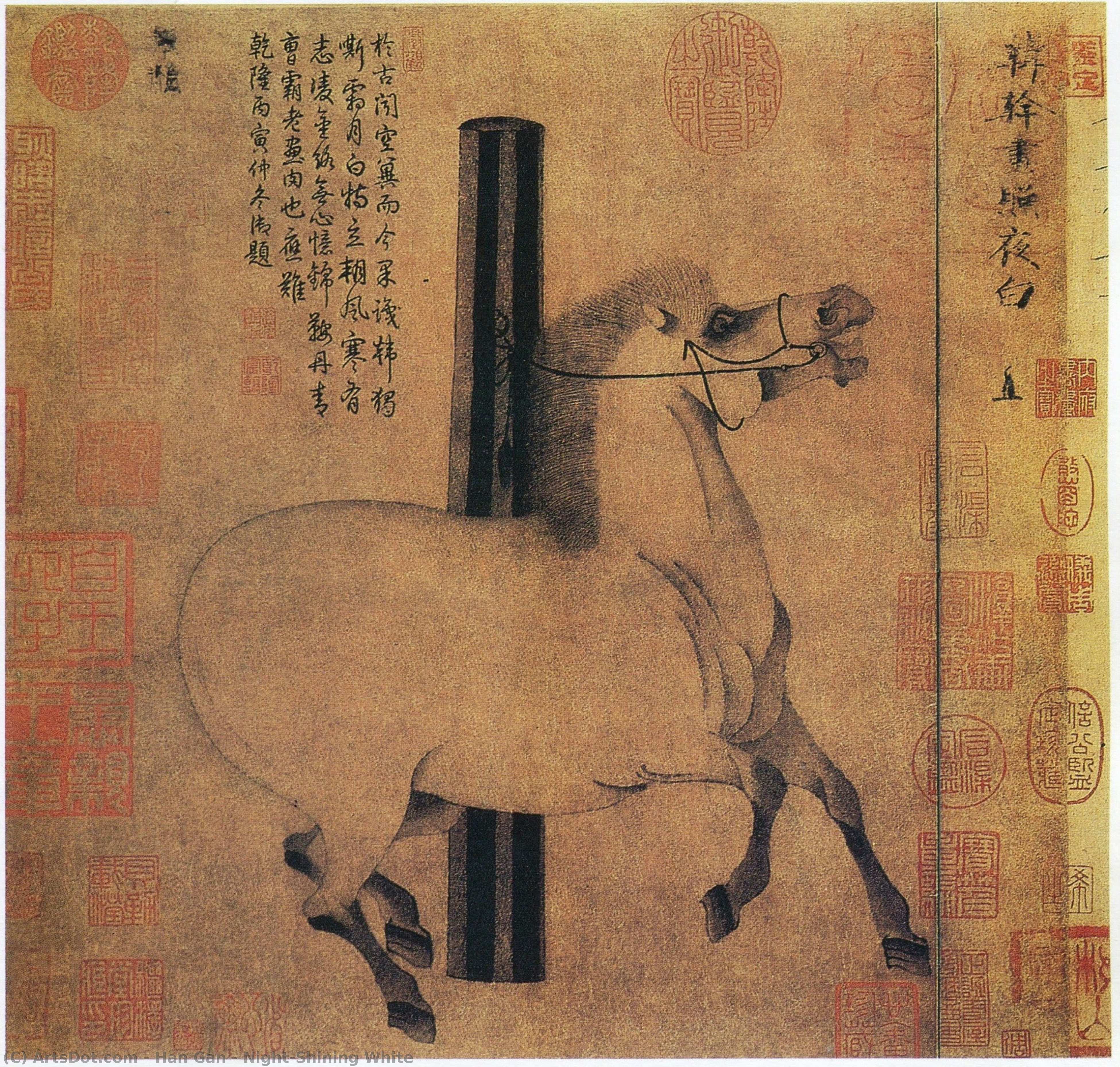
The Majesty of the Tang Steed: Capturing Motion in Night-Shining White
To gaze upon Han Gan’s depiction of Night-Shining White is to be transported directly into the opulent, spirited heart of the Tang Dynasty. This painting is not merely a portrait of an animal; it is a vibrant testament to the cultural obsession with the horse during China's golden age. The Tang period saw horses elevated from mere modes of transport to symbols of imperial power, martial prowess, and aristocratic grace. Han Gan, whose mastery of equine anatomy became legendary, captured this very spirit—the raw, untamed energy barely contained within a painted frame.
The subject itself is breathtaking: Moonlight White, the magnificent steed belonging to Emperor Xuanzong. The artist has managed to imbue this powerful creature with an almost palpable life force. Observe how the horse is depicted in a moment of spirited struggle, whinnying and rearing against its bonds. It is a dynamic tableau where muscle meets spirit, all rendered with astonishing vitality.
A Masterclass in Brushwork and Technique
What elevates this work beyond mere representation is Han Gan’s unparalleled technical skill. The description speaks of how the painter achieved such lifelike quality with seemingly few strokes—a testament to an intuitive understanding of form. While the structure might be outlined swiftly, the subsequent polishing of the body suggests hours of meticulous refinement, building volume and sheen into the coat. The contrast between the sturdy musculature and the delicate suggestion of movement is masterful. For collectors considering a reproduction, this piece showcases the pinnacle of Chinese animal painting: an ability to convey immense weight and explosive energy using only ink and pigment.
Historical Echoes and Enduring Appreciation
The provenance surrounding Night-Shining White adds layers of historical romance to its surface. The fact that it was inscribed by the poet emperor Li Yu, and later appreciated by giants like Mi Fu, transforms the painting into a cultural artifact passed through generations of connoisseurs. It speaks volumes about the enduring appeal of Han Gan’s vision. While the photo description suggests a scene with a cart and men, the core power remains rooted in that magnificent, struggling horse—a focal point around which human activity orbits.
Symbolism and Emotional Resonance for the Modern Home
For the contemporary art lover or interior designer, this piece offers more than just decoration; it offers narrative depth. The horse, across countless cultures, symbolizes freedom, nobility, and unstoppable forward momentum. Placing a reproduction of Night-Shining White in a space is to infuse it with an aura of spirited grandeur. It suggests a connection to history's greatest epochs—a reminder that even the most powerful beings are subject to moments of beautiful, energetic struggle. The black and white tonality lends it an antique gravitas, allowing its inherent drama to speak softly yet profoundly within any curated setting.
Pytania i odpowiedzi
Jakie miejsce w historii sztuki zajmuje „Night-Shining White” – Han Gan?
Pod względem historycznym „Night-Shining White” to dzieło z nurtu Tang Dynasty Art, powstałe w szerszej epoce Early Medieval.
Gdzie mogę zobaczyć podgląd dzieła "Night-Shining White"?
Strona Podgląd w pomieszczeniu dzieła „Night-Shining White” pozwala na podgląd obrazu przed złożeniem zamówienia.
Gdzie mogę kupić ręcznie malowaną reprodukcję dzieła „Night-Shining White” – Han Gan?
"Night-Shining White" jest dostępny jako ręcznie malowana reprodukcja olejowa na płótnie lnianym. Zamówienie można złożyć na stronie Ręcznie malowana reprodukcja, wybierając preferowany rozmiar.
Biografia artysty
A Life Dedicated to the Noble Steed: The World of Han Gan
Han Gan, a name synonymous with equine majesty in the annals of Chinese art history, flourished during the vibrant Tang Dynasty (c. 706–783). His origins remain somewhat shrouded in mystery—accounts place his birth in either Chang’an, the imperial capital now known as Xi'an; Lantian, also within Shaanxi province; or Daliang, present-day Kaifeng in Henan. This humble beginning belies the extraordinary artistic journey that would see him rise to become the most celebrated horse painter of his era. Born into a family facing hardship, young Han Gan demonstrated an innate talent for drawing, sketching figures in the sand with remarkable skill. His potential did not go unnoticed; Wang Wei, a towering figure as both poet and artist, recognized the spark within him and generously sponsored Han’s artistic education.
This patronage proved pivotal, leading to Han Gan's tutelage under Cao Ba, a respected court painter already renowned for his depictions of horses. However, it was not merely technical skill that defined Han Gan’s path. He immersed himself in the very essence of his subject matter—the imperial stables themselves. Rather than relying on established conventions or the works of predecessors, he dedicated countless hours to observing these magnificent animals firsthand, meticulously studying their anatomy, movement, and temperament. This commitment to direct observation would become the hallmark of his style, setting him apart from earlier artists and revolutionizing horse portraiture in China.
From Court Artist to Master of Equine Representation
Han Gan’s dedication earned him a position as a painter within the Tang court. While he undertook commissions for portraits and paintings with Buddhist and Daoist themes, it was his depictions of horses that truly captured the attention—and ultimately, the imagination—of the empire. He wasn't simply recording physical likeness; Han Gan sought to portray the *spirit* of the horse, its power, nobility, and untamed energy. He achieved this through a distinctive technique characterized by tautly controlled lines, precise anatomical rendering, and carefully balanced compositions. His brushwork conveyed not just form but also a sense of vitality and inner life.
The horses Han Gan painted were more than mere animals; they embodied the strength and prestige of the Tang Dynasty itself. Central Asian breeds, newly introduced to China during this period, possessed an imposing presence that captivated the imperial court. These powerful steeds were often likened to mythical creatures—celestial beings breathing fire and possessing dragon-like qualities. Han Gan masterfully captured this aura of awe and wonder in his work, elevating the horse to a symbol of imperial power and cultural significance.
Legacy and Lasting Influence
Han Gan’s reputation quickly eclipsed that of his teacher, Cao Ba. He became the definitive standard for horse painting, with subsequent generations of artists studying his techniques and emulating his style. His influence extended far beyond his own lifetime, shaping the course of Chinese equine art for centuries to come. Li Gonglin, a prominent painter of the Song Dynasty, continued the tradition of depicting horses as central subjects, building upon Han Gan’s foundation. Zhao Mengfu, during the Yuan Dynasty, also drew inspiration from his work.
Even today, Han Gan's legacy endures. His most famous painting, Night-Shining White, a portrait of Emperor Li Longji’s beloved steed, remains an iconic masterpiece, admired for its exquisite detail and evocative portrayal of equine grace. A testament to his enduring impact, a crater on Mercury bears his name—a fitting tribute to the artist who captured the spirit of these magnificent creatures and immortalized them in art. His work continues to inspire awe and admiration, reminding us of the power of observation, dedication, and the timeless beauty of the natural world.
- Key Characteristics: Precise line work, anatomical accuracy, emphasis on the horse’s spirit and nobility.
- Influences: Wang Wei (patronage), Cao Ba (teacher).
- Notable Works: Night-Shining White, Horse and Groom.
- Historical Significance: Revolutionized Chinese horse painting; established a standard for future generations of artists.

Han Gan
China
Krótka nota
- Artistic Movement Or Style: Tang Dynasty Painting
- Artists Or Movements Influenced By This Artist:
- Li Gonglin
- Zhao Mengfu
- Artists Who Influenced This Artist:
- Wang Wei
- Cao Ba
- Date Of Birth: c. 706
- Date Of Death: 783
- Full Name: Han Gan
- Nationality: Chinese
- Notable Artworks:
- Night-Shining White
- Horse and Groom
- Place Of Birth: Xi'an, China
Powiązane artykuły
The Noble Steed: A Historical & Artistic Exploration of Equestrian Art Across Cultures
Explore the captivating history of equestrian art with OriginalUniqueArt. Discover masterpieces from Velázquez to Van Dyck & learn about collecting these timeless works. Expert insights for discerning connoisseurs.
Konie w sztuce: Symbolika, reprezentacje i ewolucja motywu od starożytności do współczesności
Odkryj fascynującą historię koni w sztuce! Poznaj symbolikę, reprezentacje i ewolucję motywu od starożytności do współczesności. Ekspercka analiza dla miłośników sztuki i historii.

Konie jako Muzy w Sztuce: Historyczna i Artystyczna Eksploracja Końskiego Wizerunku
Odkryj fascynującą historię koni w sztuce! Eksploracja końskiego wizerunku od mitologii po współczesność. Analiza symboliki, gatunków i wpływowych dzieł malarskich. Poznaj bogactwo artystycznej interpretacji konia.
Timeless Elegance: A Visual Journey Through the Romance of Horse Carriage Artworks
Embark on a visual journey through the romantic world of horse carriage art. Discover the mastery of equestrian oil paintings, from Impressionist textures to classical realism, and learn how to bring timeless elegance into your home with museum-quality reproductions.
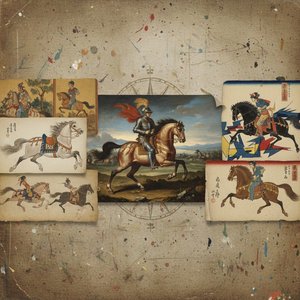
The Noble Steed on Canvas: A Historical & Artistic Exploration of Horse Painting Across Cultures
Explore the rich history of horse painting! Discover masterpieces from Stubbs to Munnings & learn about symbolism, techniques & artists. Find museum-quality reproductions at OriginalUniqueArt.