

 Zobacz w skali 1:1
 Wyślij
 Udostępnij
 Szczegóły
 Przewodnik

 Pobierz plik obrazu
 Podobne obiekty
 RTG
RTG Pokaz slajdów
 Statystyki
The oak

 Czytaj więcej
Ręcznie malowana reprodukcja olejowa
Ręcznie malowany obraz olejny na płótnie, wykonany na zamówienie przez naszych artystów w wybranym przez Ciebie wymiarze i oprawie. ( Przełącz na wersję drukowaną Przełącz na wersję cyfrową)




P118B zł10

P118H zł10

P118W zł10

P438Z zł10

P508JH zł12

P508YH zł12

P805H zł10

P805Z zł10

P919BZ zł10

P919G zł10

P919XJ zł10

P959ZH zł10

P968JZ zł12

W106C zł8

W218G zł10

W218JH zł8

W218Y zł10

W307PJ zł10

W316G zł10

W316PJ zł8

W316Y zł10

W398PJ zł8

W4111J zł10

W500HY zł15

W500JH zł15

W692G zł12

W849H zł8

W940BG zł15

W953PJ zł8




Wybierz spośród naszych standardowych rozmiarów, które zachowują oryginalne proporcje dzieła sztuki.

Wpisz wymaganą szerokość i wysokość, aby obraz pasował do Twojej ramy lub ściany. Ponieważ jest to dzieło malowane ręcznie, w przypadku rozmiaru o innym proporcji artysta może domalować nieco więcej wokół obrazu lub przyciąć fragmenty — wybór należy do Ciebie. Przed rozpoczęciem pracy prześlemy Ci cyfrową wizualizację do zatwierdzenia. Obraz widoczny na tej stronie nie przedstawia rzeczywistego efektu — jedynie wizualizacja oddaje realny rezultat.
Po złożeniu zamówienia zespół OriginalUniqueArt.com skontaktuje się z klientem drogą mailową w celu uzyskania instrukcji i prześle wizualizację projektu
Dostawa na całym świecie () w ciągu 3–4 tygodni zamiast standardowych 5 tygodni. (23 Październik). Bez kompromisów w kwestii jakości.

Bezpłatna ekspresowa wysyłka na cały świat

Wysokiej jakości płótno lniane

Pełne ubezpieczenie transportowe

Gwarancja zwrotu należności celnych i podatków importowych

Gwarancja idealnego odwzorowania barw

100-dniowy okres na zwrot dzieła w przypadku wykrycia wad produkcyjnych

Gwarancja 100% zwrotu pieniędzy

Oferta przy zakupie wielu sztuk
 Opcja ze szkłem jest dostępna wyłącznie w rozmiarach poniżej 110 cm

The oak
Technika wykonania
Rozmiar reprodukcji
-


Suma do zapłaty
zł 1155
A Symphony of Light and Nature: Guy Rose’s “The Oak”
- Subject & Composition: This captivating oil painting by Guy Orlando Rose centers on a majestic oak tree, rendered with an immediacy that draws the viewer into its tranquil world. The composition is powerfully vertical, emphasizing the tree's imposing height and reaching branches. A hazy mountain range provides a serene backdrop, creating depth and atmosphere without competing for attention. It’s not merely *a* tree; it’s *the* oak – a singular presence embodying strength and longevity.
- Impressionistic Technique & Style: Rose masterfully employs an Impressionistic style characterized by loose, visible brushstrokes and a focus on capturing the fleeting effects of light. He doesn't aim for photographic realism but rather seeks to convey the *impression* of the scene – the way sunlight filters through leaves, the texture of bark, and the overall feeling of being present in nature. The paint is applied in broken color patches, allowing the viewer’s eye to blend them optically, creating a vibrant and dynamic surface. This technique aligns Rose with contemporaries like Monet and Pissarro, yet his work possesses a distinctly Californian sensibility.
Historical Context & Artistic Lineage
- A California Impressionist: Guy Orlando Rose (1867-1925) was a pivotal figure in the early 20th-century American art scene, particularly known for his contributions to California Impressionism. Born and raised in Southern California, he received formal training in San Francisco and Paris, absorbing European influences before forging his own unique style. His time spent studying under masters in France, including a close relationship with Claude Monet at Giverny, profoundly shaped his approach to landscape painting.
- Echoes of the Barbizon School: While firmly rooted in Impressionism, Rose’s work also reveals an appreciation for the earlier Barbizon school painters who championed *plein air* (outdoor) painting and a realistic depiction of nature. This dedication to working directly from life is evident in the immediacy and freshness of “The Oak.”
Symbolism & Emotional Resonance
- The Enduring Oak: The oak tree itself carries rich symbolic weight. Throughout history, oaks have represented strength, resilience, wisdom, and longevity – qualities that resonate deeply with the painting’s overall mood. It can be seen as a metaphor for enduring spirit or a connection to ancestral roots.
- A Sense of Tranquility: Beyond its symbolic meaning, “The Oak” evokes a powerful sense of tranquility and harmony with nature. The soft lighting, muted color palette, and loose brushwork create a calming atmosphere that invites contemplation. It’s a scene that speaks to the restorative power of the natural world.
For Collectors & Interior Design
- A Versatile Masterpiece: “The Oak” is a versatile piece suitable for a variety of interior design schemes. Its earthy tones and organic forms complement both traditional and contemporary settings.
- Investment Potential: As a work by a recognized California Impressionist, this painting holds significant artistic and historical value. High-quality reproductions allow art enthusiasts to enjoy Rose’s vision without the investment of an original piece, while still adding sophistication and character to any space.
Pytania i odpowiedzi
Jaki dominujący odcień przenika „The oak” autorstwa Guy Rose?
„The oak” skłania się ku Green to Violet Spectrum tonacji.
W jaki sposób tematyka dzieła "The oak" odnosi się do typowych motywów twórczości Guy Rose?
Powracające motywy w twórczości Guy Rose obejmują monet's light, plein air", french impressionism, landscape aesthetics, nature's serenity, american west beauty; „The oak” koncentruje się na landscape, trees, nature, sunlight, california, impressionism, tranquility, outdoors.
Czy mogę zobaczyć obraz „The oak” autorstwa Guy Rose w widoku rentgenowskim?
Dzieło "The oak" można badać warstwa po warstwie na stronie Prześwietlenie, która stanowi interaktywny podgląd inspirowany stołem świetlnym konserwatora, oferujący jedenaście optycznych odczytów obrazu.
Biografia artysty
Guy Orlando Rose: A Life in Impressionism
Early Life and Education
- Birth & Family: Guy Orlando Rose was born on March 3, 1867, in San Gabriel, California, the seventh child of Leonard John Rose, a prominent California senator, and Amanda Jones Rose. The family resided on an expansive ranch and vineyard in the San Gabriel Valley – the town of Rosemead bears their name.
- Early Trauma & Artistic Beginnings: At age nine, Guy was accidentally shot in the face during a hunting trip. During his convalescence, he began to sketch with watercolors and oils, discovering an early passion for art.
- Formal Training: He graduated from Los Angeles High School in 1884 before moving to San Francisco to study at the California School of Design (San Francisco Art Association) from 1885-1888. His instructors included Virgil Williams, Warren E. Rollins, and Emil Carlsen. He received accolades for his work during this period, including the Avery Gold Medal in oil painting.
- Parisian Studies: In September 1888, Rose enrolled at the Académie Julian in Paris, studying under Benjamin-Constant, Jules Lefebvre, Lucien Doucet, and Jean-Paul Laurens. He also attended the Académie Delacluse on scholarship, exhibiting work at the Paris Salons in 1890, 1891, 1894, 1900, and 1909.
Artistic Development & Influences
- Early Style: Rose’s early work demonstrated a strong foundation in academic painting techniques honed during his training.
- Impressionist Turn: His move to Giverny, France, in 1899 marked a turning point. Living near Claude Monet, he became deeply influenced by Impressionism, adopting its emphasis on light, color, and plein air painting.
- Monet’s Mentorship: Rose developed a close friendship with Monet, who served as a mentor, further solidifying his commitment to the Impressionist style. His works from this period clearly reflect Monet's influence in their luminous quality and focus on atmospheric effects.
- Other Influences: He also maintained lifelong friendships with fellow artists Frank Vincent DuMond and Frederick Melville, exchanging ideas and artistic approaches.
Career & Major Achievements
- Early Career (1890s): Rose worked as an illustrator for publications like Harper's, Scribner’s, and Century in New York City.
- Giverny Period (1904-1912): This was a highly productive period, with Rose creating many of his most celebrated Impressionist landscapes.
- California Return & Teaching: Due to health issues (lead poisoning), Rose and his wife returned to Los Angeles in 1914. He became Director of the Stickney Memorial School of Art in Pasadena, sharing his knowledge with aspiring artists.
- Carmel-by-the-Sea (1918-1920): Rose was an active member of the Carmel art colony, exhibiting his work and contributing to the local artistic community.
- Notable Works: Some of his most recognized paintings include “Point Lobos,” “The Saine Valley, Giverny”, "Oak Grove, Carmel", and numerous landscapes capturing the beauty of California and France.
Historical Significance & Legacy
- American Impressionism: Guy Rose is considered a significant figure in American Impressionism, bridging European techniques with Californian landscapes.
- California Art Scene: He played an important role in developing the California art scene, both as an artist and educator.
- Lasting Influence: His paintings continue to be admired for their delicate handling of light, vibrant colors, and evocative depictions of nature.
- Posthumous Recognition: A memorial exhibition was held at the Stendahl Gallery in 1926 following his death on November 17, 1925, in Pasadena, California.

Guy Rose
1867 - 1925
Najważniejsze informacje
- Name: Guy Orlando Rose
- Movement: Impressionism
- Birth Date: March 3, 1867
- Death Date: November 17, 1925
- Birth Place: San Gabriel, California
- Nationality: American
- Date Of Birth: 1867
- Date Of Death: 1925
- Influenced By: Claude Monet
- Notable Works:
- Point Lobos
- The Saine Valley, Giverny
- Oak Grove, Carmel
Zobacz także powiązane artykuły
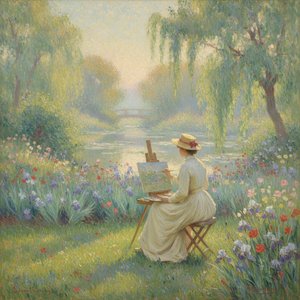
Capturing Ephemeral Light: A Definitive Guide to the Artistry of American Impressionism
Explore the luminous world of American Impressionism. Discover the history of plein air painting, the mastery of artists like Robert Julian Onderdonk, and the enduring beauty of light-drenched landscapes through this expert art history guide.

Echa Miejsca: Historyczna Podróż przez Sztukę Krajobrazu
Odkryj historię sztuki krajobrazu – od romantycznych wizji Friedricha po surrealistyczne pejzaże Dalego. Analizy, inspiracje i reprodukcje obrazów najwyższej jakości na OriginalUniqueArt.com.

Evocations of Place: A Historical Journey Through Landscape Art
Explore the rich history of landscape art with OriginalUniqueArt. Discover renowned artists, movements like Impressionism & Romanticism, and expert guidance for collecting timeless pieces. Find your perfect serene escape today!
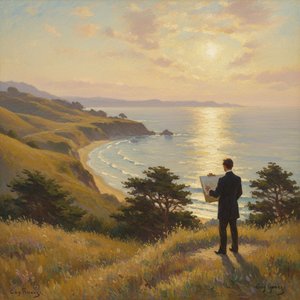
Guy Rose: Luminism, Impressionism & the Californian Aesthetic – A Comprehensive Exploration of Life and Legacy
Explore the life & art of Guy Rose, a leading American Impressionist painter. Discover his luminous California landscapes, Giverny scenes, and enduring legacy. A comprehensive guide for collectors & enthusiasts.
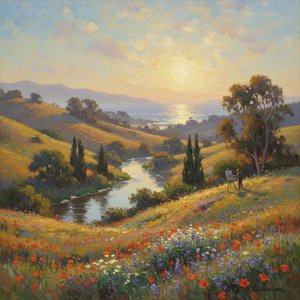
Guy Orlando Rose: Capturing California's Luminosity in American Impressionism
Explore the luminous landscapes of Guy Orlando Rose, a leading American Impressionist painter deeply influenced by Monet. Discover his mastery of light, atmospheric perspective & California scenes. Learn about his legacy and find high-quality reproductions.