- Strona główna

- Druk na płótnie
- Gustaw Courbet
- The Wave

 Zamów reprodukcję Kup cyfrowy obraz
 Udostępnij
 Udostępnij
 Szczegóły dzieła
 Dodaj do ulubionych

 Pobierz
 Podobne obiekty
 RTG
RTG
 Pokaz slajdów
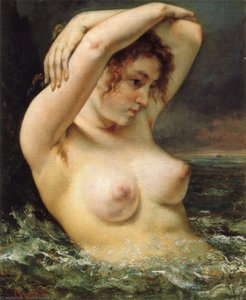
The Wave
 Acrylic On Canvas
- WallArt
- Contemporary Realism
 1869
1869 63.0 x 92.0 cm
 Städel Museum
 Rozwiń treść
Giclée / Wydruk artystyczny
Druk giclée lub płótno o jakości muzealnej z szybką realizacją i szerokim wyborem opcji wykończenia.




P118B $10

P118H $10

P118W $10

P438Z $10

P508JH $12

P508YH $12

P805H $10

P805Z $10

P919BZ $10

P919G $10

P919XJ $10

P959ZH $10

P968JZ $12

W106C $8

W218G $10

W218JH $8

W218Y $10

W307PJ $10

W316G $10

W316PJ $8

W316Y $10

W398PJ $8

W4111J $10

W500HY $15

W500JH $15

W692G $12

W849H $8

W940BG $15

W953PJ $8




Wybierz spośród naszych predefiniowanych rozmiarów, które zachowują oryginalne proporcje dzieła sztuki.

Możesz wprowadzić własne wymiary, aby dopasować dzieło do konkretnej ramy lub przestrzeni. Jeśli wybrany rozmiar nie będzie odpowiadał proporcjom oryginalnego obrazu, przytniecie dzieło lub rozszerzymy obraz za pomocą odbicia lustrzanego lub jednolitego wypełnienia krawędzi. Przed rozpoczęciem produkcji prześlemy cyfrową wizualizację do Twojej akceptacji.
Prosimy pamiętać, że podgląd na ekranie nie odzwierciedla faktycznego przycinania ani rozszerzania. Tylko wizualizacja dokładnie pokaże końcową kompozycję.
Mimo dostępności niestandardowych rozmiarów, zalecamy wybór wymiaru z listy zdefiniowanej, aby zachować oryginalne proporcje.
Dostawa na cały świat () w ciągu 2 tygodni zamiast standardowych 4/5 tygodni. (20 Lipiec)

Bezpłatna ekspresowa wysyłka na cały świat

Wysokiej jakości płótno lniane

Pełne ubezpieczenie przesyłki

Gwarancja zwrotu należności celnych

Gwarancja pełnego zgodności kolorystycznej

Polityka 60-dniowego zwrotu (tylko w przypadku wad)

Gwarancja 100% zwrotu pieniędzy

Zniżka przy większych zamówieniach
 Opcja szkła jest dostępna wyłącznie w rozmiarach poniżej 110 cm

The Wave
Giclée / Wydruk artystyczny
Wymiary reprodukcji
-


Cena całkowita
-
Opis obiektu kolekcjonerskiego
A Tempestuous Vision of Nature’s Might: Gustave Courbet's “The Wave”
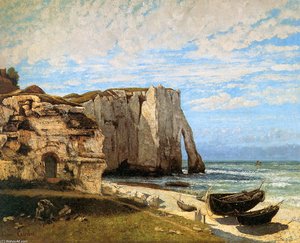
Gustave Courbet’s monumental oil painting, “The Wave,” completed in 1869, stands as a cornerstone of Realism and a defiant proclamation against the romanticized depictions prevalent during its era. More than just a landscape; it’s an immersive experience designed to confront viewers with the raw power and sublime beauty inherent in untamed natural forces – specifically, the ocean.
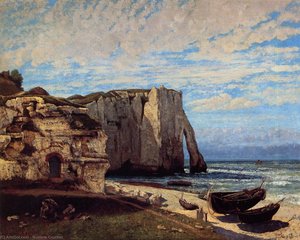
- Subject Matter: The painting captures a dramatic seascape dominated by a colossal wave crashing against a rocky shoreline. Courbet eschewed idealized representations of nature, opting instead for meticulous observation to convey the visceral reality of the scene.
- Style & Technique: Courbet’s approach aligns perfectly with Realism's core tenets. He employed impasto—thickly applied paint—creating palpable texture and capturing the dynamism of the wave’s movement. The artist meticulously documented every detail, from the foam crest to the weathered rocks, rejecting artistic conventions that prioritized beauty over accuracy.
- Historical Context: Painted during a period marked by significant social upheaval in France – including debates surrounding industrialization and societal reform – “The Wave” served as a visual manifesto for Courbet’s belief in portraying life as it truly is. It challenged the academic establishment's preference for mythological narratives and historical grandeur, asserting that art should reflect everyday experience.
Beyond its technical prowess, “The Wave” resonates deeply with symbolic meaning. The wave itself embodies overwhelming force, representing both destructive potential and regenerative energy – a motif frequently explored in Romantic art but interpreted by Courbet with unflinching honesty. Its sheer scale underscores humanity’s insignificance against the immensity of nature, prompting contemplation on our place within the cosmos.
Courbet's intention wasn’t merely to depict what he saw; he aimed to evoke an emotional response in his audience. The painting’s turbulent brushstrokes and muted palette convey a sense of unease and awe, mirroring the experience of confronting such overwhelming natural grandeur. It compels viewers to confront their own vulnerability and appreciate the sublime – a concept championed by Edmund Burke as a reaction against Romantic idealism.
- Interior Design Considerations: “The Wave”’s powerful imagery lends itself beautifully to interior spaces seeking dramatic impact. Large-scale reproductions can transform living rooms into immersive environments, channeling the energy of the ocean and fostering contemplation.
- Collector Appeal: As a seminal work of Realism, “The Wave” commands considerable prestige among art collectors. Its uncompromising depiction of nature’s power speaks to an enduring fascination with the sublime and represents a pivotal moment in artistic history.
Biografia artysty
A Rebel’s Brush: The Life and Legacy of Gustave Courbet
Jean Désiré Gustave Courbet, born in Orléans, France, on June 10, 1819, stands as a monumental figure in the history of art – a defiant iconoclast who irrevocably altered the trajectory of nineteenth-century painting. More than simply capturing visual impressions; his artistic journey embodies a profound rejection of convention and an unwavering dedication to portraying reality with uncompromising honesty. His formative years were marked by familial stability and encouragement from his mother, fostering within him a passion for artistic pursuits that would propel him toward a transformative confrontation with the established artistic landscape.Early Training and Parisian Influences
Formal training commenced at the École des Beaux-Arts in Paris in 1839, yet Courbet swiftly recognized the limitations of academic formalism. Dissatisfaction grew as he observed the prevailing Romantic idealism – a preoccupation with emotion and mythology – which clashed violently with his own artistic sensibilities. Despite acknowledging influences from luminaries like Eugène Delacroix and Théodore Géricault, whose dramatic canvases captivated audiences, Courbet resolutely forged his own path, prioritizing observation over imaginative embellishment and truthfulness above tradition. He sought inspiration in the works of Caravaggio, particularly his masterful use of chiaroscuro – dramatic contrasts between light and dark – recognizing its ability to convey psychological depth and emotional intensity.The Birth of Realism: Challenging Artistic Conventions
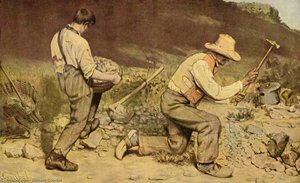
Courbet’s artistic breakthrough arrived with a deliberate repudiation of prevailing aesthetic standards. He eschewed grand narratives and heroic portrayals, instead focusing on the everyday lives of ordinary individuals—particularly laborers and rural inhabitants—a decision that would fundamentally reshape the art world. This commitment to depicting reality without romantic embellishment – Realism – initially encountered vehement opposition from critics accustomed to idealized representations steeped in myth and emotion. Early canvases explored landscapes and portraits, but soon pivoted toward scenes of working-class existence rendered on monumental scales traditionally reserved for historical or religious paintings. This wasn’t merely stylistic; it was a declaration about the inherent dignity and significance of subjects often marginalized by artistic discourse. The painting “The Stone Breakers,” completed in 1849, tragically destroyed during World War II, exemplifies this ethos—a stark depiction of two laborers toiling away under oppressive conditions, their faces obscured by exhaustion and despair. It powerfully conveyed a message of social justice and challenged the prevailing notion that art should cater solely to aristocratic tastes.Major Works and Artistic Philosophy
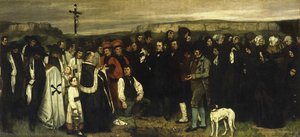
Courbet’s artistic philosophy extended beyond subject matter; it encompassed technique—specifically, *impasto*, applying paint thickly onto the canvas to create textured surfaces that emphasized the materiality of the medium itself. This bold approach mirrored Caravaggio's dramatic use of light and shadow, furthering his rejection of academic conventions. Paintings like “A Burial at Ornans” (1850-51) provoked considerable controversy due to their sheer scale and unflinching realism—a deliberate provocation against societal expectations regarding artistic subject matter. Courbet’s exploration of themes such as the artist's studio (“The Painter’s Studio,” 1855) served as a visual manifesto for his belief in artistic freedom and social engagement, reflecting his conviction that art should confront uncomfortable truths and inspire critical reflection. His participation in the Salon des Refusés in 1863—an exhibition of rejected artworks—solidified his reputation as a rebellious champion of artistic liberty and underscored his unwavering defiance against institutional censorship.Legacy and Historical Significance
Gustave Courbet’s influence on subsequent art movements is undeniable. He liberated Impressionists and Post-Impressionists from the constraints of academic tradition, encouraging them to experiment with new visual languages and explore uncharted territories of perception. His insistence on portraying reality without embellishment paved the way for later socially conscious artists who utilized their work as instruments of political commentary and social reform. Courbet’s unwavering dedication to artistic integrity—coupled with his courageous stance against societal norms—secured his place as a pivotal figure in art history, ensuring that his legacy continues to inspire generations of artists striving to capture the essence of human experience with unflinching honesty and conviction. He died April 29, 1877.
Gustaw Courbet
1819 - 1877 , Francja
Kluczowe informacje
- Artistic Movement Or Style: Realizm
- Artists Or Movements Influenced By This Artist:
- Impressionizm
- Post-Impressionizm
- Artists Who Influenced This Artist:
- Eugène Delacroix
- Théodore Géricault
- Caravaggio
- Date Of Birth: 10 czerwca 1819
- Full Name: Gustave Courbet
- Nationality: Francuz
- Notable Artworks:
- Żegnaj Gustave Courbet
- Rocky Seashore
- Château du Chillon
- Place Of Birth: Ornans, Francja
Powiązane artykuły
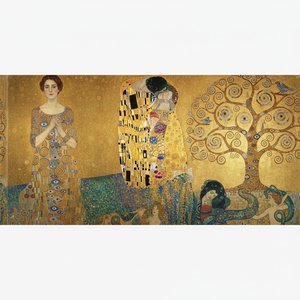
Gustav Klimt: 25 Arcydzieł Pełnych Złota i Symboliki | OriginalUniqueArt.com
Odkryj 25 arcydzieł Gustava Klimta – od 'Pocałunku' po 'Kobietę w złocie'. Poznaj historię, symbolikę i technikę malarstwa secesyjnego. Reprodukcje najwyższej jakości na OriginalUniqueArt.com! Eksploruj pełną kolekcję online.

Paul Cézanne: 25 Arcydzieł, które Zrewolucjonizowały Świat Sztuki | OriginalUniqueArt
Odkryj 25 arcydzieł Paula Cézanne'a – od impresjonizmu po postimpresjonizm. Poznaj historie, techniki i inspiracje malarza, który zrewolucjonizował sztukę. Reprodukcje obrazów najwyższej jakości na OriginalUniqueArt.com!
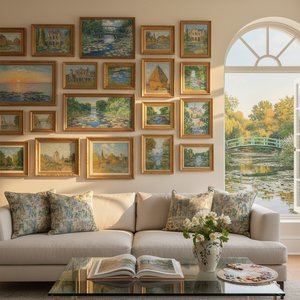
Claude Monet: 25 Najlepszych Arcydzieł Impresjonizmu | Reprodukcje Obrazów Online
Odkryj 25 najpiękniejszych arcydzieł Claude Moneta – impresjonistycznych pejzaży, nymfeii i słonecznych krajobrazów. Poznaj historię sztuki i zainspiruj się do dekoracji wnętrz z OriginalUniqueArt.com! Eksploruj pełną kolekcję online.
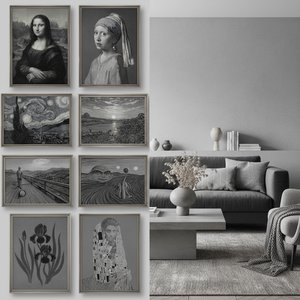
Szare arcydzieła: Top 10 słynnych obrazów w odcieniach szarości | OriginalUniqueArt.pl
Odkryj 10 arcydzieł sztuki w odcieniach szarości! Poznaj historie Claude Moneta, Degasa i Goi. Inspiracje wnętrzarskie z klasycznymi obrazami. Reprodukcje najwyższej jakości na OriginalUniqueArt.com – zobacz kolekcję online!
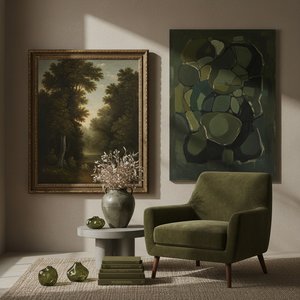
Top 10 słynnych obrazów w odcieniach oliwkowej zieleni – inspiracje do wnętrz | OriginalUniqueArt.com
Odkryj 10 słynnych obrazów w odcieniach oliwkowej zieleni! Van Gogh, Monet i inni mistrzowie. Poznaj historię, techniki i inspiracje dla Twojego wnętrza. Reprodukcje najwyższej jakości na OriginalUniqueArt.com.