Menu
Text size

() ·

A painting made for you, by hand

Study for Landscape with Waterfall

Ręcznie malowana reprodukcja olejowa

Ręcznie malowany obraz olejny na płótnie, wykonany na zamówienie przez naszych artystów w wybranym przez Ciebie wymiarze i oprawie. ( Przełącz na wydania drukowane Przejdź do wersji cyfrowej)

Opis obiektu

Gustave Courbet’s "Study for Landscape with Waterfall" captures serene nature in a Romantic style. Oil on canvas showcases realistic detail & atmospheric perspective. Explore this iconic landscape painting.

Biografia artysty

Gustave Courbet (1819-1877): Żegnaj Gustave Courbet! Ikona Realizmu. Odkryj monumentalne pejzaże i obraz „Żegnaj Gustave Courbet” oraz jego wpływ na sztukę XIX wieku!

from ·

Chapter 1

How large should it be?

Slide to change the size; the picture on the left shows the frame at its real width. The proportions of the original are kept.

Standardowy format
personalizowane
CM
INCH

Wybierz spośród naszych standardowych rozmiarów, które zachowują oryginalne proporcje dzieła sztuki.

szerokość
wysokość

Wpisz wymaganą szerokość i wysokość, aby obraz pasował do Twojej ramy lub ściany. Ponieważ jest to dzieło malowane ręcznie, w przypadku rozmiaru o innych proporcjach artysta może domalować nieco więcej wokół obrazu lub przyciąć jego fragmenty — wybór należy do Ciebie. Przed rozpoczęciem pracy prześlemy Ci cyfrową wizualizację do zatwierdzenia. Obraz widoczny na tej stronie nie przedstawia rzeczywistego efektu — jedynie wizualizacja oddaje realny rezultat.

Chapter 2

How should it arrive?

Choose the edges of the stretched canvas

Choose your frame

Corner sample of the WhiteWrap canvas edge finish, stretched on lite drewno bars
White zł1
Corner sample of the BlurSideWrap canvas edge finish, stretched on lite drewno bars
Blurside zł1
Corner sample of the ExtendedWrap canvas edge finish, stretched on lite drewno bars
Extended zł1
Corner sample of the P118B picture frame: polistyren formowany, 5 cm wide and 3 cm thick
P118B zł10
Corner sample of the P118H picture frame: polistyren formowany, 5 cm wide and 3 cm thick
P118H zł10
Corner sample of the P118W picture frame: polistyren formowany, 5 cm wide and 3 cm thick
P118W zł10
Corner sample of the P438Z picture frame: polistyren formowany, 5.5 cm wide and 3.5 cm thick
P438Z zł10
Corner sample of the P508JH picture frame: polistyren formowany, 7 cm wide and 3.5 cm thick
P508JH zł12
Corner sample of the P508YH picture frame: polistyren formowany, 7 cm wide and 3.5 cm thick
P508YH zł12
Corner sample of the P805H picture frame: polistyren formowany, 5 cm wide and 3.5 cm thick
P805H zł10
Corner sample of the P805Z picture frame: polistyren formowany, 5 cm wide and 3.5 cm thick
P805Z zł10
Corner sample of the P919BZ picture frame: polistyren formowany, 7 cm wide and 3.5 cm thick
P919BZ zł10
Corner sample of the P919G picture frame: polistyren formowany, 7 cm wide and 3.5 cm thick
P919G zł10
Corner sample of the P919XJ picture frame: polistyren formowany, 7 cm wide and 3.5 cm thick
P919XJ zł10
Corner sample of the P959ZH picture frame: polistyren formowany, 5 cm wide and 3 cm thick
P959ZH zł10
Corner sample of the P968JZ picture frame: polistyren formowany, 6 cm wide and 4 cm thick
P968JZ zł12
Corner sample of the W106C picture frame: lite drewno, 5 cm wide and 3 cm thick
W106C zł8
Corner sample of the W218G picture frame: lite drewno, 5 cm wide and 3 cm thick
W218G zł10
Corner sample of the W218JH picture frame: lite drewno, 5 cm wide and 3 cm thick
W218JH zł8
Corner sample of the W218Y picture frame: lite drewno, 5 cm wide and 3 cm thick
W218Y zł10
Corner sample of the W307PJ picture frame: lite drewno, 6 cm wide and 3 cm thick
W307PJ zł10
Corner sample of the W316G picture frame: lite drewno, 6 cm wide and 3 cm thick
W316G zł10
Corner sample of the W316PJ picture frame: lite drewno, 6 cm wide and 3 cm thick
W316PJ zł8
Corner sample of the W316Y picture frame: lite drewno, 6 cm wide and 3 cm thick
W316Y zł10
Corner sample of the W398PJ picture frame: lite drewno, 5 cm wide and 3 cm thick
W398PJ zł8
Corner sample of the W4111J picture frame: lite drewno, 6.5 cm wide and 3.5 cm thick
W4111J zł10
Corner sample of the W500HY picture frame: lite drewno, 7 cm wide and 5 cm thick
W500HY zł15
Corner sample of the W500JH picture frame: lite drewno, 7 cm wide and 5 cm thick
W500JH zł15
Corner sample of the W692G picture frame: lite drewno, 8 cm wide and 4 cm thick
W692G zł12
Corner sample of the W849H picture frame: lite drewno, 5 cm wide and 3 cm thick
W849H zł8
Corner sample of the W940BG picture frame: lite drewno, 7.5 cm wide and 4.5 cm thick
W940BG zł15
Corner sample of the W953PJ picture frame: lite drewno, 6 cm wide and 3.5 cm thick
W953PJ zł8
Corner sample of the H24-GOLD picture frame: rzeźbione drewno pokryte gipsem, 10 cm wide and 6 cm thick
H24-GOLD zł30
Corner sample of the H24-SILVER picture frame: rzeźbione drewno pokryte gipsem, 10 cm wide and 6 cm thick
H24-SILVER zł30
Corner sample of the H36-GOLD picture frame: rzeźbione drewno pokryte gipsem, 15 cm wide and 6.5 cm thick
H36-GOLD zł45
Corner sample of the H36-SILVER picture frame: rzeźbione drewno pokryte gipsem, 15 cm wide and 6.5 cm thick
H36-SILVER zł45

Moulding: . Overall size with the frame: .

Chapter 3

Who paints it, and should anything change?

Examples of what can be changed: Replace face with customer photo; Add pet (e.g., replace cat with dog); Include hidden message in background; Change background landscape or elements.
After order, OriginalUniqueArt.com team will email client for instructions and provide a mockup preview

Dostawa na całym świecie () w ciągu 3–4 tygodni zamiast standardowych 5 tygodni. (30 Październik). Bez kompromisów w kwestii jakości.

Chapter 4

The finishing touches

A nameplate, as in a museum?

Szczegóły grawerowanej brązowej tabliczki

This elegant plaque features the artist's name and the title of the artwork, finely engraved for a timeless presentation.

It is made from bronze with a refined, elegant finish. The text is precisely laser-engraved for a sharp and permanent result. Measuring 9x2 cm, the plaque is compact yet easy to read. It's built to be durable and scratch-resistant, offering a professional, museum-quality look. Mounting is simple thanks to the included adhesive backing.

Szczegóły przezroczystej tabliczki akrylowej

The plaque includes essential engraved details such as the artist's name, the title of the artwork, the date it was created, the type of media used-like oil on canvas or watercolor-a brief description of the piece, and a QR code that links to the complete artwork information.

It is crafted from clear acrylic, offering a sleek, modern appearance. The text is UV-engraved in black to ensure strong visual contrast. With a size of 10x15 cm, it ensures optimal readability. It comes equipped with two metal hooks for secure wall mounting. The plaque is designed to be weather-resistant, making it suitable for various environments, and it includes interactive features that work seamlessly with smartphone scanning.

Szczegóły czarnej tabliczki akrylowej

This elegant plaque includes engraved information such as the artist's name, the title of the artwork, the date it was created, the type of media used (like oil on canvas or watercolor), a short description of the artwork, and a QR code for quick access to more information.

The plaque itself is made from refined black acrylic with a premium finish. The text is laser-engraved in white for high contrast and readability. Its size is 10x15 cm, designed to be easy to read. It comes with two metal hooks for professional mounting. The design is sleek and fits any interior style. It is also weather-resistant and durable, with built-in digital integration for mobile compatibility.

A protective varnish?

When do you need it?

Chapter 5

Your painting, as you ordered it

Study for Landscape with Waterfall

Technika reprodukcji

Wymiary reprodukcji

-

Wybitny mistrz artystyczny

Większa szczegółowość, finezja i dodatkowy czas na realizację

-

Opcje oprawy reprodukcji

-

-

W przypadku dzieł sztuki lub reprodukcji, których którykolwiek z boków przekracza 105 cm (około 41 cali), rama zostanie wysłana w formie zestawu do samodzielnego montażu. Metoda ta zapewnia bezpieczną dostawę i zapobiega uszkodzeniom podczas transportu.

Wymagany profesjonalny montaż – nie jest to produkt typu DIY.
Zestaw musi zostać złożony, a płótno naciągnięte przez doświadczonego profesjonalnego ramiarza, przy użyciu kleju do drewna (brak w zestawie), kleszczy do naciągania płótna oraz ścisków, które utrzymają krosna w równej pozycji podczas schnięcia kleju. Nieprawidłowy montaż lub nierównomierne napięcie płótna może trwale uszkodzić dzieło sztuki i nie podlega naszej gwarancji.

  • W zestawie znajdują się wszystkie listwy z litego drewna, precyzyjnie docięte do wymiarów.

  • Montaż odbywa się przy użyciu dołączonych wkrętów oraz kleju do drewna do łączenia narożników, którego zestaw nie zawiera i który musi zostać dostarczony przez ramiarza.

  • Wymagane są profesjonalne narzędzia, których nie ma w zestawie: kleszcze do naciągania płótna (napinacz) oraz zaciski, które pozwolą utrzymać listwy w równej pozycji podczas schnięcia kleju.

Ważne:
Do połączenia narożników niezbędny jest klej do drewna, listwy należy unieruchomić za pomocą ścisków do momentu całkowitego wyschnięcia kleju, a naciągnięcie płótna na złożoną ramę wymaga użycia kleszczy do naciągania płótna. Żaden z tych elementów nie jest dołączony do zestawu. Przed zamówieniem tego rozmiaru zalecamy konsultację z doświadczonym ramiarzem.

Etykieta obiektu

-

-

Lakier ochronny

Lakier z połyskiem (pogłębia kolory, chroni przed światłem i wilgocią)

-

Personalizacja dzieła

Przykłady możliwości personalizacji: zastąp twarz zdjęciem klienta; dodaj zwierzę domowe (np. zamień kota na psa); umieść ukrytą wiadomość w tle; zmień krajobraz lub elementy tła.

-

Ekspresowa

Dostawa na cały świat () w ciągu 3–4 tygodni zamiast standardowych 5 tygodni. (30 Październik). Bez kompromisów w kwestii jakości.

-

Przesyłka ekspresowa

Dostawa na cały świat () w ciągu 5 tygodni. (6 Listopad).

W cenie

Cena całkowita

zł 1155

Suma całkowita zł 1155

Opcja ze szkłem jest dostępna wyłącznie w rozmiarach poniżej 110 cm

Included with every order

  • Bezpłatna ekspresowa wysyłka na cały świat
  • Wysokiej jakości płótno lniane
  • Pełne ubezpieczenie przesyłki
  • Gwarancja zwrotu należności celnych i podatków importowych
  • Gwarancja wiernego odwzorowania kolorów
  • 100-dniowa polityka zwrotów (tylko w przypadku wad)
  • Gwarancja 100% zwrotu pieniędzy
  • Zniżka przy zakupie wielu sztuk

A Symphony of Stone and Stream

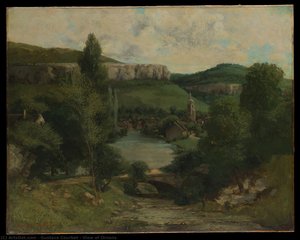
In the quiet intensity of Gustave Courbet's Study for Landscape with Waterfall, we find ourselves standing on the precipice of a world where nature speaks in whispers and roars alike. This captivating work is far more than a mere topographical record; it is a profound meditation on the raw, unyielding majesty of the natural landscape. The composition is masterfully anchored by the vertical drama of rugged cliffs and towering trees, which command the viewer's gaze before leading it downward along the cascading white veil of the waterfall. A winding stream meanders through a tranquil meadow, its horizontal flow providing a serene counterpoint to the imposing geological structures. It is a scene that invites deep contemplation, drawing the observer into the very heart of an untamed wilderness that feels both ancient and immediate.

As a pioneer of the Realism movement, Courbet utilized this study to bridge the gap between the emotional grandeur of Romanticism and his own revolutionary commitment to truth. While the painting retains the atmospheric soul of the preceding era, it rejects the polished, idealized landscapes of the Academy in favor of something far more visceral. There is no attempt to beautify the ruggedness; instead, Courbet celebrates the honest texture of the earth. This piece served as a vital preparatory step for his larger-scale works, acting as a laboratory where he could experiment with the interplay of light and shadow, ensuring that when he finally approached a grand canvas, the essence of the terrain was already etched into his mind.

The Mastery of Texture and Light

To gaze upon this oil on canvas is to witness a masterclass in tactile painting. Courbet’s technique is remarkably physical, employing visible, purposeful brushstrokes that breathe life into the inanimate. One can almost feel the abrasive grit of the rocky precipices and the dense, damp weight of the forest foliage through his skillful use of impasto and layering. He employs atmospheric perspective with great subtlety, allowing colors to soften and details to blur in the distance, which creates a breathtaking sense of depth and vastness. This technique ensures that the viewer does not merely look at a flat surface but feels transported into a three-dimensional space where the air itself seems heavy with mist.

The color palette is a sophisticated arrangement of cool tones—deep blues, mossy greens, and slate grays—all grounded by warm, earthy undertones. This selection creates a mood that is simultaneously serene and dramatic, reminiscent of the soft, diffused light found during an overcast morning or the golden hush of twilight. The lighting does not strike the scene with harshness but rather bathes it in a gentle glow, highlighting the fluidity of the water and the permanence of the stone. For the discerning collector or interior designer, this painting offers a versatile emotional anchor; its muted yet rich tones provide a sense of calm sophistication that can elevate a room, offering a window into a world of enduring natural beauty.

Symbolism and Lasting Resonance

Beyond its physical attributes, the work carries a subtle layer of symbolic resonance that speaks to the human condition. The waterfall, in its eternal descent, serves as a powerful metaphor for flow, renewal, and the unstoppable passage of time. In contrast, the massive cliffs stand as symbols of strength, resilience, and permanence against the elements. This duality—the ephemeral movement of water against the enduring weight of rock—creates a tension that is both intellectually stimulating and emotionally grounding. It is this very balance that makes Courbet's work so enduringly relevant to modern spaces.

For those seeking to incorporate fine art into their surroundings, a high-quality reproduction of this study offers more than just decoration; it offers an experience. Whether placed in a sunlit library or a contemporary living space, the painting acts as a focal point of quiet strength. It brings the restorative power of the outdoors inside, reminding us of the beauty found in the unadorned and the real. To own such a piece is to possess a fragment of art history's great rebellion, a testament to the moment when artists decided to stop dreaming of perfection and start painting the magnificent truth of the world around them.

Pytania i odpowiedzi

W jakiej technice wykonano „Study for Landscape with Waterfall” – Gustaw Courbet?

„Study for Landscape with Waterfall” wykonano w technice Oil On Canvas.

Gdzie mogę kupić ręcznie malowaną reprodukcję dzieła „Study for Landscape with Waterfall” – Gustaw Courbet?

"Study for Landscape with Waterfall" jest dostępny jako ręcznie malowana reprodukcja olejowa na płótnie lnianym. Zamówienie można złożyć na stronie Ręcznie malowana reprodukcja, wybierając preferowany rozmiar.

Gdzie i w jakim celu zaleca się użycie "Study for Landscape with Waterfall"?

Dzieło „Study for Landscape with Waterfall” – Gustaw Courbet jest polecane do Accent, najlepiej w Living Room. Zastosowanie oraz przestrzeń pomagają zdecydować, gdzie najlepiej umieścić reprodukcję.

More about this painting

Podgląd w skali 1:1 Podgląd AR Przełącz na wydania drukowane Przejdź do wersji cyfrowej Wyślij jako kartkę
Szczegóły dzieła Przewodnik Dodaj do ulubionych Pobierz obraz Podobne obiekty RTG Pokaz slajdów Q&A Statystyki

In numbers

  • 29frames to choose from
  • standard sizes, in its own proportions
  • 5weeks to paint and deliver it
Gustaw Courbet

Gustaw Courbet

1819 - 1877, Francja

Quick facts about Gustaw Courbet

  • Artistic Movement Or Style: Realizm
  • Artists Or Movements Influenced By This Artist:
    • Impressionizm
    • Post-Impressionizm
  • Artists Who Influenced This Artist:
    • Eugène Delacroix
    • Théodore Géricault
    • Caravaggio
  • Date Of Birth: 10 czerwca 1819
  • Full Name: Gustave Courbet
  • Nationality: Francuz
  • Notable Artworks:
    • Żegnaj Gustave Courbet
    • Rocky Seashore
    • Château du Chillon
  • Place Of Birth: Ornans, Francja

Biografia artysty

Pędzel buntownika: Życie i dziedzictwo Gustave'a Courbeta

Urodzony w cichej wiosce Ornans we Francji w 1819 roku, Jean Désiré Gustave Courbet wyłonił się jako siła sprzeciwu wobec ustalonych norm artystycznych swoich czasów. Jego historia to nie tylko opowieść o farbie i płótnie; to narracja utkany z nici komentarza społecznego, przekonań politycznych i niezachwianego oddania przedstawianiu świata dokładnie takim, jakim go widział – nieidealizowanym, surowym i głęboko prawdziwym. Dorastając w stosunkowo zamożnej rodzinie burżuazyjnej, Courbet otrzymał od matki wsparcie w rozwijaniu swoich artystycznych skłonności, co ostatecznie stało się paliwem dla rewolucją w świecie sztuki. Jego formalne wykształcenie rozpoczęło się w École des Beaux-Arts w Paryżu w 1839 roku, lecz szybko poczuł opór wobec panujących tam akademickich konwencji i romantycznego idealizmu. Choć uznawał wpływy takich mistrzów jak Eugène Delacroix czy Théodore Géricault, Courbet wykuł własną ścieżkę – taką, która przedkładała obserwację nad wyobraźnię, a prawdę nad tradycję.

Narodziny realizmu: Rzucenie wyzwania konwencjom artystycznym

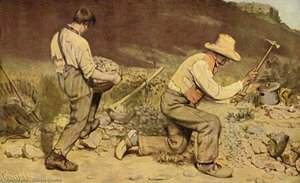
Rozwój artystyczny Courbeta charakteryzował się celowym odrzuceniem dominujących standardów estetycznych. Nie interesowały go mityczne narracje ani heroiczne alegorie; jego wzrok utkwiony był w codziennym życiu zwykłych ludzi, szczególnie tych zaangażowanych w trud pracy i wiejską egzystencję. To oddanie w ukazywaniu świata bez upiększeń – co później przeszło do historii jako realizm – początkowo spotkało się z pogardą i drwiną krytyków przyzwyczajonych do bardziej wygładzonych i idealizowanych przedstawień. Wczesne prace eksplorowały pejzaże i portrety, lecz wkrótce zwróciły się ku scenom z życia klasy robotniczej, ukazowanym w monumentalnej skali, tradycyjnie zarezerwowanej dla malarstwa historycznego lub religijnego. Ten świadomy wybór nie był jedynie zabiegiem stylistycznym; był to manifest dotyczący przyrodzonej godności i ważności tych często pomijanych tematów. Kamieniarze, ukończone w 1849 roku, lecz tragicznie zniszczone podczas II wojny światowej, stanowiły przykład tego podejścia – surowy obraz dwóch robotników ciężko pracujących, których twarze są przesłonięte przez wycieńczenie i trud. Ten obraz, wraz z innymi, takimi jak Pogrzeb w Ornans (1850), rzucił wyzwanie samej definicji tego, co uznawano za „godny” temat dla sztuki wysokiej.

Główne dzieła i filozofia artystyczna

Pogrzeb w Ornans, kolosalne płótno przedstawiające prowincjonalną ceremonię pogrzebową, wywołało skandal podczas wystawy w latach 1850-5ł. Jego ogrom – zazwyczaj zarezerwowany dla wielkich obrazów historycznych – w połączeniu z nieustępliwym realizmem i brakiem emocjonalnej idealizacji, zaszokował publiczność. Courbet nie przedstawił żałobników jako szlachetnych czy pogrążonych w rozpaczy postaci; ukazał ich jako zwykłych ludzi, których twarze naznaczone były mieszanką smutku, znużenia i rezygnacji. Ta szczerość była rewolucyjna. Jego filozofia artystyczna wykraczała poza sam temat, obejmując również technikę. Preferował bezpośredni styl impastowy – nakładanie grubej warstwy farby na płótno – co podkreślało materialność samego medium. Pracownia malarza (1855), dzieło alegoryczne odzwierciedlające jego przekonania artystyczne i zaangażowanie w ówczesne problemy społeczne, jeszcze bardziej ugruntowało jego reputację jako prowokującego i niezależnego artysty. Jego udział w Salon des Refusés w 1863 roku – wystawie prac odrzuconych przez oficjalny Salon – przypieczętował jego status buntownika i obrońcy wolności artystycznej. Nawet pejzaże, takie jak Widok w lesie Fontainebleau (1855), były przesiąknięte poczuciem realizmu, chwytając naturalne piękno lasu bez jego romantyzowania.

Dziedzictwo i znaczenie historyczne

Wpływ Gustave'a Courbeta na późniejsze nurty artystyczne jest niezaprzeczalny. Choć czerpał inspirację z wcześniejszych mistrzów, takich jak Caravaggio, ze względu na ich dramatyczny realizm oraz operowanie światłem i cieniem, jego oddziaływanie wykraczało daleko poza zwykłe naśladownictwo. W głęboki sposób wpłynął na impresjonistów i postimpresjonistów, uwalniając ich od ograniczeń tradycyjnego przedstawiania rzeczywistości i zachęcając do poszukiwania nowych sposobów widzenia i ukazywania świata. Jego nacisk na komentarz społeczny utorował drogę późniejszym artystom zaangażowanym społecznie, którzy wykorzystywali swoją twórczość jako platformę dla aktywizmu politycznego. Courbet nie był tylko malarzem; był głośnym rzecznikiem wolności artystycznej i zmian politycznych, aktywnie uczestnicząc w burzliwych wydarzeniach swoich czasów, w tym w Komunie Paryskiej w 1871 roku – co doprowadziło do okresu wygnania w Szwajcarii. Zmarł w 1877 roku, pozostawiając po sobie dorobek, który do dziś inspiruje i prowokuje odbiorców.
  • Pionier realizmu
  • Rzucił wyzwanie konwencjom akademickim
  • Wpłynął na impresjonizm i postimpresjonizm
  • Obrońca wolności artystycznej
Jego dziedzictwo jest świadectwem potęgi sztuki, która potrafi rzucać wyzwanie, zadawać pytania i ostatecznie transformować nasze rozumienie otaczającego nas świata.

Najważniejsze informacje

  • subject: Landscape
  • artist: Gustave Courbet
  • title: Study for Landscape with Waterfall
  • medium: Oil on canvas

Quiz o sztuce

Do każdego pytania dotyczy tylko jedna poprawna odpowiedź.

Pytanie 1:
Gustave Courbet is most closely associated with which artistic movement?
Pytanie 2:
What is a dominant feature of the composition in 'Study for Landscape with Waterfall'?
Pytanie 3:
How does Courbet’s approach to landscape painting differ from earlier traditions?
Pytanie 4:
The description mentions 'atmospheric perspective.' What does this technique achieve?