Podgląd w skali
 Wyślij jako kartkę
 Udostępnij
 Szczegóły dzieła

 Pobierz
 Podobne obiekty
 RTG
RTG Pokaz slajdów
 Statystyki
Pipe


 Rozwiń treść
Ręcznie malowana reprodukcja olejowa
Ręcznie malowany obraz olejny na płótnie, wykonany na zamówienie przez naszych artystów w wybranym przez Ciebie wymiarze i oprawie. ( Przełącz na wydruki Przełącz na obraz cyfrowy)




P118B $10

P118H $10

P118W $10

P438Z $10

P508JH $12

P508YH $12

P805H $10

P805Z $10

P919BZ $10

P919G $10

P919XJ $10

P959ZH $10

P968JZ $12

W106C $8

W218G $10

W218JH $8

W218Y $10

W307PJ $10

W316G $10

W316PJ $8

W316Y $10

W398PJ $8

W4111J $10

W500HY $15

W500JH $15

W692G $12

W849H $8

W940BG $15

W953PJ $8




Wybierz spośród naszych standardowych rozmiarów, które zachowują oryginalne proporcje dzieła sztuki.

Możesz wprowadzić własne wymiary, aby dopasować obraz do konkretnej ramy lub przestrzeni. Jeśli wybrany rozmiar nie będzie odpowiadał proporcjom oryginału, przytniecie dzieło sztuki lub rozszerzymy je o dodatkowe elementy, ręcznie domalowane przez artystę. Przed rozpoczęciem produkcji wyślemy projekt cyfrowy do Twojej akceptacji.
Należy pamiętać, że podgląd na ekranie nie odzwierciedla rzeczywistego przycinania ani rozszerzania obrazu. Tylko projekt dokładnie pokaże ostateczną kompozycję.
Choć oferujemy możliwość zamówienia niestandardowych rozmiarów, zalecamy wybór wymiaru z gotowej listy, aby zachować oryginalne proporcje dzieła.
Po złożeniu zamówienia zespół OriginalUniqueArt.com skontaktuje się z klientem drogą mailową w celu uzyskania instrukcji i prześle wizualizację projektu
Dostawa na całym świecie () w ciągu 3–4 tygodni zamiast standardowych 5 tygodni. (13 Wrzesień). Bez kompromisów w kwestii jakości.

Bezpłatna ekspresowa wysyłka na cały świat

Wysokiej jakości płótno lniane

Pełne ubezpieczenie przesyłki

Gwarancja zwrotu należności celnych i podatków importowych

Gwarancja wiernego odwzorowania kolorów

100-dniowa polityka zwrotów (tylko w przypadku wad)

Gwarancja 100% zwrotu kosztów

Zniżka przy zamówieniu wielu produktów
 Opcja ze szkłem jest dostępna wyłącznie w rozmiarach poniżej 110 cm

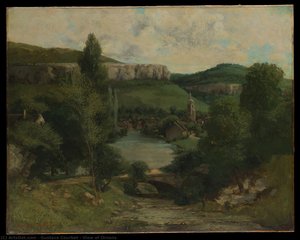
Pipe
Technika reprodukcji
Wymiary reprodukcji
-


Cena całkowita
$ 300
A Study in Monochrome: Gustave Courbet’s Pipe
- Subject Matter: This deceptively simple composition centers around a pipe—a commonplace object rendered with remarkable detail and solemnity by Gustave Courbet. The artist eschews grand narratives or dramatic gestures, opting instead for an intimate portrayal of everyday life.
- Style: Courbet’s work embodies Realism, rejecting the romanticized idealism favored by many of his contemporaries. He sought to depict subjects truthfully, capturing their textures and imperfections without embellishment—a radical departure from artistic conventions of the era.
Technique & Material
- Courbet employed oil paint on canvas, utilizing a technique characterized by thick impasto – layering pigment onto the surface to create palpable texture. This deliberate roughness contributes significantly to the painting’s visual impact and conveys a sense of physicality.
- The muted palette—primarily shades of gray and brown—underscores the artist's commitment to objectivity. Careful observation informs every brushstroke, resulting in an image that feels grounded in reality rather than filtered through emotion.
Historical Context & Significance
- Painted in 1858, “Pipe” emerged during a period of intense artistic debate surrounding the role of art in society. Courbet’s decision to depict an ordinary object—a pipe—was deliberately provocative, challenging the prevailing aesthetic standards that prioritized mythological or historical subjects.
- The painting aligns with Courbet's broader philosophical stance against bourgeois morality and social pretension. He aimed to portray working-class life authentically, rejecting idealized representations of humanity and advocating for a more honest engagement with the world around him.
Symbolism & Emotional Resonance
- Beyond its literal depiction, “Pipe” carries symbolic weight. The pipe itself can be interpreted as representing contemplation, solitude, and perhaps even a quiet rebellion against societal expectations. The faded wall serves as a backdrop that subtly hints at time’s passage and the erosion of appearances.
- The red ribbon tied around the pipe introduces a vibrant splash of color—a deliberate contrast to the dominant monochrome tones—suggesting an underlying tension or perhaps a fleeting moment of passion amidst stillness. It invites contemplation on themes of beauty found in unexpected places.
Conclusion
Gustave Courbet’s “Pipe” remains a powerful testament to the transformative potential of Realism. Its understated elegance and meticulous execution continue to inspire artists and collectors alike, reminding us that profound artistic expression can reside in the most unassuming subjects—a celebration of observation and an unwavering dedication to portraying truth as it is seen.
O artyście
Pędzel buntownika: Życie i dziedzictwo Gustave'a Courbeta
Urodzony w cichej wiosce Ornans we Francji w 1819 roku, Jean Désiré Gustave Courbet wyłonił się jako siła sprzeciwu wobec ustalonych norm artystycznych swoich czasów. Jego historia to nie tylko opowieść o farbie i płótnie; to narracja utkany z nici komentarza społecznego, przekonań politycznych i niezachwianego oddania przedstawianiu świata dokładnie takim, jakim go widział – nieidealizowanym, surowym i głęboko prawdziwym. Dorastając w stosunkowo zamożnej rodzinie burżuazyjnej, Courbet otrzymał od matki wsparcie w rozwijaniu swoich artystycznych skłonności, co ostatecznie stało się paliwem dla rewolucją w świecie sztuki. Jego formalne wykształcenie rozpoczęło się w École des Beaux-Arts w Paryżu w 1839 roku, lecz szybko poczuł opór wobec panujących tam akademickich konwencji i romantycznego idealizmu. Choć uznawał wpływy takich mistrzów jak Eugène Delacroix czy Théodore Géricault, Courbet wykuł własną ścieżkę – taką, która przedkładała obserwację nad wyobraźnię, a prawdę nad tradycję.Narodziny realizmu: Rzucenie wyzwania konwencjom artystycznym
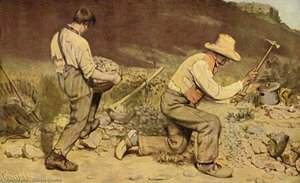
Rozwój artystyczny Courbeta charakteryzował się celowym odrzuceniem dominujących standardów estetycznych. Nie interesowały go mityczne narracje ani heroiczne alegorie; jego wzrok utkwiony był w codziennym życiu zwykłych ludzi, szczególnie tych zaangażowanych w trud pracy i wiejską egzystencję. To oddanie w ukazywaniu świata bez upiększeń – co później przeszło do historii jako realizm – początkowo spotkało się z pogardą i drwiną krytyków przyzwyczajonych do bardziej wygładzonych i idealizowanych przedstawień. Wczesne prace eksplorowały pejzaże i portrety, lecz wkrótce zwróciły się ku scenom z życia klasy robotniczej, ukazowanym w monumentalnej skali, tradycyjnie zarezerwowanej dla malarstwa historycznego lub religijnego. Ten świadomy wybór nie był jedynie zabiegiem stylistycznym; był to manifest dotyczący przyrodzonej godności i ważności tych często pomijanych tematów. Kamieniarze, ukończone w 1849 roku, lecz tragicznie zniszczone podczas II wojny światowej, stanowiły przykład tego podejścia – surowy obraz dwóch robotników ciężko pracujących, których twarze są przesłonięte przez wycieńczenie i trud. Ten obraz, wraz z innymi, takimi jak Pogrzeb w Ornans (1850), rzucił wyzwanie samej definicji tego, co uznawano za „godny” temat dla sztuki wysokiej.Główne dzieła i filozofia artystyczna
Pogrzeb w Ornans, kolosalne płótno przedstawiające prowincjonalną ceremonię pogrzebową, wywołało skandal podczas wystawy w latach 1850-5ł. Jego ogrom – zazwyczaj zarezerwowany dla wielkich obrazów historycznych – w połączeniu z nieustępliwym realizmem i brakiem emocjonalnej idealizacji, zaszokował publiczność. Courbet nie przedstawił żałobników jako szlachetnych czy pogrążonych w rozpaczy postaci; ukazał ich jako zwykłych ludzi, których twarze naznaczone były mieszanką smutku, znużenia i rezygnacji. Ta szczerość była rewolucyjna. Jego filozofia artystyczna wykraczała poza sam temat, obejmując również technikę. Preferował bezpośredni styl impastowy – nakładanie grubej warstwy farby na płótno – co podkreślało materialność samego medium. Pracownia malarza (1855), dzieło alegoryczne odzwierciedlające jego przekonania artystyczne i zaangażowanie w ówczesne problemy społeczne, jeszcze bardziej ugruntowało jego reputację jako prowokującego i niezależnego artysty. Jego udział w Salon des Refusés w 1863 roku – wystawie prac odrzuconych przez oficjalny Salon – przypieczętował jego status buntownika i obrońcy wolności artystycznej. Nawet pejzaże, takie jak Widok w lesie Fontainebleau (1855), były przesiąknięte poczuciem realizmu, chwytając naturalne piękno lasu bez jego romantyzowania.Dziedzictwo i znaczenie historyczne
Wpływ Gustave'a Courbeta na późniejsze nurty artystyczne jest niezaprzeczalny. Choć czerpał inspirację z wcześniejszych mistrzów, takich jak Caravaggio, ze względu na ich dramatyczny realizm oraz operowanie światłem i cieniem, jego oddziaływanie wykraczało daleko poza zwykłe naśladownictwo. W głęboki sposób wpłynął na impresjonistów i postimpresjonistów, uwalniając ich od ograniczeń tradycyjnego przedstawiania rzeczywistości i zachęcając do poszukiwania nowych sposobów widzenia i ukazywania świata. Jego nacisk na komentarz społeczny utorował drogę późniejszym artystom zaangażowanym społecznie, którzy wykorzystywali swoją twórczość jako platformę dla aktywizmu politycznego. Courbet nie był tylko malarzem; był głośnym rzecznikiem wolności artystycznej i zmian politycznych, aktywnie uczestnicząc w burzliwych wydarzeniach swoich czasów, w tym w Komunie Paryskiej w 1871 roku – co doprowadziło do okresu wygnania w Szwajcarii. Zmarł w 1877 roku, pozostawiając po sobie dorobek, który do dziś inspiruje i prowokuje odbiorców.- Pionier realizmu
- Rzucił wyzwanie konwencjom akademickim
- Wpłynął na impresjonizm i postimpresjonizm
- Obrońca wolności artystycznej

Gustaw Courbet
1819 - 1877 , Francja
Krótka nota
- Artistic Movement Or Style: Realizm
- Artists Or Movements Influenced By This Artist:
- Impressionizm
- Post-Impressionizm
- Artists Who Influenced This Artist:
- Eugène Delacroix
- Théodore Géricault
- Caravaggio
- Date Of Birth: 10 czerwca 1819
- Full Name: Gustave Courbet
- Nationality: Francuz
- Notable Artworks:
- Żegnaj Gustave Courbet
- Rocky Seashore
- Château du Chillon
- Place Of Birth: Ornans, Francja
Powiązane artykuły
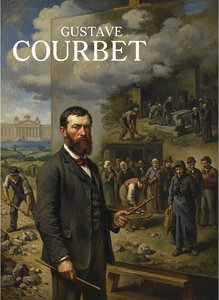
Gustave Courbet: Realism's Revolutionary Vision & the Social Canvas of 19th-Century France
Explore the revolutionary art of Gustave Courbet, pioneer of Realism. Discover his iconic paintings, social commentary, and lasting impact on 19th-century French art history. Expert analysis & insights.

Romantic Realism's Finest: 10 Masterpieces for Your Home | OriginalUniqueArt
Explore 10 defining masterpieces of Romantic Realism! Discover Courbet, Millet & Daumier's powerful paintings—capturing emotion and social realities. Find museum-quality reproductions for your home at OriginalUniqueArt.com.
Realizm w Sztuce: 10 Arcydzieł, Które Zmieniły Spojrzenie na Świat | OriginalUniqueArt.com
Odkryj 10 arcydzieł realizmu – Courbet, Millet i inni artyści, którzy zrewolucjonizowali malarstwo. Poznaj historie, techniki i emocje w realistycznych obrazach. Reprodukcje najwyższej jakości na OriginalUniqueArt.com! Eksploruj kolekcję online.

Crimson Threads of Narrative: Exploring Symbolism & Representation in Artworks Featuring the Red Dress
Explore the rich symbolism of the red dress in art history! From ancient power displays to iconic portraits like Cézanne’s 'Madame Cezanne', discover the cultural and artistic significance behind this captivating color. Expert analysis & insights.
Victorian Realism: Capturing the Soul and Intricate Detail of a Golden Era
Explore the exquisite world of Victorian Realism. Discover how 19th-century masters captured unparalleled detail and emotion through oil painting, and learn to curate these timeless masterpieces for your luxury interior collection.