
 Zobacz w skali 1:1
 Wyślij
 Udostępnij
 Szczegóły
 Przewodnik

 Pobierz plik obrazu
 Podobne obiekty
 RTG
RTG Pokaz slajdów
 Statystyki
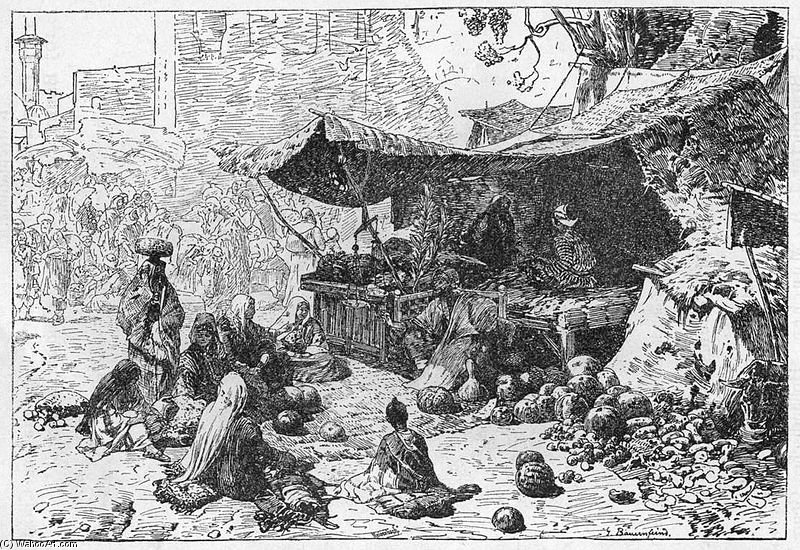
Markt In Jaffa
 Czytaj więcej
Ręcznie malowana reprodukcja olejowa
Ręcznie malowany obraz olejny na płótnie, wykonany na zamówienie przez naszych artystów w wybranym przez Ciebie wymiarze i oprawie. ( Przełącz na wersję drukowaną Przełącz na wersję cyfrową)




































Wybierz spośród naszych standardowych rozmiarów, które zachowują oryginalne proporcje dzieła sztuki.

Możesz wprowadzić własne wymiary, aby dopasować obraz do konkretnej ramy lub przestrzeni. Jeśli wybrany rozmiar nie będzie odpowiadał proporcjom oryginału, przytniecie dzieło sztuki lub rozszerzymy je o dodatkowe elementy, ręcznie domalowane przez artystę. Przed rozpoczęciem produkcji wyślemy projekt cyfrowy do Twojej akceptacji.
Należy pamiętać, że podgląd na ekranie nie odzwierciedla rzeczywistego przycinania ani rozszerzania obrazu. Tylko projekt dokładnie pokaże ostateczną kompozycję.
Choć oferujemy możliwość zamówienia niestandardowych rozmiarów, zalecamy wybór wymiaru z gotowej listy, aby zachować oryginalne proporcje dzieła.
Po złożeniu zamówienia zespół OriginalUniqueArt.com skontaktuje się z klientem drogą mailową w celu uzyskania instrukcji i prześle wizualizację projektu
Dostawa na całym świecie () w ciągu 3–4 tygodni zamiast standardowych 5 tygodni. (26 Wrzesień). Bez kompromisów w kwestii jakości.

Bezpłatna ekspresowa wysyłka na cały świat

Wysokiej jakości płótno lniane

Pełne ubezpieczenie transportowe

Gwarancja zwrotu należności celnych i podatków importowych

Gwarancja idealnego odwzorowania barw

100-dniowy okres na zwrot dzieła w przypadku wykrycia wad produkcyjnych

Gwarancja 100% zwrotu pieniędzy

Oferta przy zakupie wielu sztuk
 Opcja ze szkłem jest dostępna wyłącznie w rozmiarach poniżej 110 cm

Markt In Jaffa
Technika wykonania
Rozmiar reprodukcji
-


Suma do zapłaty
$ 400
Biografia artysty
The Painter of Holy Land Landscapes
Gustav Bauernfeind (1848-1904) stands as a pivotal figure in German Orientalist painting, recognized for his meticulous depictions of Jerusalem and the broader landscapes of Palestine during the late 19th century. His work transcends mere topographical accuracy; it embodies a profound engagement with biblical themes and a masterful command of artistic technique—characteristics that cemented his reputation as one of the era’s most celebrated artists. Born in Sulz am Neckar, Germany, Bauernfeind's artistic journey began amidst familial influences rooted in Jewish heritage, shaping his worldview and subtly informing his creative vision.
Bauernfeind’s formative years were marked by a dedication to architectural studies at Stuttgart Polytechnic Institute. This grounding in design principles would prove invaluable as he apprenticed under Wilhelm Bäumer and Adolph Gnauth, honing his skills alongside fellow craftsmen—a partnership that fostered not only technical proficiency but also an appreciation for detailed observation and artistic representation. Initially, Bauernfeind’s canvases explored familiar German landscapes, such as Bavarian Alps vistas and serene Rhine river scenes, establishing a foundational style characterized by realism and tonal subtlety. However, the transformative experience of his 1880-1882 expedition to the Levant ignited a passion for the Orient that would dominate his subsequent artistic endeavors.
A Journey Through the Levant
The pilgrimage to Palestine irrevocably altered Bauernfeind’s artistic trajectory. He returned repeatedly to Jerusalem and Lebanon, immersing himself in the sights and sounds of Middle Eastern life—a fascination reflected in his increasingly ambitious compositions. Unlike earlier works prioritizing serene landscapes, Bauernfeind's later paintings captured the bustling energy of marketplaces, religious processions, and architectural grandeur. His ability to translate the sacred stones of Jerusalem into emotionally resonant art allowed him to bridge the gap between the physical world and spiritual devotion.
In his most celebrated works, such as The Gate of the Great Umayyad Mosque, Bauernfeind employs a palette of warm ochre yellows, terracotta reds, and earthy browns. These sun-baked hues mirror the desert landscape, lending an air of authenticity to his scenes. Through loose, expressive strokes, he conveys the movement of jostling crowds and animated conversations, creating a palpable sense of immediacy. His mastery is often seen in how he directs the viewer’s gaze toward imposing domes or ancient walls, symbolizing faith and timeless beauty through a pyramidal composition.
Legacy and Artistic Significance
Beyond his technical skill as a painter, Bauernfeind was also a talented illustrator and architect, a versatility that allowed him to capture the structural essence of the cities he visited. His legacy is defined by several key contributions to the Orientalist movement:
- Architectural Precision: His training in Stuttgart enabled him to render the intricate details of Middle Eastern architecture with unparalleled accuracy.
- Cultural Documentation: His works serve as a vital visual record of 19th-century life in Jerusalem, Jaffa, and Morocco.
- Emotional Depth: He moved beyond simple exoticism to capture the spiritual atmosphere and religious significance of the Holy Land.
Ultimately, Gustav Bauernfeind remains an essential figure for those seeking to understand the intersection of German realism and Orientalist fascination. His life, which concluded in Jerusalem in 1904, was a testament to his lifelong devotion to the landscapes that captured his soul, leaving behind a body of work that continues to transport viewers back to a vibrant, bygone era.

Gustav Bauernfeind
1848 - 1904 , Germany
Najważniejsze informacje
- Artistic Movement Or Style: Orientalism
- Artists Or Movements Influenced By This Artist: ['Symbolism']
- Artists Who Influenced This Artist:
- Wilhelm Bäumer
- Adolph Gnauth
- Date Of Birth: September 4, 1848
- Date Of Death: December 24, 1904
- Full Name: Gustav Bauernfeind
- Nationality: German
- Notable Artworks:
- The Wailing Wall
- Market at Jaffa
- Place Of Birth: Sulz am Neckar, Germany