

 Zobacz w skali 1:1
 Wyślij
 Udostępnij
 Szczegóły
 Przewodnik

 Pobierz plik obrazu
 Podobne obiekty
 RTG
RTG Pokaz slajdów
 Statystyki
An old scholar, Gottfried Kneller (copy after), 1645 - 1672


 Czytaj więcej
Giclée / Wydruk artystyczny
Wydruki giclée lub płótna o jakości muzealnej, szybka realizacja i szeroki wybór opcji wykończenia. ( Kup ręcznie malowany obraz Przełącz na wersję cyfrową)




P118B $10

P118H $10

P118W $10

P438Z $10

P508JH $12

P508YH $12

P805H $10

P805Z $10

P919BZ $10

P919G $10

P919XJ $10

P959ZH $10

P968JZ $12

W106C $8

W218G $10

W218JH $8

W218Y $10

W307PJ $10

W316G $10

W316PJ $8

W316Y $10

W398PJ $8

W4111J $10

W500HY $15

W500JH $15

W692G $12

W849H $8

W940BG $15

W953PJ $8




Wybierz spośród naszych standardowych rozmiarów, które zachowują oryginalne proporcje dzieła sztuki.

Możesz wprowadzić własne wymiary, aby dopasować dzieło do konkretnej ramy lub przestrzeni. Jeśli wybrany rozmiar nie będzie odpowiadał proporcjom oryginalnego obrazu, przytniecie dzieło lub rozszerzymy obraz za pomocą odbicia lustrzanego lub jednolitego wypełnienia krawędzi. Przed rozpoczęciem produkcji prześlemy cyfrową wizualizację do Twojej akceptacji.
Prosimy pamiętać, że podgląd na ekranie nie odzwierciedla faktycznego przycinania ani rozszerzania. Tylko wizualizacja dokładnie pokaże końcową kompozycję.
Mimo dostępności niestandardowych rozmiarów, zalecamy wybór wymiaru z listy zdefiniowanej, aby zachować oryginalne proporcje.
Dostawa na cały świat () w ciągu 2 tygodni zamiast standardowych 4/5 tygodni. (27 Wrzesień)

Bezpłatna ekspresowa wysyłka na cały świat

Wysokiej jakości płótno lniane

Pełne ubezpieczenie transportowe

Gwarancja zwrotu należności celnych i podatków importowych

Gwarancja idealnego odwzorowania barw

100-dniowy okres na zwrot dzieła w przypadku wykrycia wad produkcyjnych

Gwarancja 100% zwrotu pieniędzy

Oferta przy zakupie wielu sztuk
 Opcja ze szkłem jest dostępna wyłącznie w rozmiarach poniżej 110 cm

An old scholar, Gottfried Kneller (copy after), 1645 - 1672
Giclée / Wydruk artystyczny
Rozmiar reprodukcji
-


Suma do zapłaty
$ 80
Biografia artysty
The Cosmopolitan Brush: Godfrey Kneller and the Shaping of English Portraiture
Godfrey Kneller, born in Lübeck, Germany, in 1646, wasn’t merely a painter who found success on English shores; he was an architect of its artistic identity. His arrival in London around 1676, following periods of study and work in Italy and France, coincided with a burgeoning desire for a distinctly English style – one that moved beyond the imitation of continental masters. Kneller didn’t simply fulfill this need, he *defined* it. He wasn't born into privilege; his father was a modest Mennonite painter, and young Godfrey received his initial training within the family workshop. This grounding in craft, coupled with an insatiable appetite for learning, propelled him towards Italy, where he absorbed the influence of Baroque masters like Guido Reni and Annibale Carracci. However, it was Paris, under the tutelage of Simon Vouet’s nephew, that truly began to shape his grand, theatrical style – a style perfectly suited to the tastes of the Restoration court.From Royal Patronage to National Iconography
Kneller's ascent in England was remarkably swift. He secured commissions from prominent figures almost immediately, but it was his appointment as Principal Painter to King Charles II in 1679 that cemented his position at the heart of English artistic life. This role wasn’t just about painting portraits; it was about creating an image of power and legitimacy for the monarchy. Kneller understood this implicitly. His royal portraits – bold, imposing, and richly detailed – weren't simply likenesses; they were statements of authority. He moved away from the stiff formality of earlier English portraiture, introducing a dynamism and psychological depth that had been largely absent. He wasn’t afraid to depict his sitters with flaws, but always within a framework that emphasized their status and character. This ability to balance realism with idealization proved incredibly popular. Beyond the royal family, Kneller became *the* portraitist of the English elite – dukes, earls, bishops, admirals, and literary figures all clamored for his services.The Kit-Cat Club and a Portrait Style Defined
Kneller’s influence extended far beyond his brushstrokes. He was a central figure in London's vibrant intellectual and social circles, most notably as a founding member of the Kit-Cat Club – a gathering of Whig politicians, writers, and artists. This association not only provided him with a steady stream of commissions but also shaped his artistic vision. The Kit-Cats valued wit, intelligence, and public service, and these qualities are subtly reflected in Kneller’s portraits of its members. He developed a distinctive style characterized by a loose, painterly technique, a warm color palette, and an emphasis on the sitter's personality. His famous “Kit-Cat Portraits” – a series of standardized half-length portraits featuring his clubmates – became iconic representations of English intellectual life. These works weren’t just about capturing physical resemblance; they were about celebrating a shared ethos. He also pioneered the use of cartoons, preparatory drawings used to standardize portrait production, making high-quality portraits more accessible and contributing to the widespread dissemination of his style.A Legacy Beyond Likeness: Kneller's Enduring Impact
Kneller’s impact on English art is undeniable. He established a new standard for portraiture – one that emphasized psychological realism, painterly technique, and a distinctly English sensibility. He trained a generation of artists, including some of the most important portraitists of the 18th century, such as Jonathan Richardson and Stephen Slaughter. His influence can be seen in the work of virtually every major English portrait painter who followed him. He wasn’t simply copying continental styles; he was synthesizing them with his own unique vision and adapting them to the specific needs and tastes of English society. He founded the Academy of Painting or Great Britain in 1711, a precursor to the Royal Academy, demonstrating his commitment to fostering artistic education and professionalizing the field. While later critics sometimes dismissed his work as overly formulaic or lacking in technical brilliance, Kneller’s portraits remain compelling for their ability to capture not just *what* people looked like, but *who* they were – or who they aspired to be. He died in London in 1723, leaving behind a vast body of work that continues to shape our understanding of the English elite and the artistic landscape of the late 17th and early 18th centuries.Key Achievements & Historical Significance
- Established himself as Principal Painter to King Charles II, solidifying his position at court.
- Developed a distinctive portrait style characterized by painterly technique and psychological depth.
- Pioneered the use of cartoons for standardized portrait production.
- Founded the Academy of Painting or Great Britain, promoting artistic education.
- Created iconic portraits of members of the Kit-Cat Club, representing English intellectual life.
- Transformed English portraiture from a largely imitative practice into a uniquely English art form.

Zobacz także powiązane artykuły

Dramatyczny Rozkwit Baroku: Dziedzictwo Sztuki Kontrreformacji i Mistrzowie Chiaroscuro
Odkryj dramatyczny świat baroku! Poznaj historię sztuki kontrreformacji, mistrzów chiaroscuro i weneckich arcydzieł. Reprodukcje najwyższej jakości na OriginalUniqueArt.com.
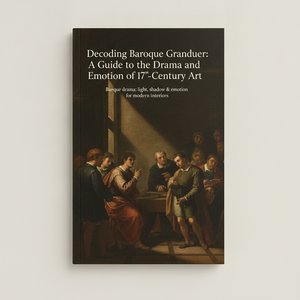
Decoding Baroque Grandeur: A Guide to the Drama and Emotion of 17th-Century Art
Explore the breathtaking drama of 17th-century Baroque art. Our expert guide decodes the use of chiaroscuro, emotional intensity, and historical grandeur to help you appreciate and curate timeless masterpieces for your collection.
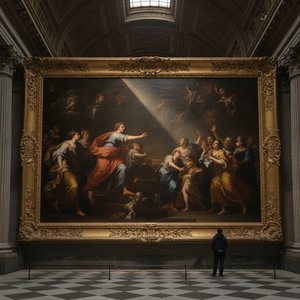
Drama and Light: A Definitive Guide to the Power and Emotion of Baroque Art
Explore the dramatic power of Baroque art through an expert guide to light, shadow, and emotion. Discover how the Counter-Reformation shaped 17th-century masterpieces and learn about the profound techniques used by the Old Masters to inspire awe.

Barokowy Dramat we Wnętrzach: Sztuka Przepychu i Elegancji w Twoim Domu
Odkryj świat barokowego przepychu! Porady ekspertów jak wprowadzić elegancję i dramat do Twojego wnętrza. Inspiracje, charakterystyka stylu i praktyczne wskazówki.

Baroque Classicism: The Grandeur of Order and Drama in 17th-Century Art History
Explore the profound elegance of Baroque Classicism. Discover how 17th-century masters synthesized dramatic emotion with classical order through the lens of the Counter-Reformation and the works of legends like Carlo Maratta and Andrea Sacchi.
