Podgląd w skali
 Wyślij jako kartkę
 Udostępnij
 Szczegóły dzieła

 Pobierz
 Podobne obiekty
 RTG
RTG Pokaz slajdów
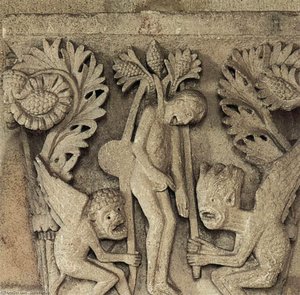
Samobójstwo Judaszego


 Rozwiń treść
Ręcznie malowana reprodukcja olejowa
Ręcznie malowany obraz olejny na płótnie, wykonany na zamówienie przez naszych artystów w wybranym przez Ciebie wymiarze i oprawie. ( Zamów wydruk Kup obraz wysokiej rozdzielczości)




P118B $10

P118H $10

P118W $10

P438Z $10

P508JH $12

P508YH $12

P805H $10

P805Z $10

P919BZ $10

P919G $10

P919XJ $10

P959ZH $10

P968JZ $12

W106C $8

W218G $10

W218JH $8

W218Y $10

W307PJ $10

W316G $10

W316PJ $8

W316Y $10

W398PJ $8

W4111J $10

W500HY $15

W500JH $15

W692G $12

W849H $8

W940BG $15

W953PJ $8




Wybierz spośród naszych standardowych rozmiarów, które zachowują oryginalne proporcje dzieła sztuki.

Możesz wprowadzić własne wymiary, aby dopasować obraz do konkretnej ramy lub przestrzeni. Jeśli wybrany rozmiar nie będzie odpowiadał proporcjom oryginału, przytniecie dzieło sztuki lub rozszerzymy je o dodatkowe elementy, ręcznie domalowane przez artystę. Przed rozpoczęciem produkcji wyślemy projekt cyfrowy do Twojej akceptacji.
Należy pamiętać, że podgląd na ekranie nie odzwierciedla rzeczywistego przycinania ani rozszerzania obrazu. Tylko projekt dokładnie pokaże ostateczną kompozycję.
Choć oferujemy możliwość zamówienia niestandardowych rozmiarów, zalecamy wybór wymiaru z gotowej listy, aby zachować oryginalne proporcje dzieła.
Po złożeniu zamówienia zespół OriginalUniqueArt.com skontaktuje się z klientem drogą mailową w celu uzyskania instrukcji i prześle wizualizację projektu
Dostawa na całym świecie () w ciągu 3–4 tygodni zamiast standardowych 5 tygodni. (13 Sierpień). Bez kompromisów w kwestii jakości.

Bezpłatna ekspresowa wysyłka na cały świat

Wysokiej jakości płótno lniane

Pełne ubezpieczenie przesyłki

Gwarancja zwrotu należności celnych i podatków importowych

Gwarancja wiernego odwzorowania kolorów

Polityka 60-dniowego zwrotu (tylko w przypadku wad)

Gwarancja 100% zwrotu kosztów

Zniżka przy zamówieniu wielu produktów
 Opcja ze szkłem jest dostępna wyłącznie w rozmiarach poniżej 110 cm

Samobójstwo Judaszego
Technika reprodukcji
Wymiary reprodukcji
-


Cena całkowita
$ 300
Opis dzieła
Gislebertus: The Sculptor of Autun Cathedral’s Divine Vision
The sculpture “Suicide of Judas” by Gislebertus stands as an arresting testament to Romanesque artistic fervor and theological contemplation, specifically adorning the tympanum of Saint Lazare Cathedral in Autun, France. Created around 1120-30, this monumental stone carving transcends mere depiction; it embodies a profound engagement with biblical narrative and conveys a visceral portrayal of despair and divine judgment. Gislebertus’s contribution to Autun Cathedral cemented his reputation as one of the foremost sculptors of his era, prioritizing didactic storytelling—a hallmark of monastic art—and reflecting the pervasive influence of Cluny Abbey's intellectual tradition.A Dramatic Encounter with Mortality
The scene captures a harrowing moment from Matthew 27:5 – Judas’s self-inflicted demise after betraying Jesus Christ. The composition is dominated by a central figure hanging from a rope, positioned beneath a stylized tree—a symbol of life and death intertwined—representing the ultimate consequence of transgression against God's will. Surrounding him are two demonic figures assisting in his act of suicide, embodying evil’s insidious influence and highlighting the inescapable grip of sin. The artist skillfully utilizes chiaroscuro – dramatic contrasts between light and shadow – to heighten the emotional intensity of the tableau, emphasizing Judas’s anguish and conveying a palpable sense of terror.Technical Mastery & Artistic Innovation
Gislebertus's technique exemplifies the Romanesque sculptural tradition: meticulous carving from limestone blocks achieved through painstaking labor and masterful craftsmanship. The sculptor employed a combination of relief sculpture—where figures protrude slightly from the surface—and drapery folds to create an illusion of depth and texture, capturing the physicality of human form with remarkable accuracy. Notably, the original capitals were removed and are now housed in the Musée Rolin near Autun Cathedral, offering visitors a chance to appreciate Gislebertus’s unparalleled skill firsthand. The meticulous detail evident in every element underscores his dedication to conveying biblical themes with uncompromising realism.Symbolism & Theological Significance
Beyond its visual drama, “Suicide of Judas” resonates deeply with theological symbolism. The tree serves as a potent reminder of Genesis 2:7-9—the Tree of Life—representing divine grace and eternal salvation juxtaposed against the despair of death resulting from disobedience. The demonic figures underscore the pervasive presence of evil in human affairs and serve as a visual representation of Satan’s temptation, mirroring Judas's betrayal. Gislebertus’s artistic vision powerfully communicates the gravity of sin and the necessity of repentance—themes central to Christian faith during the 12th century.Emotional Impact & Legacy
The sculpture’s enduring power lies in its ability to evoke profound emotion – sorrow, fear, and contemplation. It compels viewers to confront the consequences of moral failings and underscores the importance of unwavering devotion to God. Gislebertus's masterpiece continues to inspire awe and admiration for its artistic brilliance and theological depth, securing his place as a pivotal figure in Romanesque sculpture and a lasting symbol of Christian piety. Its influence can still be felt today, reminding us of the enduring power of art to communicate spiritual truths across centuries.O artyście
Gislebertus: The Sculptor of Autun Cathedral’s Divine Vision
Gislebertus, a name etched in stone and whispered through the centuries, stands as one of the most remarkable figures of Romanesque sculpture. Specifically celebrated for his profound contribution to Saint Lazare Cathedral in Autym, France, he emerged from the fertile artistic landscape of Burgundy during a period profoundly shaped by religious fervor and burgeoning architectural ambition. Born sometime around 1120, Gislebertus lived through an era where art served as the primary language of the faithful. While biographical details remain scarce, scholars believe he was trained at Cluny Abbey, arguably the epicenter of European monastic art and intellectual life at the time. This formative experience instilled in him a deep understanding of biblical narratives and imbued his work with an unwavering devotion to Christian themes.
His initial role at Cluny involved assisting the master sculptor, cementing his position within a tradition prioritizing didactic storytelling—conveying moral lessons through visual representation. The cathedral’s ambitious project demanded exceptional skill, and Gislebertus quickly established himself as a pivotal talent. Recognizing the importance of providing solace to pilgrims afflicted with leprosy—a prevalent ailment during the 12th century—the Abbey envisioned Saint Lazare as more than just a place of worship; it was intended as a sanctuary for the marginalized. This vision profoundly impacted Gislebertus’ artistic sensibilities, prompting him to create reliefs that resonated with compassion and hope, featuring imagery designed to uplift those facing immense suffering.
Mastery of Emotion and Narrative Relief
The true genius of Gislebertus lies in his ability to translate complex theological concepts into visceral, physical forms. His work at Autun is characterized by a dramatic use of line and shadow that breathes life into the cold stone. In masterpieces such as the Suicide of Judas, created around 1120-30, he captures the raw horror and despair associated with treason. Through the depiction of hanging figures and menacing demonic entities, Gisleberus showcases an exceptional skill in capturing human psychological torment, a hallmark of the Romanesque style that pushes the boundaries of medieval expression.
Beyond the scenes of tragedy, his work also celebrates the spiritual journey of the faithful. In his Pilgrims relief, one can observe a powerful depiction of devotion, where strong lines and dramatic shadows emphasize the physical and spiritual weight of the pilgrimage. This ability to oscillate between the terrifying aspects of divine judgment and the quiet strength of religious perseverance makes his oeuvre uniquely captivating. His sculptures do not merely decorate a building; they act as a window into the medieval soul, inviting the viewer to contemplate the eternal struggle between good and evil.
Legacy and Historical Significance
The artistic development of Gislebertus represents a crucial bridge in the evolution of European art. While his roots are firmly planted in the Romanesque tradition of Cluny, his expressive power and narrative complexity hint at the burgeoning naturalism that would later define Gothic art. His work on the Dream of the Magi further demonstrates this sophisticated approach to storytelling, blending historical reverence with a sense of wonder.
The enduring significance of Gislebertus can be summarized through several key contributions:
- Narrative Innovation: He transformed architectural elements like tympanums into complex, readable storybooks for the illiterate masses.
- Emotional Depth: He moved beyond static iconography to introduce psychological depth and human emotion into stone sculpture.
- Cluniac Influence: He carried the high intellectual and spiritual standards of Cluny Abbey into the public sphere of cathedral architecture.
- Architectural Integration: His ability to harmonize intricate sculptural detail with the massive, heavy forms of Romanesque architecture remains a pinnacle of medieval craftsmanship.
Today, the works of Gislebertus remain some of the most studied and revered examples of 12th-century art. He remains a master whose hands, though long since returned to dust, continue to speak through the enduring stone of Autun, reminding us of a time when art was the ultimate vessel for the divine.

Gislebertus
1120 - 1135 , France
Krótka nota
- Artistic Movement Or Style: Romanesque Sculpture
- Artists Or Movements Influenced By This Artist: ['Gothic Style']
- Artists Who Influenced This Artist: ['Cluny School']
- Date Of Death: 1135
- Full Name: Gislebertus
- Nationality: French
- Notable Artworks:
- Pilgrims
- Last Judgment (detail)
- Dream of the Magi
- Place Of Birth: France
Powiązane artykuły

10 Legendarnych Brązów Rzeźbiarskich, Które Zmieniły Sztukę | OriginalUniqueArt
Odkryj 10 legendarnych rzeźb brązowych od Rodina, Degasa i innych mistrzów! Poznaj historię powstania arcydzieł sztuki i inspiruj się do dekoracji wnętrz. Reprodukcje najwyższej jakości na OriginalUniqueArt.com – zobacz kolekcję!

Trwałe Formy: Ewolucja Technik i Tematów w Rzeźbie Przez Wieki – Od Antyku do Renesansu
Poznaj fascynującą historię rzeźby od antyku do renesansu! Odkryj techniki, wybitnych artystów i wpływ na współczesną sztukę. Ekspercka analiza dla kolekcjonerów i miłośników.
Trwała Forma: Rzeźba w Historii – Technika i Rezonans Emocjonalny
Poznaj historię rzeźby od antyku do współczesności! Ekspercka analiza technik, stylów i emocjonalnego wpływu arcydzieł. Inspiracje dla kolekcjonerów i miłośników sztuki.

10 Legendarnych Brązów, Które Zrewolucjonizowały Sztukę | OriginalUniqueArt
Odkryj 10 legendarnych rzeźb brązowych, które zrewolucjonizowały sztukę! Poznaj historie Rodina, Donatello i innych mistrzów. Inspiracje wnętrzarskie & reprodukcje najwyższej jakości na OriginalUniqueArt.com.
Dziedzictwo Brązu: Historia, Techniki i Współczesne Interpretacje Rzeźby
Poznaj historię i techniki rzeźby z brązu – od antycznych arcydzieł po współczesne interpretacje. Przewodnik dla kolekcjonerów i inwestorów sztuki. Ekspercka analiza wartości dzieł.