
 Podgląd w skali
 Wyślij jako kartkę
 Udostępnij
 Szczegóły dzieła

 Pobierz
 Podobne obiekty
 RTG
RTG Pokaz slajdów
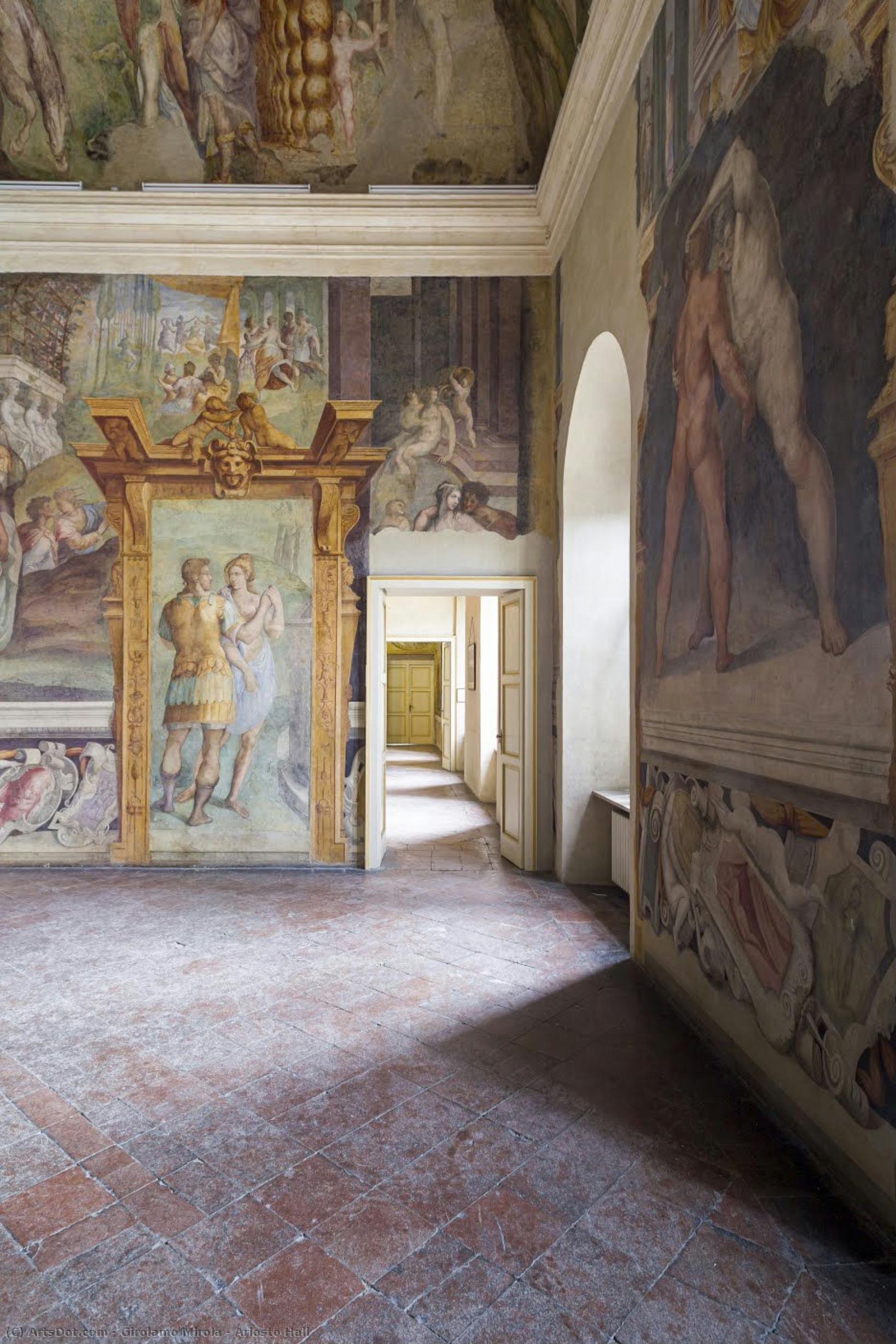
Ariosto Hall


 Rozwiń treść
Ręcznie malowana reprodukcja olejowa
Ręcznie malowany obraz olejny na płótnie, wykonany na zamówienie przez naszych artystów w wybranym przez Ciebie wymiarze i oprawie. ( Zamów wydruk Kup obraz wysokiej rozdzielczości)




































Wybierz spośród naszych standardowych rozmiarów, które zachowują oryginalne proporcje dzieła sztuki.

Możesz wprowadzić własne wymiary, aby dopasować obraz do konkretnej ramy lub przestrzeni. Jeśli wybrany rozmiar nie będzie odpowiadał proporcjom oryginału, przytniecie dzieło sztuki lub rozszerzymy je o dodatkowe elementy, ręcznie domalowane przez artystę. Przed rozpoczęciem produkcji wyślemy projekt cyfrowy do Twojej akceptacji.
Należy pamiętać, że podgląd na ekranie nie odzwierciedla rzeczywistego przycinania ani rozszerzania obrazu. Tylko projekt dokładnie pokaże ostateczną kompozycję.
Choć oferujemy możliwość zamówienia niestandardowych rozmiarów, zalecamy wybór wymiaru z gotowej listy, aby zachować oryginalne proporcje dzieła.
Po złożeniu zamówienia zespół OriginalUniqueArt.com skontaktuje się z klientem drogą mailową w celu uzyskania instrukcji i prześle wizualizację projektu
Dostawa na całym świecie () w ciągu 3–4 tygodni zamiast standardowych 5 tygodni. (20 Sierpień). Bez kompromisów w kwestii jakości.

Bezpłatna ekspresowa wysyłka na cały świat

Wysokiej jakości płótno lniane

Pełne ubezpieczenie przesyłki

Gwarancja zwrotu należności celnych i podatków importowych

Gwarancja wiernego odwzorowania kolorów

Polityka 60-dniowego zwrotu (tylko w przypadku wad)

Gwarancja 100% zwrotu kosztów

Zniżka przy zamówieniu wielu produktów
 Opcja ze szkłem jest dostępna wyłącznie w rozmiarach poniżej 110 cm

Ariosto Hall
Technika reprodukcji
Wymiary reprodukcji
-


Cena całkowita
$ 325
Opis dzieła
O artyście
Early Life and Formation in Bologna
Girolamo Mirola, born in Bologna around 1530 or 1535, emerged during a vibrant period of artistic ferment in the Emilian region of Italy. While specific details regarding his early training remain elusive, it is understood that he absorbed the prevailing aesthetic currents of his native city—a center renowned for its sophisticated painting traditions and intellectual life. Bologna at this time was steeped in the legacy of Renaissance masters, yet also receptive to emerging Mannerist styles. This confluence likely shaped Mirola’s artistic sensibilities from a young age, fostering a blend of classical elegance and expressive dynamism that would characterize his mature work.
The Palazzo del Giardino Commissions
Mirola's career gained significant momentum through his involvement in the ambitious decorative schemes at the Palazzo del Giardino in Parma. Engaged alongside Jacopo Zanguidi, known as il Bertoja, he contributed to a series of breathtaking frescoes that transformed the palace into a veritable showcase of Renaissance artistry. These commissions, undertaken during the 1560s, provided Mirola with an unparalleled opportunity to demonstrate his skills on a grand scale and establish his reputation among discerning patrons. The Palazzo del Giardino became synonymous with refined taste and intellectual pursuits under the patronage of Octavius Farnese, and Mirola’s contributions were integral to this vision.
A Style Rooted in Emilian Tradition
Mirola's artistic style is firmly anchored within the Emilian school of painting—a tradition celebrated for its harmonious compositions, luminous color palettes, and graceful figural representations. He possessed a remarkable ability to depict mythological narratives with both elegance and emotional depth. His frescoes are characterized by fluid lines, balanced forms, and a subtle yet captivating use of light and shadow. While influenced by the broader Renaissance aesthetic, Mirola infused his work with a distinctive personal touch—a sensitivity to narrative detail and an aptitude for creating atmospheric settings that enhance the dramatic impact of his scenes.
The ‘Rape of the Sabine Women’ and Narrative Power
Among Mirola's most celebrated achievements is his fresco depicting ‘The Rape of the Sabine Women’. This work, executed at the Palazzo del Giardino, exemplifies his mastery of narrative storytelling. The scene pulsates with energy and drama, capturing the chaos and intensity of the legendary event. Mirola’s composition skillfully balances dynamic action with a sense of classical order, showcasing his ability to convey both physical struggle and emotional turmoil. The figures are rendered with anatomical precision and expressive gestures, drawing the viewer into the heart of the unfolding conflict. Beyond its technical brilliance, ‘The Rape of the Sabine Women’ reveals Mirola's profound understanding of human psychology and his capacity to imbue mythological subjects with compelling realism.
Legacy and Historical Significance
Although Girolamo Mirola’s career was tragically cut short by his premature death in 1570, his artistic legacy endures through the remarkable frescoes he left behind at the Palazzo del Giardino. His work represents a high point of Renaissance painting in Parma, embodying the refined aesthetic sensibilities and intellectual ambitions of the Farnese court. Mirola’s contributions helped to solidify the Emilian school's reputation for elegance, harmony, and narrative power. His paintings continue to captivate viewers with their beauty, grace, and emotional depth, offering a glimpse into the artistic world of 16th-century Italy.

girolamo mirola
1530 - 1570 , Italy
Krótka nota
- Artistic Movement Or Style: Emilian School
- Date Of Birth: 1530/35
- Date Of Death: 1570
- Full Name: Girolamo Mirola
- Nationality: Italian
- Notable Artworks: ['Rape of the Sabine Women']
- Place Of Birth: Bologna, Italy
Powiązane artykuły

Fresk jako Rodzinna Spuścizna: Utrwalenie Dziedzictwa na Ścianach
Odkryj sztukę fresku! Poznaj historię, technikę i inspiracje. Zamów spersonalizowany fresk rodzinny – trwałe dzieło sztuki dla przyszłych pokoleń. Profesjonalna konserwacja i ochrona.

The Enduring Legacy of Fresco Painting: Techniques, History & Contemporary Relevance
Explore the rich history & enduring artistry of fresco painting – from Giotto to Michelangelo! Discover techniques, conservation efforts, & modern applications. Learn how OriginalUniqueArt brings this timeless art form to your home.

Trwała Spuścizna Fresku: Technika, Historia i Wyraz Artystyczny w Różnych Kulturach
Odkryj fascynujący świat fresków! Poznaj historię, technikę tworzenia i wybitnych artystów. Ekspercka analiza konserwacji i współczesne zastosowania malowideł ściennych. Inspiracje dla wnętrz i pasjonatów sztuki.

Drama and Light: A Definitive Guide to the Italian Baroque Masterpieces and the Revolution of Chiaroscuro
Explore the dramatic world of Italian Baroque art. Discover how masters like Caravaggio used chiaroscuro and tenebrism to revolutionize painting through light, shadow, and profound realism. A definitive guide for history lovers and art collectors.

Sztuka, która ożywia przestrzeń: Emocjonalna siła fresku we wnętrzu
Poznaj fascynujący świat fresków! Ekspercka wiedza o technice, historii i konserwacji malowideł ściennych. Inspiracje dla wnętrz i możliwość zamówienia unikalnego dzieła sztuki.

