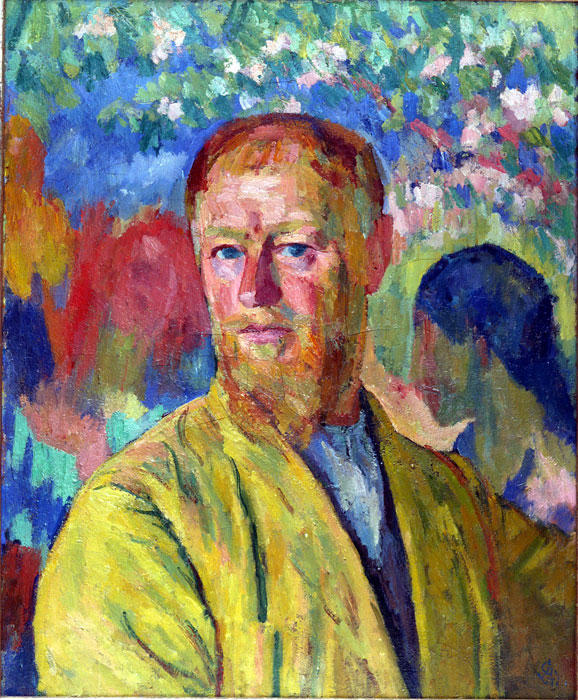
 Podgląd w skali 1:1
 Wyślij jako kartkę
 Udostępnij
 Szczegóły dzieła
 Przewodnik

 Pobierz obraz
 Podobne obiekty
 RTG
RTG Pokaz slajdów
 Q&A
Q&A Statystyki
Self portrait


 Rozwiń treść
Giclée / Wydruk artystyczny
Wydruki giclée lub płótna o jakości muzealnej, szybka realizacja i szeroki wybór opcji wykończenia. ( Zamów ręcznie malowaną reprodukcję Przejdź do wersji cyfrowej)




































Wybierz spośród naszych standardowych rozmiarów, które zachowują oryginalne proporcje dzieła sztuki.

Wpisz wymaganą szerokość i wysokość, aby dopasować grafikę do ramy lub ściany. Wydruk można jedynie przyciąć, nigdy nie powiększając go poza oryginalny obraz, dlatego format o innych proporcjach spowoduje utratę części kompozycji. Przed rozpoczęciem druku prześlemy Ci cyfrowy podgląd do zatwierdzenia. Obraz wyświetlany na tej stronie nie pokazuje rzeczywistego przycięcia — jedynie podgląd oddaje ten efekt.
Dostawa na cały świat () w ciągu 2 tygodni zamiast standardowych 4/5 tygodni. (2 Listopad)

Bezpłatna ekspresowa wysyłka na cały świat

Wysokiej jakości płótno lniane

Pełne ubezpieczenie przesyłki

Gwarancja zwrotu należności celnych i podatków importowych

Gwarancja wiernego odwzorowania kolorów

100-dniowa polityka zwrotów (tylko w przypadku wad)

Gwarancja 100% zwrotu pieniędzy

Zniżka przy zakupie wielu sztuk
 Opcja ze szkłem jest dostępna wyłącznie w rozmiarach poniżej 110 cm

Self portrait
Giclée / Wydruk artystyczny
Wymiary reprodukcji
-


Cena całkowita
zł 311
Biografia artysty
A Life Steeped in the Swiss Landscape
Giovanni Ulrico Giacometti, born on March 7, 1868, in Borgonovo, a small village nestled within the dramatic folds of the Bergell Alps in Switzerland, was an artist whose life and work became inextricably linked to the raw beauty and profound spirit of his native land. He hailed from a large family—one of eight children—with roots deeply embedded in the local community. His father, Alberto Giacometti, balanced the roles of baker and café owner, providing a grounding influence amidst the artistic aspirations blossoming within young Giovanni. Crucially, his cousin, Augusto Giacometti, also a painter, served as an early mentor, igniting an initial spark of interest that would ultimately define Giovanni’s lifelong dedication to art. This familial connection, coupled with the breathtaking scenery surrounding Borgonovo—towering peaks, verdant valleys, and crystalline lakes—provided a constant source of inspiration and shaped his artistic sensibility from its very beginnings.The Seeds of Influence: Segantini and Divisionism
Giovanni’s formal artistic training commenced in 1886 at the Kunstgewerbeschule in Munich, but he quickly found the school's rigid structure and emphasis on technical precision stifling to his burgeoning creative vision. Seeking a more liberating environment, he embarked on a pivotal move to Paris in 1891, where he entered into a collaborative relationship with Cuno Amiet, another Swiss artist who had established himself there. Under Amiet’s guidance, Giovanni studied at the Académie Julian until 1891, absorbing the techniques and principles of Impressionism while simultaneously yearning for something more expressive. However, it was a chance encounter in 1894 that proved to be a truly transformative moment. Meeting Giovanni Segantini, a master painter renowned for his ability to capture the essence of light and atmosphere within the rugged grandeur of the Swiss Alps, opened Giovanni’s eyes to a new world of artistic possibilities. Segantini wasn't merely an acquaintance; he was a mentor who instilled in Giovanni a deep appreciation for the sublime beauty of the mountains and introduced him to the revolutionary technique of Divisionism—a method that involved applying small, discrete dots or strokes of color to create vibrant, luminous effects. This influence is immediately evident in Giovanni’s early landscapes, which began to reflect Segantini's sensitivity to light and his remarkable ability to convey the overwhelming scale and majesty of nature. The Bergell region, with its iconic peaks like the Piz Bernina and Piz Palü, became a constant source of inspiration, shaping not only his artistic style but also his emotional connection to the land—a connection that would remain central to his work throughout his career.A Period of Exploration and Return
Following his encounter with Segantini, Giovanni entered a period of wandering and artistic exploration, traveling extensively across Europe in search of inspiration and new techniques. He spent time in Rome, immersing himself in the art of the Old Masters, and explored various artistic movements, including Symbolism and Art Nouveau. However, financial constraints eventually compelled him to return to Switzerland in 1891, a decision that ultimately proved beneficial as it allowed him to reconnect with his roots and continue developing his unique style under Segantini’s continued guidance. This period of searching and experimentation laid the groundwork for Giovanni's distinctive artistic voice—a synthesis of traditional techniques and modern sensibilities.The Rise of a Distinctive Style
Giovanni Giacometti’s artistic style evolved significantly over time, reflecting his ongoing exploration of different techniques and influences. Initially influenced by Impressionism and Divisionism, he gradually incorporated elements of Post-Impressionism and even hints of Expressionism into his work. He was particularly adept at capturing the fleeting effects of light and atmosphere, using a vibrant palette of colors to create luminous and emotionally charged landscapes. His portraits, too, were characterized by a remarkable sensitivity to human expression—a talent honed through years of observation and experience. Notable works such as “In the Goat Barn,” “Capolago in Winter,” and “Morning sun on the lake Sils” exemplify his mastery of light, color, and composition, showcasing his ability to evoke both the beauty and the drama of the Swiss Alps.Legacy and Family Connections
Giovanni Giacometti’s legacy extends far beyond his own artistic achievements. He was a devoted father who nurtured the talents of his three sons: Alberto, Diego, and Bruno—all of whom would become renowned artists in their own right. His family environment fostered a creative spirit that permeated generations, contributing to the rich artistic heritage of Switzerland. Giovanni’s influence can be seen not only in his own work but also in the careers of his children, who continued to explore and push the boundaries of modern art. He passed away on June 25, 1933, leaving behind a significant body of work that stands as a testament to his lifelong dedication to capturing the beauty and spirit of the Swiss landscape—a legacy that continues to inspire artists today.
Giovanni Giacometti
1868 - 1933 , Szwajcaria
Krótka nota
- Artistic Movement Or Style: Post-Impressionizm, Ekspresjonizm
- Artists Or Movements Influenced By This Artist:
- Alberto Giacometti
- Diego Giacometti
- Artists Who Influenced This Artist: ['Giovanni Segantini']
- Date Of Birth: 7 marca 1868
- Date Of Death: 25 czerwca 1933
- Full Name: Giovanni Ulrico Giacometti
- Nationality: Szwajcarski
- Notable Artworks:
- In the Goat Barn
- Capolago in Winter
- Morning sun on lake Sils
- Place Of Birth: Borgonovo, Szwajcaria