

 Zobacz w skali 1:1
 Wyślij
 Udostępnij
 Szczegóły
 Przewodnik

 Pobierz plik obrazu
 Podobne obiekty
 RTG
RTG Pokaz slajdów
 Statystyki
reclining nude


 Czytaj więcej
Ręcznie malowana reprodukcja olejowa
Ręcznie malowany obraz olejny na płótnie, wykonany na zamówienie przez naszych artystów w wybranym przez Ciebie wymiarze i oprawie. ( Przełącz na wersję drukowaną Przełącz na wersję cyfrową)




P118B zł10

P118H zł10

P118W zł10

P438Z zł10

P508JH zł12

P508YH zł12

P805H zł10

P805Z zł10

P919BZ zł10

P919G zł10

P919XJ zł10

P959ZH zł10

P968JZ zł12

W106C zł8

W218G zł10

W218JH zł8

W218Y zł10

W307PJ zł10

W316G zł10

W316PJ zł8

W316Y zł10

W398PJ zł8

W4111J zł10

W500HY zł15

W500JH zł15

W692G zł12

W849H zł8

W940BG zł15

W953PJ zł8




Wybierz spośród naszych standardowych rozmiarów, które zachowują oryginalne proporcje dzieła sztuki.

Możesz wprowadzić własne wymiary, aby dopasować obraz do konkretnej ramy lub przestrzeni. Jeśli wybrany rozmiar nie będzie odpowiadał proporcjom oryginału, przytniecie dzieło sztuki lub rozszerzymy je o dodatkowe elementy, ręcznie domalowane przez artystę. Przed rozpoczęciem produkcji wyślemy projekt cyfrowy do Twojej akceptacji.
Należy pamiętać, że podgląd na ekranie nie odzwierciedla rzeczywistego przycinania ani rozszerzania obrazu. Tylko projekt dokładnie pokaże ostateczną kompozycję.
Choć oferujemy możliwość zamówienia niestandardowych rozmiarów, zalecamy wybór wymiaru z gotowej listy, aby zachować oryginalne proporcje dzieła.
Po złożeniu zamówienia zespół OriginalUniqueArt.com skontaktuje się z klientem drogą mailową w celu uzyskania instrukcji i prześle wizualizację projektu
Dostawa na całym świecie () w ciągu 3–4 tygodni zamiast standardowych 5 tygodni. (10 Październik). Bez kompromisów w kwestii jakości.

Bezpłatna ekspresowa wysyłka na cały świat

Wysokiej jakości płótno lniane

Pełne ubezpieczenie transportowe

Gwarancja zwrotu należności celnych i podatków importowych

Gwarancja idealnego odwzorowania barw

100-dniowy okres na zwrot dzieła w przypadku wykrycia wad produkcyjnych

Gwarancja 100% zwrotu pieniędzy

Oferta przy zakupie wielu sztuk
 Opcja ze szkłem jest dostępna wyłącznie w rozmiarach poniżej 110 cm

reclining nude
Technika wykonania
Rozmiar reprodukcji
-


Suma do zapłaty
zł 1117
The Allure of Light and Form in Boldini's Reclining Nude
To gaze upon Giovanni Boldini’s Reclining Nude is to step directly into the shimmering, sophisticated atmosphere of the Belle Époque. This painting, executed around 1930, transcends a mere depiction of a figure; it is a masterful study in light, languor, and the exquisite capture of a fleeting moment. Boldini, whose career was synonymous with Parisian elegance, possessed an unparalleled gift for rendering human form not as static sculpture, but as something breathing, alive, and bathed in ambient glow. The subject reclines upon a bed draped with a rich red blanket, her posture one of profound relaxation, inviting the viewer into an intimate, almost whispered moment of repose.
A Symphony of Impressionist Brushwork
Technically, Reclining Nude is a quintessential expression of Impressionism filtered through Boldini’s unique lens. While the movement celebrated visible brushstrokes and the immediacy of modern life, Boldini imbued his technique with an almost electric energy. His signature style manifests in bold, sweeping strokes that seem to follow the contours of the body, giving the skin a luminous quality that defies simple description. Observe how the light plays across her limbs; it is not uniformly applied but rather suggested through dabs and washes of color, creating a palpable sense of depth and dimensionality. This masterful handling of paint ensures that even in repose, the painting vibrates with an inner life.
Symbolism and the Intimate Setting
The composition itself speaks volumes about luxury and private moments. The inclusion of the surrounding elements—the chairs positioned near the corner, the plush couch visible in the background—grounds the ethereal subject within a tangible, opulent interior space. The striking red blanket acts as both an anchor of color and a symbolic counterpoint to the soft flesh tones. Symbolically, the reclining nude has always been a touchstone for art history, representing vulnerability, beauty, and the timeless contemplation of the human form. Here, however, Boldini elevates it beyond mere sensuality; it becomes a meditation on grace under the warm embrace of artificial or late-day light.
Bringing the Masterpiece Home
For those who wish to possess this segment of art history, owning a reproduction of Reclining Nude is an opportunity to curate a space filled with enduring sophistication. The skilled hands that create these handmade oil painting reproductions strive diligently to emulate Boldini’s original techniques and the rich materiality of his pigments. Whether adorning a grand salon or lending a touch of historical romance to a private chamber, this piece promises not just decoration, but a continuous dialogue with the artistry of the past. It is an investment in elegance, capturing that unforgettable feeling of being present at a moment of perfect, painted tranquility.
Pytania i odpowiedzi
W którym roku powstało „reclining nude” autorstwa Giovanni Boldini?
Dzieło "reclining nude" pochodzi z 1930 roku. Data ta pozwala umiejscowić pracę w kontekście twórczości Giovanni Boldini oraz epoki, w której powstała.
Czy mogę przyjrzeć się bliżej dziełu "reclining nude"?
Strona Prześwietlenie dzieła „reclining nude” autorstwa Giovanni Boldini to interaktywny podgląd, który pozwala na przesuwanie jedenastu warstw optycznych obrazu, w tym widok w stylu rentgenowskim.
Jaki nastrój towarzyszy stylowi Impressionism w dziele „reclining nude”?
Tranquil emocja dzieła „reclining nude” współgra z jego stylem Impressionism.
Ile lat miał Giovanni Boldini, gdy powstało dzieło „reclining nude”?
Gdy w 1930 roku powstało dzieło „reclining nude”, Giovanni Boldini – urodzony/a w 1842 – miał/a 88 lat.
Jakie miejsce w historii sztuki zajmuje „reclining nude” autorstwa Giovanni Boldini?
Pod względem historycznym „reclining nude” to dzieło z nurtu Impressionism, powstałe w szerszej epoce 19th Century.
Któremu artyście przypisuje się "reclining nude"?
Dzieło "reclining nude" przypisuje się Giovanni Boldini.
Dlaczego status praw autorskich dla "reclining nude" jest taki, jak jest?
Dzieło "reclining nude" autorstwa Giovanni Boldini znajduje się w stanowi domenę publiczną – autorskie prawa majątkowe wygasły. Okres ochrony praw autorskich liczony jest od daty śmierci artysty, a Giovanni Boldini zmarł(a) w 1931.
Biografia artysty
A Master of Swish: The Life and Art of Giovanni Boldini
Giovanni Boldini, a name synonymous with the elegance and allure of the Belle Époque, was an Italian artist who carved his niche in Parisian society as a celebrated portraitist. Born on December 31, 1842, in Ferrara, Italy, Boldini’s artistic journey began under the guidance of his father, a painter specializing in religious subjects. This early exposure instilled in him a foundational understanding of technique and composition, yet it was his move to Florence in 1862 that truly ignited his creative spirit. There, he encountered the Macchiaioli—a group of Italian realist painters who foreshadowed Impressionism with their emphasis on light, color, and spontaneous execution. This encounter proved pivotal, influencing Boldini’s landscapes with a newfound vibrancy and responsiveness to nature. However, it was in capturing the essence of his subjects through portraiture that he would ultimately achieve lasting renown.From Florence to Parisian Society
Boldini's artistic path led him first to London, where he quickly gained recognition for his portraits of prominent figures like Lady Holland and the Duchess of Westminster. This early success paved the way for his relocation to Paris in 1872—a city that would become both his home and his muse. In Paris, Boldini immersed himself in the artistic milieu, befriending Edgar Degas and navigating the complex social landscape of the French capital. He developed a distinctive style characterized by its fluidity, dynamism, and an almost theatrical flair. His brushstrokes were not merely descriptive; they seemed to capture movement, personality, and the very air surrounding his subjects. This unique approach earned him the moniker “Master of Swish” in 1933, a testament to the graceful energy that permeated his work. He became *the* portraitist for Parisian high society, immortalizing the glamorous lives of actresses, socialites, and members of the aristocracy. Boldini’s portraits weren't just likenesses; they were statements—capturing not only physical appearance but also the spirit and social standing of his subjects.Technique and Influences
Boldini’s technique was as captivating as the personalities he portrayed. He often worked on a grand scale, utilizing large canvases to convey a sense of grandeur and presence. His approach involved layering colors with loose, expressive brushstrokes, building up textures and depths that seemed to shimmer with life. This method, combined with his keen eye for detail and ability to capture fleeting expressions, resulted in portraits that were both strikingly realistic and imbued with an undeniable sense of style. Boldini’s work was deeply influenced by the Macchiaioli's focus on capturing light and spontaneous moments, but he also drew inspiration from artists like John Singer Sargent and Paul Helleu, whose dynamic brushwork resonated with his artistic sensibilities. He wasn’t simply replicating likenesses; he was creating impressions—evocative representations of character and social standing. The interplay of light and shadow, the subtle nuances of expression – these were the hallmarks of Boldini's distinctive style.A Legacy Rediscovered
Throughout his career, Boldini exhibited widely, including at the Venice Biennale in 1895, 1903, 1905, and 1912. He received the Légion d’honneur for his contributions to the arts, solidifying his position as a leading figure in the Parisian art world. However, Boldini's popularity waned somewhat after his death in Paris on January 11, 1931, as artistic tastes shifted. His work fell into relative obscurity until recent decades have witnessed a remarkable resurgence of interest. The rediscovery of lost works, such as the captivating portrait of Marthe de Florian found hidden away in a Parisian apartment in 2010, has ignited appreciation for Boldini’s artistry and brought renewed attention to his significant contribution to Belle Époque art. The story surrounding this painting—a forgotten treasure unearthed after decades of seclusion—only adds to the mystique that surrounds both the artist and his subjects. Boldini's portraits continue to be studied and admired, offering a glimpse into a bygone era of elegance, sophistication, and artistic brilliance.Key Works
Here are some of Giovanni Boldini’s most celebrated works:- Countess de Rasty
- The Machine at Marly
- Portrait of Giuseppe Verdi
- Portrait of John Singer Sargent
- Portrait of Marthe de Florian

Giovanni Boldini
1842 - 1931 , Włochy
Najważniejsze informacje
- Artistic Movement Or Style: Impressionizm
- Artists Or Movements Influenced By This Artist: ['John Singer Sargent']
- Artists Who Influenced This Artist: ['Macchiaioli']
- Date Of Birth: 31 grudnia 1842
- Date Of Death: 11 stycznia 1931
- Full Name: Giovanni Boldini
- Nationality: Włoski
- Notable Artworks:
- Portret lady Colin Campbell
- Portret mężczyzny w kościele
- Place Of Birth: Ferrara, Włochy
Zobacz także powiązane artykuły

Giovanni Boldini: A Study in Belle Époque Portraiture & the Cult of Personality
Explore the captivating world of Giovanni Boldini, master of Belle Époque portraiture. Discover his signature style, iconic works like 'Miss Bell,' and lasting influence on art history. Expert analysis for collectors.
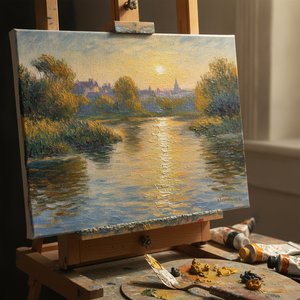
The Soul of Impressionism: Why Oil on Canvas Captures Eternal Light and Timeless Emotion
Discover the enchanting alchemy of Impressionism. Explore how the mastery of oil on canvas, through glazing and impasto, captures eternal light and emotion. Perfect for lovers of Monet and Van Gogh seeking the profound depth of hand-painted fine art.

Trwała Spuścizna Malarstwa Olejnego: Technika, Historia i Estetyczny Wpływ
Poznaj historię i technikę malarstwa olejnego! Eksperckie artykuły o konserwacji, renowacji oraz współczesnych zastosowaniach. Dowiedz się więcej o mistrzach i trwałości obrazów olejnych.

10 Arcydzieł Impresjonizmu Krajobrazowego, Które Zdefiniowały Sztukę
Odkryj 10 arcydzieł impresjonizmu krajobrazowego! Poznaj historie Moneta, Renoir'a i Van Gogha. Inspiracje wnętrzarskie, techniki malarskie i piękne reprodukcje obrazów na OriginalUniqueArt.com. Eksploruj kolekcję online!
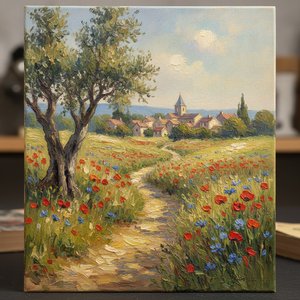
The Timeless Beauty of Oil on Panel: Capturing Light and Texture through the Impressionist Lens
Discover the exquisite depth of oil on panel. Explore how Impressionist masters captured light and texture through tactile brushwork, and learn how to bring these museum-quality, hand-painted masterpieces into your home with expert curation.


