

 Zobacz w skali 1:1
 Wyślij
 Udostępnij
 Szczegóły

 Pobierz plik obrazu
 Podobne obiekty
 RTG
RTG Pokaz slajdów
 Statystyki
A Midsummer Night's Dream
 Oil On Canvas
- WallArt
- Impressionism
 1897
1897- 19th Century
 81.0 x 116.0 cm
 Czytaj więcej
Ręcznie malowana reprodukcja olejowa
Ręcznie malowany obraz olejny na płótnie, wykonany na zamówienie przez naszych artystów w wybranym przez Ciebie wymiarze i oprawie. ( Przełącz na wersję drukowaną Przełącz na wersję cyfrową)




P118B $10

P118H $10

P118W $10

P438Z $10

P508JH $12

P508YH $12

P805H $10

P805Z $10

P919BZ $10

P919G $10

P919XJ $10

P959ZH $10

P968JZ $12

W106C $8

W218G $10

W218JH $8

W218Y $10

W307PJ $10

W316G $10

W316PJ $8

W316Y $10

W398PJ $8

W4111J $10

W500HY $15

W500JH $15

W692G $12

W849H $8

W940BG $15

W953PJ $8




Wybierz spośród naszych standardowych rozmiarów, które zachowują oryginalne proporcje dzieła sztuki.

Możesz wprowadzić własne wymiary, aby dopasować obraz do konkretnej ramy lub przestrzeni. Jeśli wybrany rozmiar nie będzie odpowiadał proporcjom oryginału, przytniecie dzieło sztuki lub rozszerzymy je o dodatkowe elementy, ręcznie domalowane przez artystę. Przed rozpoczęciem produkcji wyślemy projekt cyfrowy do Twojej akceptacji.
Należy pamiętać, że podgląd na ekranie nie odzwierciedla rzeczywistego przycinania ani rozszerzania obrazu. Tylko projekt dokładnie pokaże ostateczną kompozycję.
Choć oferujemy możliwość zamówienia niestandardowych rozmiarów, zalecamy wybór wymiaru z gotowej listy, aby zachować oryginalne proporcje dzieła.
Po złożeniu zamówienia zespół OriginalUniqueArt.com skontaktuje się z klientem drogą mailową w celu uzyskania instrukcji i prześle wizualizację projektu
Dostawa na całym świecie () w ciągu 3–4 tygodni zamiast standardowych 5 tygodni. (20 Wrzesień). Bez kompromisów w kwestii jakości.

Bezpłatna ekspresowa wysyłka na cały świat

Wysokiej jakości płótno lniane

Pełne ubezpieczenie transportowe

Gwarancja zwrotu należności celnych i podatków importowych

Gwarancja idealnego odwzorowania barw

100-dniowy okres na zwrot dzieła w przypadku wykrycia wad produkcyjnych

Gwarancja 100% zwrotu pieniędzy

Oferta przy zakupie wielu sztuk
 Opcja ze szkłem jest dostępna wyłącznie w rozmiarach poniżej 110 cm

A Midsummer Night's Dream
Technika wykonania
Rozmiar reprodukcji
-


Suma do zapłaty
$ 300
A Midsummer Night's Dream: A Glimpse of Parisian Elegance
Giovanni Boldini’s "A Midsummer Night's Dream," painted in 1897, is more than just a depiction of a woman on horseback; it's an embodiment of late 19th-century Parisian elegance and the vibrant spirit of Impressionism. The painting captures a fleeting moment – a graceful figure seemingly suspended between movement and stillness, surrounded by a lively scene that hints at a nocturnal celebration. Boldini’s mastery lies in his ability to convey both dynamism and refinement within a single frame, making this artwork a captivating subject for art enthusiasts and collectors alike.Impressionistic Technique and Artistic Details
The painting itself measures 81 x 116 cm and is executed with oil on canvas, showcasing Boldini’s signature style. The loose brushstrokes characteristic of Impressionism are evident throughout the piece, creating a sense of movement and spontaneity. Notice how the artist doesn't meticulously define every detail but instead uses color and light to suggest form and atmosphere. The central figure, a woman in a flowing white dress, is balanced atop a horse, her posture conveying both control and grace. The surrounding figures are less sharply defined, contributing to the overall impression of a lively, perhaps slightly chaotic, gathering. A bird perched in the upper left corner and a clock visible on the wall add intriguing details that enrich the narrative possibilities within the scene. The color palette is dominated by soft hues – creams, whites, and muted browns – with splashes of red and blue adding visual interest and depth.Historical Context: Boldini's Parisian Era
"A Midsummer Night’s Dream" was created during a pivotal period in Boldini’s career, when he had firmly established himself as one of the leading portrait painters in Paris. The late 1890s were a time of great social and artistic ferment in Paris, marked by a flourishing Belle Époque culture that celebrated beauty, leisure, and innovation. Boldini's work perfectly reflects this atmosphere, capturing the essence of Parisian high society with his characteristic flair for elegance and sophistication. His ability to portray not just likeness but also personality made him highly sought after by wealthy patrons eager to immortalize themselves in art. This painting is a testament to that era’s appreciation for beauty and refined living.Symbolism and Emotional Impact
While seemingly straightforward, "A Midsummer Night's Dream" carries layers of symbolic meaning. The title itself evokes Shakespearean themes of fantasy, enchantment, and transformation – suggesting a world beyond the ordinary. The woman on horseback can be interpreted as a symbol of power, freedom, or perhaps even a journey through life’s complexities. The surrounding figures contribute to a sense of revelry and celebration, hinting at a night filled with music, laughter, and romance. Emotionally, the painting evokes feelings of joy, lightness, and a touch of mystery. The overall impression is one of fleeting beauty and ephemeral moments – capturing the essence of a dreamlike experience.Boldini's Legacy: Other Notable Works
Giovanni Boldini was a prolific artist whose career spanned several decades. Beyond "A Midsummer Night’s Dream," he created numerous other masterpieces that showcase his unique talent. Some notable works include “Madame Veil-Picard,” which exemplifies his skill in portraiture, and “Reclining Nude,” demonstrating his exploration of the human form. "The Two Children" offers a glimpse into his ability to capture intimate family moments with tenderness and sensitivity. These paintings, along with "A Midsummer Night's Dream," can be found on OriginalUniqueArt.com, alongside works by other renowned artists, offering a comprehensive view of Boldini’s artistic contributions. The Museum BOZAR in Belgium is also worth exploring for its diverse collection of art and cultural events.Biografia artysty
A Master of Swish: The Life and Art of Giovanni Boldini
Giovanni Boldini, a name synonymous with the elegance and allure of the Belle Époque, was an Italian artist who carved his niche in Parisian society as a celebrated portraitist. Born on December 31, 1842, in Ferrara, Italy, Boldini’s artistic journey began under the guidance of his father, a painter specializing in religious subjects. This early exposure instilled in him a foundational understanding of technique and composition, yet it was his move to Florence in 1862 that truly ignited his creative spirit. There, he encountered the Macchiaioli—a group of Italian realist painters who foreshadowed Impressionism with their emphasis on light, color, and spontaneous execution. This encounter proved pivotal, influencing Boldini’s landscapes with a newfound vibrancy and responsiveness to nature. However, it was in capturing the essence of his subjects through portraiture that he would ultimately achieve lasting renown.From Florence to Parisian Society
Boldini's artistic path led him first to London, where he quickly gained recognition for his portraits of prominent figures like Lady Holland and the Duchess of Westminster. This early success paved the way for his relocation to Paris in 1872—a city that would become both his home and his muse. In Paris, Boldini immersed himself in the artistic milieu, befriending Edgar Degas and navigating the complex social landscape of the French capital. He developed a distinctive style characterized by its fluidity, dynamism, and an almost theatrical flair. His brushstrokes were not merely descriptive; they seemed to capture movement, personality, and the very air surrounding his subjects. This unique approach earned him the moniker “Master of Swish” in 1933, a testament to the graceful energy that permeated his work. He became *the* portraitist for Parisian high society, immortalizing the glamorous lives of actresses, socialites, and members of the aristocracy. Boldini’s portraits weren't just likenesses; they were statements—capturing not only physical appearance but also the spirit and social standing of his subjects.Technique and Influences
Boldini’s technique was as captivating as the personalities he portrayed. He often worked on a grand scale, utilizing large canvases to convey a sense of grandeur and presence. His approach involved layering colors with loose, expressive brushstrokes, building up textures and depths that seemed to shimmer with life. This method, combined with his keen eye for detail and ability to capture fleeting expressions, resulted in portraits that were both strikingly realistic and imbued with an undeniable sense of style. Boldini’s work was deeply influenced by the Macchiaioli's focus on capturing light and spontaneous moments, but he also drew inspiration from artists like John Singer Sargent and Paul Helleu, whose dynamic brushwork resonated with his artistic sensibilities. He wasn’t simply replicating likenesses; he was creating impressions—evocative representations of character and social standing. The interplay of light and shadow, the subtle nuances of expression – these were the hallmarks of Boldini's distinctive style.A Legacy Rediscovered
Throughout his career, Boldini exhibited widely, including at the Venice Biennale in 1895, 1903, 1905, and 1912. He received the Légion d’honneur for his contributions to the arts, solidifying his position as a leading figure in the Parisian art world. However, Boldini's popularity waned somewhat after his death in Paris on January 11, 1931, as artistic tastes shifted. His work fell into relative obscurity until recent decades have witnessed a remarkable resurgence of interest. The rediscovery of lost works, such as the captivating portrait of Marthe de Florian found hidden away in a Parisian apartment in 2010, has ignited appreciation for Boldini’s artistry and brought renewed attention to his significant contribution to Belle Époque art. The story surrounding this painting—a forgotten treasure unearthed after decades of seclusion—only adds to the mystique that surrounds both the artist and his subjects. Boldini's portraits continue to be studied and admired, offering a glimpse into a bygone era of elegance, sophistication, and artistic brilliance.Key Works
Here are some of Giovanni Boldini’s most celebrated works:- Countess de Rasty
- The Machine at Marly
- Portrait of Giuseppe Verdi
- Portrait of John Singer Sargent
- Portrait of Marthe de Florian

Giovanni Boldini
1842 - 1931 , Włochy
Najważniejsze informacje
- Artistic Movement Or Style: Impressionizm
- Artists Or Movements Influenced By This Artist: ['John Singer Sargent']
- Artists Who Influenced This Artist: ['Macchiaioli']
- Date Of Birth: 31 grudnia 1842
- Date Of Death: 11 stycznia 1931
- Full Name: Giovanni Boldini
- Nationality: Włoski
- Notable Artworks:
- Portret lady Colin Campbell
- Portret mężczyzny w kościele
- Place Of Birth: Ferrara, Włochy
Zobacz także powiązane artykuły

Giovanni Boldini: A Study in Belle Époque Portraiture & the Cult of Personality
Explore the captivating world of Giovanni Boldini, master of Belle Époque portraiture. Discover his signature style, iconic works like 'Miss Bell,' and lasting influence on art history. Expert analysis for collectors.

Impressionizm w Obrazach: 10 Arcydzieł Pełnych Światła i Koloru | OriginalUniqueArt
Odkryj 10 arcydzieł impresjonizmu! Poznaj historie Claude Moneta, Degasa i Van Gogha. Reprodukcje obrazów najwyższej jakości – pejzaże pełne światła i koloru do Twojego wnętrza. OriginalUniqueArt.
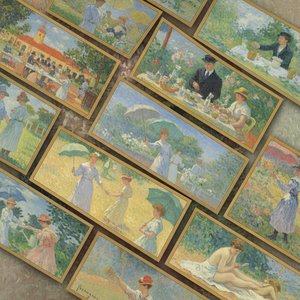
Pierre-Auguste Renoir: 25 Arcydzieł Pełnych Światła i Uroków | OriginalUniqueArt.com
Odkryj 25 najpiękniejszych obrazów Pierre’a-Auguste Renoir! Poznaj historię impresjonizmu, światło w jego malarstwie i arcydzieła takie jak 'Taniec w Le Moulin de la Galette'. Reprodukcje najwyższej jakości na OriginalUniqueArt.com – inspiracje dla Twojego wnętrza.
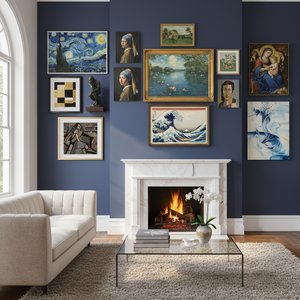
Top 10 Elegancji w Sztuce: Obrazy Pełne Gracji i Klasy | OriginalUniqueArt.com
Odkryj 10 arcydzieł sztuki, które uosabiają elegancję i klasę! Poznaj historie znanych artystów, impresjonizmu i secesji. Znajdź inspiracje do wnętrz z OriginalUniqueArt.com – reprodukcje najwyższej jakości.
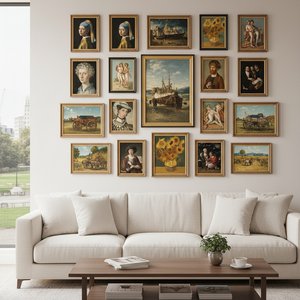
25 Arcydzieł National Gallery w Londynie: Sztuka dla Twojego Domu | OriginalUniqueArt
Odkryj 25 arcydzieł National Gallery w Londynie! Poznaj historie Van Gogha, Moneta i Rembrandta. Reprodukcje obrazów najwyższej jakości dla Twojego wnętrza – inspiracje i dekoracje na OriginalUniqueArt.com.


