 Podgląd w skali 1:1
 Wyślij jako kartkę
 Udostępnij
 Szczegóły dzieła
 Przewodnik

 Pobierz obraz
 Podobne obiekty
 RTG
RTG Pokaz slajdów
 Pytania i odpowiedzi
 Statystyki
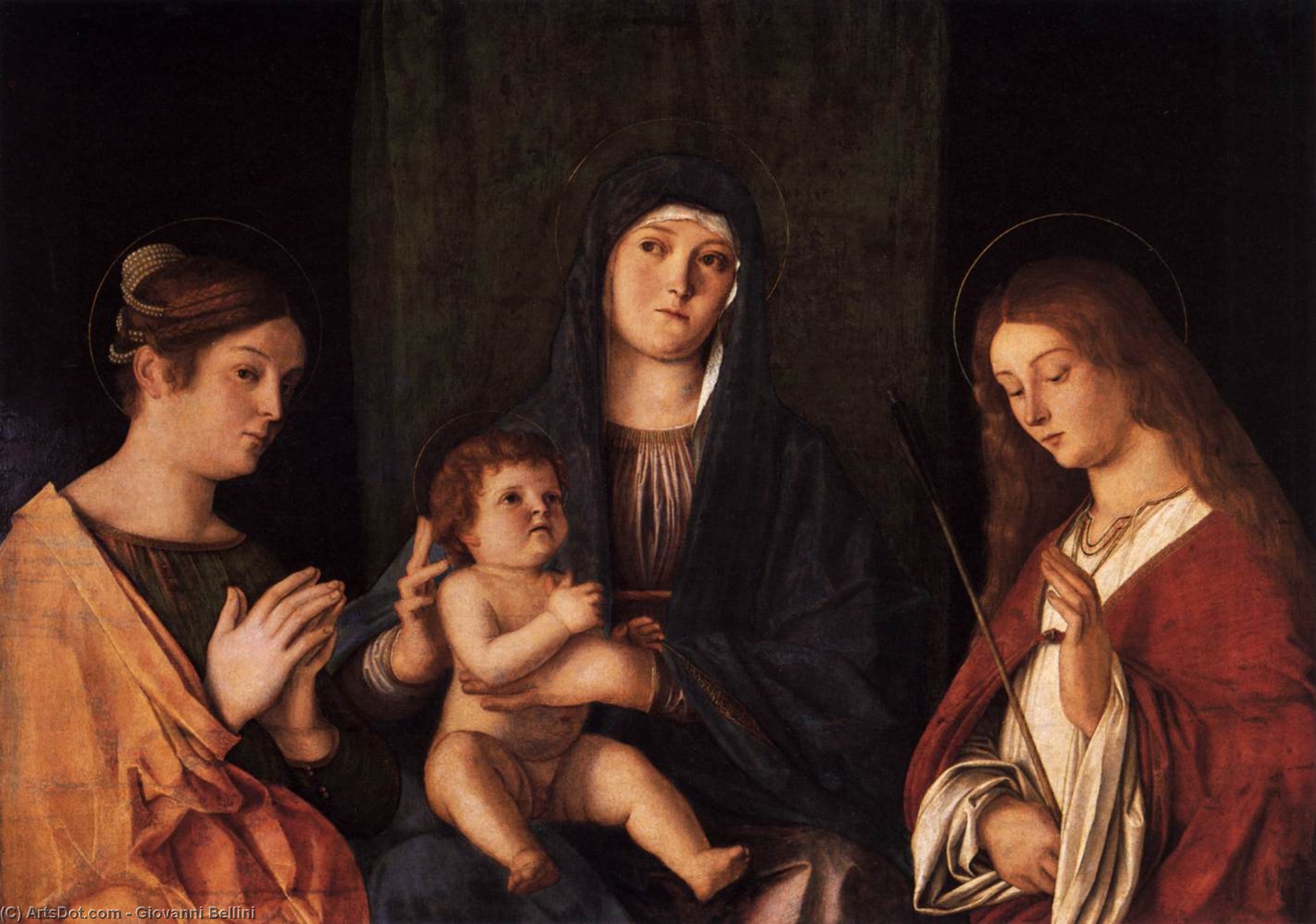
Święca Rozmowa

- 77.0 x 104.0 cm


 Rozwiń treść
Otrzymaj plik gotowy do druku, którego jakość znacznie przewyższa podgląd internetowy. Każdy sprzedawany przez nas obraz cyfrowy pochodzi z wysokorozdzielczego pliku wzorcowego w naszej bazie — zazwyczaj o szerokości od 5 000 do 15 000 pikseli — dzięki czemu możesz drukować w dużym formacie, mocno kadrować lub z pełnym przekonaniem odwzorowywać najdrobniejsze detale.
Żaden plik nie opuszcza naszego studia bez odpowiedniej obróbki. Ekspert ds. cyfrowej edycji sprawdza zgodność kolorów z oryginałem i w razie potrzeby je koryguje, a następnie za pomocą profesjonalnych narzędzi do retuszu poprawia ostrość oraz szczegółowość — zawsze zachowując wierność pociągnięciom pędzla i stylowi artysty. Rezultatem jest obraz, który wygląda jak prawdziwe dzieło, a nie jak przefiltrowany skan.
Zatwierdzasz przed finalizacją zamówienia: nasz ekspert prześle obraz drogą mailową w ciągu 72 godzin do Twojego wglądu. Nie jesteś zadowolony? Poproś o poprawki lub korektę, bądź o zwrot kosztów, jeśli jakość nie spełnia oczekiwań.
To jakość, na której polegają wydawcy, studia projektowe, galerie oraz drukarnie.
Obraz cyfrowy
Pobierz plik o wysokiej rozdzielczości do osobistego użytku, druku oraz projektów kreatywnych. ( Przełącz na wydania drukowane Zamów ręcznie malowaną reprodukcję)
W każdym zamówieniu na obraz cyfrowy znajduje się
Profesjonalna dostawa cyfrowa z gwarancją
Wybierając OriginalUniqueArt.com, nie otrzymujesz jedynie obrazu – otrzymujesz profesjonalnie udoskonalone cyfrowe dzieło sztuki, stworzone z najwyższą precyzją i objęte gwarancją satysfakcji. Oto wszystko, co automatycznie dołączane jest do Twojego zamówienia:

Błyskawiczna wysyłka e-mailowa
Plik z obrazem cyfrowym w wysokiej rozdzielczości zostanie przesłany na Twój adres e-mail w ciągu 72 godzin od złożenia zamówienia – gotowy do natychmiastowego użycia.

Plik cyfrowy wzbogacony przez AI
Twoja grafika została profesjonalnie zoptymalizowana przy użyciu zaawansowanych narzędzi AI oraz ręcznej edycji, co zapewnia maksymalną szczegółowość, klarowność i wierność kolorów.

Darmowe ponowne przesyłki dożywotnio
Przypadkowo usunąłeś lub zgubiłeś swój plik? Bez obaw – prześlemy go Tobie ponownie w dowolnym momencie, bez żadnych opłat.

Bez opłat importowych – zawsze
Ciesz się swoją sztuką natychmiast, bez żadnych opłat celnych, należności ani kosztów dostawy – pliki cyfrowe są zawsze wolne od podatku.

Gwarancja wierności kolorów
Dzięki zastosowaniu profesjonalnych narzędzi i procesów zarządzania barwą zapewniamy, że Twoje cyfrowe zdjęcie odzwierciedla oryginalne kolory tak wiernie, jak to tylko możliwe.

Gwarancja satysfakcji przez 100 dni
Jeśli nie będziesz zadowolony ze swojego cyfrowego obrazu, dokonamy jego poprawki lub zwrócimy 100% kosztów w ciągu 100 dni – bez zbędnych pytań.

100% Gwarancja zwrotu pieniędzy
Nie jesteś zadowolony? Otrzymaj pełny zwrot kosztów w ciągu 100 dni od otrzymania pliku cyfrowego – bez zbędnych pytań.

Rabaty przy zamówieniach hurtowych
Kup 3 obrazy, oszczędź 10% - Kup 5, oszczędź 15% - Kup 10+, oszczędź 20%. Idealne do projektów kreatywnych, galerii i agencji.
Giovanni Bellini’s Sacred Conversation: A Window into Venetian Renaissance Spirituality
Giovanni Bellini, a name synonymous with the blossoming Renaissance in Venice, stands as a pivotal figure bridging the gap between the traditions of Byzantine art and the innovative spirit that would define the 16th century. Born around 1430 – though some sources suggest 1433 – into a family deeply entrenched in the artistic world, Bellini’s journey was one of continuous evolution, marked by a profound sensitivity to color, light, and the burgeoning humanism of his era. The precise nature of his familial relationships has been debated; for years Jacopo Bellini was considered his father, but modern scholarship increasingly points towards Jacopo being Giovanni's elder half-brother, with Gentile Bellini as his nephew rather than sibling. Regardless of these intricacies, young Giovanni grew up immersed in a workshop brimming with creativity and technical expertise, absorbing the foundations of painting from an early age. His mentor’s influence undoubtedly shaped his artistic vision, fostering a meticulous approach to craftsmanship that would become characteristic of his oeuvre.- Subject Matter: The painting depicts three women engaged in a contemplative dialogue – a scene steeped in Christian symbolism representing piety and devotion.
- Style: Bellini’s style exemplifies Venetian Renaissance idealism, prioritizing elegance and grace over dramatic gesture. It leans heavily on Byzantine influences, particularly in its flattened perspective and luminous coloration, yet skillfully integrates humanist ideals of beauty and proportion.
- Technique: Bellini employed oil paint on panel, utilizing glazing techniques—layers of translucent pigment—to achieve unparalleled depth and luminosity. This meticulous layering process allowed him to capture subtle nuances of light and shadow, creating an ethereal atmosphere that transcends mere representation.
Historical Context: Venice at the Dawn of a New Era
The painting emerged during a period of significant cultural transformation in Venice. The city’s wealth and mercantile prowess fueled artistic patronage, attracting artists from across Europe who sought to emulate Venetian splendor. Bellini's Sacred Conversation reflects this intellectual climate, aligning with humanist ideals that celebrated human intellect and moral virtue alongside religious faith. It stands as testament to the Venetian Republic’s commitment to fostering artistic excellence—a legacy that continues to inspire admiration centuries later. The artwork was commissioned by Cardinal Giovanni Grimani, demonstrating the importance of religious iconography during this time.Symbolism: Light, Femininity and Spiritual Reflection
The painting's composition is deliberately balanced, emphasizing harmony and serenity. The central figure—the Virgin Mary—holds her son Jesus in a gesture of tender care, symbolizing divine grace and maternal compassion. The surrounding women represent the virtues of faith, humility, and contemplation – qualities considered essential for achieving spiritual enlightenment. Bellini’s masterful use of color—particularly gold leaf—highlights the sanctity of the scene and elevates it beyond earthly concerns. Light plays a crucial role in conveying emotion and illuminating the figures' inner states, reinforcing the painting’s profound spiritual message.Emotional Impact: A Moment Frozen in Time
Giovanni Bellini’s Sacred Conversation transcends mere visual depiction; it evokes a palpable sense of peace and reverence. The viewer is invited to contemplate the beauty of human connection within a framework of faith—a timeless reminder of compassion, devotion, and spiritual contemplation. Its enduring appeal lies in its ability to capture an idealized vision of femininity and piety—themes that resonate powerfully across cultures and eras. It’s a piece that invites reflection on the significance of inner harmony and the pursuit of moral virtue – qualities valued throughout history.Pytania i odpowiedzi
Do jakiego nurtu należy "Święca Rozmowa"?
„Święca Rozmowa” – Giovanni Bellini należy do nurtu Renaissance Venetian Style. Nurt ten stanowi stylistyczny kontekst dzieła.
Do jakiego nurtu i epoki zalicza się „Święca Rozmowa” – Giovanni Bellini?
W „Święca Rozmowa” – Giovanni Bellini nurt Renaissance Venetian Style łączy się z epoką Renesans.
Czy "Święca Rozmowa" to jedno z najpopularniejszych dzieł Giovanni Bellini?
Poziom popularności dla „Święca Rozmowa” – Giovanni Bellini wynosi Uznany/a.
Biografia artysty
A Venetian Master: The Life and Legacy of Giovanni Bellini
Giovanni Bellini, a name synonymous with the blossoming Renaissance in Venice, stands as a pivotal figure bridging the gap between the traditions of Byzantine art and the innovative spirit that would define the 16th century. Born around 1430 – though some sources suggest 1433 – into a family deeply entrenched in the artistic world, Bellini’s journey was one of continuous evolution, marked by a profound sensitivity to color, light, and the burgeoning humanism of his era. The precise nature of his familial relationships has been debated; for years Jacopo Bellini was considered his father, but modern scholarship increasingly points towards Jacopo being Giovanni's elder half-brother, with Gentile Bellini as his nephew rather than sibling. Regardless of these intricacies, young Giovanni grew up immersed in a workshop brimming with creativity and technical expertise, absorbing the foundations of painting from an early age. His initial training likely involved the traditional tempera techniques favored at the time, but it was his innate talent for observation and emotional expression that would set him apart.Early Influences and Artistic Development
The artistic landscape of 15th-century Venice was a unique blend of influences. The city’s position as a major trading hub exposed its artists to diverse styles and ideas, while the Byzantine heritage continued to exert a strong pull. Bellini's early works reflect this duality. Initially, his style bore the mark of his father and brother, Gentile, with compositions often characterized by meticulous detail and a somewhat restrained emotional palette. However, even in these early pieces, hints of his future brilliance began to emerge – a delicate handling of light, a growing interest in naturalistic settings, and an ability to imbue religious figures with a palpable sense of human pathos. The influence of Andrea Mantegna, his brother-in-law, is also readily apparent during this period, particularly in the clarity of line and sculptural forms. Bellini’s early commissions often involved collaborative projects, such as his contributions to the Scuola di San Marco alongside Gentile and other prominent Venetian artists. These large-scale works provided invaluable experience and allowed him to hone his skills while working alongside some of the most talented painters of the day.Revolutionizing Venetian Painting: Color, Light, and Oil
Bellini’s true revolution lay in his embrace of oil paint. While not the inventor of the technique, he was among the first Venetian artists to fully exploit its potential. Unlike tempera, which dried quickly and demanded a precise, linear approach, oil paint allowed for greater blending, richer colors, and subtle gradations of tone. This newfound freedom enabled Bellini to create paintings with an unprecedented depth and luminosity. His use of color became increasingly sophisticated, moving away from the bright, often harsh hues of earlier Venetian painting towards a more nuanced and harmonious palette. He masterfully captured the effects of light and atmosphere, imbuing his landscapes with a sense of serenity and realism that was groundbreaking for its time. This mastery of oil paint not only transformed his own work but also laid the foundation for the distinctive style that would come to define the Venetian school – a style celebrated for its sensuousness, coloristic richness, and atmospheric perspective. His paintings began to radiate an inner glow, reflecting a spiritual depth that resonated with viewers.Mature Works and Lasting Influence
As Bellini matured, his artistic vision continued to evolve. His altarpieces, such as those created for the churches of San Zaccaria and Santa Corona, demonstrate his ability to create complex compositions filled with symbolic meaning and emotional resonance. The *Transfiguration*, now housed in the Capodimonte Museum in Naples, exemplifies his mature style – a serene spirit combined with ripened artistic powers. He also served as conservator of the paintings in Doge’s Palace, further solidifying his reputation as Venice's leading artist. His influence extended far beyond his own lifetime. He became a mentor to a generation of younger painters, including Giorgione and Titian, who would carry on his legacy and push the boundaries of Venetian art even further. These pupils absorbed Bellini’s techniques and aesthetic principles, adapting them to their own individual styles and contributing to the golden age of Venetian painting. Bellini's impact can be seen in the works of countless artists who followed, solidifying his place as a true master of the Renaissance. He died in Venice in 1516, leaving behind a body of work that continues to inspire awe and admiration centuries later.A Legacy Enduring Through Time
Giovanni Bellini’s significance extends beyond his technical innovations and artistic achievements. He captured the spirit of a changing world – a world grappling with new ideas about humanity, spirituality, and the relationship between art and nature. His paintings are not merely representations of religious scenes; they are profound meditations on faith, beauty, and the human condition. His ability to imbue his figures with dignity and grace, combined with his masterful use of color and light, created a visual language that resonated deeply with his contemporaries and continues to captivate audiences today. *Bellini’s legacy is not simply one of artistic brilliance; it is a testament to the power of art to transcend time and connect us to the enduring values of human experience.* From the serene beauty of his Madonnas to the dramatic intensity of his religious scenes, Bellini's work remains a cornerstone of Western art history.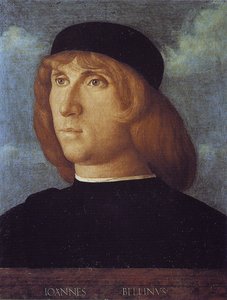
Giovanni Bellini
1433 - 1516 , Włochy
Krótka nota
- Artistic Movement Or Style: Scuola Veneta
- Artists Or Movements Influenced By This Artist:
- Giorgione
- Titian
- Artists Who Influenced This Artist:
- Jacopo Bellini
- Gentile Bellini
- Andrea Mantegna
- Date Of Birth: c. 1430
- Date Of Death: 1516
- Full Name: Giovanni Bellini
- Nationality: Włoski
- Notable Artworks:
- Madonna Frizioni
- Madonna degli Albarelli
- St. Jerome in the Desert
- Place Of Birth: Wenecja, Italia