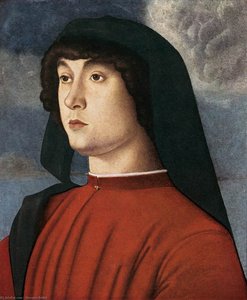
Zobacz w skali 1:1
 Wyślij
 Udostępnij
 Szczegóły
 Przewodnik

 Pobierz plik obrazu
 Podobne obiekty
 RTG
RTG Pokaz slajdów
 Statystyki
Santa Conversazione
 Oil On Panel
- WallArt
- Early Renaissance
 1505
1505- Renaissance
 62.0 x 83.0 cm
 Muzeum Thyssen-Bornemisza
 Czytaj więcej
Giclée / Wydruk artystyczny
Wydruki giclée lub płótna o jakości muzealnej, szybka realizacja i szeroki wybór opcji wykończenia. ( Kup ręcznie malowany obraz Przełącz na wersję cyfrową)




P118B zł10

P118H zł10

P118W zł10

P438Z zł10

P508JH zł12

P508YH zł12

P805H zł10

P805Z zł10

P919BZ zł10

P919G zł10

P919XJ zł10

P959ZH zł10

P968JZ zł12

W106C zł8

W218G zł10

W218JH zł8

W218Y zł10

W307PJ zł10

W316G zł10

W316PJ zł8

W316Y zł10

W398PJ zł8

W4111J zł10

W500HY zł15

W500JH zł15

W692G zł12

W849H zł8

W940BG zł15

W953PJ zł8




Wybierz spośród naszych standardowych rozmiarów, które zachowują oryginalne proporcje dzieła sztuki.

Wpisz wymaganą szerokość i wysokość, aby dopasować grafikę do ramy lub ściany. Wydruk można jedynie przyciąć, nigdy nie powiększając go poza oryginalny obraz, dlatego format o innym proporcji spowoduje utratę części kompozycji. Przed rozpoczęciem druku prześlemy Ci cyfrowy podgląd do zatwierdzenia. Obraz wyświetlany na tej stronie nie pokazuje rzeczywistego przycięcia — jedynie podgląd oddaje ten efekt.
Dostawa na cały świat () w ciągu 2 tygodni zamiast standardowych 4/5 tygodni. (23 Październik)

Bezpłatna ekspresowa wysyłka na cały świat

Wysokiej jakości płótno lniane

Pełne ubezpieczenie transportowe

Gwarancja zwrotu należności celnych i podatków importowych

Gwarancja idealnego odwzorowania barw

100-dniowy okres na zwrot dzieła w przypadku wykrycia wad produkcyjnych

Gwarancja 100% zwrotu pieniędzy

Oferta przy zakupie wielu sztuk
 Opcja ze szkłem jest dostępna wyłącznie w rozmiarach poniżej 110 cm

Santa Conversazione
Giclée / Wydruk artystyczny
Rozmiar reprodukcji
-


Suma do zapłaty
zł 307
A Divine Dialogue in Light and Color
In the hallowed stillness of the Church of San Zaccaria in Venice, there exists a moment frozen in time, a celestial gathering that transcends the boundaries of the physical world. Giovanni Bellini’s Santa Conversazione is not merely a painting; it is an immersive window into the soul of the Venetian Renaissance. Completed around 1505–1510, this monumental masterpiece invites the viewer into a sacred space where the earthly and the divine converge through a breathtaking display of light and atmosphere. The composition is anchored by a profound sense of stability, utilizing a masterful triangular arrangement that draws the eye upward toward the Virgin Mary and the infant Jesus, creating a rhythmic flow of grace that feels both eternal and intimately present.
The scene unfolds with a quiet, meditative intensity, presenting a group of saints gathered in a shared moment of spiritual communion. As your gaze wanders across the panel, you encounter figures that embody the very pillars of Christian devotion: Saint Peter stands as a symbol of papal authority, while Saint Catherine and Saint Lucy offer reflections on martyrdom and spiritual vigilance. The presence of Saint Jerome adds an intellectual weight to the assembly, representing the pursuit of wisdom. This "sacred conversation" is not one of spoken words, but of shared presence and silent reverence, a concept that resonates deeply with anyone seeking a sense of peace and contemplation within their own surroundings.
The Mastery of Venetian Technique
What sets this work apart for the discerning collector or lover of fine art is Bellini’s revolutionary use of oil on panel. Moving away from the flatter, more rigid traditions of the Byzantine era, Bellini embraced the slow-drying properties of oil to achieve an unparalleled depth of color and texture. Through meticulous layering and glazing, he achieved a luminous surface finish that seems to glow from within. This technique allows for the incredibly realistic depiction of heavy, sumptuous drapery and the soft, lifelike warmth of human flesh tones. The way light catches the folds of the robes or settles upon the faces of the saints creates a tactile quality that is nothing short of mesmerizing.
Beyond the figures, Bellini’s command of atmosphere provides a sense of infinite space. While the composition retains the structured clarity of the Early Renaissance, he introduces a subtle atmospheric haze in the distant landscape. The rolling hills and far-off mountains, bathed in a soft, diffused light, create a sense of depth that pulls the viewer into the horizon. This mastery of sfumato—the blurring of edges to mimic natural vision—ensures that the painting feels less like a flat object and more like a living, breathing environment. For an interior designer, such a piece offers a profound focal point, bringing a sense of historical grandeur and atmospheric serenity to any curated space.
A Timeless Legacy for the Modern Collector
To possess a reproduction of Santa Conversazione is to bring a piece of Italy’s golden age into the contemporary home. The color palette, dominated by warm earth tones, rich ochres, and deep reds, possesses a timeless elegance that complements both classical and modern decor. It serves as an anchor of sophistication, evoking the humanist spirit of the Renaissance—a period defined by the harmonious balance between human emotion and divine order.
Whether you are an art historian captivated by its technical precision or a decorator looking to infuse a room with a sense of quiet majesty, this work offers endless inspiration. It is a testament to Bellini’s ability to transform pigment and wood into a profound emotional experience, reminding us that even in a fast-paced world, there is immense beauty to be found in stillness, faith, and the enduring power of light.
Pytania i odpowiedzi
Do czego zaleca się wykorzystanie reprodukcji „Santa Conversazione” autorstwa Giovanni Bellini?
Zalecanym zastosowaniem wydruku "Santa Conversazione" jest Accent.
Z jakim etapem kariery Giovanni Bellini odpowiada data 1505 dla dzieła „Santa Conversazione”?
Data 1505 sytuuje "Santa Conversazione" w Early Renaissance rozwoju twórczości Giovanni Bellini.
Czy „Santa Conversazione” autorstwa Giovanni Bellini to dzieło o jasnej czy ciemnej kolorystyce?
Jasność dzieła „Santa Conversazione” autorstwa Giovanni Bellini wynosi deep_shadow, przy luminancji na poziomie Dark.
Biografia artysty
A Venetian Master: The Life and Legacy of Giovanni Bellini
Giovanni Bellini, a name synonymous with the blossoming Renaissance in Venice, stands as a pivotal figure bridging the gap between the traditions of Byzantine art and the innovative spirit that would define the 16th century. Born around 1430 – though some sources suggest 1433 – into a family deeply entrenched in the artistic world, Bellini’s journey was one of continuous evolution, marked by a profound sensitivity to color, light, and the burgeoning humanism of his era. The precise nature of his familial relationships has been debated; for years Jacopo Bellini was considered his father, but modern scholarship increasingly points towards Jacopo being Giovanni's elder half-brother, with Gentile Bellini as his nephew rather than sibling. Regardless of these intricacies, young Giovanni grew up immersed in a workshop brimming with creativity and technical expertise, absorbing the foundations of painting from an early age. His initial training likely involved the traditional tempera techniques favored at the time, but it was his innate talent for observation and emotional expression that would set him apart.Early Influences and Artistic Development
The artistic landscape of 15th-century Venice was a unique blend of influences. The city’s position as a major trading hub exposed its artists to diverse styles and ideas, while the Byzantine heritage continued to exert a strong pull. Bellini's early works reflect this duality. Initially, his style bore the mark of his father and brother, Gentile, with compositions often characterized by meticulous detail and a somewhat restrained emotional palette. However, even in these early pieces, hints of his future brilliance began to emerge – a delicate handling of light, a growing interest in naturalistic settings, and an ability to imbue religious figures with a palpable sense of human pathos. The influence of Andrea Mantegna, his brother-in-law, is also readily apparent during this period, particularly in the clarity of line and sculptural forms. Bellini’s early commissions often involved collaborative projects, such as his contributions to the Scuola di San Marco alongside Gentile and other prominent Venetian artists. These large-scale works provided invaluable experience and allowed him to hone his skills while working alongside some of the most talented painters of the day.Revolutionizing Venetian Painting: Color, Light, and Oil
Bellini’s true revolution lay in his embrace of oil paint. While not the inventor of the technique, he was among the first Venetian artists to fully exploit its potential. Unlike tempera, which dried quickly and demanded a precise, linear approach, oil paint allowed for greater blending, richer colors, and subtle gradations of tone. This newfound freedom enabled Bellini to create paintings with an unprecedented depth and luminosity. His use of color became increasingly sophisticated, moving away from the bright, often harsh hues of earlier Venetian painting towards a more nuanced and harmonious palette. He masterfully captured the effects of light and atmosphere, imbuing his landscapes with a sense of serenity and realism that was groundbreaking for its time. This mastery of oil paint not only transformed his own work but also laid the foundation for the distinctive style that would come to define the Venetian school – a style celebrated for its sensuousness, coloristic richness, and atmospheric perspective. His paintings began to radiate an inner glow, reflecting a spiritual depth that resonated with viewers.Mature Works and Lasting Influence
As Bellini matured, his artistic vision continued to evolve. His altarpieces, such as those created for the churches of San Zaccaria and Santa Corona, demonstrate his ability to create complex compositions filled with symbolic meaning and emotional resonance. The *Transfiguration*, now housed in the Capodimonte Museum in Naples, exemplifies his mature style – a serene spirit combined with ripened artistic powers. He also served as conservator of the paintings in Doge’s Palace, further solidifying his reputation as Venice's leading artist. His influence extended far beyond his own lifetime. He became a mentor to a generation of younger painters, including Giorgione and Titian, who would carry on his legacy and push the boundaries of Venetian art even further. These pupils absorbed Bellini’s techniques and aesthetic principles, adapting them to their own individual styles and contributing to the golden age of Venetian painting. Bellini's impact can be seen in the works of countless artists who followed, solidifying his place as a true master of the Renaissance. He died in Venice in 1516, leaving behind a body of work that continues to inspire awe and admiration centuries later.A Legacy Enduring Through Time
Giovanni Bellini’s significance extends beyond his technical innovations and artistic achievements. He captured the spirit of a changing world – a world grappling with new ideas about humanity, spirituality, and the relationship between art and nature. His paintings are not merely representations of religious scenes; they are profound meditations on faith, beauty, and the human condition. His ability to imbue his figures with dignity and grace, combined with his masterful use of color and light, created a visual language that resonated deeply with his contemporaries and continues to captivate audiences today. *Bellini’s legacy is not simply one of artistic brilliance; it is a testament to the power of art to transcend time and connect us to the enduring values of human experience.* From the serene beauty of his Madonnas to the dramatic intensity of his religious scenes, Bellini's work remains a cornerstone of Western art history.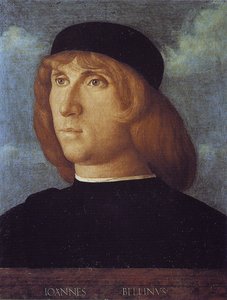
Giovanni Bellini
1433 - 1516 , Włochy
Najważniejsze informacje
- Artistic Movement Or Style: Scuola Veneta
- Artists Or Movements Influenced By This Artist:
- Giorgione
- Titian
- Artists Who Influenced This Artist:
- Jacopo Bellini
- Gentile Bellini
- Andrea Mantegna
- Date Of Birth: c. 1430
- Date Of Death: 1516
- Full Name: Giovanni Bellini
- Nationality: Włoski
- Notable Artworks:
- Madonna Frizioni
- Madonna degli Albarelli
- St. Jerome in the Desert
- Place Of Birth: Wenecja, Italia
Zobacz także powiązane artykuły
Fra Angelico: 25 Arcydzieł Sztuki Włoskiego Renesansu | Reprodukcje Obrazów Online
Odkryj 25 arcydzieł Fra Angelico – mistrza renesansu włoskiego! Poznaj historię, techniki i piękno jego fresków oraz obrazów religijnych. Reprodukcje najwyższej jakości na OriginalUniqueArt.com. Eksploruj kolekcję online!

Giovanni Fattori: Realism, Identity & the Tuscan Landscape – A Macchiaioli Master
Explore the life & art of Giovanni Fattori, a leading figure of the Macchiaioli movement. Discover his revolutionary realism, captivating Tuscan landscapes, and lasting impact on Italian painting. Learn more at OriginalUniqueArt.
Divine Grace: A Journey Through the Most Iconic Depictions of the Virgin Mary in Art History
Embark on a profound journey through art history with our exploration of the most iconic depictions of the Virgin Mary. Discover the divine grace, symbolism, and masterful techniques found in Renaissance masterpieces and sacred iconography.
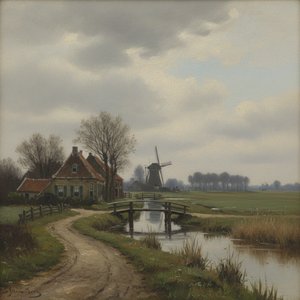
Jacob Henricus Maris: A Master of Dutch Atmospheric Realism & the Intimate Landscape
Explore the captivating world of Jacob Henricus Maris, a leading figure of the Dutch Hague School. Discover his atmospheric landscapes, signature brushstrokes & lasting influence on 19th-century art. Learn more at OriginalUniqueArt.

Giovanni Giacometti: Sculpting Existentialism – A Study of Form, Space, and the Human Condition
Explore the profound artistic journey of Giovanni Giacometti, father to Alberto. Discover his unique transition from Surrealism to Existentialist sculpture and painting – a compelling study for elite collectors and art enthusiasts.