
 Podgląd w skali 1:1
 Wyślij jako kartkę
 Udostępnij
 Szczegóły dzieła
 Przewodnik

 Pobierz obraz
 Podobne obiekty
 RTG
RTG Pokaz slajdów
 Pytania i odpowiedzi
 Statystyki
Cup


 Rozwiń treść
Giclée / Wydruk artystyczny
Wydruki giclée lub płótna o jakości muzealnej, szybka realizacja i szeroki wybór opcji wykończenia. ( Zamów ręcznie malowaną reprodukcję Przejdź do wersji cyfrowej)




P118B zł10

P118H zł10

P118W zł10

P438Z zł10

P508JH zł12

P508YH zł12

P805H zł10

P805Z zł10

P919BZ zł10

P919G zł10

P919XJ zł10

P959ZH zł10

P968JZ zł12

W106C zł8

W218G zł10

W218JH zł8

W218Y zł10

W307PJ zł10

W316G zł10

W316PJ zł8

W316Y zł10

W398PJ zł8

W4111J zł10

W500HY zł15

W500JH zł15

W692G zł12

W849H zł8

W940BG zł15

W953PJ zł8




Wybierz spośród naszych standardowych rozmiarów, które zachowują oryginalne proporcje dzieła sztuki.

Wpisz wymaganą szerokość i wysokość, aby dopasować grafikę do ramy lub ściany. Wydruk można jedynie przyciąć, nigdy nie powiększając go poza oryginalny obraz, dlatego format o innych proporcjach spowoduje utratę części kompozycji. Przed rozpoczęciem druku prześlemy Ci cyfrowy podgląd do zatwierdzenia. Obraz wyświetlany na tej stronie nie pokazuje rzeczywistego przycięcia — jedynie podgląd oddaje ten efekt.
Dostawa na cały świat () w ciągu 2 tygodni zamiast standardowych 4/5 tygodni. (7 Listopad)

Bezpłatna ekspresowa wysyłka na cały świat

Wysokiej jakości płótno lniane

Pełne ubezpieczenie przesyłki

Gwarancja zwrotu należności celnych i podatków importowych

Gwarancja wiernego odwzorowania kolorów

100-dniowa polityka zwrotów (tylko w przypadku wad)

Gwarancja 100% zwrotu pieniędzy

Zniżka przy zakupie wielu sztuk
 Opcja ze szkłem jest dostępna wyłącznie w rozmiarach poniżej 110 cm

Cup
Giclée / Wydruk artystyczny
Wymiary reprodukcji
-


Cena całkowita
zł 317
Giovanni Battista Gariboldi: Cup - A Study in Organic Texture and Serene Green
Giovanni Battista Gariboldi’s 1936 ceramic bowl stands as a testament to the enduring power of Italian craftsmanship and a masterful exploration of natural forms. More than just tableware, it embodies a deliberate aesthetic choice—a commitment to capturing the essence of organic beauty within a meticulously crafted medium.
- Subject Matter: The bowl’s central focus is simplicity itself: a single ceramic vessel designed to hold liquid. However, its unassuming appearance belies a profound consideration for visual harmony and textural richness.
- Style: Gariboldi's work aligns squarely with the principles of ceramic art—a tradition rooted in ancient techniques and celebrated for its ability to transform raw materials into objects of enduring elegance. Influenced by Art Deco sensibilities, it leans towards geometric forms softened by organic contours.
- Technique: The bowl’s surface is achieved through a painstaking process of hand-building – likely utilizing coil construction—followed by careful glazing application. This technique ensures that every piece possesses unique variations in tone and texture, reflecting the inherent irregularities of natural materials.
The glaze itself contributes significantly to the overall impression. Gariboldi skillfully employs a palette dominated by shades of green – from deep olive tones reminiscent of ancient woodlands to lighter hues suggestive of tranquil lagoons. These colors aren’t merely decorative; they evoke feelings of serenity and connection with the natural world.
Historical Context: Created in 1936, Gariboldi's bowl reflects the broader artistic currents of its time—a period marked by a renewed interest in organic forms and a desire to express emotion through visual language. It stands as an exemplar of Italian ceramic art during the Fascist era, showcasing a dedication to tradition while embracing stylistic innovations.
Symbolism: The bowl’s textured surface – resembling a leaf or petal – speaks to themes of growth, fragility, and renewal. These symbols resonate deeply within Pre-Raphaelite aesthetics—a movement that championed idealized beauty and sought inspiration in medieval myths and legends. Gariboldi's piece invites contemplation on the relationship between humanity and nature.
Emotional Impact: Viewing Gariboldi’s bowl is an experience of quiet contemplation. Its understated elegance and harmonious color palette inspire a sense of calm and appreciation for artisanal skill—a reminder that beauty can be found in simplicity and that objects crafted with care hold profound emotional resonance.
Pytania i odpowiedzi
Czy dzieło „Cup” – Giovanni Battista Gariboldi, znajdujące się w zbiorach Zamek Sforzeski, może być legalnie reprodukowane?
Dzieło „Cup” – Giovanni Battista Gariboldi, znajdujące się w zbiorach Zamek Sforzeski, znajduje się w należy do domeny publicznej – autorskie prawa majątkowe wygasły. Status ten określa, czy możliwe jest tworzenie reprodukcji obrazu.
Do którego okresu twórczości Giovanni Battista Gariboldi należy dzieło "Cup"?
W dorobku artystycznym Giovanni Battista Gariboldi dzieło „Cup” przypada na Early Modern. Ten etap pozwala zestawić je z innymi pracami twórcy.
Kto stworzył "Cup" i w jakim roku?
Giovanni Battista Gariboldi, "Cup", 1936 rok
Powiązane artykuły

The Alchemy of Clay: A Collector's Guide to the Mastery, Texture, and Timeless Form of Ceramic Art
Discover the profound beauty of ceramic art. Our expert guide explores the alchemy of clay, texture, and glaze, offering collectors deep insights into mastering earth and fire to create timeless, sculptural masterpieces for any curated collection.

The Art of Ceramics: A Guide to Mastery, Texture, and Timeless Form for the Discerning Collector
Explore the profound elegance of ceramic art. From master glazes to sculptural forms, our expert guide offers discerning collectors deep insights into the mastery, texture, and timeless value of fine ceramics for sophisticated collections and luxury interiors.

Fernand Léger: 25 Arcydzieł Kubizmu i Maszynerii - Kolekcja OriginalUniqueArt
Odkryj 25 arcydzieł Fernanda Légera – pioniera kubizmu i malarstwa maszyn. Poznaj historię, technikę i inspiracje tych ikonicznych obrazów. Reprodukcje najwyższej jakości na OriginalUniqueArt.com! Eksploruj pełną kolekcję online.
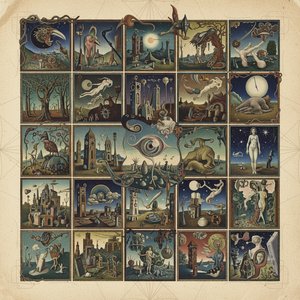
Max Ernst: 25 Arcydzieł Surrealizmu dla Kolekcjonerów i Miłośników Sztuki | OriginalUniqueArt
Odkryj 25 najbardziej fascynujących dzieł Maxa Ernsta – pioniera surrealizmu. Poznaj historię, techniki i inspiracje tego niemieckiego artysty. Reprodukcje obrazów najwyższej jakości na OriginalUniqueArt.com. Eksploruj pełną kolekcję online!

Paul Cézanne: 25 Arcydzieł, które Zrewolucjonizowały Świat Sztuki | OriginalUniqueArt
Odkryj 25 arcydzieł Paula Cézanne'a – od impresjonizmu po postimpresjonizm. Poznaj historie, techniki i inspiracje malarza, który zrewolucjonizował sztukę. Reprodukcje obrazów najwyższej jakości na OriginalUniqueArt.com!