

 Zobacz w skali 1:1
 Wyślij
 Udostępnij
 Szczegóły
 Guide
Guide

 Pobierz plik obrazu
 Podobne obiekty
 RTG
RTG Pokaz slajdów
 Statystyki
Camera obscura


 Czytaj więcej
Kup wysokiej rozdzielczości, ulepszony obraz cyfrowy o jakości znacznie przewyższającej podgląd online.
Każdy plik jest starannie przygotowywany przez naszych specjalistów przy użyciu zaawansowanych narzędzi oraz profesjonalnej, ręcznej retuszy. Dbamy o to, aby każdy obraz cechował się wyjątkową ostrością, precyzyjnym odwzorowaniem kolorów i subtelnymi detalami.
Ostateczny plik dostarczany jest drogą mailową w ciągu 72 godzin, zoptymalizowany do natychmiastowego wykorzystania w profesjonalnych zastosowaniach redakcyjnych i poligraficznych. To ta sama jakość, której ufają czołowe studia projektowe, wydawnictwa oraz galerie sztuki.
Obraz cyfrowy
Pobierz plik o wysokiej rozdzielczości do osobistego użytku, druku oraz projektów kreatywnych. ( Przełącz na wersję drukowaną Kup ręcznie malowany obraz)
W każdym zamówieniu na obraz cyfrowy znajduje się
Profesjonalna dostawa cyfrowa z gwarancją
Wybierając OriginalUniqueArt.com, nie otrzymujesz jedynie obrazu – otrzymujesz profesjonalnie udoskonalone cyfrowe dzieło sztuki, stworzone z najwyższą precyzją i objęte gwarancją satysfakcji. Oto wszystko, co automatycznie dołączane jest do Twojego zamówienia:

Błyskawiczna dostawa e-mailowa
Plik z obrazem cyfrowym w wysokiej rozdzielczości zostanie przesłany na Twój adres e-mail w ciągu 72 godzin od złożenia zamówienia – gotowy do natychmiastowego użycia.

Plik cyfrowy ulepszony przez AI
Twoja grafika została profesjonalnie zoptymalizowana przy użyciu zaawansowanych narzędzi AI oraz ręcznej edycji, co zapewnia maksymalną szczegółowość, klarowność i wierność kolorów.

Bezpłatna dożywotnia ponowna dostawa
Przypadkowo usunąłeś lub zgubiłeś swój plik? Bez obaw – prześlemy go Tobie ponownie w dowolnym momencie, bez żadnych opłat.

Bez opłat importowych – zawsze
Ciesz się swoją sztuką natychmiast, bez żadnych opłat celnych, należności ani kosztów dostawy – pliki cyfrowe są zawsze wolne od podatku.

Gwarancja odwzorowania kolorów
Dzięki zastosowaniu profesjonalnych narzędzi i procesów zarządzania barwą zapewniamy, że Twoje cyfrowe zdjęcie odzwierciedla oryginalne kolory tak wiernie, jak to tylko możliwe.

100 dni na satysfakcję
Jeśli nie będziesz zadowolony ze swojego cyfrowego obrazu, poprawimy go lub zwrócimy 100% kosztów w ciągu 100 dni – bez zbędnych pytań.

100% Gwarancja zwrotu pieniędzy
Nie jesteś zadowolony? Otrzymaj pełny zwrot kosztów w ciągu 100 dni od otrzymania pliku cyfrowego – bez zbędnych pytań.

Rabaty przy zamówieniach hurtowych
Kup 3 obrazy, oszczędź 10% - Kup 5, oszczędź 15% - Kup 10+, oszczędź 20%. Idealne do projektów kreatywnych, galerii i agencji.
A Sculptural Echo of Light and Vision
Canaletto’s “Camera Obscura,” a meticulously crafted wooden device dating back to around 1700, isn't merely a reproduction; it’s a tangible embodiment of the revolutionary vision that shaped his artistic practice. This intimate sculpture, presented against a stark black backdrop, immediately draws the eye, inviting us into a world where light and shadow dance in harmonious collaboration. The piece speaks volumes about Canaletto’s innovative approach to capturing reality – an approach deeply rooted in observation and a fascination with the mechanics of vision itself. The geometric precision of the boxy structure, constructed from carefully joined wooden panels, suggests both the artist's meticulousness and a profound understanding of spatial relationships. It’s not simply a representation of a camera obscura; it *is* the camera obscura, distilled into its essential form.
- Material & Construction: The use of wood – likely stained or varnished to preserve its beauty – speaks to Canaletto's appreciation for tactile quality and enduring craftsmanship. The intricate joinery hints at a deliberate process, reflecting the artist’s careful attention to detail.
- Form & Composition: The vertical orientation emphasizes the height and solidity of the device, creating a sense of direct engagement with the viewer. Lines dominate – sharp, clean lines defining the boxy structure, contrasting with the subtle texture of the wood grain.
- Symbolic Weight: The camera obscura itself represents a pivotal moment in art history—a precursor to photography and a testament to Canaletto’s pioneering spirit. It embodies the pursuit of accurate representation, challenging traditional methods and opening new avenues for artistic expression.
Unlocking the Secrets of Early Photography
Canaletto's fascination with the camera obscura wasn't simply an aesthetic curiosity; it was a deeply practical investigation into how light and shadow create images. The inscription on the device – “A Camera Obscura” – provides a crucial clue, revealing that this object belonged to the Venetian master himself. This discovery dramatically shifts our understanding of Canaletto’s process: he didn't just paint what he saw; he actively *observed* how light transformed his surroundings into visual forms. Research suggests that Canaletto utilized the camera obscura as a tool for sketching, meticulously documenting architectural details and urban landscapes with unprecedented accuracy. The device allowed him to capture perspective and spatial relationships with remarkable precision – a skill that profoundly influenced his later paintings.
Historical Context:The invention of the camera obscura in the 16th century marked a watershed moment in art history. Initially used as a scientific instrument for astronomical observation, it quickly gained popularity among artists seeking to improve their draftsmanship and understand perspective. Canaletto’s embrace of this technology demonstrates his commitment to innovation and his desire to push the boundaries of artistic representation.
A Window into Venice: The Artist's Process
The “Camera Obscura” offers a rare glimpse into Canaletto’s working methods. It’s believed that he used this device not just for sketching, but also as a means of studying light and shadow—analyzing how they interacted with buildings and streets to create the illusion of depth and volume. The resulting drawings were then translated into his celebrated paintings, imbuing them with an extraordinary sense of realism and atmospheric detail. The meticulousness evident in the camera obscura’s construction mirrors the painstaking care Canaletto invested in every brushstroke of his finished works. It's a testament to his dedication to capturing not just appearances, but also the very essence of Venice.
Recreating a Masterpiece: A Reproduction for Today
Reproducing Canaletto’s “Camera Obscura” is more than simply creating a copy; it’s about preserving a vital piece of art history and celebrating the ingenuity of one of Venice's greatest artists. The resulting reproduction captures not only the physical form of the device but also its symbolic significance—a reminder of the enduring power of observation, innovation, and the pursuit of accurate representation. This meticulously crafted replica serves as a tangible link to the 18th century, inviting viewers to contemplate the origins of photography and appreciate Canaletto’s pioneering legacy.
Biografia artysty
early life and training
Giovanni Antonio Canal, better known as Canaletto, was born on October 18, 1697, in the heart of Venice – a city he would dedicate his entire artistic career to capturing. His early years were steeped in the world of theatrical scenery; his father, Bernardo Canal, was a skilled painter specializing in creating backdrops for Venetian opera productions. This formative environment instilled in young Giovanni an appreciation for composition, perspective, and the dramatic use of light – skills that would later become hallmarks of his distinctive style. Artemisia Barbieri, his mother, further nurtured his artistic sensibilities, providing him with a foundation in drawing and observation. Canaletto’s initial training wasn't solely focused on grand landscapes; he learned the fundamentals of painting through his father’s work, absorbing techniques for creating convincing illusions of depth and space within theatrical settings. This early exposure to stagecraft undoubtedly shaped his later approach to depicting urban environments – a meticulous attention to detail and an understanding of how to guide the viewer's eye through a complex scene.the making of a master: Rome and the Opera
In 1718, at the age of twenty-one, Canaletto embarked on a significant chapter in his artistic development by traveling to Rome. This journey marked a pivotal shift from theatrical scenery to more independent painting. He found work assisting Alessandro Scarlatti, a renowned composer, creating elaborate sets for two operas – an experience that profoundly influenced his artistic vision. Working within the demanding world of opera production honed his skills in drafting precise perspective drawings and understanding how to create convincing illusions of space on stage. The vibrant colors, dynamic compositions, and theatrical lighting he witnessed during this period undoubtedly left a lasting impression, contributing to the richness and dramatic quality characteristic of his later Venetian views. It was here that Canaletto began to develop his signature topographical style – a method of representing cities and landscapes with remarkable accuracy and detail.a venetian perspective: topographical mastery
Upon returning to Venice in 1720, Canaletto quickly established himself as one of the leading veduta painters of his time. Vedute, meaning “views” in Italian, were meticulously rendered depictions of urban landscapes – a genre that had gained popularity throughout Europe during the 18th century. Canaletto’s approach was revolutionary; he didn't simply paint what he saw but rather created detailed records of Venice, capturing its intricate network of canals, bridges, and buildings with astonishing precision. He employed a systematic method, making numerous preparatory sketches – often using a camera obscura (though the extent to which he utilized this device remains debated by art historians) – before committing his observations to canvas. His paintings weren’t merely accurate reproductions; they were carefully composed works of art, designed to evoke a sense of atmosphere and place. He skillfully used light and shadow to create depth and perspective, transforming ordinary cityscapes into captivating scenes that reveal the beauty and complexity of Venetian life.notable works and collaborations
Canaletto’s artistic output was prolific, encompassing a vast range of subjects – from grand public buildings like the Rialto Bridge and St. Mark's Square to bustling market scenes and intimate interiors. Some of his most celebrated works include “The Stonemason’s Yard” (circa 1725), a vibrant depiction of a busy workshop that showcases his early skill in capturing detail and atmosphere; “Regatta on the Grand Canal” (1730), a lively portrayal of a Venetian boat race, brimming with color and movement; and "Eton College" (1746-1756), a testament to his influence in England, where he painted several views of Cambridge. Crucially, Canaletto’s artistic journey was inextricably linked to the work of his nephew, Bernardo Bellotto. They collaborated closely for many years, sharing techniques and influencing each other's style – though it is often difficult to discern precisely who executed which elements of a shared composition. This partnership significantly expanded their collective output and cemented their place as leading veduta painters.legacy and influence
Canaletto’s work exerted a profound and lasting impact on 18th-century art, particularly in the development of the veduta genre. His meticulous attention to detail, his skillful use of perspective, and his ability to capture the atmosphere of Venice inspired countless artists – including his nephew Bernardo Bellotto and later generations of landscape painters. His paintings are now housed in prestigious museums around the world, including the National Gallery in London, where they serve as a powerful reminder of Venice’s beauty and Canaletto's extraordinary artistic legacy. His influence can still be felt today, as artists continue to draw inspiration from his masterful depictions of urban landscapes. The Palumbo-Fossati Collection in Venice offers a particularly comprehensive view of his oeuvre, allowing visitors to immerse themselves in the world of this remarkable Venetian artist. Remember to explore more about Canaletto at https://OriginalUniqueArt.com/@/giovanni-antonio-canal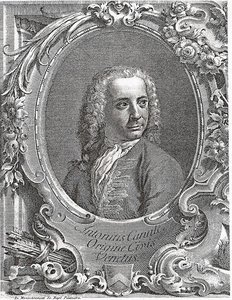
Canaletto
1697 - 1768 , Włochy
Najważniejsze informacje
- Artistic Movement Or Style: Vedute Wenecji
- Artists Or Movements Influenced By This Artist: ['Giovanni Paolo Pannini']
- Artists Who Influenced This Artist: ['Tintoretto']
- Date Of Birth: 18 paź 1697
- Date Of Death: 19 kwie 1768
- Full Name: Giovanni Antonio Canal
- Nationality: Włoski
- Notable Artworks:
- Dom kamieniarskiej
- Regata na Canale Grande
- Eton College
- Place Of Birth: Wenecja, Włochy