
 Przełącz na wydania drukowane
 Rozwiń treść







































 W przypadku dzieł sztuki lub reprodukcji, których którykolwiek z boków przekracza 105 cm (około 41 cali), rama zostanie wysłana w formie zestawu do samodzielnego montażu. Metoda ta zapewnia bezpieczną dostawę i zapobiega uszkodzeniom podczas transportu.


Giotto di Bondone’s “Last Supper”: A Revolutionary Dawn of Renaissance Art
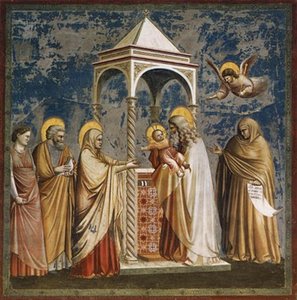
“Last Supper,” painted by Giotto di Bondone around 1304-1306 within the Scrovegni Chapel in Padua, Italy, stands as an undeniable cornerstone of Proto-Renaissance art and a pivotal moment in Western artistic history. More than just a depiction of Jesus’s final meal with his disciples—a scene recounted in Christian scripture—it represents a dramatic departure from Byzantine conventions, marking the genesis of a new aesthetic sensibility that would profoundly influence generations of artists to come.
- The Shift Away From Byzantium: Before Giotto, religious art predominantly favored stylized figures rendered in flattened perspectives and adorned with shimmering gold backgrounds—visual cues designed to elevate the spirit rather than accurately represent earthly reality. Byzantine art prioritized symbolic grandeur over naturalistic observation; Giotto fundamentally challenged this paradigm.
- Emotional Depth & Spatial Realism: Giotto’s genius resided in his ability to infuse biblical narrative with palpable human emotion. Unlike predecessors who treated figures as static icons, he captured the psychological complexity of each apostle—shock, denial, anger, and confusion—responding authentically to Christ’s announcement regarding betrayal. Simultaneously, he achieved unprecedented spatial depth through innovative perspective techniques, grounding the scene within a recognizable architectural setting – an intimate dining hall – that drew viewers into the drama unfolding before their eyes.
Breaking Tradition: Style and Technique - A Bold Experiment
Giotto’s stylistic innovations extended beyond mere emotional portrayal; they encompassed groundbreaking technical advancements. He eschewed the gilded splendor of Byzantine art, opting for a simple yet effective architectural backdrop that established a foundation of realism. Crucially, he pioneered the use of linear perspective—a technique previously largely absent from Western painting—creating convincing illusion of depth and enhancing the viewer’s immersion in the scene.
- Fresco Technique: Giotto skillfully employed fresco – applying pigment mixed with water onto wet plaster – a method perfected by Byzantine artists but rarely utilized with such expressive power. This technique ensured vibrant colors and remarkable durability, though centuries of weathering have diminished the original brilliance of the chapel’s murals.
- Modeling & Drapery: The figures themselves were rendered with meticulous attention to detail—subtle modeling of form and drapery conveying a sense of volume and texture that mirrored the natural world. Giotto's mastery was evident in every brushstroke, capturing the essence of human anatomy with unprecedented accuracy.
Composition & Symbolism: Balancing Drama & Reverence
The composition of “Last Supper” is carefully balanced yet dynamic—Christ remains at the center, radiating serenity despite the turbulent reactions of his disciples. This juxtaposition underscores the profound theological implications of the scene – the confrontation between divine grace and human fallibility.
- Architectural Setting: The dining hall’s architectural framework serves as a visual anchor, emphasizing the intimacy of the moment and grounding the narrative in earthly reality.
- Symbolic Elements: The bread and wine—central symbols of Eucharist—represent spiritual nourishment and communion, reinforcing the theological significance of Jesus's final meal with his followers.
A Legacy Enduring Through Time
"Last Supper" continues to captivate audiences centuries after its creation, serving as an enduring testament to Giotto’s artistic vision and marking a watershed moment in the history of Western art. Its influence can be seen throughout subsequent Renaissance masterpieces—a legacy born from a courageous embrace of naturalism and emotional truth.
Pytania i odpowiedzi
Jaki układ ma „Ostatnia Eucharystia” – Giotto di Bondone?
Dzieło „Ostatnia Eucharystia” – Giotto di Bondone ma format Kwadrat. Format ten określa proporcje kompozycji.
Jaką kolorystykę wykorzystuje "Ostatnia Eucharystia"?
„Ostatnia Eucharystia” – Giotto di Bondone wykorzystuje Barwy ziemi paletę barw, która definiuje ogólny charakter kolorystyczny dzieła.
Jaki nastrój i emocje łączą się w "Ostatnia Eucharystia"?
W "Ostatnia Eucharystia" nastrojowi Dramatyczny towarzyszy emocja Duchowy.
 Podgląd w skali 1:1
 Wyślij jako kartkę
 Udostępnij
 Szczegóły dzieła
 Przewodnik

 Pobierz obraz
 Podobne obiekty
 RTG
RTG Pokaz slajdów
 Pytania i odpowiedzi
 Statystyki








![Skrovegniego - Ostatni Sąd (szczegół) [03]](/media/artworks/images-thumb/7d/a9/7da93e3737abc9f37453cee26f9f9796.jpg)
