
 Przełącz na wydania drukowane
 Rozwiń treść







































 W przypadku dzieł sztuki lub reprodukcji, których którykolwiek z boków przekracza 105 cm (około 41 cali), rama zostanie wysłana w formie zestawu do samodzielnego montażu. Metoda ta zapewnia bezpieczną dostawę i zapobiega uszkodzeniom podczas transportu.


Giotto’s Nativity: A Revolution in Religious Painting
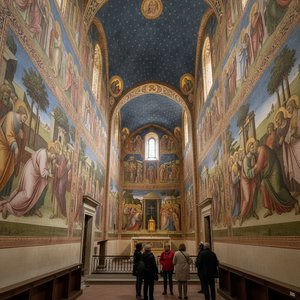
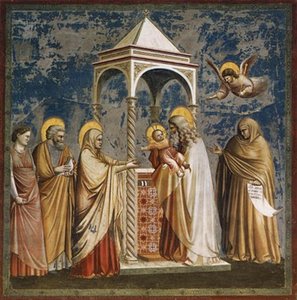
Giotto di Bondone's *Nativity*, painted in 1306 as part of the breathtaking fresco cycle within the Scrovegni Chapel in Padua, Italy, represents a monumental leap forward in Western art history. It transcends mere depiction; it embodies a fundamental reimagining of religious storytelling—a shift from stylized Byzantine conventions to the burgeoning naturalism that would herald the Renaissance. Giotto didn’t simply portray Jesus' birth; he fundamentally altered how artists approached sacred narratives, imbuing his scenes with unprecedented emotional resonance and palpable human connection. This artwork isn’t just visually stunning; it’s a testament to artistic innovation and spiritual contemplation.Breaking from Tradition: Artistic Style & Technique
Prior to Giotto, biblical representations frequently prioritized symbolic representation over realistic observation. Figures were typically flattened, elongated, and positioned against backgrounds dominated by gold leaf—a deliberate choice designed to elevate them beyond earthly concerns and emphasize their divine significance. Giotto decisively rejected this established paradigm. He championed a more naturalistic style, grounding his figures within spatial depth using rudimentary perspective – an audacious concept for the era that challenged prevailing artistic dogma. His masterful manipulation of *chiaroscuro*, the interplay between light and shadow, lends volume and weight to his forms, creating an illusion of three-dimensionality that was revolutionary for its time. The fresco technique itself—applying pigment directly onto wet plaster—necessitated swift execution and meticulous planning—skills Giotto honed with exceptional precision. While the palette remained restrained compared to subsequent Renaissance explorations, the colors employed contribute significantly to the scene’s overall clarity and luminosity.A Scene of Humble Majesty: Composition & Narrative
The *Nativity* meticulously arranges its figures into a dynamic composition that conveys both reverence and understated emotion. Giotto deliberately avoids rigid poses; instead, he depicts his subjects interacting organically—gestures conveying awe, wonder, and quiet joy. Observe Mary’s posture as she gazes tenderly upon her newborn son – an expression of maternal devotion mirroring Joseph's watchful concern. Angels descend from above, proclaiming the miraculous birth of Jesus, their movements imbued with grace and divine authority. The careful positioning of animals—a donkey and sheep—serves as a poignant symbol of humility and innocence, anchoring the narrative in earthly realities alongside its celestial counterpart. Giotto’s genius lies not merely in his technical prowess but also in his ability to communicate profound spiritual truths through visual storytelling.The Fresco Technique: Innovation & Craftsmanship
Giotto's mastery extended beyond stylistic choices; he perfected the fresco technique—a demanding process requiring rapid application of pigment onto wet plaster—demonstrating remarkable artistic discipline and technical skill. This method necessitated careful planning and precise execution, reflecting the intellectual fervor of the period. The resulting surface possesses a distinctive texture – subtly rough yet remarkably smooth—resulting from the layering of tempera paint over gesso panels. This technique ensured exceptional durability and color vibrancy, guaranteeing that Giotto’s masterpiece would endure for centuries to come.Symbolism & Emotional Impact: Reflecting Renaissance Values
The *Nativity* resonates deeply with viewers through its evocative portrayal of faith, compassion, and the transformative power of divine grace. The scene embodies core humanist values—emphasizing human dignity and emotional vulnerability—a hallmark of the burgeoning Renaissance spirit. Giotto’s work serves as a powerful reminder that art can transcend mere visual beauty to inspire contemplation and foster spiritual understanding. It remains an enduring symbol of hope and renewal, captivating audiences across generations with its timeless message of love and devotion.Pytania i odpowiedzi
Czy dzieło "Narodziny Jezusa" posiada podgląd w rozszerzonej rzeczywistości?
Dzieło „Narodziny Jezusa” – Giotto di Bondone możesz zobaczyć na własnej ścianie dzięki stronie Podgląd w AR, wykorzystując rozszerzoną rzeczywistość na kompatybilnym urządzeniu.
Jaki rozmiar wydruku „Narodziny Jezusa” – Giotto di Bondone będzie odpowiedni do zalecanego pomieszczenia?
Dla Salon lub strefa dzienna zalecany rozmiar wydruku dzieła „Narodziny Jezusa” – Giotto di Bondone to Duży format.
W jaki sposób tematyka dzieła "Narodziny Jezusa" odnosi się do typowych motywów twórczości Giotto di Bondone?
„Narodziny Jezusa” przedstawia nativity, religious painting, giotto, medieval art, perspective, florence, scrovegni chapel, italian renaissance, podczas gdy powracające motywy u Giotto di Bondone to byzantine legacy, human emotion depth, religious narrative, spatial illusion, giotto’s innovation. Porównanie tych dwóch elementów ukazuje, jak dzieło nawiązuje do typowej dla tego artysty tematyki.
 Podgląd w skali 1:1
 Wyślij jako kartkę
 Udostępnij
 Szczegóły dzieła
 Przewodnik

 Pobierz obraz
 Podobne obiekty
 RTG
RTG Pokaz slajdów
 Pytania i odpowiedzi
 Statystyki






![Skrovegniego - Ostatni Sąd (szczegół) [03]](/media/artworks/images-thumb/7d/a9/7da93e3737abc9f37453cee26f9f9796.jpg)
