

 Podgląd w skali 1:1
 Wyślij jako kartkę
 Udostępnij
 Szczegóły dzieła
 Przewodnik

 Pobierz obraz
 Podobne obiekty
 RTG
RTG Pokaz slajdów
 Statystyki
The Last Judgment (detail)


 Rozwiń treść
Ręcznie malowana reprodukcja olejowa
Ręcznie malowany obraz olejny na płótnie, wykonany na zamówienie przez naszych artystów w wybranym przez Ciebie wymiarze i oprawie. ( Przełącz na wydania drukowane Przejdź do wersji cyfrowej)




P118B zł10

P118H zł10

P118W zł10

P438Z zł10

P508JH zł12

P508YH zł12

P805H zł10

P805Z zł10

P919BZ zł10

P919G zł10

P919XJ zł10

P959ZH zł10

P968JZ zł12

W106C zł8

W218G zł10

W218JH zł8

W218Y zł10

W307PJ zł10

W316G zł10

W316PJ zł8

W316Y zł10

W398PJ zł8

W4111J zł10

W500HY zł15

W500JH zł15

W692G zł12

W849H zł8

W940BG zł15

W953PJ zł8




Wybierz spośród naszych standardowych rozmiarów, które zachowują oryginalne proporcje dzieła sztuki.

Wpisz wymaganą szerokość i wysokość, aby obraz pasował do Twojej ramy lub ściany. Ponieważ jest to dzieło malowane ręcznie, w przypadku rozmiaru o innych proporcjach artysta może domalować nieco więcej wokół obrazu lub przyciąć jego fragmenty — wybór należy do Ciebie. Przed rozpoczęciem pracy prześlemy Ci cyfrową wizualizację do zatwierdzenia. Obraz widoczny na tej stronie nie przedstawia rzeczywistego efektu — jedynie wizualizacja oddaje realny rezultat.
Po złożeniu zamówienia zespół OriginalUniqueArt.com skontaktuje się z klientem drogą mailową w celu uzyskania instrukcji i prześle wizualizację projektu
Dostawa na całym świecie () w ciągu 3–4 tygodni zamiast standardowych 5 tygodni. (28 Październik). Bez kompromisów w kwestii jakości.

Bezpłatna ekspresowa wysyłka na cały świat

Wysokiej jakości płótno lniane

Pełne ubezpieczenie przesyłki

Gwarancja zwrotu należności celnych i podatków importowych

Gwarancja wiernego odwzorowania kolorów

100-dniowa polityka zwrotów (tylko w przypadku wad)

Gwarancja 100% zwrotu pieniędzy

Zniżka przy zakupie wielu sztuk
 Opcja ze szkłem jest dostępna wyłącznie w rozmiarach poniżej 110 cm

The Last Judgment (detail)
Technika reprodukcji
Wymiary reprodukcji
-


Cena całkowita
zł 1153
A Symphony of Divine Drama: The Last Judgment Fresco
Within the soaring dome of Florence’s Duomo, a monumental fresco unfolds – Giorgio Vasari and Federico Zuccari's “The Last Judgment,” completed between 1572 and 1579. More than just a depiction of biblical narrative, it is an immersive experience, a theatrical tableau of judgment, salvation, and the eternal consequences of earthly choices. The sheer scale—over 3,600 square meters—immediately overwhelms the viewer, drawing them into a world of swirling figures, dramatic light, and profound emotional weight. It’s a testament to the Renaissance ambition to capture not just reality but also the very essence of faith and mortality.
The fresco's genesis lies in a commission from Grand Duke Cosimo I de’ Medici, who envisioned a cycle of images that would narrate the entire story of humanity – from creation to judgment. Vasari, already a celebrated architect and painter, spearheaded the project, meticulously planning the composition and overseeing its execution. He initially painted the uppermost registers, employing his signature style characterized by dynamic figures and intricate detail, before Zuccari stepped in to complete the lower sections, bringing his own expertise in dry painting – working on plaster rather than wet fresco – to bear on the monumental undertaking.
A Complex Iconography: Layers of Meaning
The composition is a masterclass in Renaissance iconography. The fresco is organized into eight distinct horizontal bands, each representing a different aspect of the divine judgment. At the apex, twenty-four elders, reminiscent of figures from the Book of Revelation, gaze upon Christ, the central figure presiding over the scene. Below them, a procession of angels bearing instruments of the Passion – swords, spears, and crowns of thorns – underscores the sacrifice of Jesus. The lower registers depict a vibrant array of saints, martyrs, and biblical figures, each embodying virtues and offering their support to those ascending to heaven.
Crucially, the fresco also portrays the depths of hell. The final band showcases seven regions of torment, vividly illustrating the consequences of sin – from the flames of lust to the icy grip of eternal despair. This stark contrast between salvation and damnation is not merely a theological statement; it’s a powerful visual metaphor for the choices that define human existence. The figures themselves are rendered with an astonishing level of realism, capturing a range of emotions—fear, hope, regret, and defiance—that resonate deeply with the viewer.
Technique and Materials: A Monumental Achievement
The fresco’s scale demanded innovative techniques. Vasari and Zuccari employed a complex system of scaffolding and temporary supports to ensure the plaster remained workable throughout the lengthy process. Zuccari's use of *secco* painting – applying pigments directly onto dry plaster – allowed for greater detail and precision in the lower registers, compensating for the limitations of fresco painting on such a vast scale. The vibrant colors were achieved using pigments derived from minerals, plants, and animal products, meticulously ground and mixed with water to create a durable and luminous finish.
The use of light is particularly striking. Vasari masterfully manipulates chiaroscuro – the contrast between light and dark – to draw attention to key figures and dramatic moments. The overall effect is one of overwhelming grandeur, inviting viewers to contemplate their own place within this epic narrative of salvation and judgment. The fresco remains a breathtaking achievement of Renaissance art, a testament to the skill, ambition, and spiritual vision of its creators.
Pytania i odpowiedzi
Jakie emocje budzi „The Last Judgment (detail)” – Giorgio Vasari?
W "The Last Judgment (detail)" nastrojowi Dramatic towarzyszy emocja Powerful.
Czy "The Last Judgment (detail)" wpisuje się w typową tematykę twórczości Giorgio Vasari?
„The Last Judgment (detail)” przedstawia last judgment, christ, heaven, hell, saints, angels, judgement, resurrection, podczas gdy powracające motywy u Giorgio Vasari to michelangelo’s biblical vision, florentine civic, religious power, roman classical ideals blend, centralized divine judgment theme, sistine chapel's monumental scale. Porównanie tych dwóch elementów ukazuje, jak dzieło nawiązuje do typowej dla tego artysty tematyki.
Jaki klimat wnosi „The Last Judgment (detail)” – Giorgio Vasari do wnętrza?
Dramatic atmosfera dzieła „The Last Judgment (detail)” – Giorgio Vasari idealnie współgra z polecaną przestrzenią: jest nią Living Room.
Biografia artysty
A Life Woven into the Renaissance Fabric
Giorgio Vasari, born in Arezzo, Tuscany, on July 30, 1511, was more than simply a painter; he was a quintessential embodiment of the Italian Renaissance spirit. His life unfolded as a vibrant tapestry woven with threads of artistic creation, architectural innovation, insightful historical writing, and an unwavering dedication to celebrating the masters who came before him. From his earliest training under Guglielmo da Marsiglia, a skilled artisan in stained glass, young Giorgio’s path was steered towards visual artistry. However, it was his move to Florence at sixteen that truly ignited his potential. Immersing himself within the dynamic circle of Andrea del Sarto and absorbing the influences of Rosso Fiorentino and Jacopo Pontormo, Vasari began a journey that would see him become one of the most influential figures of his era. His formative years were also deeply marked by the patronage and friendship of the powerful Medici family, a relationship that would shape both his career and his perspective on art’s role in society.The Artist's Hand and Eye
Vasari’s artistic style is often categorized as Mannerist, reflecting the prevailing aesthetic trends of the mid-16th century. His paintings are characterized by elongated figures, dynamic compositions, and a sophisticated use of color—qualities highly admired during his lifetime. While perhaps not achieving the same level of enduring fame as some of the artists he chronicled, Vasari’s skill was undeniable. Notable works such as *The Studio of the Painter*, a fresco housed in Casa Vasari in Arezzo, offer a fascinating glimpse into the artistic practices of the time. The sheer scale and ambition of his frescoes for the Palazzo Vecchio in Florence, undertaken between 1555 and 1572, demonstrate his mastery of large-scale decorative schemes. His final monumental undertaking, *The Last Judgement*, adorning the cupola of Florence Cathedral—completed after his death by Federico Zuccari—stands as a testament to his unwavering commitment to grand artistic visions. Beyond painting, Vasari’s architectural contributions were equally significant. He designed the elegant loggia of the Palazzo degli Uffizi, transforming it into a public piazza and creating a vital link within Florence's urban landscape. Perhaps most famously, he conceived and oversaw the construction of the Vasari Corridor, a secret passageway connecting the Uffizi Gallery with the Palazzo Pitti—a feat of engineering and architectural ingenuity that continues to captivate visitors today.A Historian Forging a Legacy
However, it is arguably as an art historian that Giorgio Vasari secured his most lasting legacy. His monumental work, *Lives of the Most Excellent Painters, Sculptors, and Architects*, published in 1550 (with a revised edition in 1568), revolutionized the way art was understood and appreciated. This groundbreaking text wasn’t merely a collection of biographies; it established a narrative framework for the development of Italian Renaissance art, tracing its evolution from the early masters like Cimabue and Giotto to his contemporaries Michelangelo and Raphael. Vasari's work introduced the very concept of the “Renaissance” – a rebirth of classical ideals—and laid the foundation for modern art history as a discipline. While acknowledging that Vasari’s accounts are not without their biases and inaccuracies, particularly concerning artists predating his own time, the impact of *Lives* remains profound. It provided a crucial historical context for artistic creation, elevating the status of artists from skilled craftsmen to intellectual figures worthy of scholarly attention.Influences and Enduring Significance
Vasari’s artistic development was profoundly shaped by his exposure to the works of Renaissance masters. His visit to Rome in 1529, where he studied the art of Raphael and other High Renaissance artists, proved pivotal. He absorbed their principles of composition, anatomical accuracy, and idealized beauty, incorporating them into his own style. Michelangelo, whom Vasari greatly admired, exerted a particularly strong influence on both his painting and architecture. The grandeur and dynamism characteristic of Michelangelo’s work are evident in many of Vasari’s projects. Beyond specific artists, the broader intellectual currents of the Renaissance—humanism, classical learning, and a renewed interest in empirical observation—also informed Vasari's approach to art and history. Giorgio Vasari died on June 27, 1574, in Florence, leaving behind a multifaceted legacy that continues to resonate today. He was not only a talented artist and architect but also a pioneering historian whose writings shaped our understanding of one of the most transformative periods in Western art history. His work remains essential for anyone seeking to explore the rich cultural heritage of the Italian Renaissance.Major Achievements
- *The Lives of the Most Excellent Painters, Sculptors, and Architects* (1550 & 1568): This seminal text established Vasari as a foundational figure in art history, shaping how we understand the Renaissance.
- Frescoes for Palazzo Vecchio: His monumental frescoes demonstrate his mastery of large-scale decorative schemes and reflect the grandeur of Florentine civic life.
- Design of the Uffizi Gallery Loggia: This elegant loggia transformed the Uffizi into a vibrant public space, showcasing Vasari’s architectural vision.
- Construction of the Vasari Corridor: A remarkable feat of engineering and architecture, connecting the Uffizi with the Palazzo Pitti.
- Restoration of Santa Croce and Santa Maria Novella: His work on these significant Florentine churches reflects his commitment to preserving and enhancing artistic heritage.
Key Influences
Early Training:** Guglielmo da Marsiglia (stained glass), Giovanni Pollio Lappoli (humanistic education). These early influences shaped Vasari’s foundational skills and intellectual interests. Renaissance Masters:** Andrea del Sarto, Michelangelo, Raphael. Vasari deeply admired these masters, incorporating their techniques and ideals into his own work. Humanist Thought:** The principles of humanism—emphasizing classical learning, empirical observation, and the value of human potential—guided Vasari’s approach to art and history.
Giorgio Vasari
1511 - 1574 , Włochy
Krótka nota
- Artistic Movement Or Style: Mannernismo
- Artists Or Movements Influenced By This Artist: ['Renesans włoski']
- Artists Who Influenced This Artist:
- Andrea del Sarto
- Michał Anioł
- Date Of Birth: 30 lipca 1511
- Date Of Death: 27 czerwca 1574
- Full Name: Giorgio di Antonio Vasari
- Nationality: Włoski
- Notable Artworks:
- Studio Malarza
- Ostatnia Sądzba
- Place Of Birth: Arezzo, Włochy
Powiązane artykuły
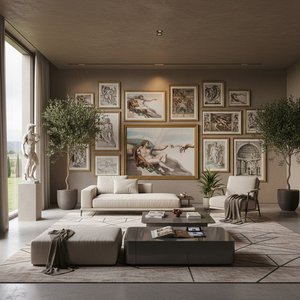
Michelangelo Buonarroti: 25 Arcydzieł Genialnego Mistrza | OriginalUniqueArt.com
Odkryj 25 arcydzieł Michelangelo Buonarroti – od Pietà po Kaplicę Sykstyńską. Poznaj historię, technikę i piękno renesansowych fresków i rzeźb. Reprodukcje obrazów najwyższej jakości na OriginalUniqueArt.com! Eksploruj kolekcję online.

Mastering the Heavens: A Definitive Guide to the Sistine Chapel's Renaissance Masterpieces
Embark on a sophisticated journey through the Sistine Chapel. Discover the profound artistry of Michelangelo’s frescoes, from the iconic ceiling to the altar wall, through an expert exploration of Renaissance mastery and theological depth.

The Enduring Legacy of Fresco Painting: Techniques, History & Contemporary Relevance
Explore the rich history & enduring artistry of fresco painting – from Giotto to Michelangelo! Discover techniques, conservation efforts, & modern applications. Learn how OriginalUniqueArt brings this timeless art form to your home.
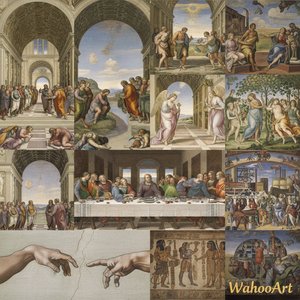
10 Legendarnych Fresków, Które Na Zawsze Zmieniły Sztukę | OriginalUniqueArt
Odkryj 10 legendarnych fresków renesansu i baroku! Poznaj historie Leonarda da Vinci, Michała Anioła i Rafaela. Inspiracje wnętrzarskie i reprodukcje obrazów najwyższej jakości na OriginalUniqueArt.com – sztuka dla Twojego domu.

Fresk jako Rodzinna Spuścizna: Utrwalenie Dziedzictwa na Ścianach
Odkryj sztukę fresku! Poznaj historię, technikę i inspiracje. Zamów spersonalizowany fresk rodzinny – trwałe dzieło sztuki dla przyszłych pokoleń. Profesjonalna konserwacja i ochrona.


