Northern Renaissance · 1598
Forest Landscape (Gillis Van Coninxloo, 1598)
Gillis Van Coninxloo (1544–1607) stworzył Forest Landscape. Dzieło pochodzi z 1598. Należy do nurtu Northern Renaissance. Wykonano w technice Oil On Panel. Przechowywane jest w Liechtenstein Museum w Wiedeń, Austria. Wymiary to 42 × 61 cm.
- 1598
- Oil On Panel
- 42 × 61 cm
- Liechtenstein Museum, Wiedeń

 Podgląd w skali 1:1

 Ręcznie malowany obraz olejny
 Wyślij jako kartkę
 Udostępnij
 Karta informacyjna


 Pobierz obraz
 Podobne obiekty
 RTG
 Pokaz slajdów
 Pytania i odpowiedzi

 Statystyki
Forest Landscape w skrócie
- Tytuł
- Forest Landscape
- Artysta
- Gillis Van Coninxloo (1544–1607)
- Miejsce urodzenia artysty
- Antwerpia, Belgia
- Data powstania
- 1598
- Technika wykonania
- Oil On Panel
- Wymiary
- 42 × 61 cm
- Gdzie można je zobaczyć
- Liechtenstein Museum, Wiedeń, Austria
- Epoka
- Early Modern
- Temat
- forest landscape, dark woods, path, village view, atmospheric, tranquility
Co przedstawia Forest Landscape?
Identification of the Forest Landscape Artwork
The artwork titled Forest Landscape is a painting by the Flemish artist Gillis Van Coninxloo. Executed in 1598, this work is an oil on panel. The physical dimensions of the piece are 42 x 61 cm. It is currently held within the Liechtenstein Museum in Vienna, Austria.
This specific composition depicts a dense woodland environment. The scene features a winding path that leads into a thicket of trees. The foliage consists of various shades of green, while the trunks and branches create a heavy canopy overhead. In the background, a small village is visible through the gaps in the trees, providing a sense of distance within the forest setting.
The subject matter focuses on the natural world, specifically the textures of bark, leaves, and moss. A single, small human figure is positioned beneath a tree within the landscape. The composition utilizes a dark palette of browns, greens, and ochres to define the wooded area. Light filters through the upper branches, creating a contrast between the shadowed recesses of the undergrowth and the illuminated patches of the clearing.
Composition and Visual Elements
The composition is largely symmetrical, organized around a winding path that leads the eye toward the center of the image. This path cuts through a dense woodland, where the trunks and branches of trees intertwine to form a thick canopy overhead. Only a few small patches of sky are visible through the gaps in the foliage. Within this enclosed space, a single tiny human figure reclines beneath a tree, positioned near the center of the scene. The scale of the trees and the surrounding undergrowth dwarfs the figure, emphasizing the vastness of the natural environment.
Color is concentrated in the various hues of green found in the leaves and the mossy textures of the forest floor. These greens contrast with the dark browns and ochres of the tree trunks and the earth. In the background, a small village is visible through the trees, providing a sense of distance and depth. The lighting creates a chiaroscuro effect, with strong contrasts between the deep shadows of the thickets and the light that filters through the canopy onto the path and the reclining figure.
Technique and Artistic Style
The artist utilized oil on panel to establish a sense of depth and a tangible texture across the surface. The application of paint likely involves multiple layers and glazing, a method used to achieve a specific luminosity within the darker sections of the composition. This technique allows light to appear as though it is filtering through the canopy, creating a chiaroscuro effect through the deliberate placement of light and shadow. The resulting atmosphere is defined by a palette of dark colors and a high degree of intricate detail.
The composition is built upon a dense arrangement of ancient oaks and thick undergrowth. There is a clear priority placed on the textural richness of the natural elements, specifically the bark of the trees, the individual leaves, and the presence of moss. These organic forms are rendered with meticulous care, contributing to the overall density of the woodland scene. The interplay of light and shadow defines the verticality of the trunks and the irregular shapes of the foliage, emphasizing the physical presence of the forest environment.
Artistic Influence and Legacy
Gillis Van Coninxloo occupied a central position in the evolution of Northern landscape art. His technical approach functioned as a bridge between the intricate traditions of Mannerism and the atmospheric depth characteristic of the early Baroque. Through his development of the forest landscape, he moved away from panoramic vistas toward intimate, enclosed woodland scenes. This shift prioritized the textural details of bark, leaves, and moss, often submerging small human figures within an expansive, detailed natural environment.
The influence of his method extended to several prominent painters of the period. Jan Brueghel the Elder and Pieter Schoubroeck were among those affected by his stylistic developments. His approach to dense, immersive woodland compositions also impacted the work of Roeland Savery and various other Flemish and Dutch landscape painters. This specific work, created about 1598, represents his technical skill and craftsmanship in rendering the natural world.
W którym muzeum znajduje się Forest Landscape?
Liechtenstein Museum
Wiedeń, Austria
Klejnot wiedeńskiego barokowego przepychu Położone w samym sercu historycznej Ringstraße w Wiedniu, Muzeum Liechtenstein mieści się w otoczeniu, które samo w sobie jest arcydziełem, równie cennym jak chronione przez nie skarby. Skryte w majestatycznym Palais Liechtenstein, muzeum oferuje niezwykłą podróż do duszy arystokratycznej elegancji oraz głębokiego dziedzictwa rodu Liechtenstein. Gdy odwiedzający zbliżają się do pałacowej budowli, witają ich architektoniczne wspaniałości minionej epoki, gdzie każdy złocony gzyms i monumentalne schody szepczą opowieści o imperialnym prestiżu.


Zdjęcia w wysokiej rozdzielczości dzieła Forest Landscape

Domena publiczna: artysta zmarł w 1607.
Inne rozmiary, kadrowanie i cytowanie →Gillis Van Coninxloo, Forest Landscape (1598), Liechtenstein Museum. Domena publiczna
Odpowiedzi na pytania dotyczące Forest Landscape
Gdzie można obecnie zobaczyć dzieło „Forest Landscape” – Gillis Van Coninxloo?
„Forest Landscape” – Gillis Van Coninxloo znajduje się w zbiorach Liechtenstein Museum, Wiedeń, Austria. Informacja o muzeum dotyczy oryginału, a nie reprodukcji.
W którym roku powstało dzieło „Forest Landscape” – Gillis Van Coninxloo?
„Forest Landscape” – Gillis Van Coninxloo powstało w 1598.
W jakiej technice wykonano „Forest Landscape” – Gillis Van Coninxloo?
Gillis Van Coninxloo wykorzystał/a technikę Oil On Panel w pracy „Forest Landscape”. Technika ta definiuje materię oryginalnego dzieła.
Jakie są rzeczywiste wymiary dzieła „Forest Landscape” – Gillis Van Coninxloo?
Oryginalne wymiary dzieła „Forest Landscape” to 42 x 61 cm. Znajomość pierwotnej skali może być pomocna przy wyborze odpowiedniego rozmiaru reprodukcji.
Co przedstawia "Forest Landscape"?
Tematyka dzieła "Forest Landscape" to forest landscape, dark woods, path, village view, atmospheric, tranquility, nature scene, 16th century.
Czy dzieło "Forest Landscape" znajduje się w domenie publicznej?
Jeśli chodzi o prawa autorskie, "Forest Landscape" znajduje się w należy do domeny publicznej – autorskie prawa majątkowe wygasły.
Kto stworzył "Forest Landscape"?
„Forest Landscape” zostało stworzone przez Gillis Van Coninxloo. Informacje na tej stronie dotyczą oryginalnego dzieła autorstwa Gillis Van Coninxloo.
Do jakiego nurtu należy "Forest Landscape"?
„Forest Landscape” to dzieło należące do nurtu Northern Renaissance. Nurt ten określa tradycję artystyczną, w której osadzone jest dzieło.
Do którego etapu twórczości Gillis Van Coninxloo należy dzieło „Forest Landscape”?
W dorobku artystycznym Gillis Van Coninxloo dzieło „Forest Landscape” przypada na Late 16th Century. Ten etap pozwala zestawić je z innymi pracami twórcy.
O artyście: Gillis Van Coninxloo
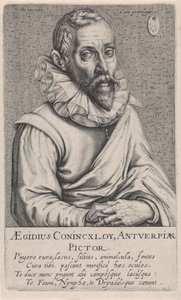
1544–1607, Belgia
Gillis Van Coninxloo
Mistrz Zielonego Królestwa Gillis Van Coninxloo jawi się jako kluczowa postać w ewolucji północnej sztuki pejzażowej, stanowiąc istotny pomost między misternymi tradycjami manieryzmu a rodzącą się głębią atmosferyczną wczesnego baroku. Urodzony w Antwerpii, w Belgii, żył w ścisłym związku z bogatym dziedzictwem artystycznym Niderlandów. Jako syn malarza, od najmłodszych lat był zanurzony w świecie, w którym rzemiosło i uważna obserwacja natury stanowiły fundament bytu. Wczesne szkolenie pod okiem mistrzów, takich jak Pieter Coecke van Aelst (młodszy) oraz Lenaert Kroes, zapewniło mu rygorystyczne podstawy, jednak to czas spędzony w warsztacie Gillisa Mostaerta pozwolił jego talentowi w pełni rozkwitnąć, umożliwiając mu współtworzenie profesjonalnych dzieł przy jednoczesnym szlifowaniu własnej, unikalnej wizji.
O Gillis Van Coninxloo Najważniejsze dzieła Gillis Van Coninxloo
Inne prace Gillis Van Coninxloo
 Jonah Preaching to the Ninevites1583
 Woodland with Saint Jerome1583
 Landscape with the judgment of Midas1598
 Landscape with the Judgement of Paris1610
Eseje o Forest Landscape
 French Barbizon paintersMasterpieces by Théodore Rousseau and Daubigny define the Barbizon School. Explore the full collection online at OriginalUniqueArt.com.
 Enchanted Woodlands: 10 Masterpieces That Capture the Magic of the ForestExplore iconic forest art by Shishkin, Klimt, and Van Gogh. Discover museum-quality masterpieces on OriginalUniqueArt.com.
 Mastering the Horizon: An Art Historian’s Guide to the World's Most Iconic Landscape PaintingsExplore the profound history of landscape painting with our expert guide. From Impressionist light to Chinese traditions, discover the tech…