Podgląd w skali 1:1
 Wyślij jako kartkę
 Udostępnij
 Szczegóły dzieła
 Przewodnik

 Pobierz obraz
 Podobne obiekty
 RTG
RTG Pokaz slajdów
 Pytania i odpowiedzi
 Statystyki
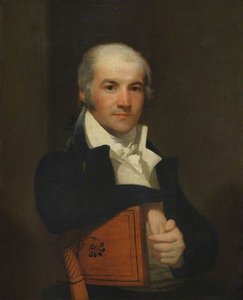
Thomas Robinson (1738–1786), 2nd Baron Grantham

- 76.0 x 64.0 cm


 Rozwiń treść
Giclée / Wydruk artystyczny
Wydruki giclée lub płótna o jakości muzealnej, szybka realizacja i szeroki wybór opcji wykończenia. ( Zamów ręcznie malowaną reprodukcję Przejdź do wersji cyfrowej)




P118B zł10

P118H zł10

P118W zł10

P438Z zł10

P508JH zł12

P508YH zł12

P805H zł10

P805Z zł10

P919BZ zł10

P919G zł10

P919XJ zł10

P959ZH zł10

P968JZ zł12

W106C zł8

W218G zł10

W218JH zł8

W218Y zł10

W307PJ zł10

W316G zł10

W316PJ zł8

W316Y zł10

W398PJ zł8

W4111J zł10

W500HY zł15

W500JH zł15

W692G zł12

W849H zł8

W940BG zł15

W953PJ zł8




Wybierz spośród naszych standardowych rozmiarów, które zachowują oryginalne proporcje dzieła sztuki.

Wpisz wymaganą szerokość i wysokość, aby dopasować grafikę do ramy lub ściany. Wydruk można jedynie przyciąć, nigdy nie powiększając go poza oryginalny obraz, dlatego format o innych proporcjach spowoduje utratę części kompozycji. Przed rozpoczęciem druku prześlemy Ci cyfrowy podgląd do zatwierdzenia. Obraz wyświetlany na tej stronie nie pokazuje rzeczywistego przycięcia — jedynie podgląd oddaje ten efekt.
Dostawa na cały świat () w ciągu 2 tygodni zamiast standardowych 4/5 tygodni. (6 Listopad)

Bezpłatna ekspresowa wysyłka na cały świat

Wysokiej jakości płótno lniane

Pełne ubezpieczenie przesyłki

Gwarancja zwrotu należności celnych i podatków importowych

Gwarancja wiernego odwzorowania kolorów

100-dniowa polityka zwrotów (tylko w przypadku wad)

Gwarancja 100% zwrotu pieniędzy

Zniżka przy zakupie wielu sztuk
 Opcja ze szkłem jest dostępna wyłącznie w rozmiarach poniżej 110 cm

Thomas Robinson (1738–1786), 2nd Baron Grantham
Giclée / Wydruk artystyczny
Wymiary reprodukcji
-


Cena całkowita
zł 317
A Glimpse into Georgian Grandeur: The Portrait of Thomas Robinson
To stand before this portrait of Thomas Robinson, the 2nd Baron Grantham, is to step directly into the refined drawing rooms of late eighteenth-century England. Painted in 1785 by the masterful hand of Gilbert Stuart, the work transcends a mere likeness; it is a carefully constructed monument to status, intellect, and enduring masculine dignity. The subject gazes out with an unwavering directness that seems to challenge the viewer, inviting an immediate, intimate connection across the span of two centuries. Every element—from the crisp fall of his white hair and meticulously arranged wig to the tailored lines of his suit—speaks volumes about the sitter's elevated position within the social strata of the time.
The Artistry of Gilbert Stuart: Technique and Presence
Gilbert Stuart, celebrated for capturing the essence of his sitters, employed a technique that balances formal portraiture with startling psychological depth. The composition is dominated by the figure against a deep, velvety dark background. This dramatic use of chiaroscuro serves not only to isolate Robinson but also to heighten the luminosity of his face and the texture of his garments. Observe the brushwork: it is both remarkably detailed in rendering the fine strands of hair and the subtle sheen on the fabric, yet simultaneously loose enough to suggest life and movement rather than rigid formality. Stuart’s genius lies in making the portrait feel immediate, as if the man has paused momentarily for this very sitting.
Historical Context and Symbolism of Attire
The year 1785 places this work squarely within a period of immense cultural flux—the cusp between Georgian opulence and the burgeoning Enlightenment ideals. The subject’s attire, with its structured suit and formal neckwear, is emblematic of the landed gentry who navigated the shifting tides of political and social change. The wig itself, while adhering to contemporary fashion, functions as a powerful symbol of inherited rank and adherence to established societal codes. The direct gaze, therefore, becomes more than personal; it is a performance of belonging, a visual assertion of lineage and authority that collectors today find endlessly compelling.
An Enduring Emotional Resonance for the Modern Collector
For the contemporary admirer, this reproduction offers far more than just decorative appeal. It provides an anchor to history, allowing one to contemplate the weight of portraiture—the desire to be remembered, to be seen, and to be understood by posterity. The emotional impact is one of stately contemplation; it suggests narratives untold behind that steady gaze. Whether adorning a formal study or lending gravitas to a sophisticated salon, this piece captures an aura of timeless refinement. It is a wearable piece of history, inviting quiet reflection upon the passage of time and the enduring power of human character.
Pytania i odpowiedzi
Jakie miejsce zajmuje „Thomas Robinson (1738–1786), 2nd Baron Grantham” wśród powracających motywów w twórczości Gilbert Stuart?
Powracające motywy w twórczości Gilbert Stuart obejmują stuart’s neoclassical style, aristocratic dignity, british nobility, formal portraiture, royal patronage legacy; „Thomas Robinson (1738–1786), 2nd Baron Grantham” koncentruje się na portraiture, british art, baron grantham, scottish heritage, royal academy, 18th century painting, formal dignity, aristocracy.
Do jakiego etapu kariery Gilbert Stuart odpowiada data powstania dzieła „Thomas Robinson (1738–1786), 2nd Baron Grantham” (1785)?
"Thomas Robinson (1738–1786), 2nd Baron Grantham", powstałe w 1785, należy do Mature Period w twórczości Gilbert Stuart.
Kto jest autorem i jaki styl reprezentuje "Thomas Robinson (1738–1786), 2nd Baron Grantham"?
Za dziełem "Thomas Robinson (1738–1786), 2nd Baron Grantham" stoi Gilbert Stuart oraz nurt Neoclassicism.
Biografia artysty
Gilbert Stuart: Życie zapisane w portretach
- Urodzony: 3 grudnia 1755, Saunderstown, Rhode Island
- Zmarł: 9 lipca 1828, Boston, Massachusetts
- Narodowość: Amerykańska
- Nurt artystyczny: Neoklasycyzm
- Znany z: Malarstwa portretowego, w szczególności portretów wybitnych postaci z wczesnej historii Ameryki.
Wczesne lata i kształcenie
- Gilbert Stuart przyszedł na świat w rodzinie o szkockich korzeniach; jego ojcieł, również imieniem Gilbert, był wynalazcą, który założył pierwszy młyn do produkcji tytoniu na Rhode Island.
- Jego artystyczny talent objawił się już w bardzo młodym wieku, prezentując niezwykłe umiejętności nawet w dzieciństwie.
- Mając zaledwie 14 lat, namalował „Spaniely doktora Huntera”, co stanowiło zapowiedź jego przyszłego wielkiego sukcesu.
- Około 1771 roku udał się do Szkocji, aby kształcić się pod okiem Cosmo Alexandra, jednak powrócił do ojczyzny po śmierci mistrza w 1775 roku.
- Dalszy rozwój artystyczny nastąpił w Londynie, gdzie w latach 1775–1780 uczył się u Benjamina Westa, znamienitego amerykańskiego malarza mieszkającego w Anglii. Okres ten był kluczowy dla wypracowania jego własnego stylu oraz zdobycia uznania w kręgach Royal Academy.
Kariera artystyczna i najważniejsze dzieła
- Kariera Stuarta stanęła przed wielkimi wyzwaniemu podczas rewolucji amerykańskiej, co zmusiło go do przeniesienia się do Anglii w 1775 roku.
- Wczesny sukces przyniósł mu obraz „Łyżwiarz” (1782), portret, który ugruntował jego reputację na arenie międzynarodowej.
- Jego najsłynniejszym dziełem pozostaje niedokończony portret Jerzego Waszyngtona, znany jako Portret Athenaeum (rozpoczęty w 1796 roku). Obraz ten stał się ikoną, pojawiając się na amerykańskich banknotach i znaczkach pocztowych. Stuart stworzył liczne kopie tego portretu dla mecenasów w całej Ameryce i Europie.
- Malował także portrety innych wpływowych postaci, w tym Johna Adamsa, Thomasa Jeffersona, Jamesa Madisona oraz wielu przedstawicieli elity Federalistów.
- Styl Stuarta charakteryzował się podejściem neoklasycystycznym, kładącym nacisk na realizm oraz oddanie podobieństwa i charakteru jego modeli. Często stosował dramatyczne operowanie światłocieniem, aby wzmocnić siłę wyrazu swoich dzieł.
Wpływy i rozwój artystyczny
- Pierwsze lekcje techniki oraz kompozycji odebrał od Cosmo Alexandra.
- Niezwykle istotny był wpływ Benjamina Westa, który ukształtował zrozumienie Stuarta dla sztuki portretu i zasad artystycznych.
- Ruch neoklasycystyczny, z jego przywiązaniem do form klasycznych i ideałów, wywarł ogromny wpływ na estetykę jego malarstwa.
- Osobiste obserwacje oraz bliskie relacje ze swoimi modelami przyczyniły się do psychologicznej głębi i realizmu w jego portretach. Artysta dążył do uchwycenia nie tylko fizycznego podobieństwa, ale także duszy i osobowości osób, które malował.
Znaczenie historyczne i dziedzictwo
- Gilbert Stuart jest uznawany za jednego z najważniejszych amerykańskich portrecistów, który odegrał kluczową rolę w dokumentowaniu początków Stanów Zjednoczonych.
- Portret Athenaeum Jerzego Waszyngtona stał się trwałym symbolem amerykańskiej tożsamości i przywództwa.
- Jego portrety stanowią bezcenne źródło wiedzy historycznej o życiu i wyglądzie wybitnych postaci z końca XVIII i początku XIX wieku.
- Dzieła Stuarta znajdują się w najważniejszych muzeach w Stanach Zjednoczonych i Europie, co sprawia, że jego dziedzictwo jest doceniane przez kolejne pokolenia.
- Stworzył on odrębny amerykański styl portretowy, który w mistrzowski sposób połączył europejskie techniki z unikalną, amerykańską wrażliwością.

Gilbert Stuart
1755 - 1828 , Wielka Brytania
Krótka nota
- Artistic Movement Or Style: Neoklasycyzm
- Artists Or Movements Influenced By This Artist: ['Francuzi']
- Artists Who Influenced This Artist:
- Cosmo Alexander
- Benjamin West
- Date Of Birth: 3 grudnia 1755
- Date Of Death: 9 lipca 1828
- Full Name: Gilbert Charles Stuart
- Nationality: Amerykański
- Notable Artworks:
- Łyżwiarz
- Jerzego Waszyngtona
- Place Of Birth: Newport, Rhode Island
Powiązane artykuły
Thomas Hudson: A Study in 18th-Century Portraiture & British Artistic Identity
Explore the life & work of Thomas Hudson, a leading 18th-century British portraitist. Discover his mastery of the 'Grand Manner,' influential style, and lasting impact on British art. Learn about his notable portraits like Judge William Noel & Alexander Van Aken.

Thomas Stuart Smith: A Study in British Impressionism & the Poetic Landscape
Explore the captivating world of Thomas Stuart Smith (1815-1869), a Scottish painter bridging Romantic realism and British Impressionism. Discover his genre scenes, philanthropic legacy & stunning interiors.

John Gilbert: A Comprehensive Exploration of Technique, Context, and Enduring Legacy in Victorian Genre Painting
Explore the life & art of John Gilbert, a prolific Victorian painter renowned for his captivating genre scenes and Venetian-inspired style. Discover his legacy with OriginalUniqueArt.
Thomas Luny (1759–1837): Maritime Mastery & the Evolution of British Marine Painting
Explore the captivating world of Thomas Luny (1759–1837), a celebrated British marine artist. Discover his dramatic naval scenes, detailed ship portraits & lasting legacy. Learn about his life, influences & artworks.

25 Arcydzieł Brytyjskiego Muzeum: Historia Sztuki w Twoim Domu | OriginalUniqueArt
Odkryj 25 arcydzieł Brytyjskiego Muzeum! Poznaj historie słynnych obrazów, rzeźb i artefaktów od antyku po współczesność. Reprodukcje najwyższej jakości na OriginalUniqueArt.com – inspiracje dla Twojego wnętrza. Eksploruj pełną kolekcję online!