Podgląd w skali 1:1
 Wyślij jako kartkę
 Udostępnij
 Szczegóły dzieła
 Przewodnik

 Pobierz obraz
 Podobne obiekty
 RTG
RTG Pokaz slajdów
 Q&A
Q&A Statystyki
Sir Joshua Reynolds


 Rozwiń treść
Giclée / Wydruk artystyczny
Wydruki giclée lub płótna o jakości muzealnej, szybka realizacja i szeroki wybór opcji wykończenia. ( Zamów ręcznie malowaną reprodukcję Przejdź do wersji cyfrowej)




P118B zł10

P118H zł10

P118W zł10

P438Z zł10

P508JH zł12

P508YH zł12

P805H zł10

P805Z zł10

P919BZ zł10

P919G zł10

P919XJ zł10

P959ZH zł10

P968JZ zł12

W106C zł8

W218G zł10

W218JH zł8

W218Y zł10

W307PJ zł10

W316G zł10

W316PJ zł8

W316Y zł10

W398PJ zł8

W4111J zł10

W500HY zł15

W500JH zł15

W692G zł12

W849H zł8

W940BG zł15

W953PJ zł8




Wybierz spośród naszych standardowych rozmiarów, które zachowują oryginalne proporcje dzieła sztuki.

Wpisz wymaganą szerokość i wysokość, aby dopasować grafikę do ramy lub ściany. Wydruk można jedynie przyciąć, nigdy nie powiększając go poza oryginalny obraz, dlatego format o innych proporcjach spowoduje utratę części kompozycji. Przed rozpoczęciem druku prześlemy Ci cyfrowy podgląd do zatwierdzenia. Obraz wyświetlany na tej stronie nie pokazuje rzeczywistego przycięcia — jedynie podgląd oddaje ten efekt.
Dostawa na cały świat () w ciągu 2 tygodni zamiast standardowych 4/5 tygodni. (1 Listopad)

Bezpłatna ekspresowa wysyłka na cały świat

Wysokiej jakości płótno lniane

Pełne ubezpieczenie przesyłki

Gwarancja zwrotu należności celnych i podatków importowych

Gwarancja wiernego odwzorowania kolorów

100-dniowa polityka zwrotów (tylko w przypadku wad)

Gwarancja 100% zwrotu pieniędzy

Zniżka przy zakupie wielu sztuk
 Opcja ze szkłem jest dostępna wyłącznie w rozmiarach poniżej 110 cm

Sir Joshua Reynolds
Giclée / Wydruk artystyczny
Wymiary reprodukcji
-


Cena całkowita
zł 311
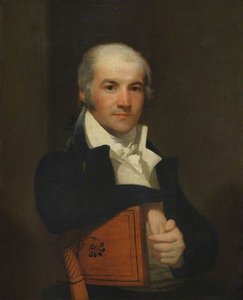
A Portrait of Refinement: Gilbert Stuart’s Masterpiece of the Grand Style
Gilbert Stuart's 1784 portrait of Sir Joshua Reynolds stands as a cornerstone of American Neoclassical art, a testament to both the painter’s technical skill and his profound understanding of capturing character and status. More than simply a likeness, this painting embodies the ideals of Enlightenment-era England – a world of intellectual curiosity, artistic patronage, and carefully constructed social hierarchies. It's a window into a bygone era, rendered with exquisite detail and imbued with an undeniable sense of dignified composure.
The subject himself, Sir Joshua Reynolds, was a towering figure in the British art world; he served as the first President of the Royal Academy and championed the “Grand Style” – a movement emphasizing idealized beauty, balanced compositions, and meticulous attention to detail. Stuart’s portrait isn't merely a representation of Reynolds; it’s an elevation, a distillation of his reputation and influence. The artist skillfully employs a pyramidal structure, anchoring Reynolds within a carefully orchestrated space that speaks volumes about his position.
The Language of Light and Shadow: Technique and Composition
Stuart’s mastery lies in his nuanced use of light and shadow – a technique central to the Grand Style. Notice how the light gently illuminates Reynolds' face, highlighting the subtle lines etched by age and experience, yet simultaneously receding into the darker recesses of the background. This creates an illusion of depth, drawing the viewer into the portrait’s embrace. The artist utilizes soft gradations rather than harsh contrasts, lending a sense of serenity and sophistication to the scene.
The composition is meticulously balanced. Reynolds' hands, clasped gracefully before him, are positioned at the apex of the pyramid, symbolizing his authority and wisdom. The backdrop – a window framed by elegant drapery – provides a subtle yet crucial element. It’s not merely decorative; it suggests an intellectual retreat, a space for contemplation and artistic inspiration. The books visible within the frame further reinforce this notion, hinting at Reynolds' scholarly pursuits and deep engagement with classical thought.
Symbolism and Social Context
Beyond the technical brilliance, the portrait is rich in symbolism. Reynolds’ attire – a meticulously tailored suit and tie – speaks to his status as a wealthy and influential figure within London society. The inclusion of the books isn't accidental; they represent the intellectual pursuits that underpinned the Enlightenment and were highly valued by the elite. The window itself can be interpreted as a metaphor for knowledge, offering a glimpse into a world of ideas and artistic achievement.
Interestingly, the presence of a snuff box – an object associated with aristocratic leisure – subtly challenges the idealized image presented. It hints at a more worldly side to Reynolds’ character, acknowledging that even within the realm of art and intellect, pleasure and indulgence held their place. This delicate juxtaposition adds layers of complexity to the portrait's meaning.
A Legacy in Reproduction: Bringing Stuart’s Vision to Life
OriginalUniqueArt is proud to offer meticulously hand-painted reproductions of Gilbert Stuart’s “Sir Joshua Reynolds.” We strive to capture not only the visual details of the original but also its emotional resonance and historical context. Each reproduction is created by skilled artists who have a deep appreciation for Stuart's artistry, ensuring that you receive a piece of art that truly embodies the spirit of the Grand Style.
Whether displayed in a grand salon or a private study, this portrait offers a captivating glimpse into a pivotal moment in art history – a testament to the enduring power of skillful observation and artistic vision. Explore our collection today and bring the elegance and sophistication of Gilbert Stuart’s masterpiece into your home.
Pytania i odpowiedzi
Jaka paleta barw została wykorzystana w „Sir Joshua Reynolds” – Gilbert Stuart?
„Sir Joshua Reynolds” – Gilbert Stuart wykorzystuje Earthy paletę barw, która definiuje ogólny charakter kolorystyczny dzieła.
W jaki sposób styl dzieła "Sir Joshua Reynolds" odnosi się do epoki jego twórcy?
"Sir Joshua Reynolds" należy do nurtu Neoclassicism, a jego twórca tworzył w epoce – Wczesna nowożytność.
Co przedstawia „Sir Joshua Reynolds” – Gilbert Stuart?
Tematyka dzieła "Sir Joshua Reynolds" to portraiture, gentleman, suit, tie, window, books, neoclassicism, reynolds.
Biografia artysty
Gilbert Stuart: Życie zapisane w portretach
- Urodzony: 3 grudnia 1755, Saunderstown, Rhode Island
- Zmarł: 9 lipca 1828, Boston, Massachusetts
- Narodowość: Amerykańska
- Nurt artystyczny: Neoklasycyzm
- Znany z: Malarstwa portretowego, w szczególności portretów wybitnych postaci z wczesnej historii Ameryki.
Wczesne lata i kształcenie
- Gilbert Stuart przyszedł na świat w rodzinie o szkockich korzeniach; jego ojcieł, również imieniem Gilbert, był wynalazcą, który założył pierwszy młyn do produkcji tytoniu na Rhode Island.
- Jego artystyczny talent objawił się już w bardzo młodym wieku, prezentując niezwykłe umiejętności nawet w dzieciństwie.
- Mając zaledwie 14 lat, namalował „Spaniely doktora Huntera”, co stanowiło zapowiedź jego przyszłego wielkiego sukcesu.
- Około 1771 roku udał się do Szkocji, aby kształcić się pod okiem Cosmo Alexandra, jednak powrócił do ojczyzny po śmierci mistrza w 1775 roku.
- Dalszy rozwój artystyczny nastąpił w Londynie, gdzie w latach 1775–1780 uczył się u Benjamina Westa, znamienitego amerykańskiego malarza mieszkającego w Anglii. Okres ten był kluczowy dla wypracowania jego własnego stylu oraz zdobycia uznania w kręgach Royal Academy.
Kariera artystyczna i najważniejsze dzieła
- Kariera Stuarta stanęła przed wielkimi wyzwaniemu podczas rewolucji amerykańskiej, co zmusiło go do przeniesienia się do Anglii w 1775 roku.
- Wczesny sukces przyniósł mu obraz „Łyżwiarz” (1782), portret, który ugruntował jego reputację na arenie międzynarodowej.
- Jego najsłynniejszym dziełem pozostaje niedokończony portret Jerzego Waszyngtona, znany jako Portret Athenaeum (rozpoczęty w 1796 roku). Obraz ten stał się ikoną, pojawiając się na amerykańskich banknotach i znaczkach pocztowych. Stuart stworzył liczne kopie tego portretu dla mecenasów w całej Ameryce i Europie.
- Malował także portrety innych wpływowych postaci, w tym Johna Adamsa, Thomasa Jeffersona, Jamesa Madisona oraz wielu przedstawicieli elity Federalistów.
- Styl Stuarta charakteryzował się podejściem neoklasycystycznym, kładącym nacisk na realizm oraz oddanie podobieństwa i charakteru jego modeli. Często stosował dramatyczne operowanie światłocieniem, aby wzmocnić siłę wyrazu swoich dzieł.
Wpływy i rozwój artystyczny
- Pierwsze lekcje techniki oraz kompozycji odebrał od Cosmo Alexandra.
- Niezwykle istotny był wpływ Benjamina Westa, który ukształtował zrozumienie Stuarta dla sztuki portretu i zasad artystycznych.
- Ruch neoklasycystyczny, z jego przywiązaniem do form klasycznych i ideałów, wywarł ogromny wpływ na estetykę jego malarstwa.
- Osobiste obserwacje oraz bliskie relacje ze swoimi modelami przyczyniły się do psychologicznej głębi i realizmu w jego portretach. Artysta dążył do uchwycenia nie tylko fizycznego podobieństwa, ale także duszy i osobowości osób, które malował.
Znaczenie historyczne i dziedzictwo
- Gilbert Stuart jest uznawany za jednego z najważniejszych amerykańskich portrecistów, który odegrał kluczową rolę w dokumentowaniu początków Stanów Zjednoczonych.
- Portret Athenaeum Jerzego Waszyngtona stał się trwałym symbolem amerykańskiej tożsamości i przywództwa.
- Jego portrety stanowią bezcenne źródło wiedzy historycznej o życiu i wyglądzie wybitnych postaci z końca XVIII i początku XIX wieku.
- Dzieła Stuarta znajdują się w najważniejszych muzeach w Stanach Zjednoczonych i Europie, co sprawia, że jego dziedzictwo jest doceniane przez kolejne pokolenia.
- Stworzył on odrębny amerykański styl portretowy, który w mistrzowski sposób połączył europejskie techniki z unikalną, amerykańską wrażliwością.

Gilbert Stuart
1755 - 1828 , Wielka Brytania
Krótka nota
- Artistic Movement Or Style: Neoklasycyzm
- Artists Or Movements Influenced By This Artist: ['Francuzi']
- Artists Who Influenced This Artist:
- Cosmo Alexander
- Benjamin West
- Date Of Birth: 3 grudnia 1755
- Date Of Death: 9 lipca 1828
- Full Name: Gilbert Charles Stuart
- Nationality: Amerykański
- Notable Artworks:
- Łyżwiarz
- Jerzego Waszyngtona
- Place Of Birth: Newport, Rhode Island
Powiązane artykuły

Neoclassical Portraiture: The Timeless Elegance of Order, Grace, and Academic Mastery
Explore the refined world of Neoclassical portraiture. Discover the mastery of line, light, and order through an expert exploration of academic art history, from Jacques-Louis David to Jean-Antoine Houdon. Immerse yourself in the timeless elegance of classical realism.

Sir Joshua Reynolds: 25 Arcydzieł Pełnych Elegancji i Historii | OriginalUniqueArt.com
Odkryj 25 arcydzieł Sir Joshua Reynoldsa – mistrza angielskiego rokoko i neoklasycyzmu. Poznaj historie portretów, techniki malarskie i inspiracje wnętrzarskie. Reprodukcje najwyższej jakości na OriginalUniqueArt.com! Eksploruj pełną kolekcję online.
John Hoppner: Portraiture, Patronage & British Identity in the Late Georgian Era
Explore the life & work of John Hoppner, a leading Georgian portraitist. Discover his vibrant style, influential patrons, and lasting impact on British art history. Expert insights for collectors.
Mastering the Light: An Art Historian's Guide to the Grand Style of Sir Joshua Reynolds
Explore the luminous legacy of Sir Joshua Reynolds. Discover how the master of the 'Grand Style' used dramatic light and classical elegance to define 18th-century British portraiture in this expert art history guide for collectors and enthusiasts.
Sir Joshua Reynolds: Shaping British Art Through Grand Style & Societal Portraiture
Explore the life & work of Sir Joshua Reynolds, a master of British portraiture and founder of the Royal Academy. Discover his 'Grand Style,' techniques, and lasting influence on art history. Learn more at OriginalUniqueArt.