

 Zobacz w skali 1:1
 Wyślij
 Udostępnij
 Szczegóły
 Przewodnik

 Pobierz plik obrazu
 Podobne obiekty
 RTG
RTG Pokaz slajdów
 Statystyki
Portret młodzieńca
 Olej na płótnie
- Sztuka ścienna
- English Realism
 1925
1925 95.0 x 75.0 cm
 Victoria Art Gallery
 Czytaj więcej
Dzieło sztuki prezentowane na tej stronie podlega ochronie prawem autorskim, co oznacza, że nie mamy prawa do tworzenia ani sprzedaży jego identycznej reprodukcji. Ochrona ta jest egzekwowana na mocy umów międzynarodowych, takich jak Konwencja berneńska oraz przez przepisy prawa krajowego, w tym te określone w Prawo autorskie USA – Tytuł 17.
Metoda ta jest w pełni zgodna z przepisami prawa autorskiego, ponieważ nie polega na kopiowaniu ani powielaniu chronionego dzieła. Stanowi ona kreatywną reinterpretację – nowy obraz, który czerpie inspirację z oryginału, ale nie jest z nim tożsamy.
Giclée / Wydruk artystyczny
Wydruki giclée lub płótna o jakości muzealnej, szybka realizacja i szeroki wybór opcji wykończenia. ( Kup ręcznie malowany obraz Przełącz na wersję cyfrową)




P118B zł10

P118H zł10

P118W zł10

P438Z zł10

P508JH zł12

P508YH zł12

P805H zł10

P805Z zł10

P919BZ zł10

P919G zł10

P919XJ zł10

P959ZH zł10

P968JZ zł12

W106C zł8

W218G zł10

W218JH zł8

W218Y zł10

W307PJ zł10

W316G zł10

W316PJ zł8

W316Y zł10

W398PJ zł8

W4111J zł10

W500HY zł15

W500JH zł15

W692G zł12

W849H zł8

W940BG zł15

W953PJ zł8




Wybierz spośród naszych standardowych rozmiarów, które zachowują oryginalne proporcje dzieła sztuki.

Wpisz wymaganą szerokość i wysokość, aby dopasować grafikę do ramy lub ściany. Wydruk można jedynie przyciąć, nigdy nie powiększając go poza oryginalny obraz, dlatego format o innym proporcji spowoduje utratę części kompozycji. Przed rozpoczęciem druku prześlemy Ci cyfrowy podgląd do zatwierdzenia. Obraz wyświetlany na tej stronie nie pokazuje rzeczywistego przycięcia — jedynie podgląd oddaje ten efekt.
Dostawa na cały świat () w ciągu 2 tygodni zamiast standardowych 4/5 tygodni. (22 Październik)

Bezpłatna ekspresowa wysyłka na cały świat

Wysokiej jakości płótno lniane

Pełne ubezpieczenie transportowe

Gwarancja zwrotu należności celnych i podatków importowych

Gwarancja idealnego odwzorowania barw

100-dniowy okres na zwrot dzieła w przypadku wykrycia wad produkcyjnych

Gwarancja 100% zwrotu pieniędzy

Oferta przy zakupie wielu sztuk
 Opcja ze szkłem jest dostępna wyłącznie w rozmiarach poniżej 110 cm

Portret młodzieńca
Giclée / Wydruk artystyczny
Rozmiar reprodukcji
-


Suma do zapłaty
zł 304
Gilbert Spencer’s Quiet Portraiture: Capturing Essence in ‘Portrait of a Youth’
Gilbert Spencer (1892–1979) stands as a testament to understated artistic brilliance—a painter who eschewed grand gestures for meticulous observation and profound empathy. His canvases rarely shout; instead, they whisper stories of English landscapes and the human condition, imbued with a sensitivity honed by his upbringing in Cookham and profoundly influenced by his brother’s equally distinctive style. This remarkable portrait, completed in 1925, exemplifies Spencer's unwavering commitment to realism while simultaneously conveying an emotional depth that transcends mere representation.A Study in Texture and Tone
The painting itself is executed in oil on canvas—a technique chosen deliberately for its ability to capture subtle nuances of light and shadow—resulting in a surface rich with visible brushstrokes. These marks aren’t haphazard; they are carefully considered, contributing to the overall textural quality of the artwork and grounding it firmly within the materiality of its creation. Spencer skillfully employs muted earth tones – ochre, umber, and Sienna – creating an atmosphere of contemplative solemnity that invites viewers into a moment of quiet contemplation. The palette isn’t intended to dazzle; rather, it serves as a conduit for conveying emotion through color itself.The Setting: Wallpaper and Domestic Tranquility
Adding to the painting's evocative power is its backdrop—a patterned wallpaper featuring floral motifs. This deliberate inclusion speaks volumes about Spencer’s artistic vision, suggesting an interior space bathed in soft light and imbued with a sense of domestic tranquility. The wallpaper isn’t merely decorative; it acts as a visual anchor, framing the young man within a familiar environment that underscores themes of comfort and stability—elements frequently explored by Spencer throughout his oeuvre.The Subject: Dignified Presence
The central figure is seated against this backdrop, dressed in formal attire – a dark suit with a tie and cap – projecting an air of dignified composure. His gaze is direct, unwavering, and imbued with seriousness; he confronts the viewer without hesitation, inviting engagement and prompting reflection on his inner thoughts. Spencer’s meticulous attention to detail—the subtle creases in the fabric, the careful rendering of facial features—demonstrates a dedication to capturing not just likeness but also psychological character. The pose itself is relaxed yet attentive, conveying both confidence and vulnerability simultaneously.Symbolism and Emotional Resonance
Ultimately, ‘Portrait of Youth’ transcends its formal elements to resonate with deeper symbolic meanings. Spencer's work consistently explores themes of identity, memory, and the passage of time—qualities powerfully conveyed in this portrait through its muted palette, textured surface, and contemplative gaze. It is a piece that lingers in the mind long after viewing, prompting viewers to consider questions of selfhood and connection within the broader context of human experience. This artwork embodies Spencer’s masterful ability to transform observation into art – an enduring legacy of quiet contemplation and profound artistic achievement.Pytania i odpowiedzi
Jakie tematy pojawiają się w „Portret młodzieńca” autorstwa Gilbert Spencer?
Tematyka dzieła "Portret młodzieńca" to young man, formal attire, wallpaper pattern, floral motif, portraiture, british art, early 20th century.
W jaki sposób mogę kupić wydruk „Portret młodzieńca” autorstwa Gilbert Spencer?
Aby zamówić wydruk dzieła „Portret młodzieńca” autorstwa Gilbert Spencer, wystarczy przejść na jego stronę Wydruk artystyczny: szlachetna odbitka na płótnie bawełnianym lub archiwalnym papierze płótnopodobnym.
W jaki sposób kolory dzieła „Portret młodzieńca” autorstwa Gilbert Spencer odnoszą się do jego emocjonalnego przekazu?
„Portret młodzieńca” autorstwa Gilbert Spencer łączy w sobie Barwy ziemi paletę barw z Czuły i romantyczny tonem.
Biografia artysty
A Life Rooted in English Soil: The World of Gilbert Spencer
Gilbert Spencer, born August 4th, 1892, in the idyllic village of Cookham, United Kingdom, was a painter deeply attuned to the rhythms and nuances of English life. He lived until 1979, leaving behind a body of work that quietly yet powerfully captures the essence of his nation’s landscapes and people. Coming from a large family—the eighth of eleven children—and with a father who instilled a love for music through his role as an organist and teacher, Spencer's early life was one of modest means but rich in intellectual stimulation. This upbringing fostered a sensitivity that would profoundly shape his artistic vision. Perhaps the most significant familial connection was his younger brother, Sir Stanley Spencer, a renowned painter whose own distinctive style often drew comparisons, yet Gilbert forged his own path with unwavering dedication to realism and a uniquely personal interpretation of the world around him. Formal education was limited by financial constraints, but the lively conversations within his family circle provided an invaluable substitute, nurturing a curious mind eager to explore artistic expression.Formative Years and Artistic Awakening
Spencer’s formal artistic training began in 1911 at the Camberwell School of Arts and Crafts, followed by studies in wood carving at the Royal College of Art. However, it was his time at the Slade School of Fine Art in London (1913-1915) that proved truly pivotal. There, he came under the profound influence of Henry Tonks, a master draughtsman whose emphasis on observation and technical skill left an indelible mark on Spencer’s approach to painting. He excelled at the Slade, winning the life drawing prize in 1914 and achieving recognition for his ambitious mural project, “The Seven Ages of Man.” This early success hinted at a talent for large-scale compositions that would later manifest in his significant mural work. Beyond the formal curriculum, Spencer’s exposure to the Bloomsbury set through Lady Ottoline Morrell—a prominent patron of the arts and hostess at Garsington Manor—broadened his artistic horizons and introduced him to a vibrant intellectual circle. These early experiences laid the foundation for a career characterized by both technical mastery and a deep engagement with the cultural currents of his time.Evolving Styles and Enduring Themes
Spencer’s artistic development was marked by an exploration of various styles, yet he consistently returned to a core commitment to realism. His early landscapes, such as “Sashes Meadow, Cookham” (1914), reveal the influence of Impressionism in their delicate handling of light and color. Later works, like "Mountain Landscape with a Windmill," demonstrate an embrace of Fauvist and Post-Impressionist elements, characterized by bolder brushstrokes and simplified forms. However, Spencer never fully abandoned his dedication to accurately depicting the English countryside and its inhabitants. His subject matter consistently revolved around landscapes, portraits, genre scenes, and mural decorations—all reflecting a profound connection to rural England. He possessed an exceptional ability to capture the quiet dignity of everyday life, imbuing even seemingly mundane scenes with a sense of beauty and significance. This dedication to portraying English life with clarity and directness became a hallmark of his artistic identity.Achievements and Legacy
Throughout his career, Gilbert Spencer achieved significant recognition for his contributions to British art. His creation of murals at Holywell Manor (1934-1936), depicting the foundation legend of Balliol College, showcased his skill in large-scale narrative painting. During World War II, he served as an official war artist (1940–1943), documenting scenes of military training and life on the home front. This period provided a unique opportunity to observe and record the impact of conflict on the English landscape and its people. Spencer’s talent was further acknowledged through his election as an Associate Royal Academician in 1950, followed by full membership in 1959. He also enjoyed a distinguished teaching career, holding professorships at the Royal College of Art (1932-1948), Glasgow School of Art (1948–1950), and Camberwell School of Arts and Crafts (1950–1957). His published works, including his autobiography "Memoirs of a Painter" (1974) and a biography of his brother Stanley Spencer (1961), offer valuable insights into his artistic philosophy and the creative dynamics within his family. Notable works include “Troops in the Countryside,” which beautifully captures a peaceful coexistence between soldiers and rural life; "Summer Evening, Durdham Downs," a dramatic depiction of social gathering; and “Boy Holding a Rabbit” (1931), a tender portrayal of childhood innocence. Gilbert Spencer is remembered as a significant British painter who captured the essence of English life with clarity, directness, and a keen eye for detail. His work provides valuable insights into the social and rural landscapes of 20th-century England, and his legacy continues to inspire artists and art lovers alike. He also holds significance as Stanley Spencer's brother, contributing to understanding both artists’ careers within a familial context.
Gilbert Spencer
1892 - 1979 , Wielka Brytania
Najważniejsze informacje
- Artistic Movement Or Style: Realizm
- Artists Or Movements Influenced By This Artist: ['Stanley Spencer']
- Artists Who Influenced This Artist: ['Henry Tonks']
- Date Of Birth: 4 sierpnia 1892
- Date Of Death: 14 stycznia 1979
- Full Name: Gilbert Spencer
- Nationality: Brytyjski
- Notable Artworks:
- Sashes Meadow, Cookham
- Mountain Landscape with a Windmill
- Place Of Birth: Cookham, Berkshire
Zobacz także powiązane artykuły

Trwała Spuścizna Malarstwa Olejnego: Technika, Historia i Współczesna Praktyka
Poznaj historię i techniki malarstwa olejnego. Poradniki dla artystów, informacje o konserwacji oraz możliwość zamówienia wysokiej jakości reprodukcji obrazów. Ekspercka wiedza i gwarancja trwałości dzieł sztuki.

Trwała Spuścizna Malarstwa Olejnego: Technika, Historia i Estetyczny Wpływ
Poznaj historię i technikę malarstwa olejnego! Eksperckie artykuły o konserwacji, renowacji oraz współczesnych zastosowaniach. Dowiedz się więcej o mistrzach i trwałości obrazów olejnych.

Olej na płótnie: Historia, techniki i ponadczasowy urok malarskiego medium
Poznaj historię i techniki malarstwa olejowego! Od renesansowych mistrzów po współczesne zastosowania – wszystko o oleju na płótnie. Poradniki, konserwacja i inspiracje dla pasjonatów sztuki.
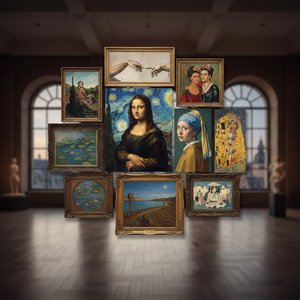
10 arcydzieł malarstwa olejnego, które na zawsze zmieniły sztukę | OriginalUniqueArt.com
Poznaj 10 arcydzieł malarstwa olejowego, które zrewolucjonizowały świat sztuki! Van Gogh, Monet, Picasso i inni – odkryj historie, techniki i emocje w słynnych obrazach. Reprodukcje najwyższej jakości na OriginalUniqueArt.com. Eksploruj kolekcję online!

The Soul of Impressionism: Why Oil on Canvas Captures Eternal Light and Timeless Emotion
Discover the enchanting alchemy of Impressionism. Explore how the mastery of oil on canvas, through glazing and impasto, captures eternal light and emotion. Perfect for lovers of Monet and Van Gogh seeking the profound depth of hand-painted fine art.
