

 Zobacz w skali 1:1
 Wyślij
 Udostępnij
 Szczegóły
 Przewodnik

 Pobierz plik obrazu
 Podobne obiekty
 RTG
RTG Pokaz slajdów
 Statystyki
The Baldacchino


 Czytaj więcej
Giclée / Wydruk artystyczny
Wydruki giclée lub płótna o jakości muzealnej, szybka realizacja i szeroki wybór opcji wykończenia. ( Kup ręcznie malowany obraz Przełącz na wersję cyfrową)




P118B zł10

P118H zł10

P118W zł10

P438Z zł10

P508JH zł12

P508YH zł12

P805H zł10

P805Z zł10

P919BZ zł10

P919G zł10

P919XJ zł10

P959ZH zł10

P968JZ zł12

W106C zł8

W218G zł10

W218JH zł8

W218Y zł10

W307PJ zł10

W316G zł10

W316PJ zł8

W316Y zł10

W398PJ zł8

W4111J zł10

W500HY zł15

W500JH zł15

W692G zł12

W849H zł8

W940BG zł15

W953PJ zł8




Wybierz spośród naszych standardowych rozmiarów, które zachowują oryginalne proporcje dzieła sztuki.

Możesz wprowadzić własne wymiary, aby dopasować dzieło do konkretnej ramy lub przestrzeni. Jeśli wybrany rozmiar nie będzie odpowiadał proporcjom oryginalnego obrazu, przytniecie dzieło lub rozszerzymy obraz za pomocą odbicia lustrzanego lub jednolitego wypełnienia krawędzi. Przed rozpoczęciem produkcji prześlemy cyfrową wizualizację do Twojej akceptacji.
Prosimy pamiętać, że podgląd na ekranie nie odzwierciedla faktycznego przycinania ani rozszerzania. Tylko wizualizacja dokładnie pokaże końcową kompozycję.
Mimo dostępności niestandardowych rozmiarów, zalecamy wybór wymiaru z listy zdefiniowanej, aby zachować oryginalne proporcje.
Dostawa na cały świat () w ciągu 2 tygodni zamiast standardowych 4/5 tygodni. (6 Październik)

Bezpłatna ekspresowa wysyłka na cały świat

Wysokiej jakości płótno lniane

Pełne ubezpieczenie transportowe

Gwarancja zwrotu należności celnych i podatków importowych

Gwarancja idealnego odwzorowania barw

100-dniowy okres na zwrot dzieła w przypadku wykrycia wad produkcyjnych

Gwarancja 100% zwrotu pieniędzy

Oferta przy zakupie wielu sztuk
 Opcja ze szkłem jest dostępna wyłącznie w rozmiarach poniżej 110 cm

The Baldacchino
Giclée / Wydruk artystyczny
Rozmiar reprodukcji
-


Suma do zapłaty
zł 297
The Majestic Baldacchino: A Symphony of Baroque Grandeur
Within the heart of St. Peter’s Basilica in Vatican City stands a monument to artistic ambition and spiritual aspiration – Gian Lorenzo Bernini's Baldacchino, or “Gilded Canopy.” More than simply an altar decoration, it is a breathtaking sculpture that embodies the very essence of Baroque artistry: drama, movement, light, and an overwhelming sense of divine presence. This colossal bronze canopy, reaching over 60 feet in height, isn’t merely a structure; it's a carefully orchestrated tableau designed to elevate the viewer’s experience of worship and reflect the power and glory of the papacy.
Commissioned by Pope Urban VIII in 1624, the Baldacchino was conceived as a central element within the newly constructed basilica. Bernini envisioned it not just as an adornment for the High Altar, which houses the relics of St. Peter, but as a dynamic architectural statement that would visually balance the imposing scale of the nave and the soaring dome above. The project took nearly nine years to complete, a testament to its complexity and the sheer volume of intricate detail involved – a reflection of Bernini’s unparalleled skill and his dedication to pushing the boundaries of sculptural possibility.
A Masterclass in Baroque Technique
Bernini's genius lies not only in his grand scale but also in his masterful manipulation of materials and techniques. The Baldacchino is primarily constructed from bronze, a choice that lends itself beautifully to capturing light and creating an ethereal glow. However, the sculpture is far more than just solid metal; it’s a complex layering of textures and effects. Notice the meticulously carved angels and cherubs, their drapery swirling with an almost palpable sense of movement. The columns themselves are a marvel – four massive, twisted bronze pillars that spiral upwards, culminating in a central dome-like structure adorned with intricate details. These columns aren't static; they appear to be caught mid-twist, conveying a powerful feeling of dynamism and energy.
The use of contrasting materials—marble for the pedestals and base, alabaster for certain elements—further enhances the sculpture’s visual impact. Bernini expertly employed gilding throughout, particularly on the central dome and the tassels that cascade from the canopy's edges, creating a dazzling display of light and color. The entire piece is a testament to his understanding of how materials interact with light, transforming a static form into a living, breathing spectacle.
Symbolism and Spiritual Significance
The Baldacchino is rich in symbolic meaning, deeply rooted in Christian iconography and papal authority. The central dome represents the Holy Spirit descending upon Christ, while the four columns are reminiscent of the Solomonic columns found in Solomon’s Temple—a deliberate reference to the historical roots of Christianity. The figures adorning the canopy – angels, cherubs, and representations of St. Peter – all contribute to a narrative of faith, power, and divine grace.
Crucially, the Baldacchino is inextricably linked to the tomb of St. Peter, located beneath the High Altar. By enveloping this sacred space in such opulent splendor, Bernini elevates the site to a place of unparalleled reverence and underscores the papacy’s role as protector of the saint's legacy. The sheer scale and magnificence of the piece are intended to inspire awe and devotion, reinforcing the Basilica’s status as one of the most important religious sites on Earth.
Bringing Bernini’s Vision Home
Gian Lorenzo Bernini’s Baldacchino remains a profoundly moving experience for those who witness it in person. Its grandeur, artistry, and symbolic depth are truly unparalleled. OriginalUniqueArt.com offers meticulously crafted, hand-painted oil reproduction reproductions of this iconic masterpiece, allowing you to bring the splendor of St. Peter's Basilica into your own home or office. Each reproduction is created by skilled artists using traditional techniques, faithfully capturing the nuances of Bernini’s original work and ensuring that its beauty and power endure for generations to come. Explore our collection today and experience the magic of Baroque art firsthand – https://OriginalUniqueArt.com
Pytania i odpowiedzi
W jakim wieku Gian Lorenzo Bernini stworzył(a) "The Baldacchino"?
Gdy w 1624 roku powstało dzieło „The Baldacchino”, Gian Lorenzo Bernini – urodzony/a w 1598 – miał/a 26 lat.
Któremu artyście przypisuje się "The Baldacchino"?
Autorem dzieła „The Baldacchino” jest Gian Lorenzo Bernini. Praca ta figuruje w katalogu pod nazwiskiem Gian Lorenzo Bernini.
Do jakiego nurtu artystycznego należy „The Baldacchino” autorstwa Gian Lorenzo Bernini?
Nurt związany z „The Baldacchino” autorstwa Gian Lorenzo Bernini to Baroque Architecture. Ta klasyfikacja sytuuje dzieło wśród pokrewnych artystów i dzieł sztuki.
Jaka paleta i dominujący kolor definiują "The Baldacchino"?
„The Baldacchino” autorstwa Gian Lorenzo Bernini wykorzystuje paletę w odcieniach Earthy, w której dominuje kolor Phthalo Green (#26130f).
W którym roku powstało „The Baldacchino” autorstwa Gian Lorenzo Bernini?
Dzieło "The Baldacchino" pochodzi z 1624 roku. Data ta pozwala umiejscowić pracę w kontekście twórczości Gian Lorenzo Bernini oraz epoki, w której powstała.
Ilu użytkowników ogląda "The Baldacchino"?
Strona Statystyki dzieła „The Baldacchino” autorstwa Gian Lorenzo Bernini przedstawia statystyki odwiedzin: miesięczną liczbę wyświetleń tego dzieła, porównanie z najczęściej oglądanymi pracami artysty oraz informacje o pochodzeniu odwiedzających.
Jaki kolor dominuje w kompozycji „The Baldacchino” autorstwa Gian Lorenzo Bernini?
Dominującym kolorem dzieła „The Baldacchino” autorstwa Gian Lorenzo Bernini jest Phthalo Green (#26130f).
Biografia artysty
A Roman Genius: The Life and Legacy of Gian Lorenzo Bernini
Gian Lorenzo Bernini, a name synonymous with the Baroque era, was more than just a sculptor; he was an architect, painter, playwright, and a true *uomo universale* – a universal man. Born in Naples in 1598, his journey to becoming Rome’s most celebrated artist began within a family steeped in artistic tradition. His father, Pietro Bernini, a respected sculptor himself, provided the initial foundation for young Gian Lorenzo's burgeoning talent, nurturing it within their workshop and exposing him to the classical heritage of Italy. This early immersion wasn’t merely about technical training; it was a profound absorption of form, proportion, and the spirit of antiquity – elements that would profoundly shape Bernini’s revolutionary approach to art.Sculpting Emotion: The Birth of Baroque Drama
Bernini didn't simply carve stone; he breathed life into marble, capturing moments of intense psychological depth and dramatic narrative with an unprecedented skill. He shattered the conventions of the Renaissance, moving beyond the idealized forms and static beauty that had defined the era. Instead, Bernini embraced movement, theatricality, and the raw power of human emotion – hallmarks that would become inextricably linked to the burgeoning Baroque style. His works weren’t mere representations; they were visceral experiences designed to evoke a profound response in the viewer. Consider *The Ecstasy of Saint Teresa*, housed within the Cornaro Chapel at Santa Maria della Vittoria. This isn't simply a depiction of a religious vision; it’s a swirling vortex of marble, bronze, and light that plunges the observer into the heart of Teresa’s mystical experience. The dramatic use of diagonals, the dynamic pose of the saint, and the palpable sense of movement create an overwhelming emotional intensity – a testament to Bernini's mastery of Baroque principles. Similarly, *Apollo and Daphne* showcases his ability to capture fleeting moments of transformation, while *David*, far removed from the stoic composure of earlier Renaissance depictions, embodies a state of poised tension, brimming with potential energy.Beyond Sculpture: Architecture and Urban Visions
Bernini’s genius wasn't confined to the realm of sculpture; he was a remarkably versatile artist who significantly contributed to architecture and urban planning, fundamentally reshaping the landscape of Rome. His architectural designs were never conceived in isolation; they were always intricately interwoven with his sculptural work, creating unified artistic experiences that blurred the lines between disciplines. The monumental Baldacchino above the high altar of St. Peter’s Basilica stands as a prime example – a soaring bronze canopy that dominates the space and draws the eye upwards in awe, embodying both architectural grandeur and dramatic theatricality. He also played a pivotal role in redesigning several Roman piazzas, transforming them into vibrant public spaces filled with life and movement. The Fountain of the Four Rivers in Piazza Navona is a particularly striking example – a dynamic composition of allegorical figures representing major rivers from different continents, creating an engaging and visually stunning urban environment. His work on St. Peter’s Basilica, including the expansive colonnade that embraces visitors as they approach, dramatically altered the basilica's appearance and created a grand ceremonial space befitting the heart of Christendom.A Lasting Influence: Bernini’s Historical Significance
Gian Lorenzo Bernini exerted an unparalleled influence on the course of Western art. His innovative approach to sculpture established the Baroque style as a dominant force in European art for over a century, inspiring generations of artists with his dramatic compositions and technical virtuosity. He didn't merely imitate classical forms; he synthesized them with a new sense of dynamism and emotional intensity, forging an entirely original artistic language. His seamless integration of sculpture, architecture, and painting into unified artistic experiences set a new standard for artistic expression, demonstrating the power of art to engage all the senses and evoke profound emotions. As Howard Hibbard eloquently stated, Bernini’s impact was so significant that he stands as “the greatest sculptor of the 17th century.” His works continue to inspire awe and admiration, solidifying his place as one of history's most important artists – a true *uomo universale* whose legacy continues to resonate powerfully today.Family & Further Achievements
- Pietro Bernini: Gian Lorenzo’s father, a sculptor who provided early training and guidance.
- Cardinal Scipione Borghese: An influential patron whose commissions allowed Bernini to develop his signature style.
- Pope Urban VIII: Bernini's most significant patron, providing extensive opportunities for architectural and sculptural projects in Rome.
- Architectural Projects: Beyond St. Peter’s Basilica, Bernini designed churches like Sant’Andrea al Quirinale and contributed to the design of Palazzo Barberini.
- Theatrical Designs: He was also a playwright and stage designer, creating elaborate sets and machinery for theatrical productions.

Gian Lorenzo Bernini
1598 - 1680 , Włochy
Najważniejsze informacje
- Artistic Movement Or Style: Barok
- Artists Or Movements Influenced By This Artist:
- Barok włoski
- Sztuka europejska
- Artists Who Influenced This Artist:
- Pietro Bernini
- Michał Anioł
- Date Of Birth: 7 grudnia 1598
- Date Of Death: 28 listopada 1680
- Full Name: Gian Lorenzo Bernini
- Nationality: Włoski
- Notable Artworks:
- Ecstasia św. Teresy
- Apollo i Dafne
- David
- Fontanna Czterech Rzek
- Place Of Birth: Neapol, Włochy
Zobacz także powiązane artykuły
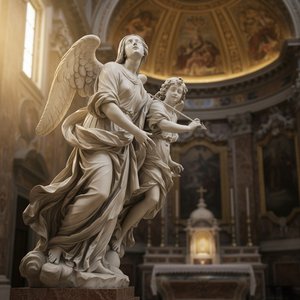
Gian Lorenzo Bernini: Sculpting Baroque Emotion & the Roman Imagination
Explore the life & revolutionary art of Gian Lorenzo Bernini, the master sculptor of the Baroque era. Discover his iconic works like David and Ecstasy of Saint Teresa – a journey into Roman artistic genius.

Trwała Forma: Rzeźba w Historii – Technika i Rezonans Emocjonalny
Poznaj historię rzeźby od antyku do współczesności! Ekspercka analiza technik, stylów i emocjonalnego wpływu arcydzieł. Inspiracje dla kolekcjonerów i miłośników sztuki.

10 Legendarnych Brązów Rzeźbiarskich, Które Zmieniły Sztukę | OriginalUniqueArt
Odkryj 10 legendarnych rzeźb brązowych od Rodina, Degasa i innych mistrzów! Poznaj historię powstania arcydzieł sztuki i inspiruj się do dekoracji wnętrz. Reprodukcje najwyższej jakości na OriginalUniqueArt.com – zobacz kolekcję!

Trwałe Formy: Ewolucja Technik i Tematów w Rzeźbie Przez Wieki – Od Antyku do Renesansu
Poznaj fascynującą historię rzeźby od antyku do renesansu! Odkryj techniki, wybitnych artystów i wpływ na współczesną sztukę. Ekspercka analiza dla kolekcjonerów i miłośników.

Teatralność i triumf: Dramat baroku w malarstwie i rzeźbie – od kontrreformacji do ekspresji emocji
Odkryj dramat i przepych sztuki baroku! Analiza malarstwa i rzeźby, wpływ kontrreformacji, kluczowi artyści oraz filozofia vanitas. Ekspercka wiedza dla miłośników historii sztuki.
